
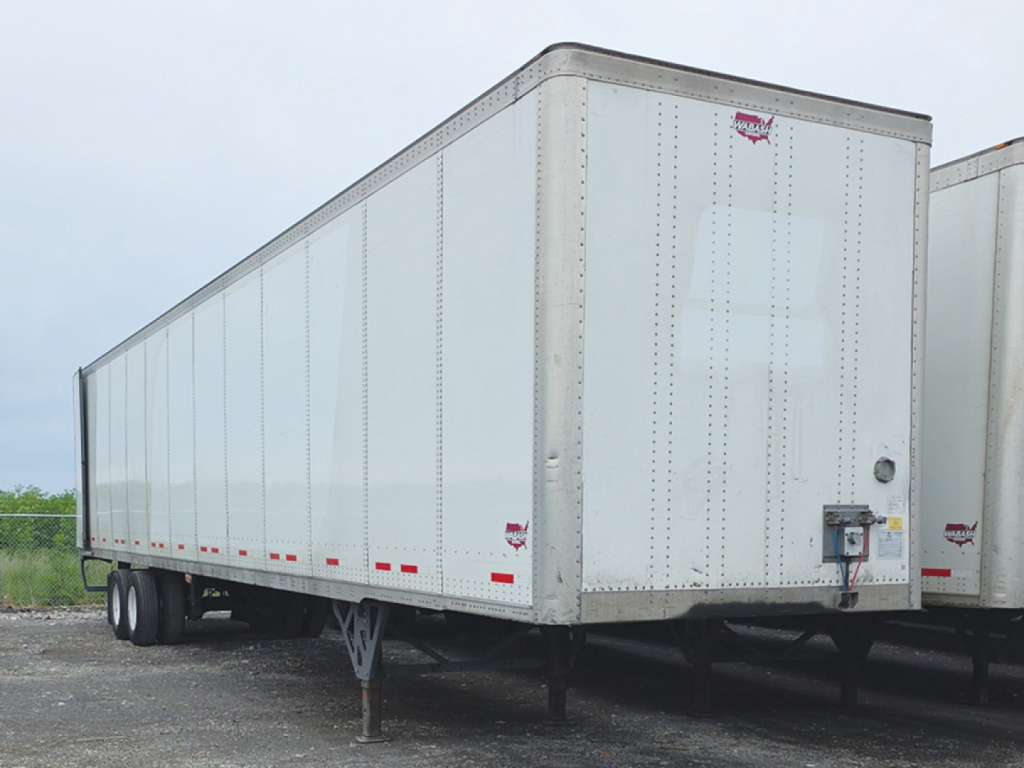
2023 Wabash Van Trailers For Sale
Shop 2023 Wabash van trailers with specs, features, and buyer guidance on dry freight capacity, doors, suspension, floors, and maintenance.
Learn more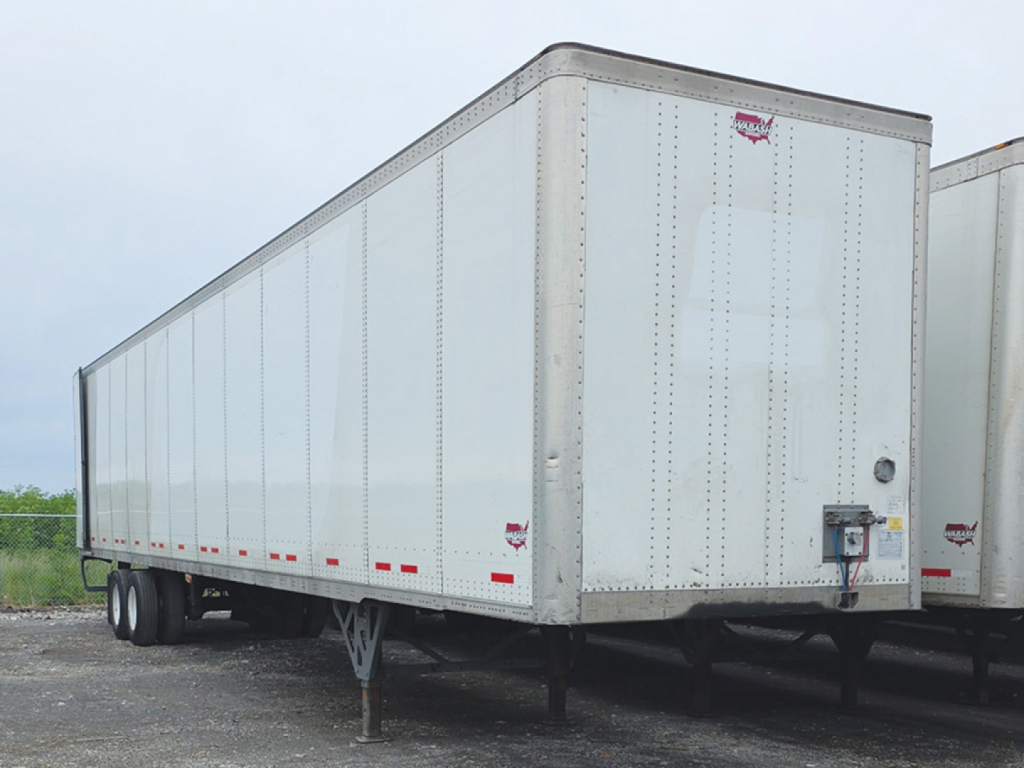

Have 2023 wabash van trailer to sell? List it here to reach thousands of buyers.
About 2023 Wabash Van Trailers
The biggest buying decisions usually come down to suspension, rear door style, floor condition, and trailer weight. Air ride is common on late-model vans because it helps protect freight and reduces abuse on high-cycle lanes, while spring suspension may still appeal in certain regional or vocational applications. Swing doors give the widest rear access and are simple to maintain, but roll-up doors are popular in multi-stop work where dock clearance is tight. Floor rating and floor wear matter more than many buyers expect. A van trailer with a sound wood floor, good crossmember condition, and clean threshold area will hold up better under forklifts than one with cosmetic appeal but hidden structural fatigue. Plastic scuff liners, translucent roofs, and aluminum roof construction are also common features worth checking because they affect interior visibility, wall protection, and long-term repair costs.
For a 2023 model year, buyers should pay close attention to axle spread, slider operation, brake configuration, and tire package. A sliding tandem remains the standard choice for over-the-road flexibility, especially where bridge laws and weight distribution are part of the route plan. Air brakes, 22.5-inch rubber, hub-piloted wheels, and aerodynamic skirts are typical on newer highway vans. If fuel economy is part of the cost equation, side skirts and tire inflation systems can make a measurable difference across large annual mileage. It is also smart to confirm rear frame condition, door seal integrity, roof bow straightness, and any signs of sidewall impact, especially on trailers that have spent time in dense distribution networks.
Wabash dry vans fit a wide range of freight profiles, from boxed consumer goods and food-grade packaged products to paper, automotive freight, and high-cube retail shipments. Buyers comparing listings should weigh empty weight against durability features like lining packages, floor construction, and wall repair history. A lighter trailer may improve payload and fuel economy, but a heavier-spec van can be the better long-term choice for forklift traffic, concentrated loads, and rough dock environments. The right 2023 Wabash van trailer is usually the one that matches lane type, loading method, maintenance discipline, and resale expectations, not simply the one with the newest paint or the lowest advertised tare weight.
Frequently Asked Questions
What is the most common configuration for a 2023 Wabash van trailer?
The most common setup is a 53-foot dry van with 102-inch width, tandem axles, air brakes, and a sliding tandem suspension. Many are equipped with air ride, aerodynamic side skirts, and either swing or roll-up rear doors. This configuration fits standard over-the-road freight, dock loading, and broad shipper acceptance across retail, consumer goods, and general dry freight lanes.
Should I choose swing doors or a roll-up door on a Wabash van trailer?
Swing doors are usually preferred for maximum rear opening width, lighter repair complexity, and strong sealing when properly maintained. Roll-up doors are useful for city and multi-stop operations where the trailer backs into tight docks and door swing clearance is limited. The choice depends on loading environment, damage exposure, and how often the trailer is opened during a route.
What should I inspect first on a used late-model van trailer?
Start with the floor, rear frame, roof, and suspension. Floor condition tells you how the trailer handled forklift traffic and concentrated pallet loads. The rear frame and threshold area often show impact damage from docks and repeated loading. Roof bows, roof skin, and sidewalls can reveal hidden structural problems, while slider rails, brake components, tires, and bushings help indicate maintenance quality.
Are Wabash van trailers good for heavy palletized freight?
They can be, but the answer depends on floor rating, crossmember spacing, and the trailer's overall build spec. Many Wabash vans are designed for general dry freight and handle palletized cargo well, but buyers moving dense freight should verify floor condition, legal payload, and any concentrated load limitations. A lighter trailer is not always the best choice if the operation involves frequent forklift use and high floor stress.
Do aerodynamic features on a 2023 van trailer really matter?
Yes, especially in long-haul service. Side skirts and well-maintained underbody aero components can improve fuel economy when matched with highway speeds and consistent annual mileage. The savings are more noticeable in fleet and high-mileage applications than in short regional service, but they still matter because they reduce operating cost over the life of the trailer.