
2012 Wabash Van Trailers For Sale in Illinois
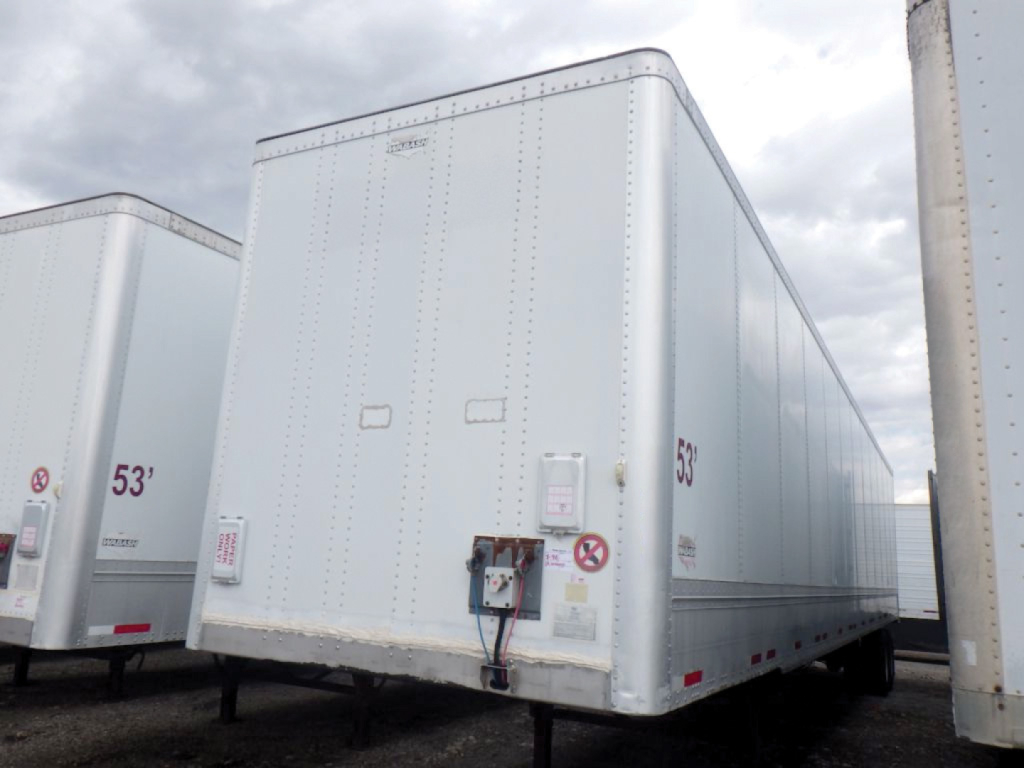
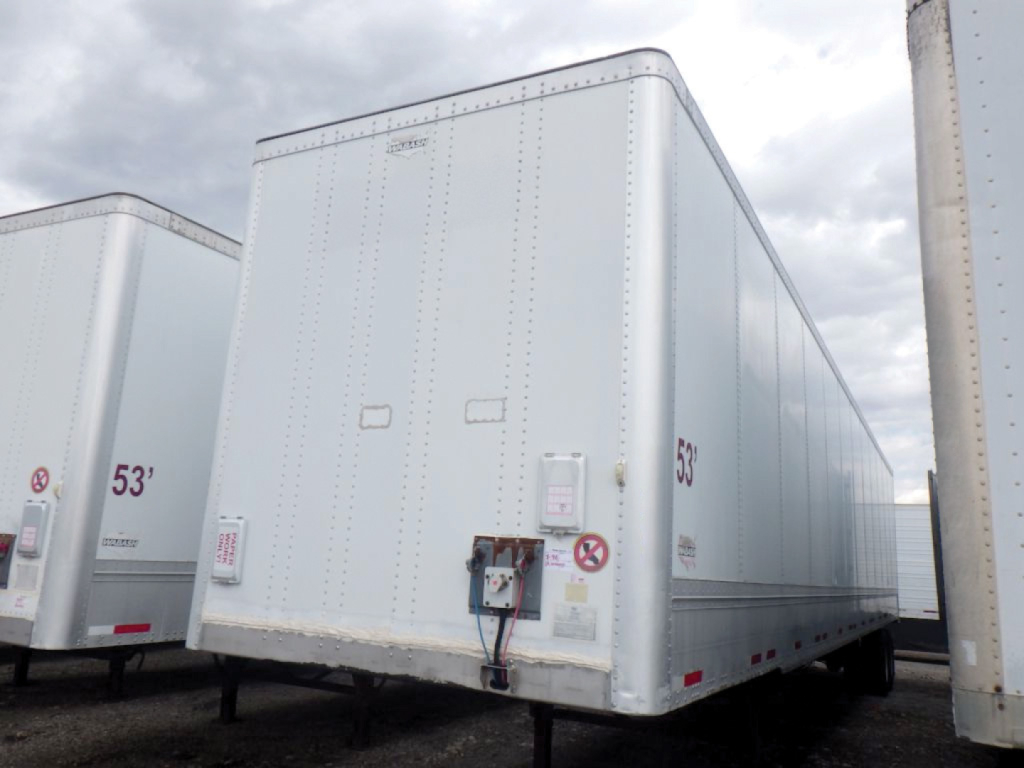
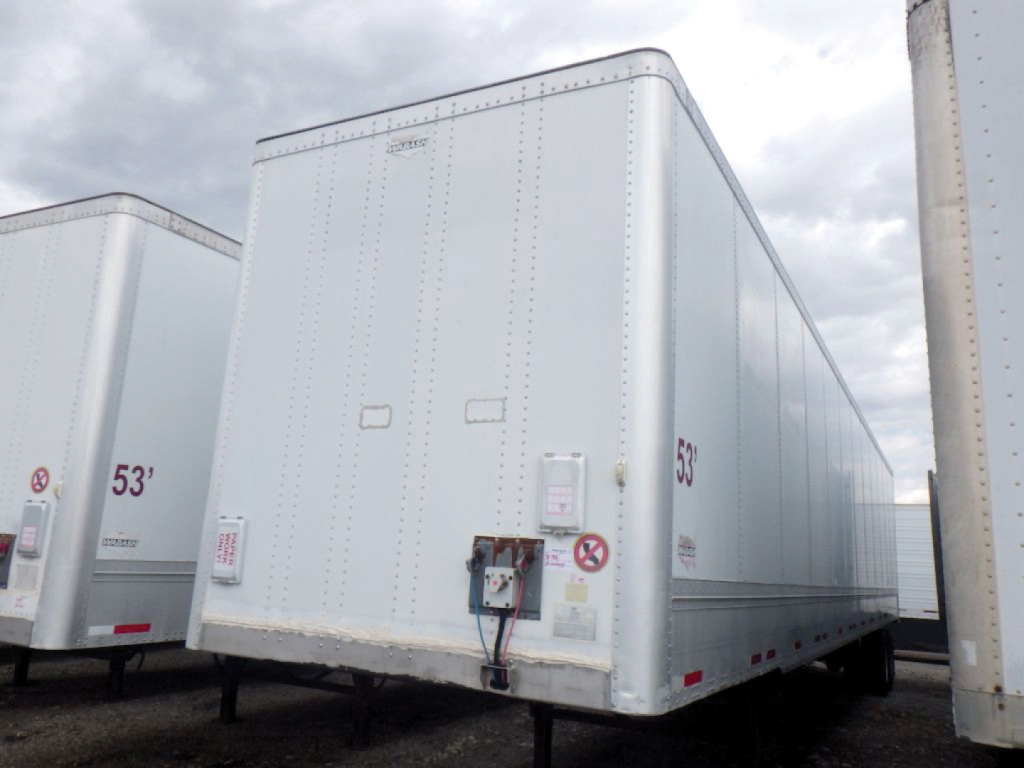
Have 2012 wabash van trailer to sell? List it here to reach thousands of buyers.
2012 Wabash Van Trailers in Illinois
The biggest buying decisions usually come down to suspension, door configuration, and interior equipment. Air ride is preferred for many higher-value or damage-sensitive loads, while spring ride can be simpler and less expensive to maintain. Swing doors are common for full dock access, but roll-up doors can make sense in multi-stop delivery work where clearance behind the trailer is limited. Inside, many van trailers from this era are equipped with logistics posts or E-track, scuff liners, plywood lining, and wood floors. Those features matter if the trailer will handle mixed freight, shifting pallets, or frequent forklift traffic.
For a used 2012 Wabash trailer, condition is more important than age alone. Pay close attention to floor rot or soft spots, roof bows, sidewall repairs, door seals, threshold plate wear, and signs of impact around the rear frame and ICC bumper. In Illinois, corrosion can show up on the rear structure, crossmembers, landing gear, and slider components due to winter road treatment, so underbody inspection is critical. Tire size, wheel type, brake condition, and axle alignment also affect operating cost right away. A trailer with clean rails, a solid floor, and properly functioning tandem pins will usually be a better value than a cheaper unit that needs structural or running-gear work.
Wabash dry van trailers are a practical choice for fleets and owner-operators who need a standard freight box that is easy to load, easy to insure, and widely accepted across shippers. Some units are spec'd with aerodynamic side skirts, tire inflation systems, galvanized rear frames, or upgraded lining packages, but the core value is still cargo protection and versatility. When comparing listings, match the trailer spec to the freight lane and loading style. A logistics-equipped van with air ride may be the better fit for contract freight, while a simpler spring ride van can work well for spot market freight and shorter regional runs.
Frequently Asked Questions about 2012 Wabash Van Trailers in Illinois
What should I inspect first on a 2012 Wabash van trailer?
Start with the floor, rear frame, roof, and suspension. The floor needs to be solid enough for repeated forklift traffic, with no soft areas, major gouging, or broken boards near the threshold. The rear frame and ICC bumper should be checked for collision damage, corrosion, and prior weld repairs. Inspect the roof for patches or leaks, then move underneath to evaluate crossmembers, slider rails, landing gear, brake components, and tandem pin function. On a used dry van, structural condition usually matters more than cosmetic appearance.
Are 2012 Wabash dry vans usually DuraPlate trailers?
Many Wabash dry van trailers from this period use DuraPlate-style construction, and that is one of the brand's main selling points. DuraPlate panels are known for durability, lighter weight potential, and easier maintenance compared with some traditional sheet-and-post bodies. That said, exact construction and interior spec can vary by original buyer order, so it is smart to confirm wall type, liner condition, and any prior panel repair before making a decision.
Is air ride or spring ride better on a van trailer?
Air ride is generally preferred when freight protection and ride quality matter, especially for packaged goods, consumer freight, and higher-value loads. It can help reduce cargo shift and trailer vibration. Spring ride is simpler and can be less expensive to buy and maintain, which appeals to buyers focused on lower upfront cost. The better choice depends on the freight mix, lane quality, and maintenance strategy rather than the trailer age alone.
What door style is best on a Wabash van trailer, swing or roll-up?
Swing doors are the standard choice for most dry van operations because they provide full-width rear access and are typically lighter and easier to seal well. Roll-up doors can be useful in urban or multi-stop work where there is limited room behind the trailer. The tradeoff is that roll-up doors can reduce interior clearance at the rear and may add maintenance points. Buyers should match the door style to loading dock habits, freight dimensions, and stop frequency.
Why does location in Illinois matter when buying a used van trailer?
Illinois is a practical market for dry vans because of its central freight position, but regional weather can affect trailer condition. Snow, road salt, and year-round exposure can accelerate corrosion on rear frames, landing gear, suspension hardware, and slider assemblies. A trailer that spent time in Midwest service should get a careful underbody inspection, with extra attention to rust, seized components, brake lines, and structural repairs. That inspection can tell you more about remaining service life than the model year by itself.