
Used Vanguard Van Trailers For Sale in Pennsylvania
Shop used Vanguard van trailers in Pennsylvania. Compare 53-foot dry vans with air ride, sliding tandems, composite panels, and dock-ready specs.
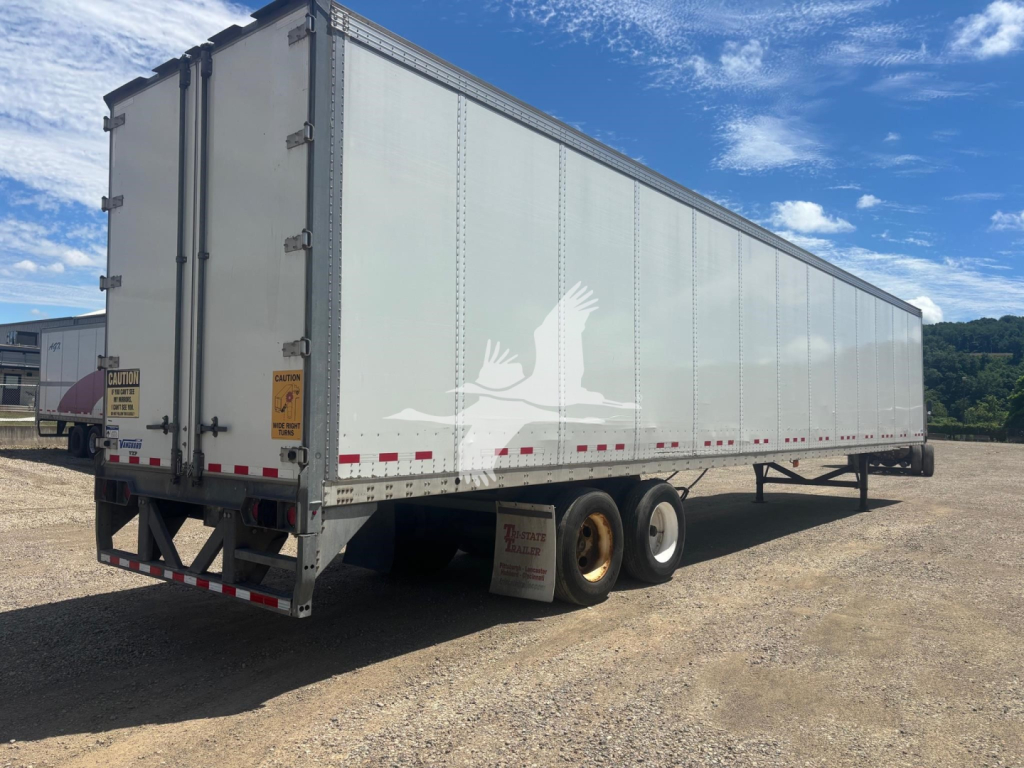
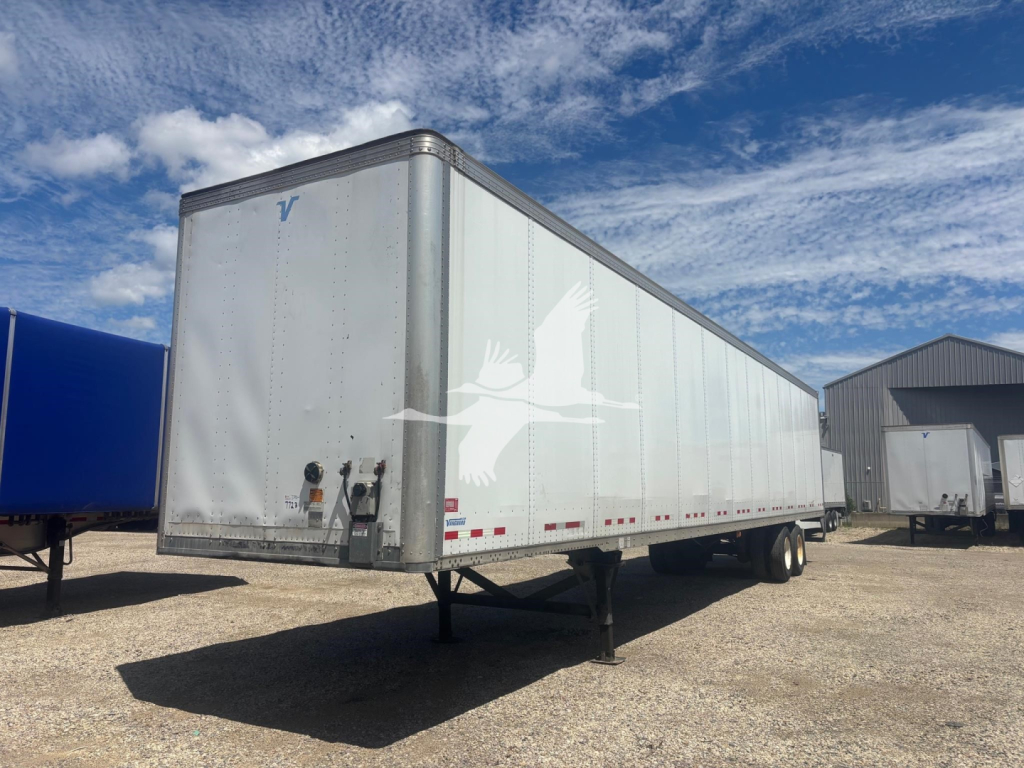
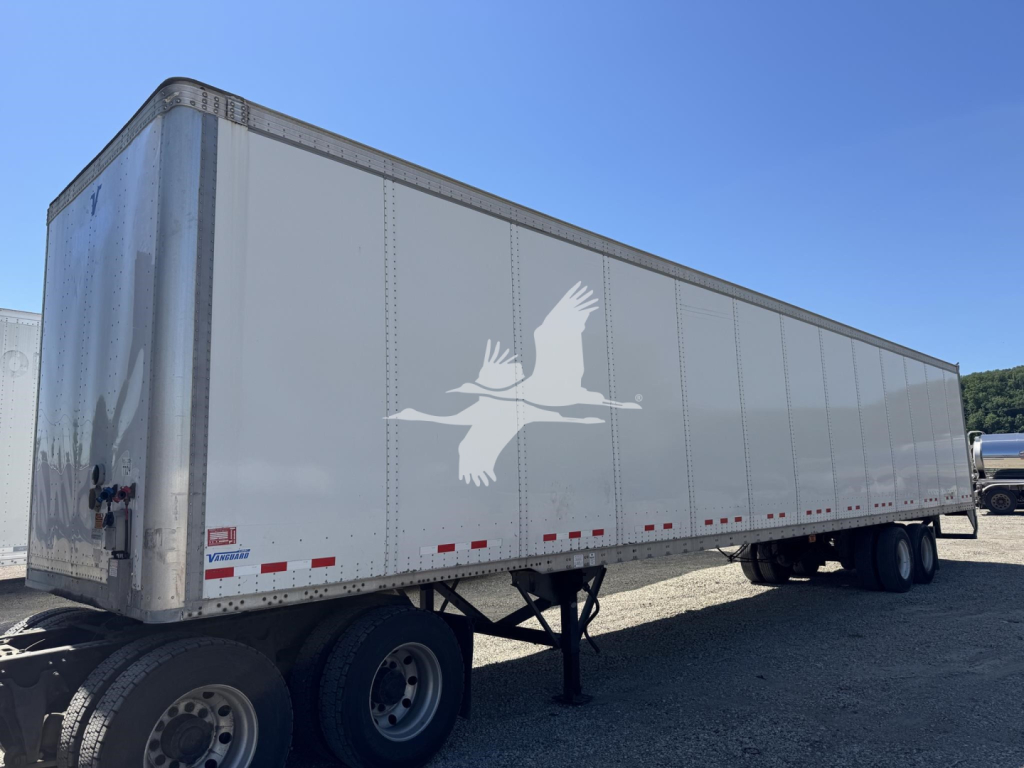
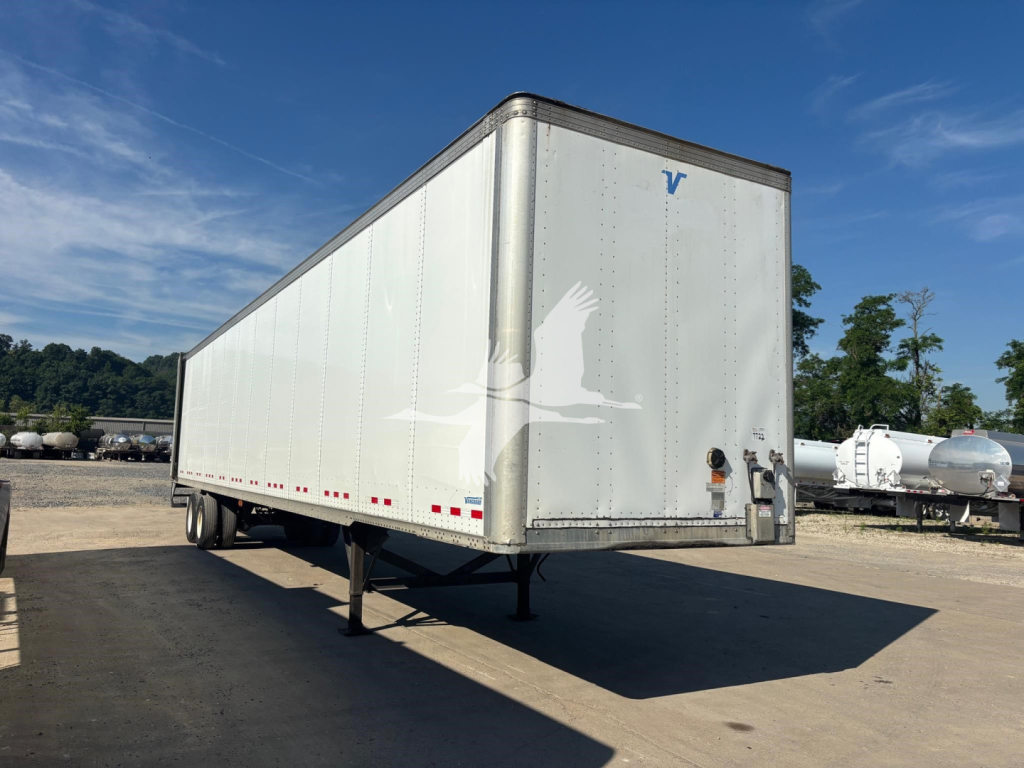
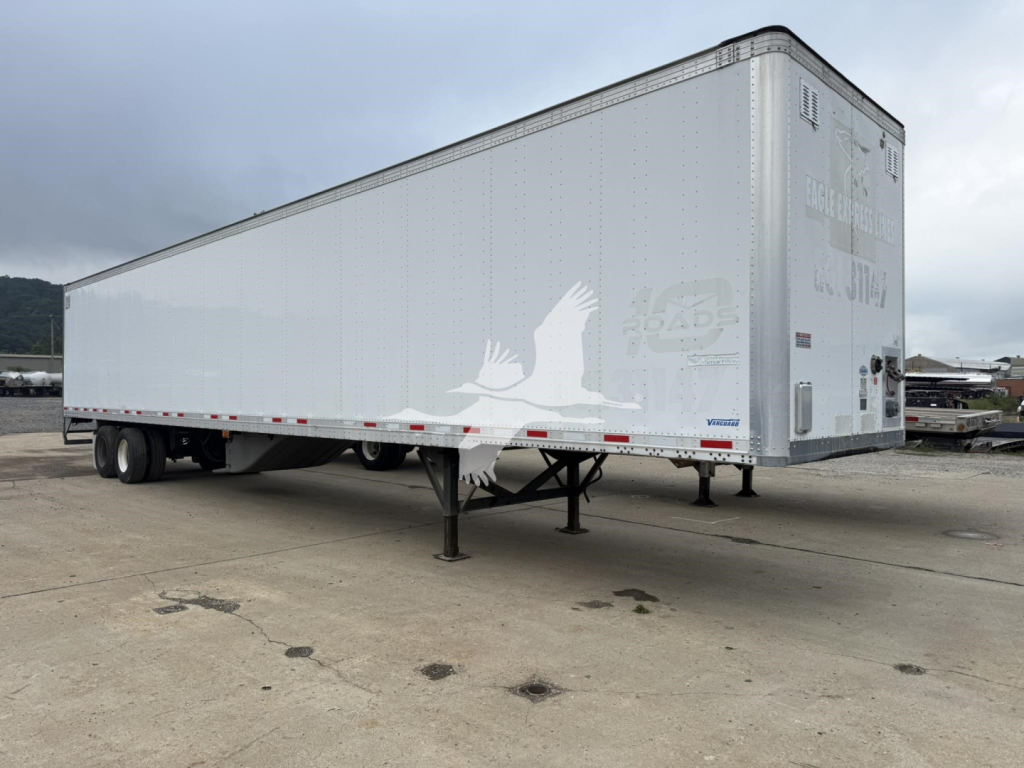
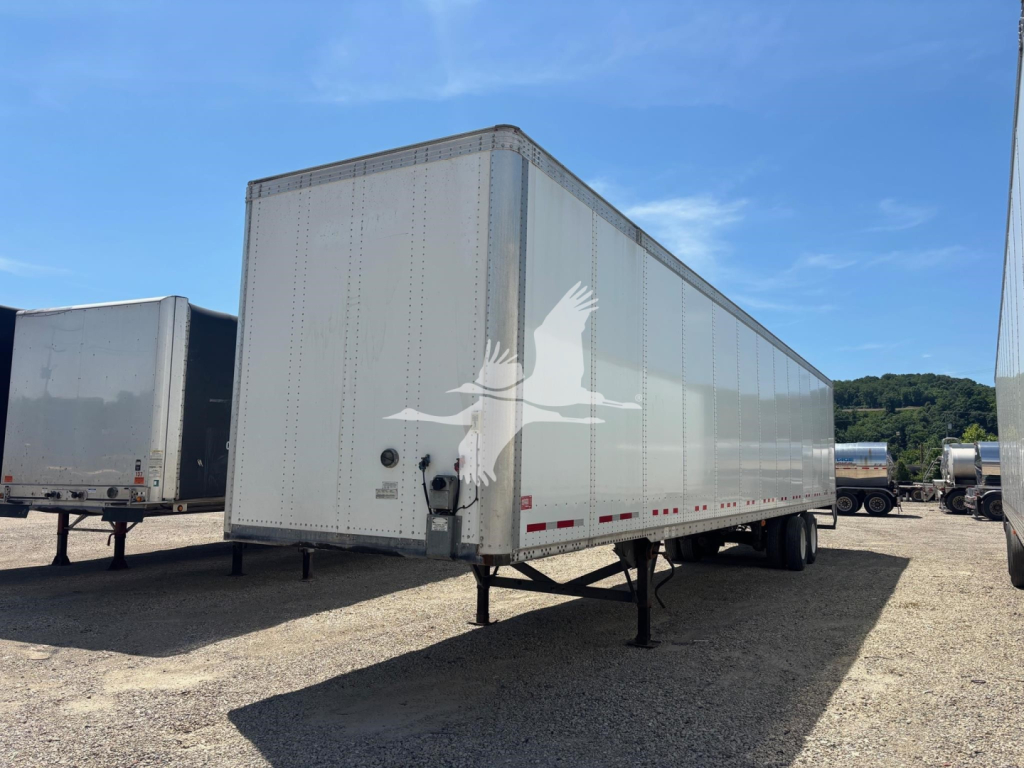
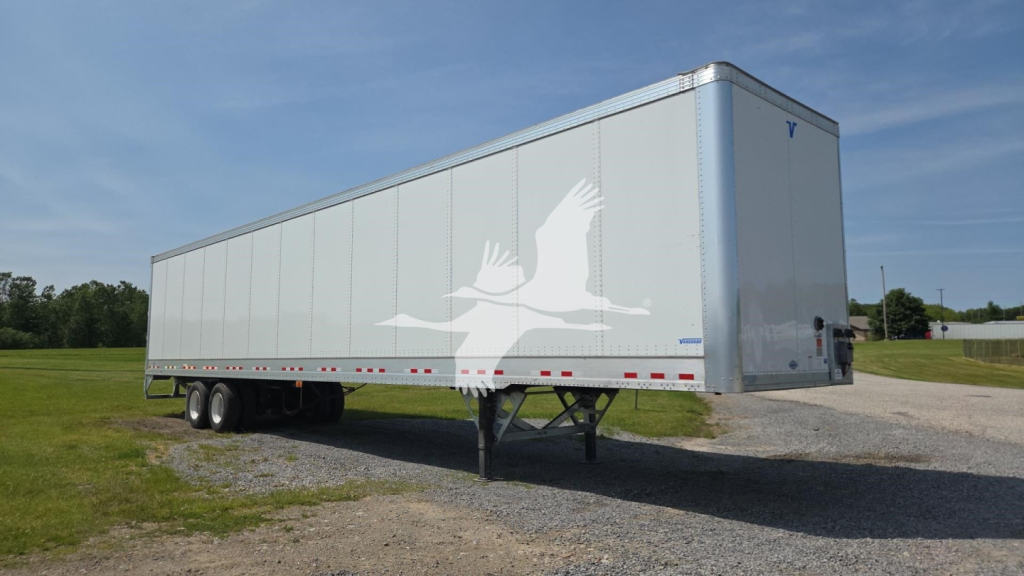
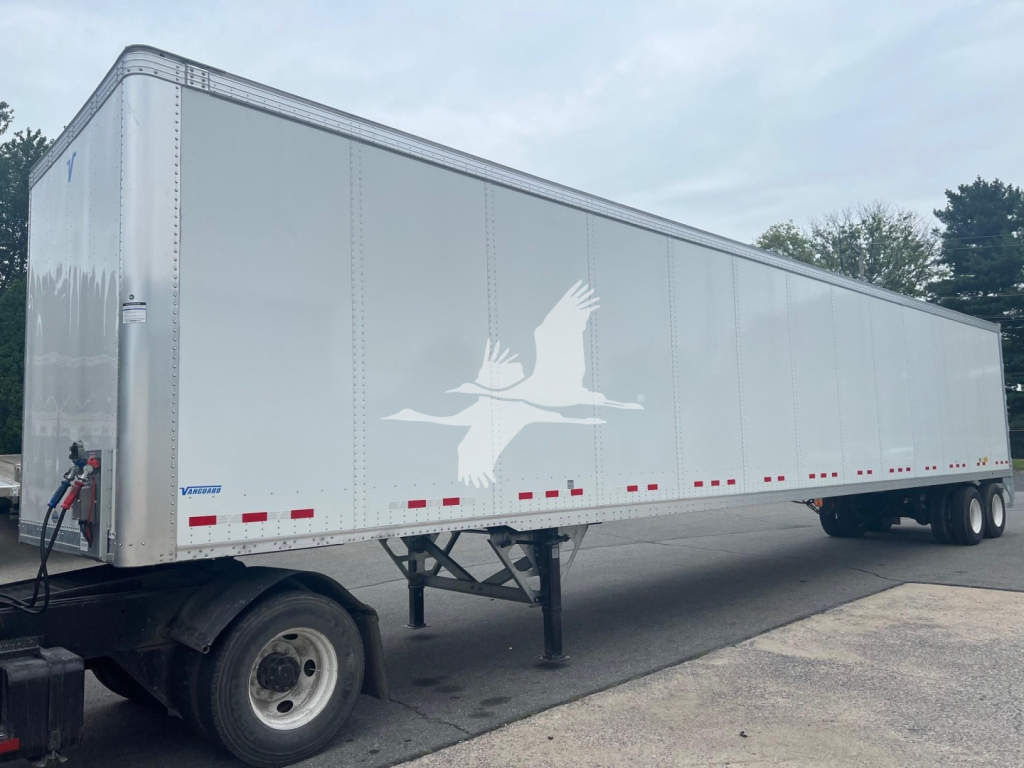
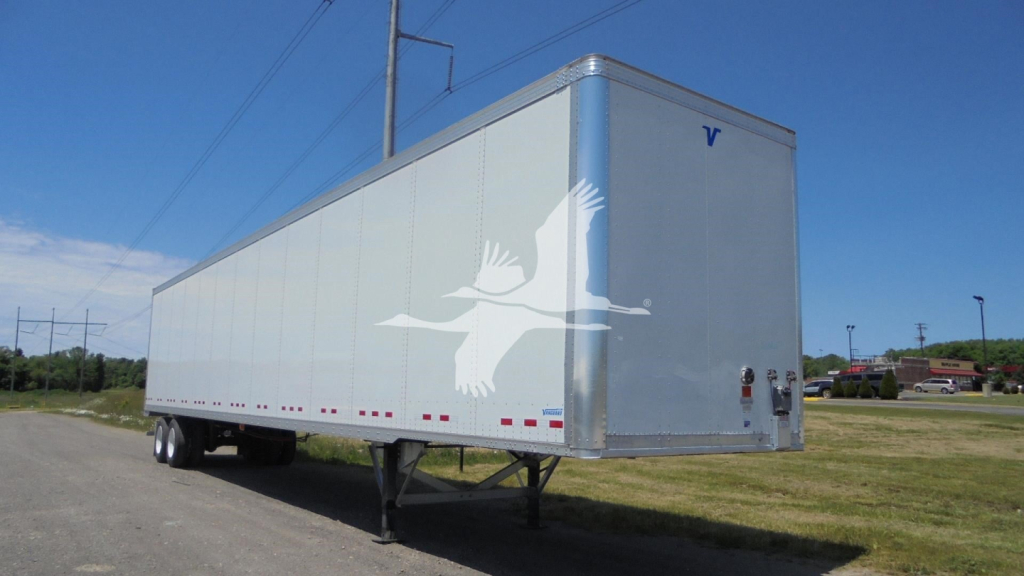
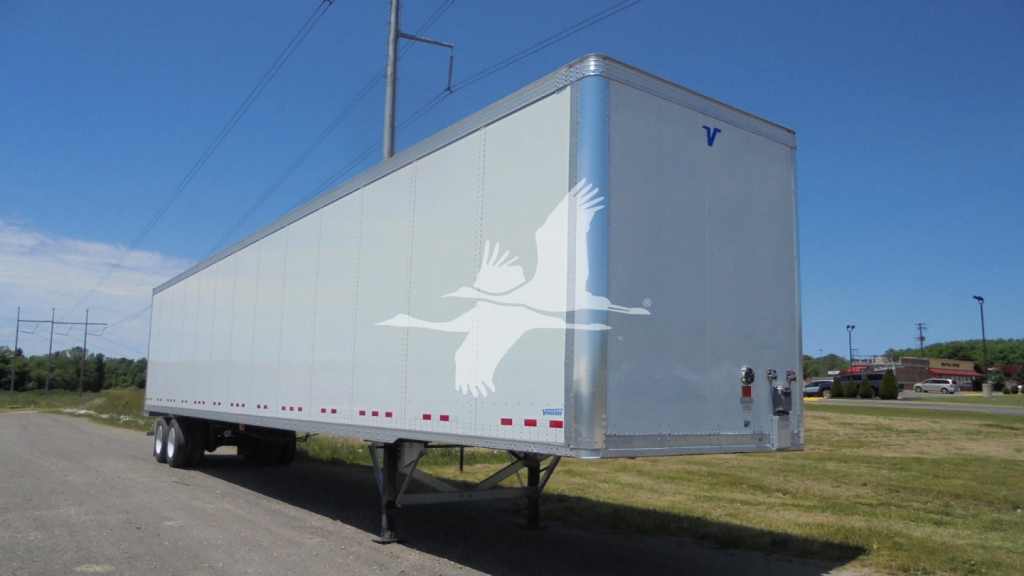
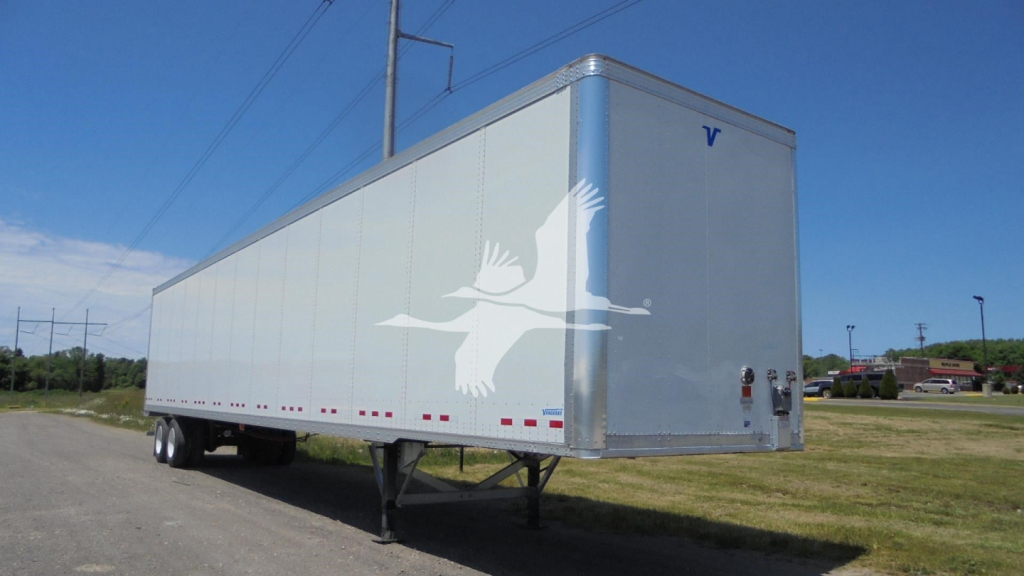
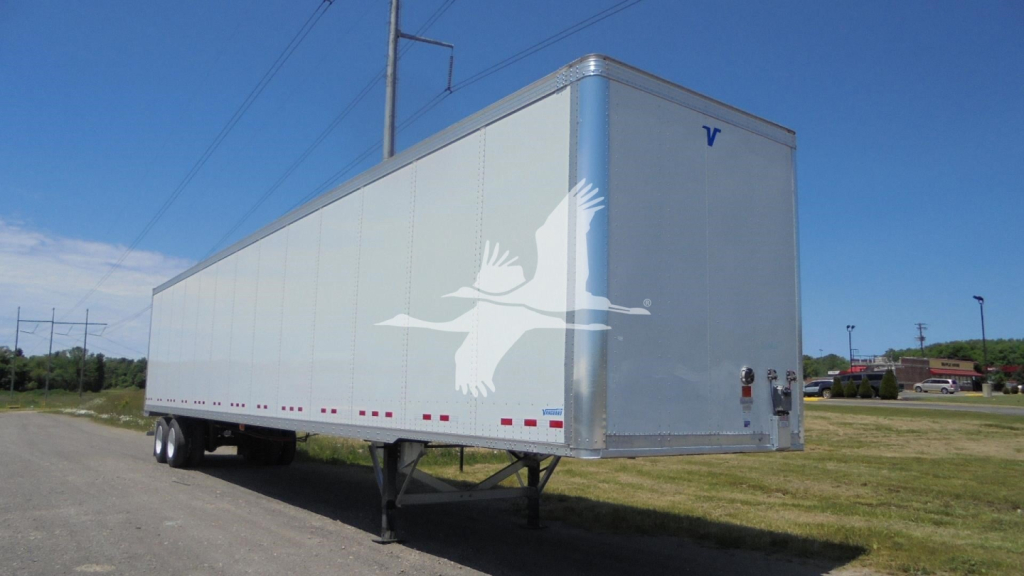
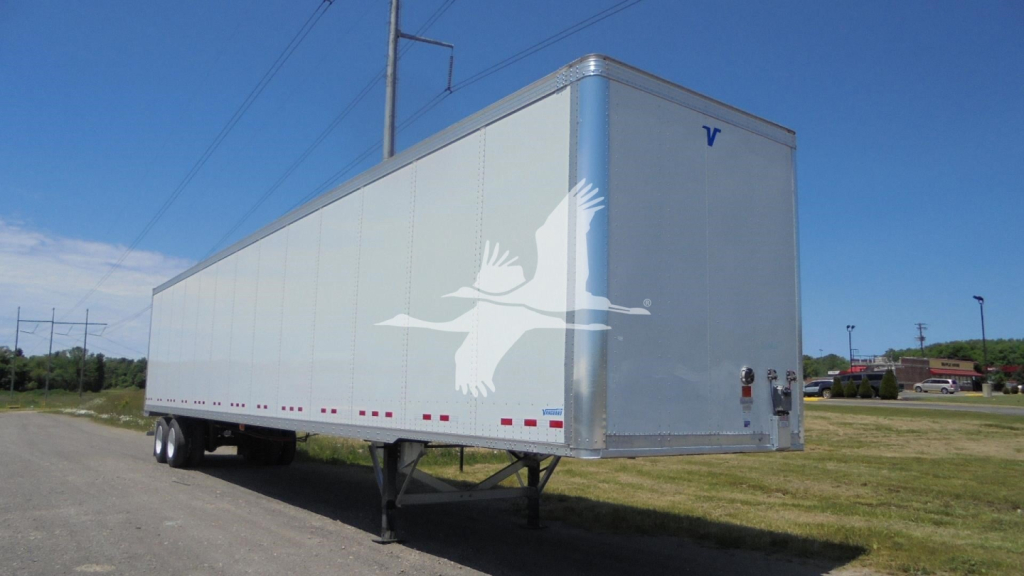
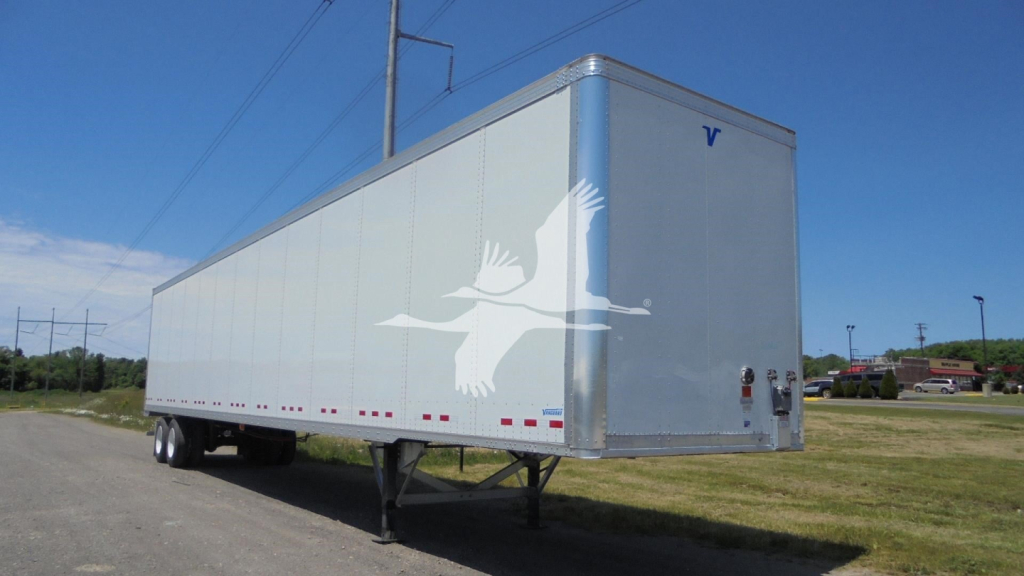
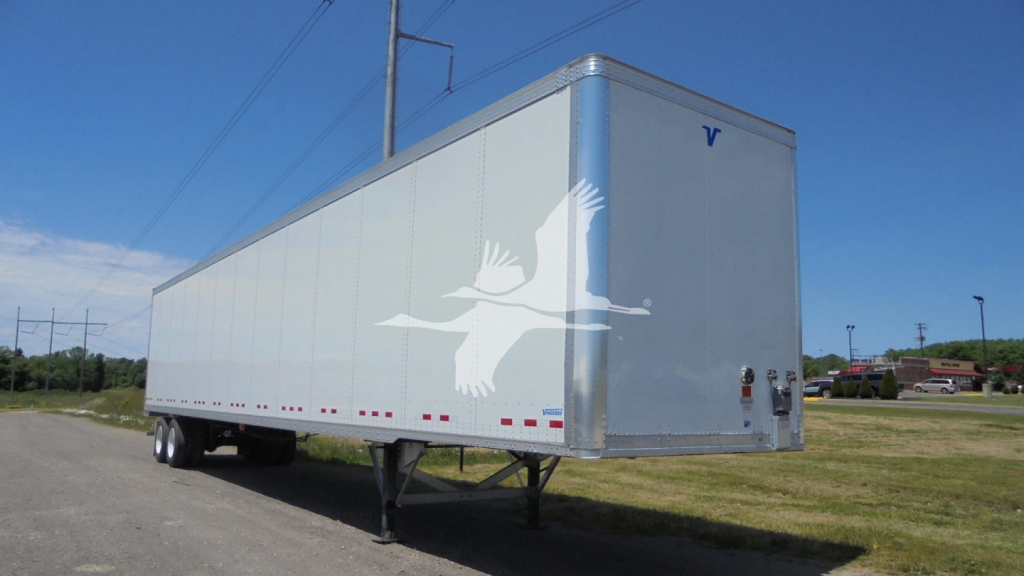
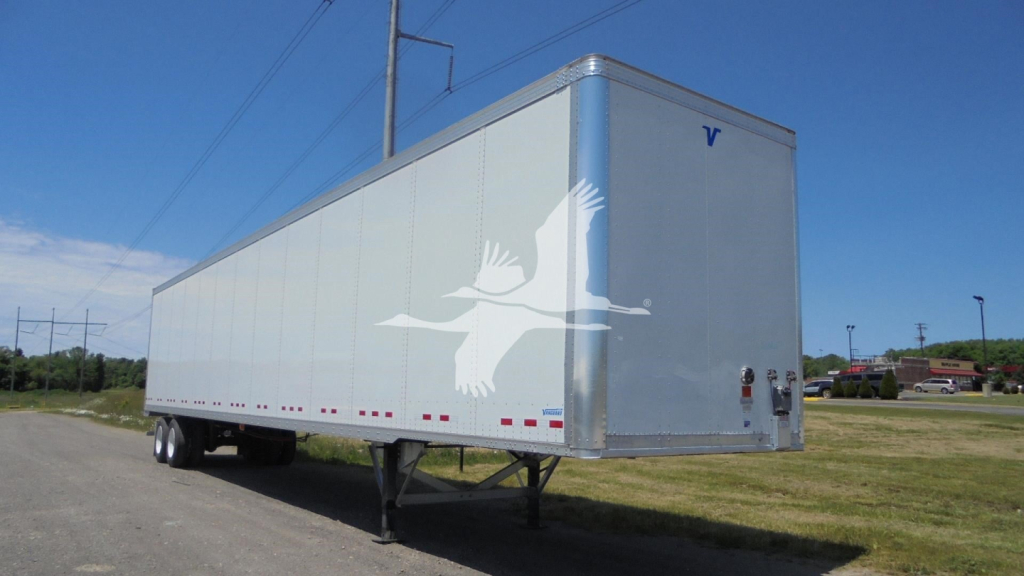
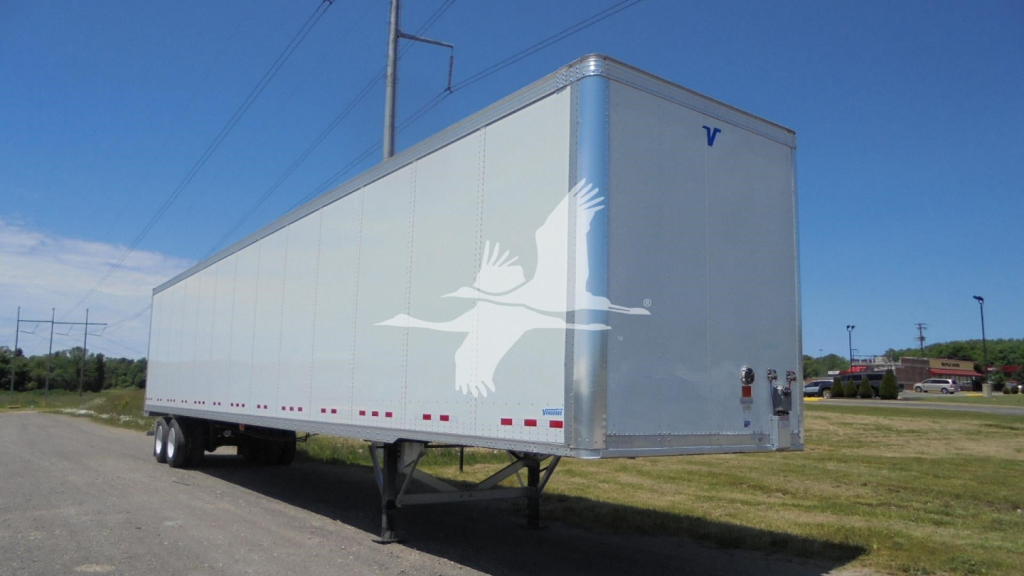
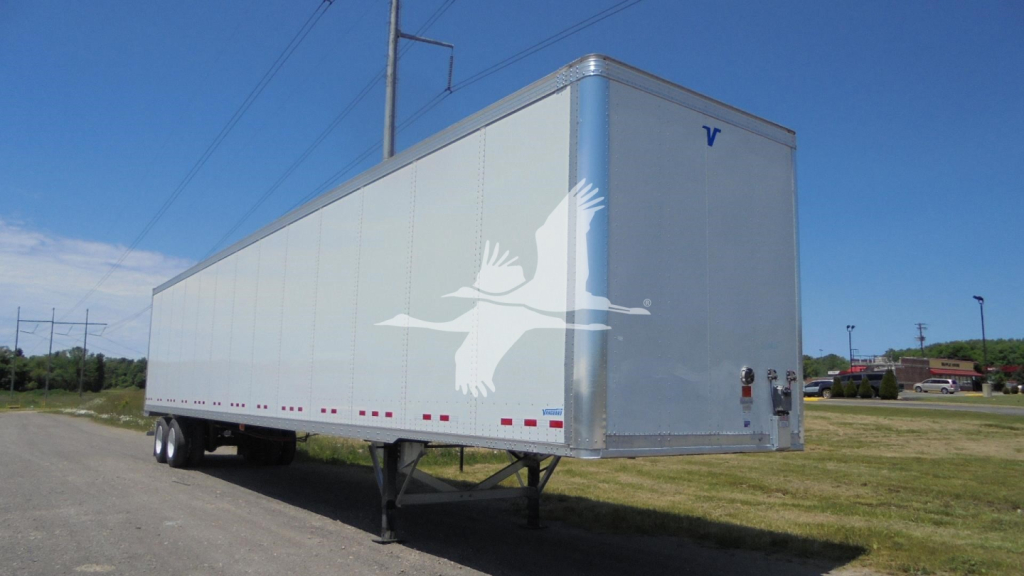
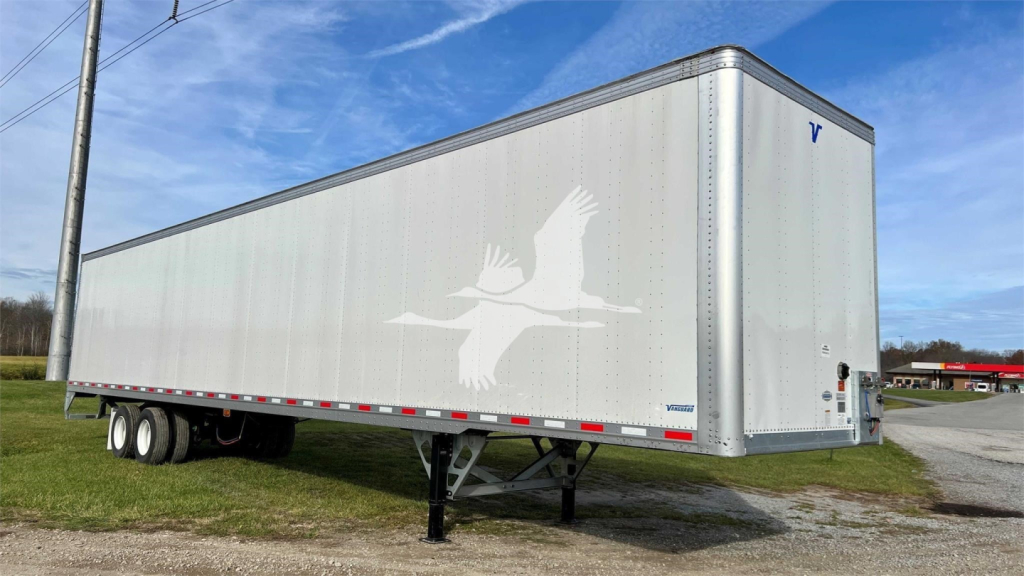
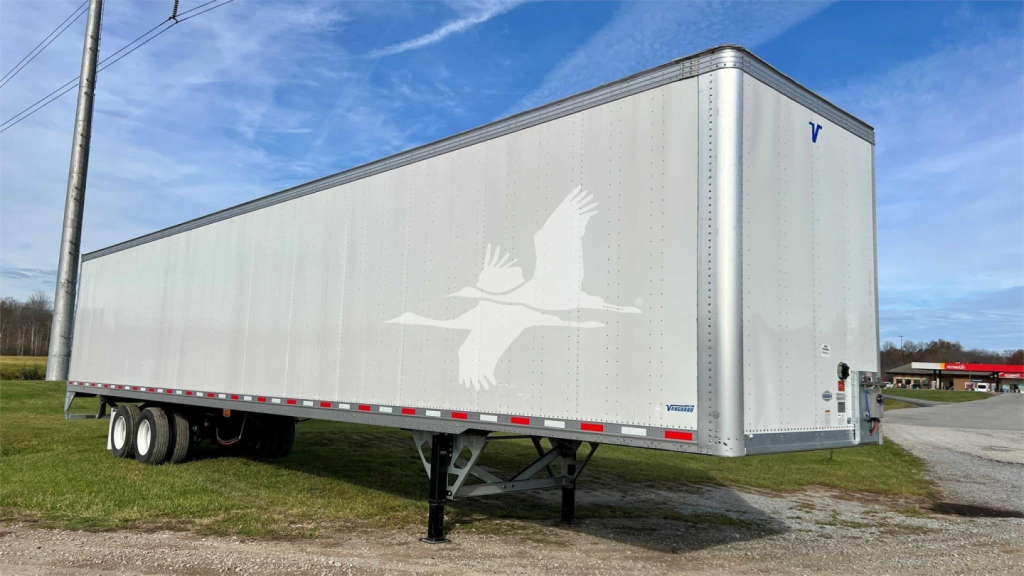
Showing 1 to 24 of 201 results
Have used vanguard van trailer to sell? List it here to reach thousands of buyers.
Used Vanguard Van Trailers in Pennsylvania
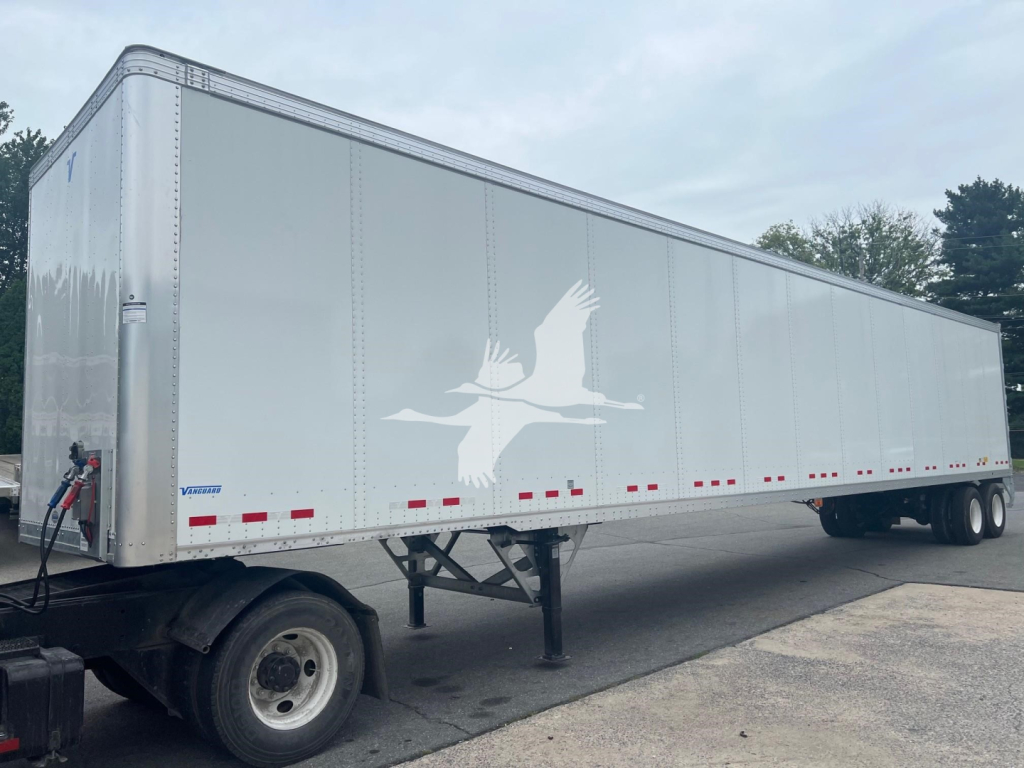
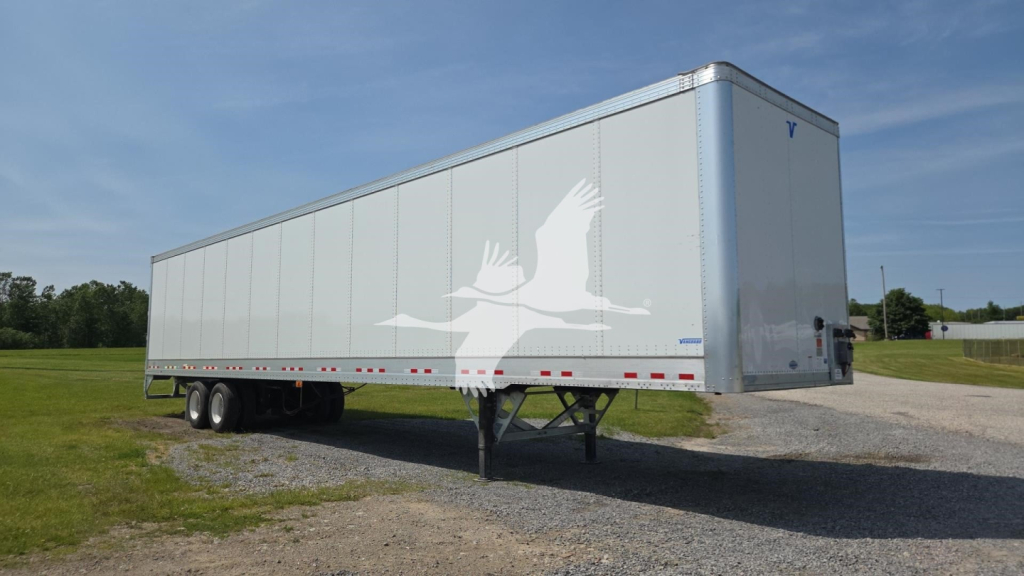
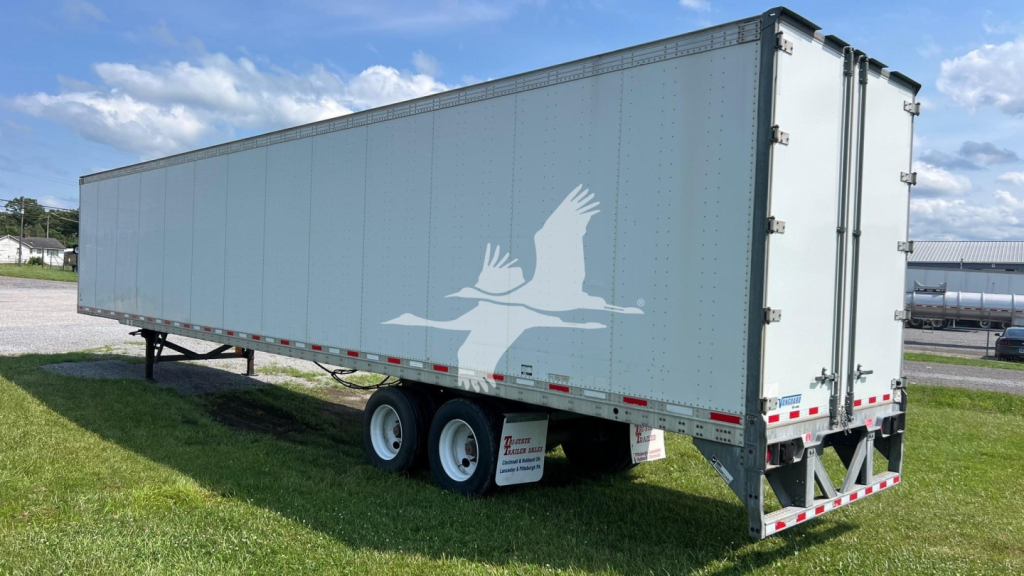
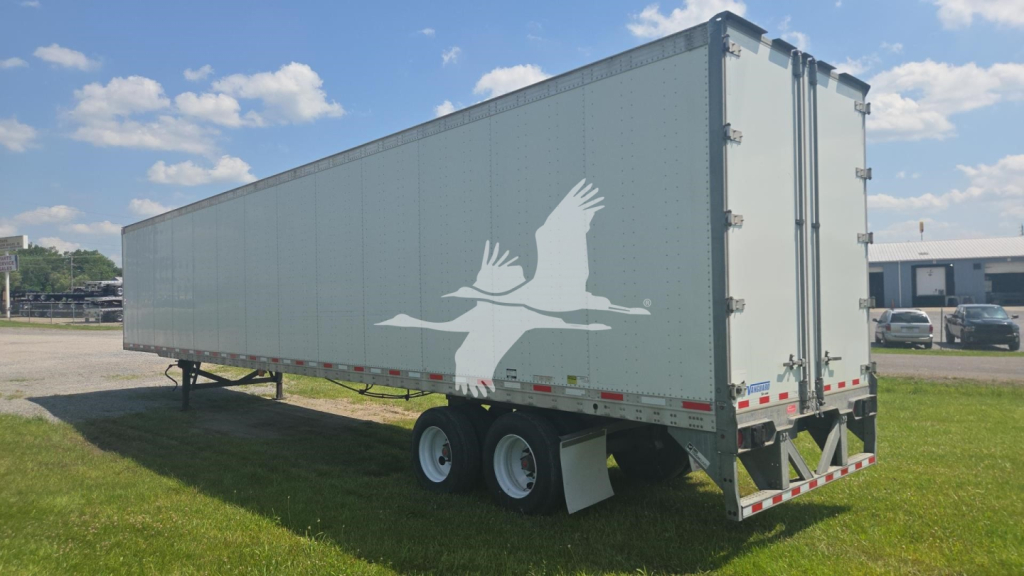
A lot of buyers start with body construction, and that is the right place to look on a used Vanguard van. Common specs include composite side panels, aluminum roofs, galvanized rear frames, galvanized bumpers reinforced for dock-lock use, oak floors, and logistics posts on 48-inch spacing. Inside dimensions around 101 inches wide and 110 inches high are typical on newer high-cube models such as the MaxCube and VXP. Those measurements matter if you are maximizing pallet count, handling taller freight, or trying to standardize loading across a mixed trailer fleet. Side scuff protection, full-height nose lining, and a solid internal bulkhead are also worth checking because they affect long-term durability in high-turn freight service.
Running gear is just as important as the box. Many used Vanguard van trailers are equipped with air ride suspensions, 49-inch sliding tandems, 36-inch kingpin settings, 295/75R22.5 tires, and two-speed landing gear from brands like Jost or Holland. In Pennsylvania, sliding tandem adjustment can be especially useful for bridge law compliance, axle spread management, and balancing payload on mixed routes. Buyers should pay close attention to crossmember spacing, floor condition around the threshold, rear frame corrosion, and the condition of the suspension slider components. Rear door style also matters. Swing doors are common on newer dry vans, while some older units may have roll doors that can make sense for certain dock environments but can reduce full door opening and add maintenance considerations.
For used-trailer shopping, the key is matching the trailer spec to the freight and loading pattern instead of buying strictly by year. A newer composite-panel Vanguard VXP may appeal to fleets focused on cube, dock durability, and lower tare weight, while an older 53x102 air-ride slider can still be a productive trailer for general dry freight if the floor, rails, suspension, and rear structure are sound. Buyers comparing used Vanguard van trailers should look closely at scuff liner design, floor fastener integrity, roof bow condition, slider wear, and evidence of repeated dock impact. Those details tell you more about remaining service life than paint or model year alone.
Frequently Asked Questions about Used Vanguard Van Trailers in Pennsylvania
What are the most common specs on a used Vanguard van trailer?
Most used Vanguard van trailers are 53-foot dry vans with a 102-inch exterior width, tandem axles, air ride suspension, and a sliding tandem setup. Many newer units have about 101 inches of inside width and 110 inches of inside height, along with composite side panels, aluminum roofs, oak floors, galvanized rear frames, and 295/75R22.5 tires. A 36-inch kingpin setting and two-speed landing gear are also common fleet specs.
Is a Vanguard VXP a good fit for general dry freight?
Yes. The Vanguard VXP is commonly spec'd for standard dry freight service, including palletized consumer goods, packaged food, retail freight, and warehouse distribution. Features like logistics posts, scuff protection, dock-lock-ready rear structure, and durable flooring make it suitable for frequent loading cycles. The best fit depends on cargo density, loading method, and how much interior cube your lanes require.
What should I inspect first on a used Vanguard dry van trailer?
Start with the floor, rear frame, roof, and slider assembly. Floor soft spots, damaged threshold plates, cracked crossmembers, or excessive wear around the rear door area can point to hard use. On the running gear, inspect suspension components, tandem slide rails, locking pins, wheel ends, brakes, and tire wear patterns. On the body, look for sidewall repairs, roof damage, door seal issues, and corrosion at the rear frame and bumper.
Why does sliding tandem position matter on a van trailer in Pennsylvania?
Sliding tandem position matters because it affects axle loading, bridge law compliance, and maneuverability. On Pennsylvania routes, especially when freight weights vary by stop or lane, a 49-inch sliding tandem helps operators shift weight to stay legal and balance the load more effectively. It also gives more flexibility when moving between regional work, interstate lanes, and customer facilities with different access constraints.
What is the difference between a high-cube Vanguard van and a standard dry van?
A high-cube Vanguard van typically offers more interior height, often around 110 inches, which can improve cubic capacity for lighter and bulkier freight. That extra cube can increase efficiency on loads that fill out before they weigh out. A standard dry van may have slightly less interior height, but the practical decision should come down to your freight profile, dock requirements, and the consistency of your loading patterns.