
Used Vanguard Van Trailers For Sale in North Carolina
Browse used Vanguard van trailers for sale in North Carolina. Compare 53-foot dry van specs, construction, axle setups, and fleet-ready options.
Learn more
Have used vanguard van trailer to sell? List it here to reach thousands of buyers.
About Used Vanguard Van Trailers in North Carolina
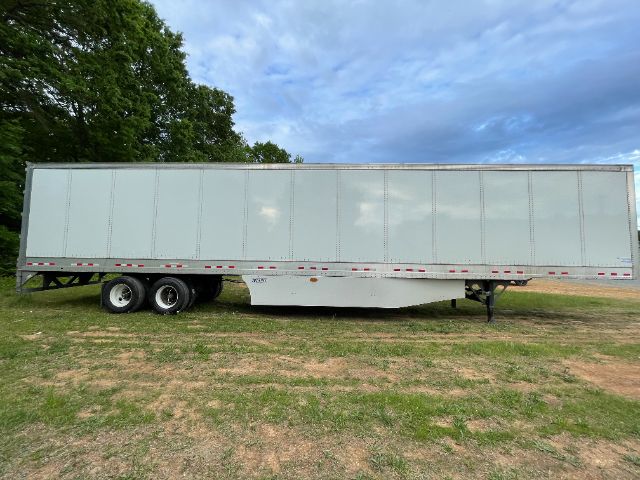
For most buyers, the key decisions start with body construction and running gear. A used Vanguard van trailer may be spec'd with aluminum wheels or steel wheels, standard tandem axles, air ride or spring suspension, and swing doors suited for dock work. Interior details matter just as much as the outside. Check floor type and floor rating, wall condition, roof bows, scuff liner height, logistics posts, and the overall condition of the rear frame and door hardware. If the trailer will stay in heavy multi-stop service, pay close attention to crossmember condition, threshold wear, ICC bumper integrity, and signs of repeated forklift impact inside the nose and rear door area.
North Carolina buyers often compare used dry vans based on lane length, warehouse compatibility, and registration weight. A 53-foot Vanguard van is the standard choice for maximizing cubic capacity, but actual payload depends on tare weight, axle placement, tire size, and how the trailer was originally spec'd. Swing doors remain the most common setup for shippers that need full rear opening at the dock. It is also worth checking tire condition, brake life, ABS function, air system leaks, and whether the trailer has fleet features such as aerodynamic side skirts, tire inflation systems, or trailer tracking hardware.
A good used Vanguard van trailer should be evaluated as a freight box and as a maintenance asset. Look for clean, straight sidewalls, a dry roof, solid floor fasteners, and doors that seal properly without binding. Buyers running regional freight in North Carolina may prioritize quick turn dock compatibility and low repair exposure, while longer-haul operators may focus more on weight, aerodynamic spec, and overall lifecycle cost. The best unit is the one that matches your freight profile, loading method, and maintenance tolerance without forcing upgrades right after purchase.
Frequently Asked Questions
What should I inspect first on a used Vanguard van trailer?
Start with the floor, rear frame, doors, roof, and suspension. The floor tells you a lot about forklift traffic and load concentration, while the rear frame and threshold often show the hardest wear from constant dock use. Check that the doors swing freely, seal correctly, and do not show hinge or frame damage. Then inspect crossmembers, tandem slide components if equipped, brakes, tires, and air lines to understand the trailer's mechanical condition and near-term repair needs.
Are Vanguard van trailers good for general dry freight?
Yes. Vanguard dry van trailers are commonly used for palletized and non-temperature-controlled freight such as retail products, boxed goods, consumer freight, and other general commodities. They are typically spec'd for fleet service, which makes them familiar to maintenance shops and straightforward to place into regional or over-the-road work. The right trailer still depends on floor rating, interior condition, and door configuration matching your freight.
Why is a 53-foot dry van the most common choice?
A 53-foot van trailer offers the cargo volume most shippers and carriers expect in standard dry freight service. It fits common dock operations, supports high cube freight, and aligns with the equipment standards used across major lanes and distribution networks. For many buyers, the 53-foot size also simplifies dispatch planning because it matches the trailer length requested by most contract and spot-market dry van loads.
What specs matter most when buying a used dry van trailer in North Carolina?
Focus on trailer length, tare weight, axle setup, suspension type, floor condition, and door operation. In North Carolina, many buyers also look closely at how the trailer will perform on regional warehouse freight, port-related moves, and high-frequency interstate runs. A lighter trailer may help on payload-sensitive lanes, while a heavier-duty floor, better scuff protection, and strong rear hardware may be more important for dock-intensive service.