
Used 2020 Vanguard Van Trailers For Sale
Browse used 2020 Vanguard van trailers, including 53-foot dry vans with air-ride suspensions, logistics posts, and common fleet-ready specs.
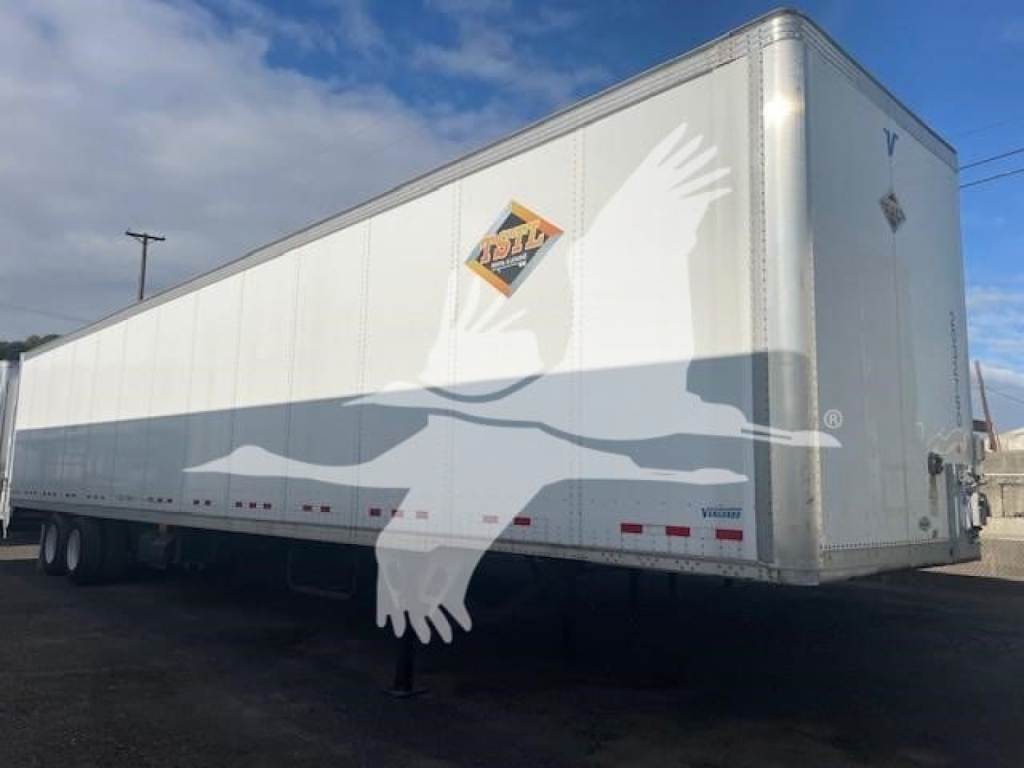
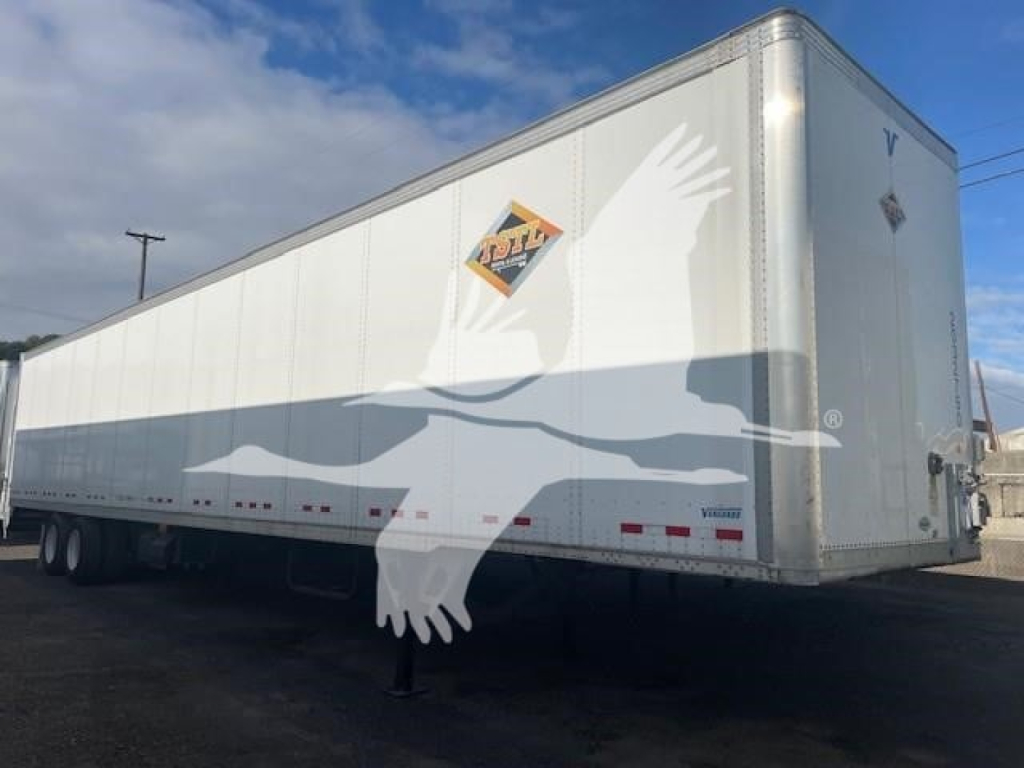
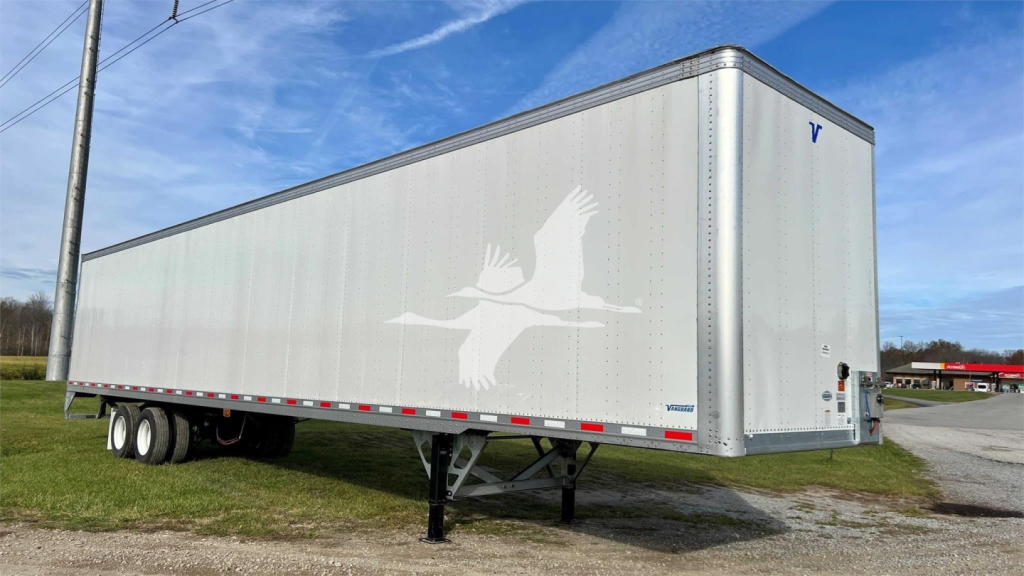
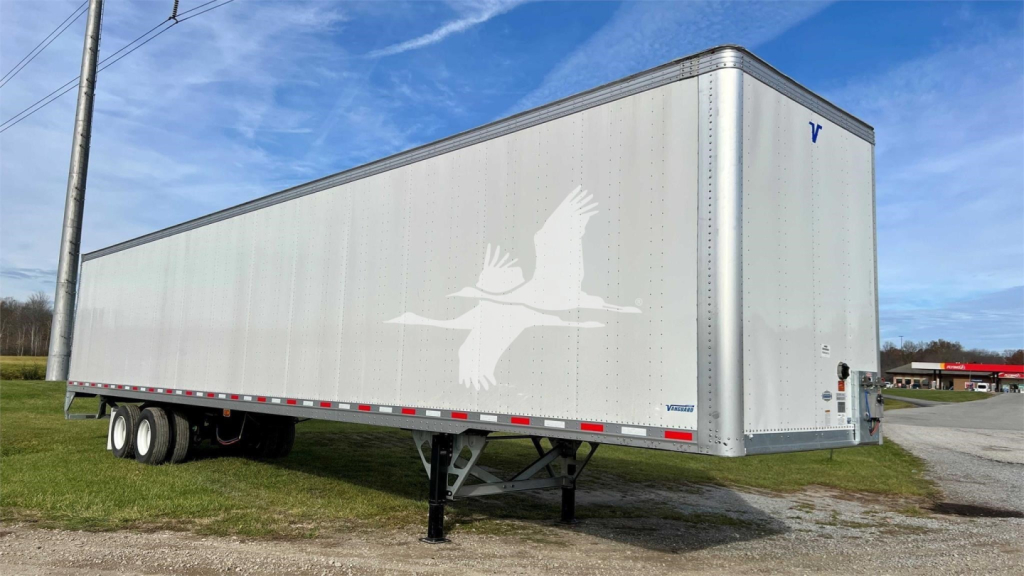
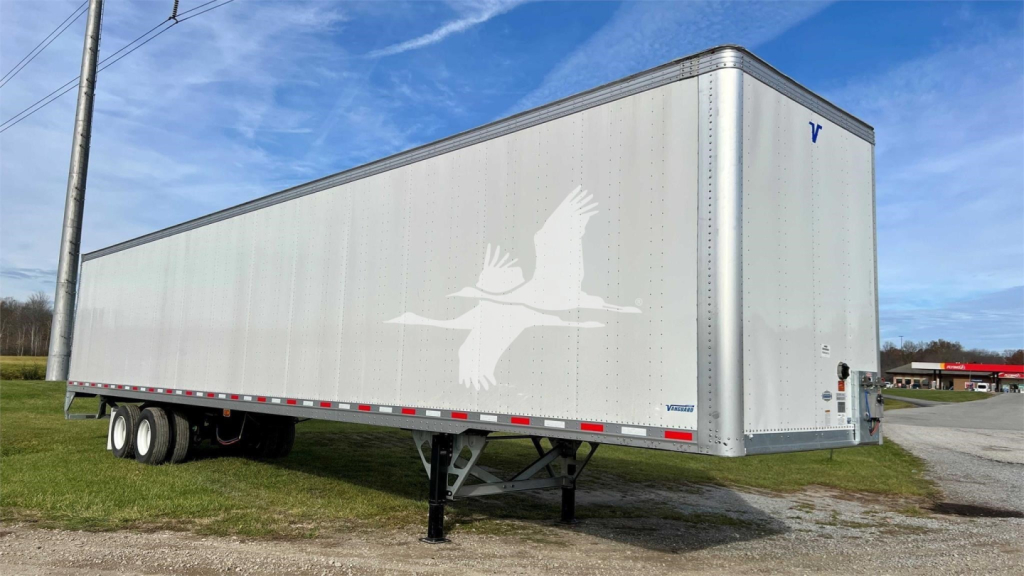
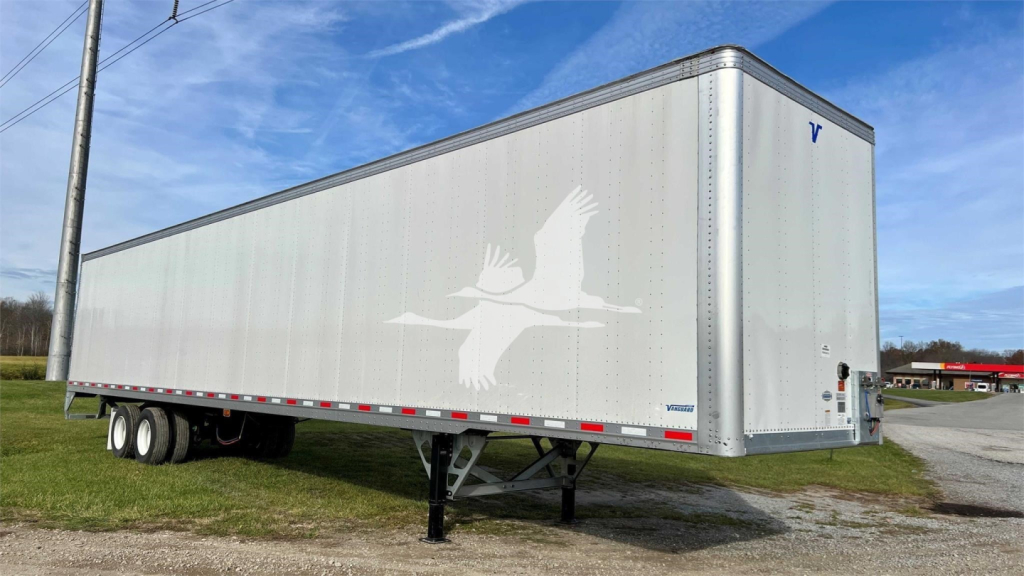
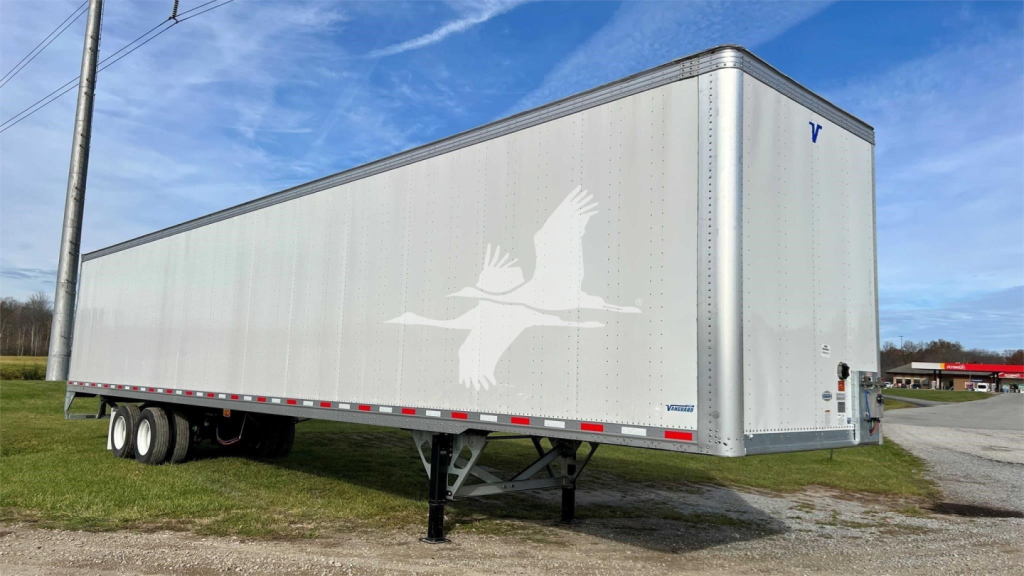
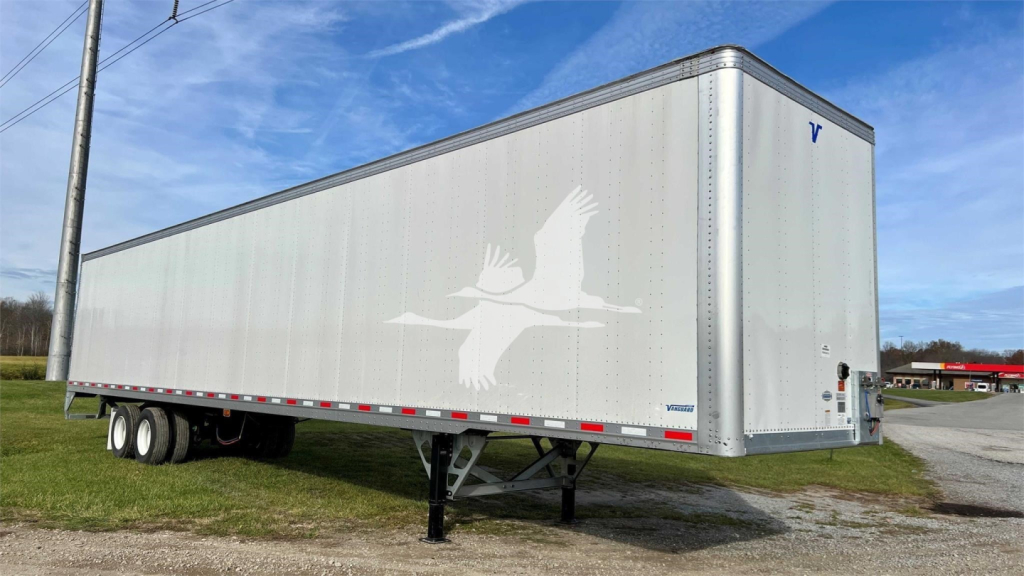
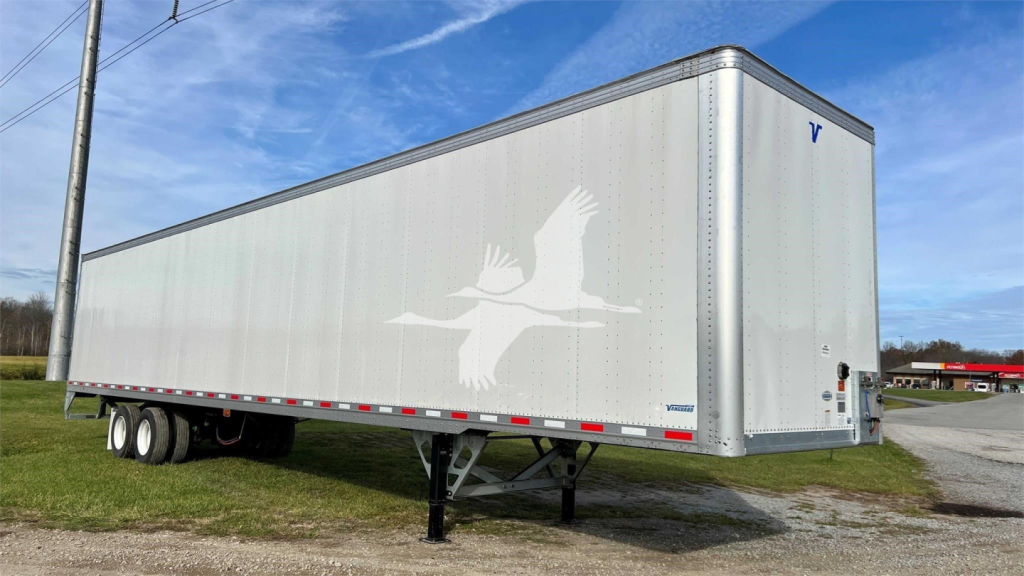
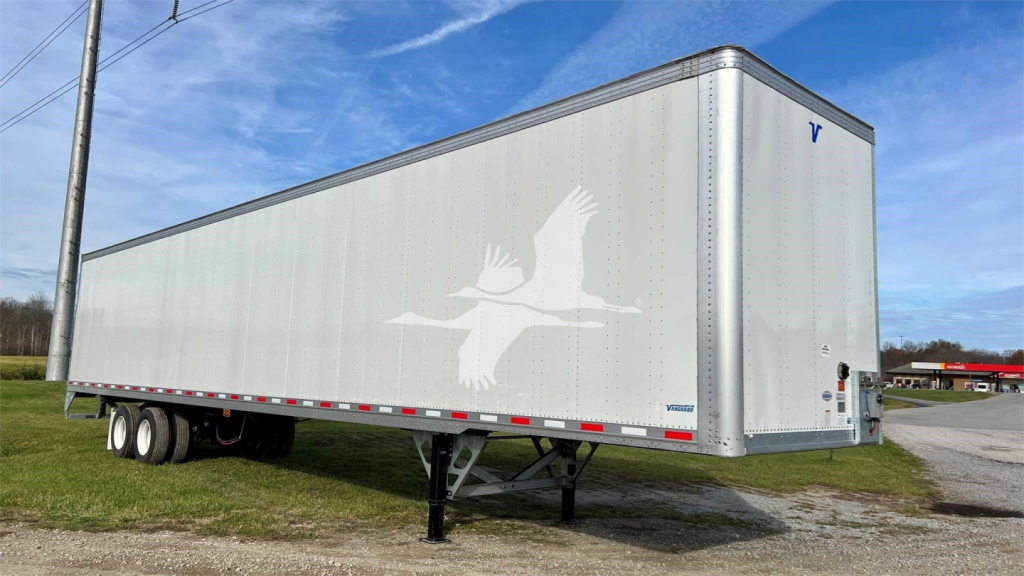
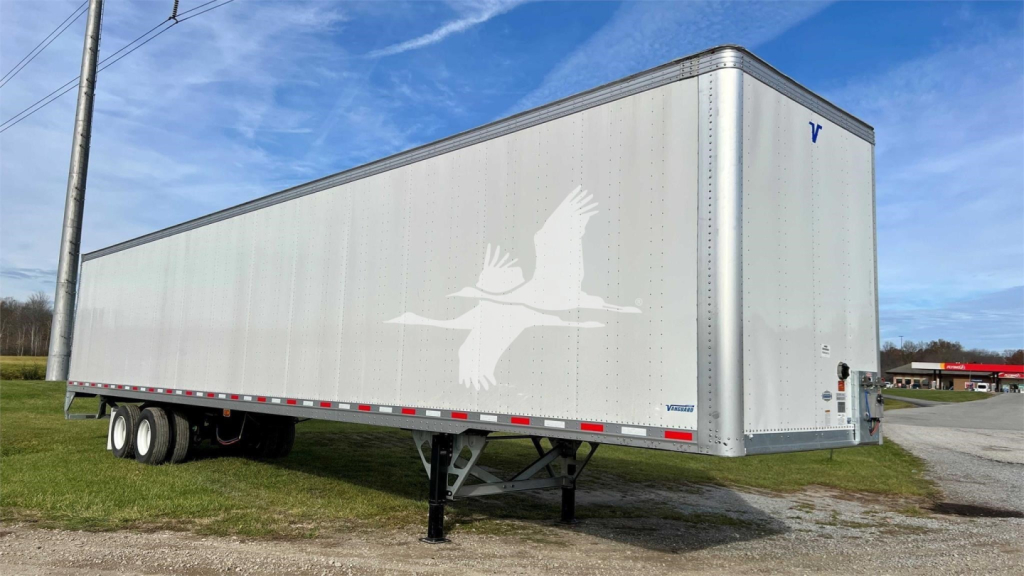
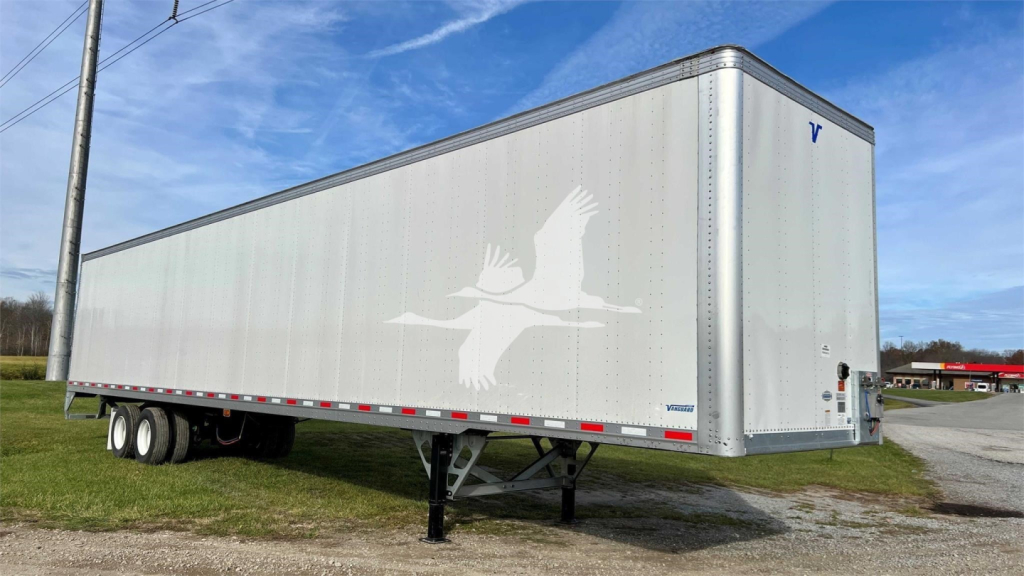
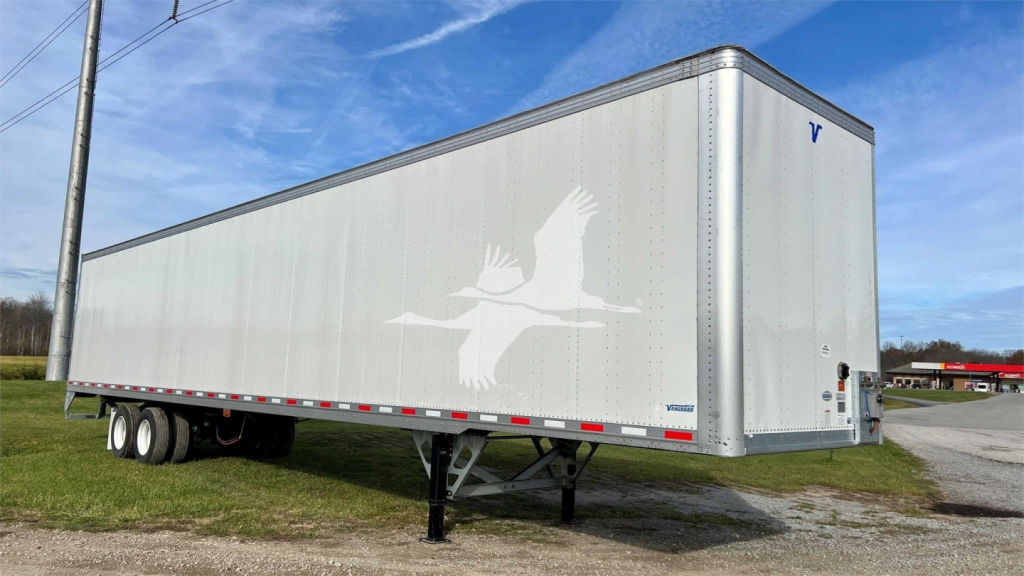
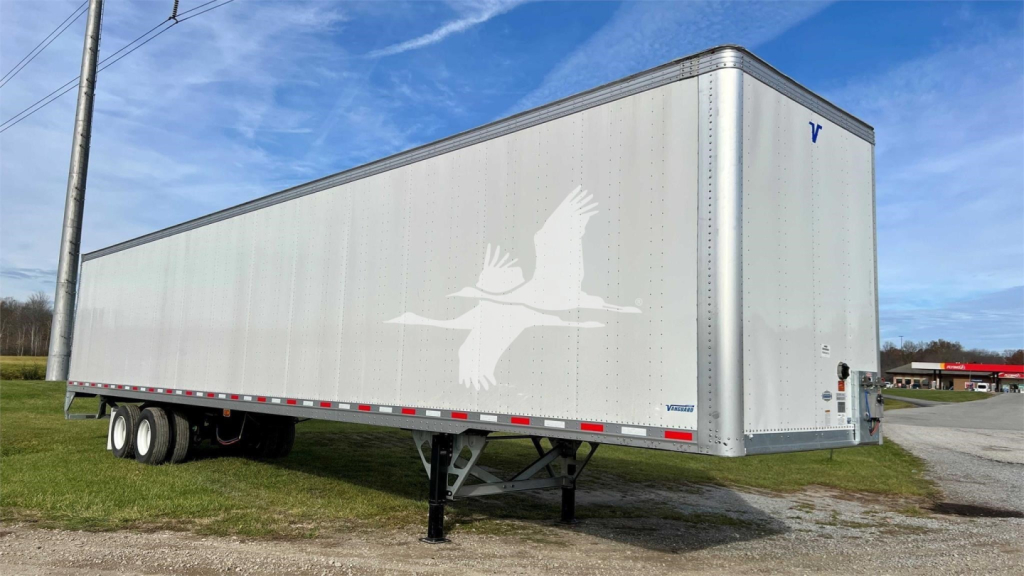
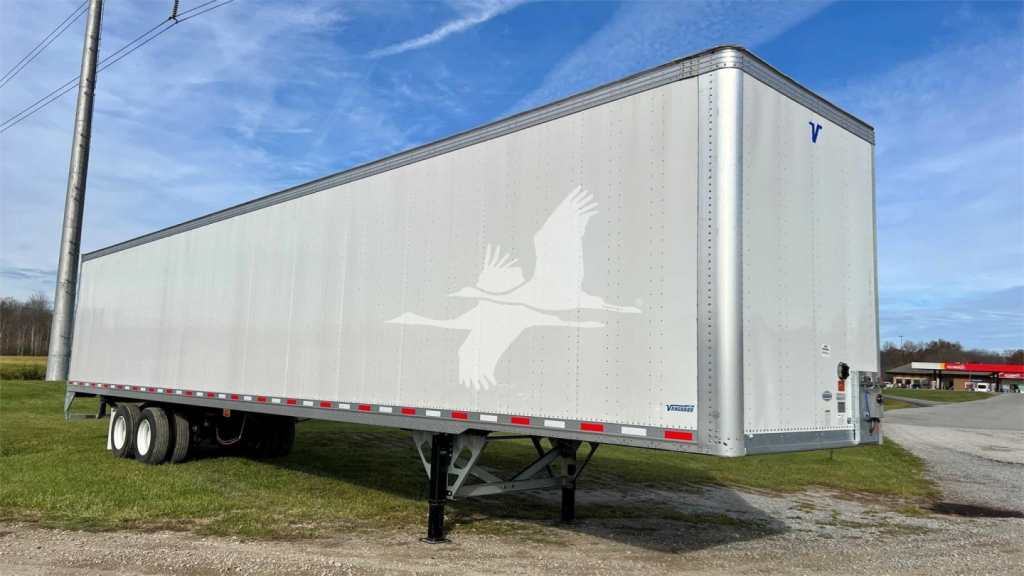
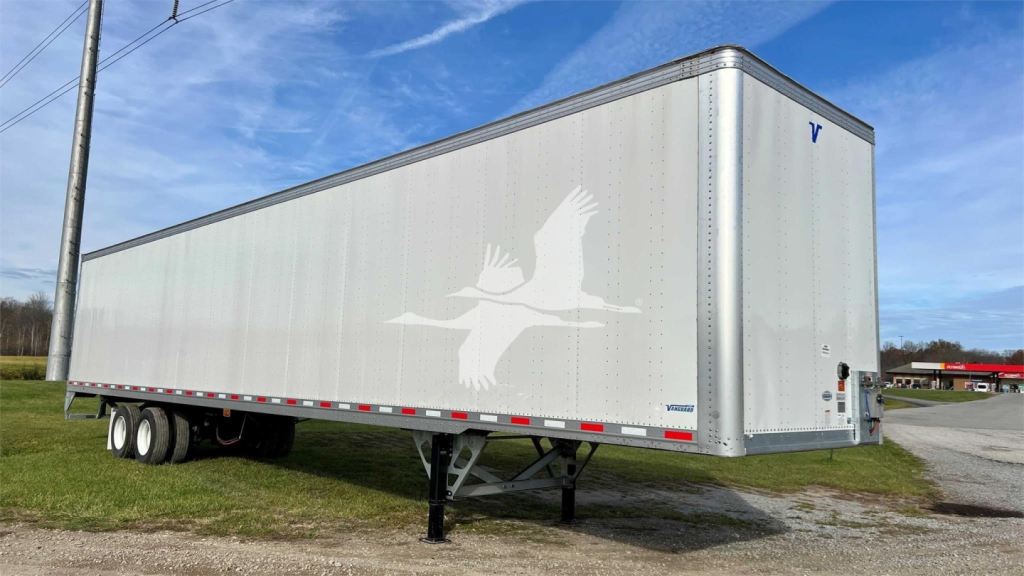
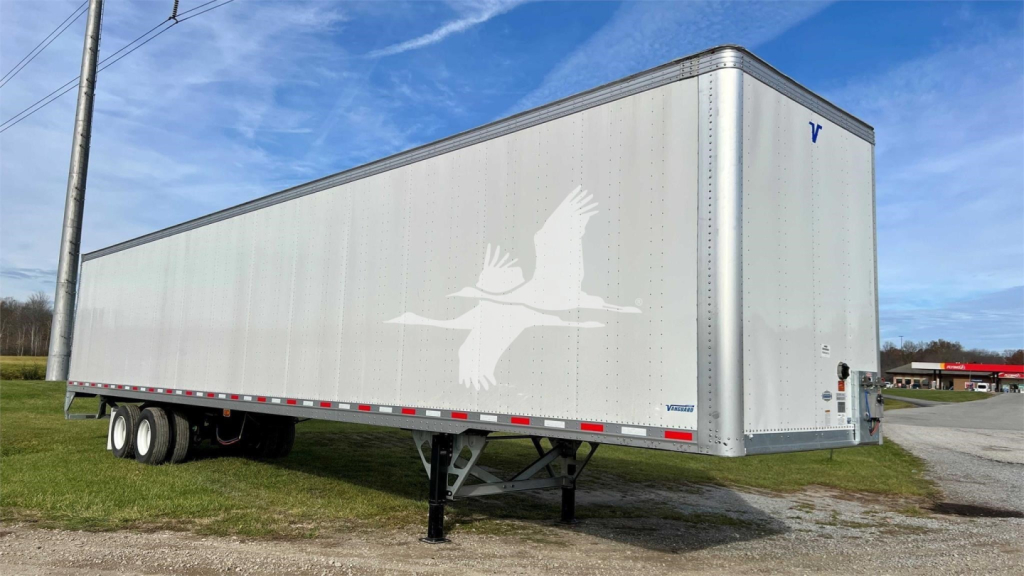
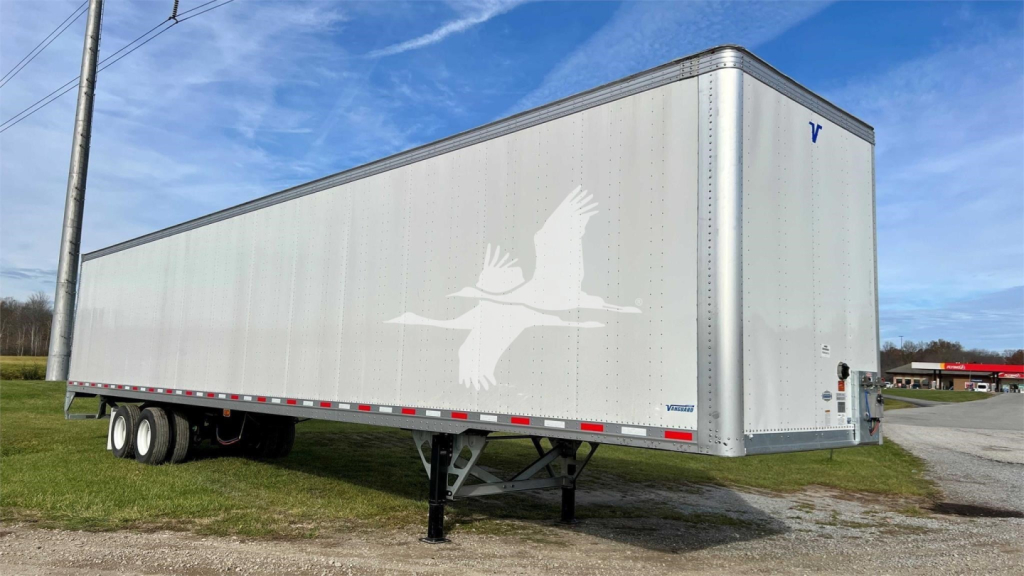
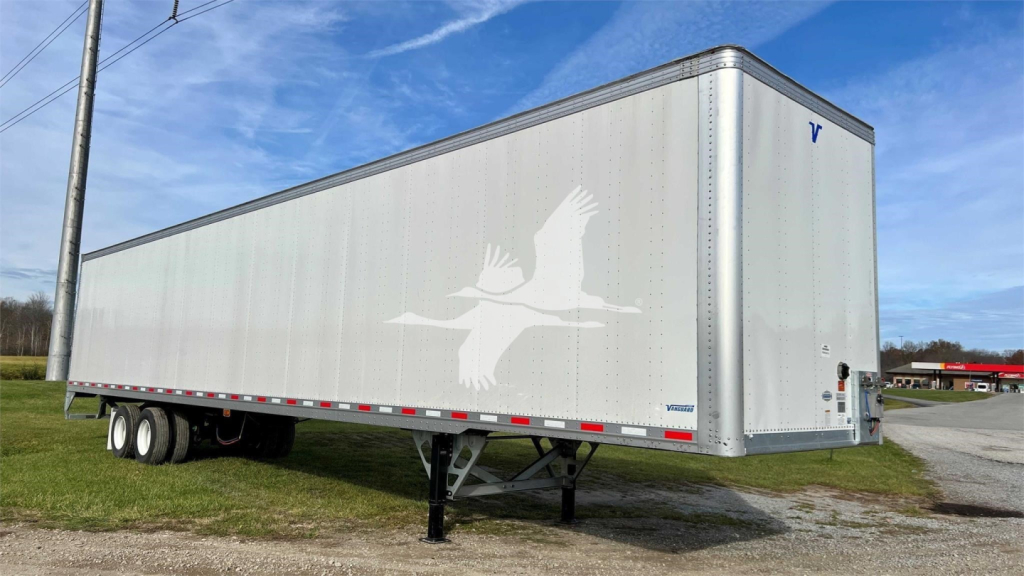
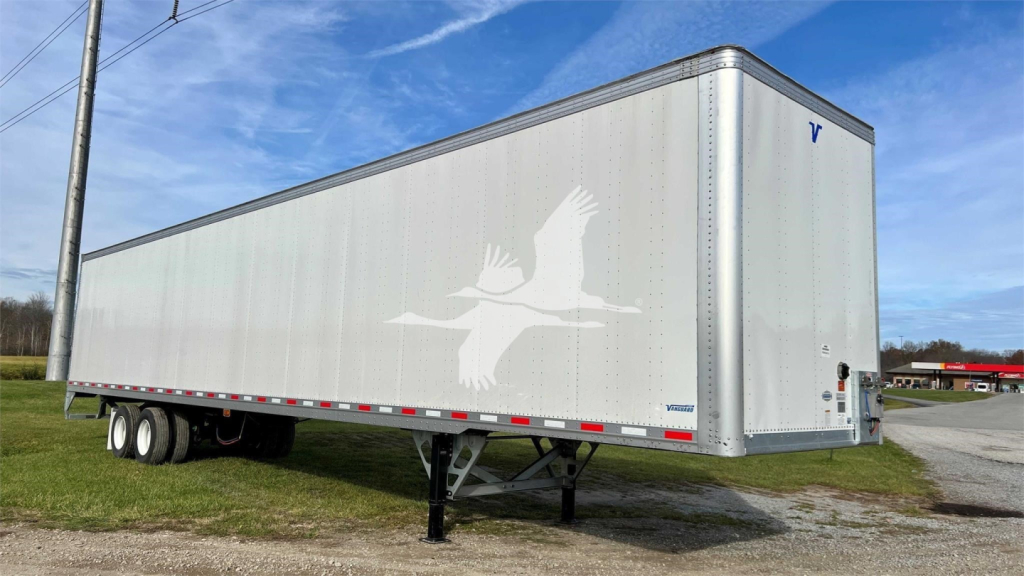

Showing 1 to 24 of 28 results
Have used 2020 vanguard van trailer to sell? List it here to reach thousands of buyers.
Used 2020 Vanguard Van Trailers
The first decision is often which body style fits the freight. Vanguard dry vans may be found in plate, sheet-and-post, or high-cube configurations such as the MaxCube, and those differences matter. A high-cube van can help on lighter, cube-out freight where interior width and usable volume drive revenue. Sheet-and-post construction can be attractive for buyers who want easier panel serviceability, while plate vans are often chosen for a clean exterior and straightforward fleet spec. Interior details deserve a close look on any used 2020 unit. Post spacing, side liner thickness, scuff height, roof material, threshold plate condition, and floor wear all affect how the trailer handles forklift traffic and load securement over time.
Running gear is where long-term cost shows up. Many 2020 Vanguard van trailers are spec'd with air-ride suspension and a 49-inch sliding tandem, a practical combination for ride quality, axle compliance, and loading flexibility. Check the kingpin setting, suspension brand, brake setup, wheel-end maintenance history, and the condition of the slider rails and locking pins. On dry vans that have spent time in heavy regional work, rear frame corrosion, door hardware wear, and dock impact damage are common checkpoints. Swing doors are still preferred by many buyers for durability and full opening access, while roll doors can make sense in route delivery applications where frequent stops matter more than maximum rear opening simplicity.
A used 2020 Vanguard van trailer can be a strong fit for private fleets, for-hire carriers, and owner-operators who want a modern trailer without stepping into new-trailer pricing. The key is matching the trailer's prior application and spec to the freight you plan to haul. Buyers hauling dense freight should pay close attention to empty weight and floor condition. Buyers focused on grocery, retail, or consumer goods should look closely at cube, logistics track layout, interior lining, and dock hardware. If the trailer will spend time in strict bridge-law markets or multi-state operations, tandem spread, kingpin placement, and overall compliance setup should be reviewed before purchase.
Frequently Asked Questions about Used 2020 Vanguard Van Trailers
What are the common specs on a used 2020 Vanguard van trailer?
A used 2020 Vanguard van trailer is commonly a 53-foot by 102-inch dry van with a 13-foot 6-inch overall height, tandem axles, air-ride suspension, and a sliding tandem. Many are equipped with logistics posts, aluminum roofs, oak floors, galvanized rear frames, steel or powder-coated wheels, and 295/75R22.5 tires. Exact specs vary by model and original fleet order, so body construction, interior lining, and door style should always be confirmed on the individual trailer.
What is the difference between a Vanguard MaxCube and other Vanguard van trailers?
The MaxCube name is generally associated with a high-cube dry van configuration designed to maximize usable interior space for freight that cubes out before it weighs out. Compared with a more conventional plate or sheet-and-post dry van, a MaxCube may offer wider usable interior dimensions or a layout aimed at volume-heavy freight. That can make it attractive for retail, paper, packaging, and other light but bulky loads. Buyers should compare interior width, post layout, and empty weight to see if the added cube aligns with their lanes.
What should I inspect first on a used 2020 Vanguard dry van?
Start with the floor, roof, sidewalls, rear frame, and doors because those areas reveal how the trailer was worked. Look for forklift damage in the floor, patched roof sections, sidewall delamination or impact repairs, rear threshold wear, and hinge or latch issues. Then inspect the suspension, brakes, tires, wheel ends, and tandem slider components. On fleet-spec vans, slider rail wear, locking pin function, and evidence of repeated dock strikes are especially important because those items affect both maintenance cost and everyday usability.
Are air-ride Vanguard van trailers better than spring-ride for most buyers?
For most dry van buyers, air-ride is the preferred suspension because it offers better ride quality, improved cargo protection, and broad acceptance in general freight service. It is especially useful for packaged consumer goods, electronics, paper products, and other freight that benefits from reduced vibration and shock. Spring-ride can still appeal in some lower-cost or specialized applications, but air-ride remains the more common fleet standard on late-model dry vans and is often easier to place into mainstream over-the-road service.
Is a used 2020 Vanguard van trailer a good choice for regional or over-the-road hauling?
Yes, a used 2020 Vanguard van trailer can work well in both regional and over-the-road applications if the spec matches the job. Regional buyers should focus on door durability, dock impact condition, and brake and tire wear because those trailers often see more stops and tighter yards. Over-the-road buyers usually pay closer attention to aerodynamic condition, maintenance history, suspension performance, and overall structural integrity. In either case, a 2020 model year trailer is new enough to offer modern fleet specs while still sitting below new-equipment pricing.