
2012 Vanguard Van Trailers For Sale in Pennsylvania
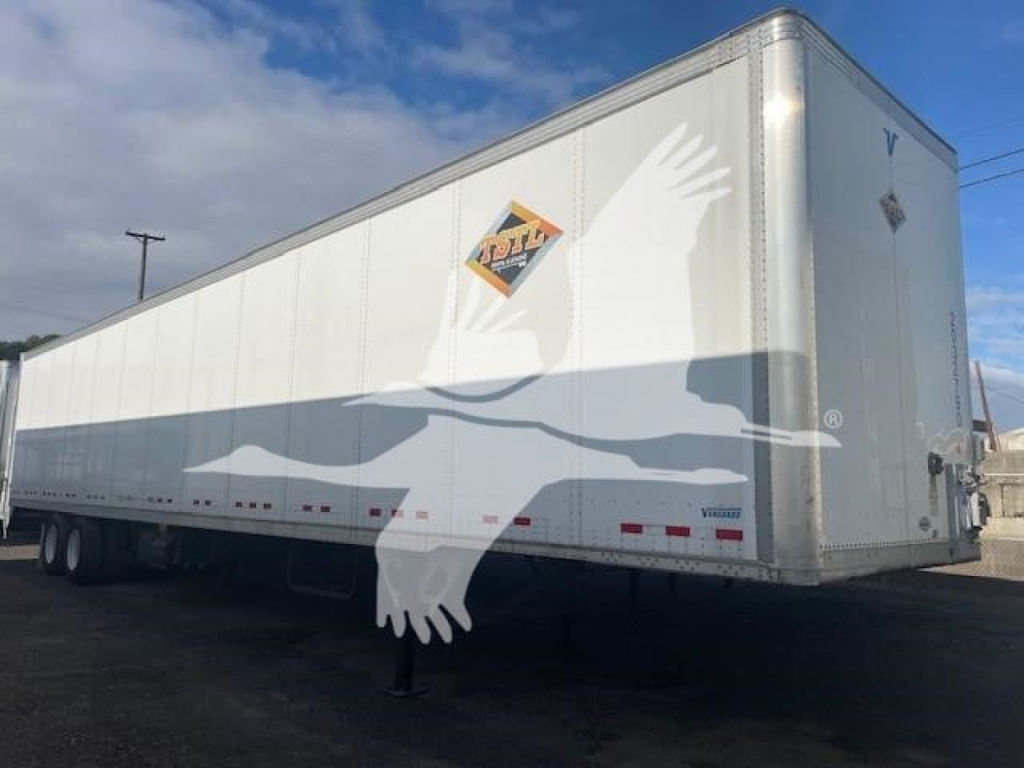
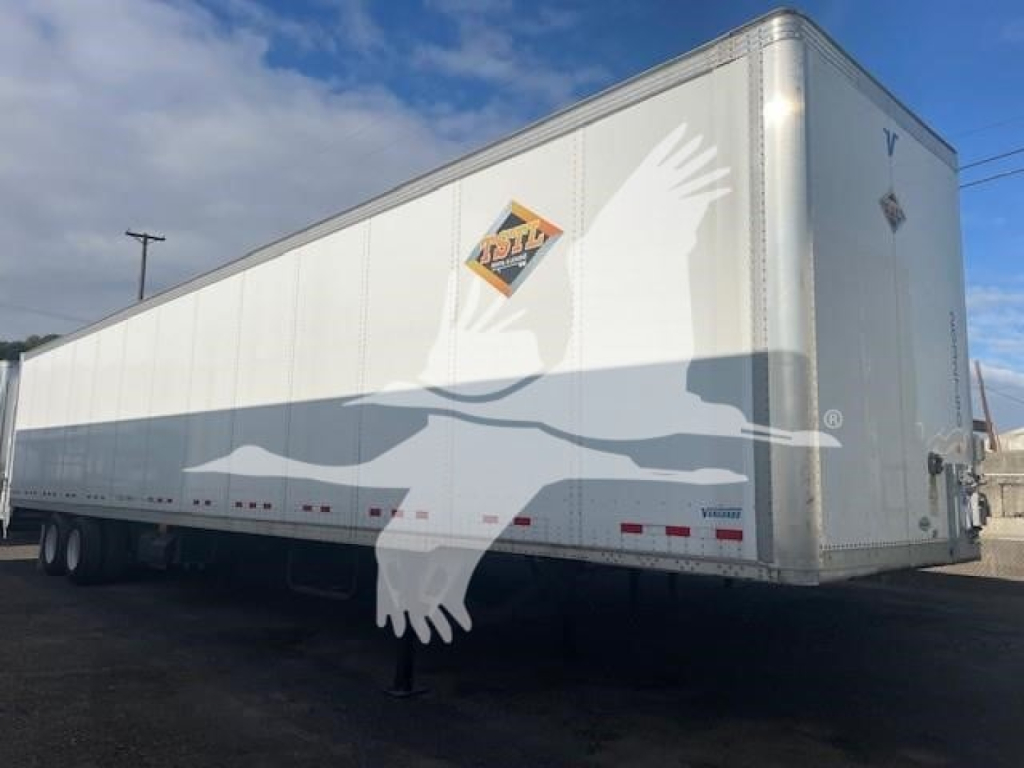
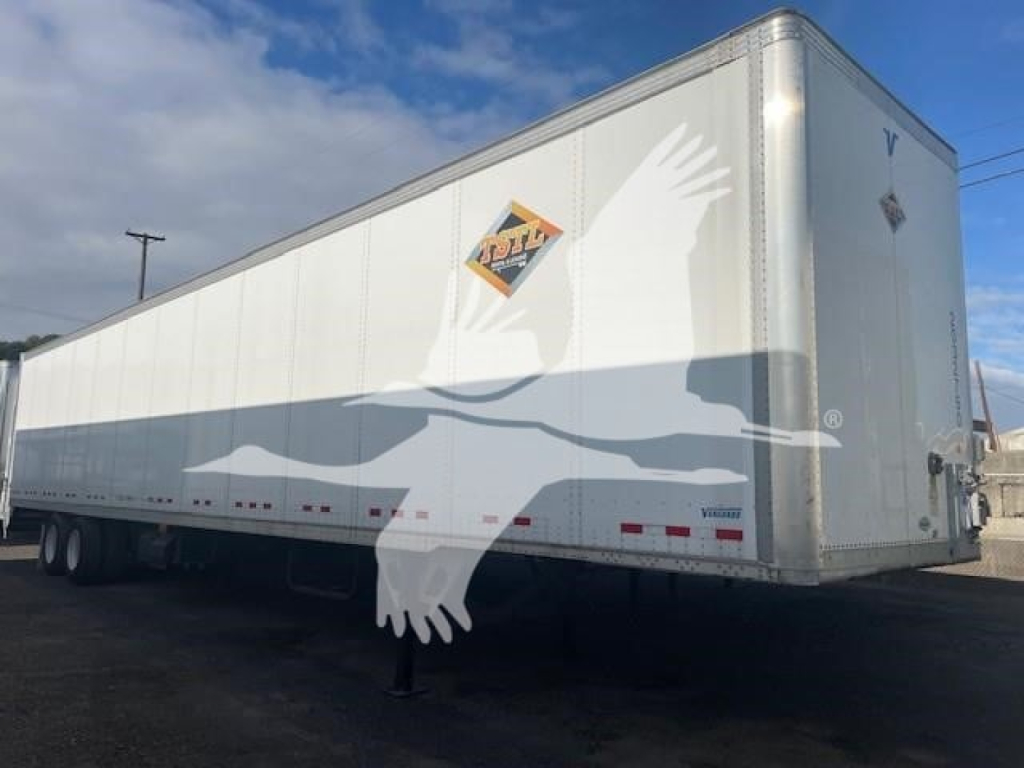
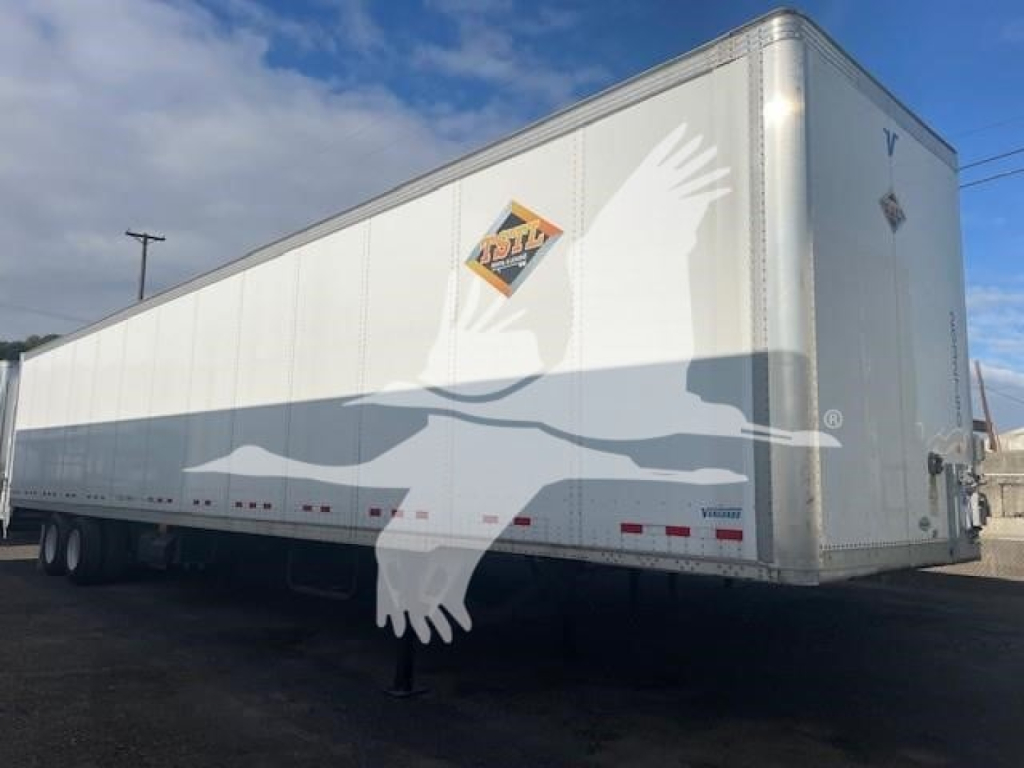
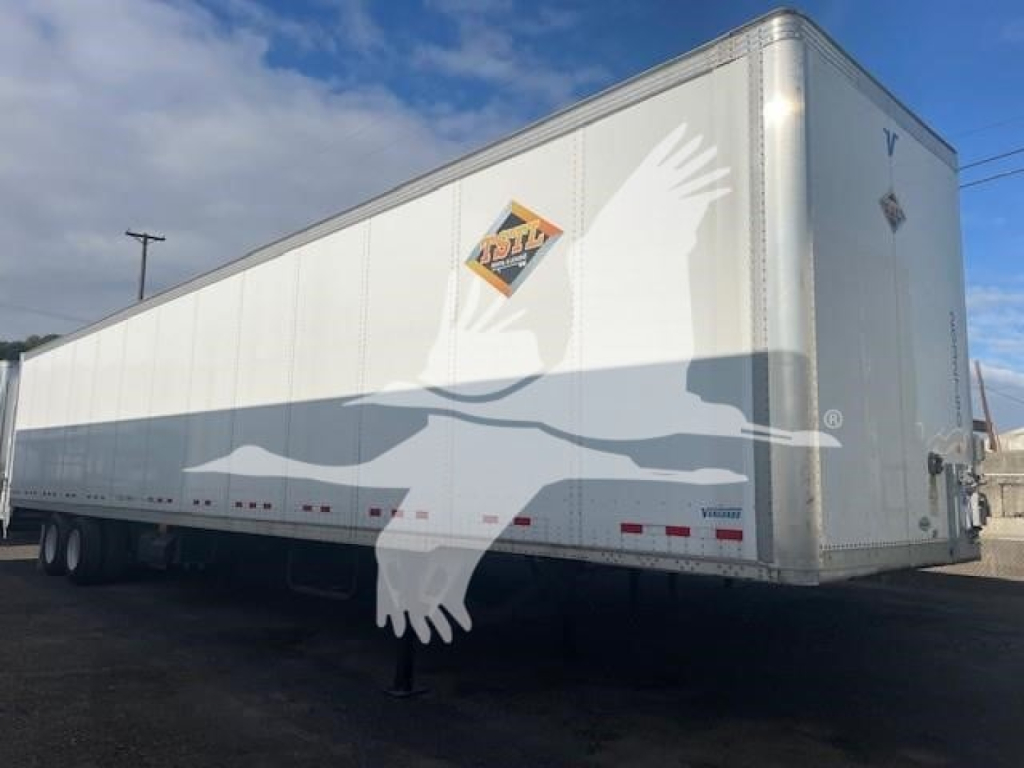
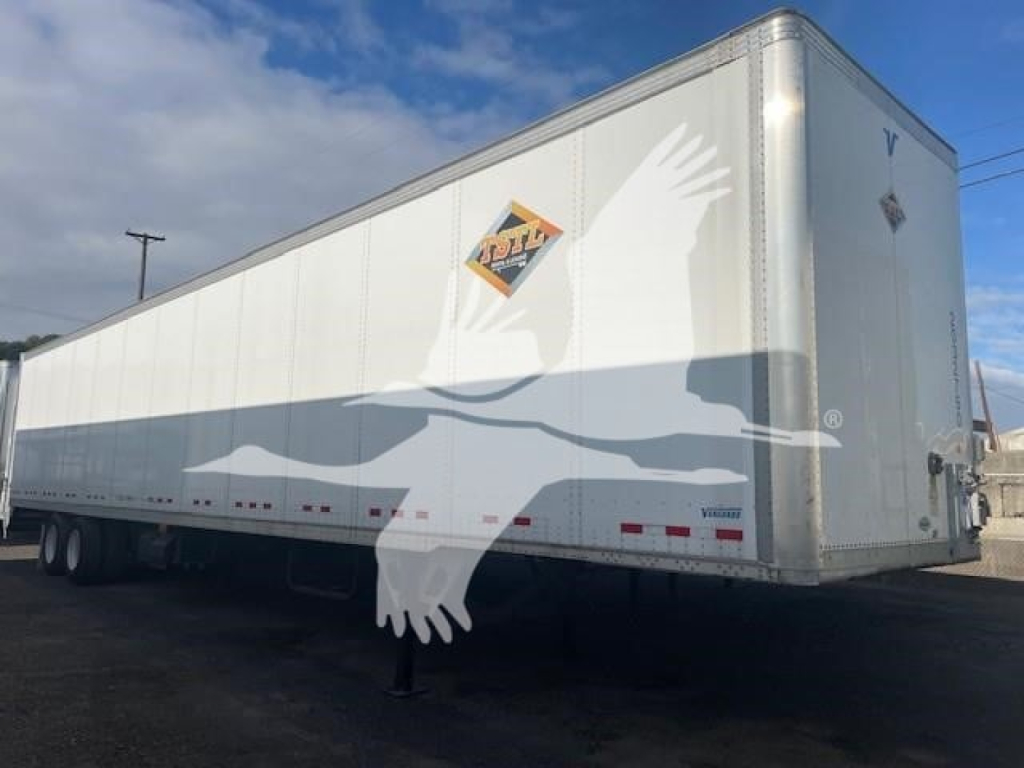
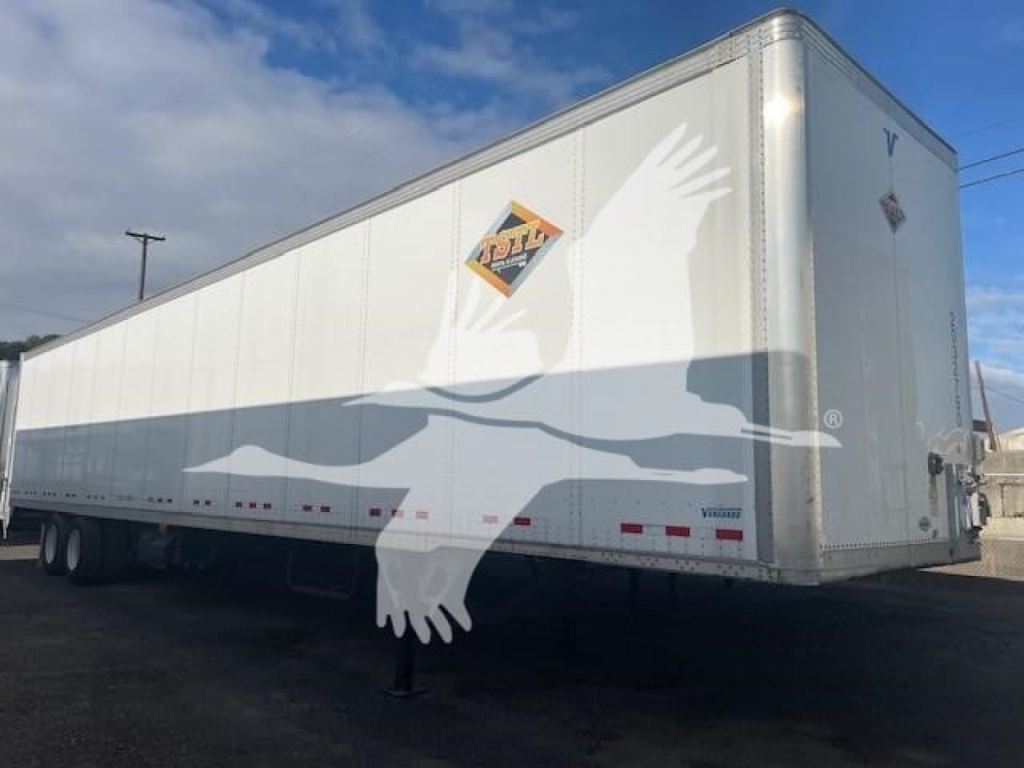
Shop 2012 Vanguard van trailers in Pennsylvania. Compare 53-foot dry vans, plate and sheet-and-post specs, air-ride sliders, and swing doors.
Have 2012 vanguard van trailer to sell? List it here to reach thousands of buyers.
2012 Vanguard Van Trailers in Pennsylvania
The biggest buying decision on a used Vanguard van is structure and floor condition. Plate vans use laminated or composite sidewall construction and are often favored for durability, a cleaner interior wall, and better resistance to day-to-day dock and forklift contact. Sheet-and-post versions can still be a solid value, but buyers should inspect posts, fasteners, scuff areas, and any signs of sidewall repairs or delamination. On a 2012 trailer, floor life is just as important as sidewall style. Check the oak floor for soft spots, excessive forklift rutting, threshold wear, rear sill damage, and crossmember fatigue, especially if the trailer spent years in dense LTL, grocery, or warehouse shuttle service.
Running gear specs on Vanguard dry vans in this class often include air-ride suspension, sliding tandem rails, standard 22.5-inch rubber, and galvanized or corrosion-resistant rear components depending on original build. A 36-inch kingpin setting and a 49-inch tandem setting are common reference points on fleet-spec trailers, but actual spec can vary. In Pennsylvania, trailer buyers should pay close attention to state inspection readiness, brake condition, bushing wear, tire date codes, wheel-end maintenance, and signs of corrosion from winter road treatment. Rear frame alignment, dock bumper condition, door seals, hinge wear, and landing gear performance also matter because these items directly affect daily uptime at shipping docks.
For buyers comparing listings, the real value of a 2012 Vanguard van trailer comes from maintenance history and how the trailer was spec'd for its previous operation. Features like full-height scuff liners, logistics track or posts, anti-snag roof bows, composite rear doors, and galvanized rear frames can make a meaningful difference in service life and repair cost. If the trailer will stay in regional freight, yard moves, or dedicated contract lanes, an older Vanguard dry van can still be a practical asset if the frame, floor, doors, and suspension are sound. The best units in this category are not defined by age alone. They are defined by structural condition, legal axle setup, and how well the trailer matches your freight profile.
Frequently Asked Questions about 2012 Vanguard Van Trailers in Pennsylvania
What should I inspect first on a 2012 Vanguard van trailer?
Start with the floor, roof, rear frame, and suspension. On a dry van of this age, floor damage from forklifts and repeated dock loading can be more expensive than cosmetic sidewall wear. Check for soft boards, cracked crossmembers, roof leaks, rear sill damage, door frame misalignment, and tandem slide wear. Then verify brake condition, tire age, wheel seals, ABS function, and landing gear operation. A clean title and solid structure matter more than appearance.
What is the difference between a plate van and a sheet-and-post van on a Vanguard trailer?
A plate van uses sidewall panels that create a smoother, more rigid wall structure, while a sheet-and-post van relies on exterior skin supported by vertical posts. Plate vans are often preferred in fleet service because they can hold up well to frequent loading and interior contact, especially when paired with good scuff protection. Sheet-and-post trailers can be lighter in some configurations and can still perform well, but buyers should inspect post lines, rivets, and sidewall repairs carefully on older units.
Are 2012 Vanguard dry vans still a good fit for over-the-road freight?
They can be, if the trailer has been maintained and the structure is still sound. Many 2012 dry vans remain useful in regional haul, warehouse shuttle, dedicated contract freight, and general van service. The deciding factors are floor integrity, suspension condition, brake system health, and door sealing. For over-the-road use, look closely at corrosion, alignment, tire condition, and evidence of water intrusion because those issues affect uptime and cargo protection.
What trailer specs are common on Vanguard van trailers from this period?
Common specs include a 53-foot length, 102-inch width, 13-foot 6-inch overall height, tandem axles, air-ride suspension, and a sliding tandem setup. Many were built with swing doors, oak floors, aluminum roofs, logistics posts, and scuff liners. Some fleet-spec units also include galvanized rear frames, reinforced bumpers, and composite door construction. Exact configuration varies by original customer, so it is important to confirm kingpin setting, tandem rail length, interior height, and sidewall type from the actual trailer.
Why does Pennsylvania use matter when buying a used van trailer?
Pennsylvania buyers often deal with weather exposure, road salt, and strict inspection expectations, so undercarriage condition deserves extra attention. Corrosion on rear frames, suspension components, brake hardware, and landing gear can shorten service life and add immediate repair cost. It is smart to inspect the trailer for rust around crossmembers, slider mechanisms, door hardware, and electrical connections. A trailer that is structurally solid and inspection-ready will usually cost less to put into service than a cheaper unit with hidden corrosion issues.