
Used Utility Van Trailers For Sale in North Carolina
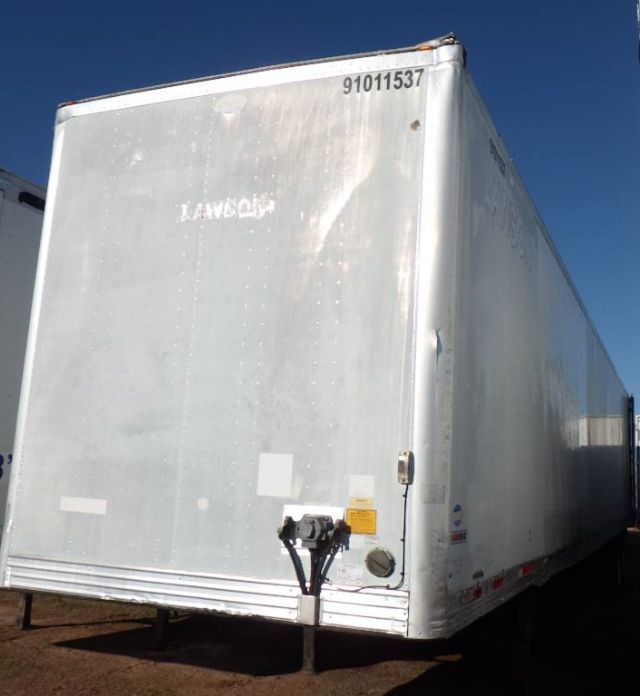
Shop used Utility van trailers, including 4000D-X models with air ride, sliding tandems, logistics posts, and durable dry freight specs.
Learn more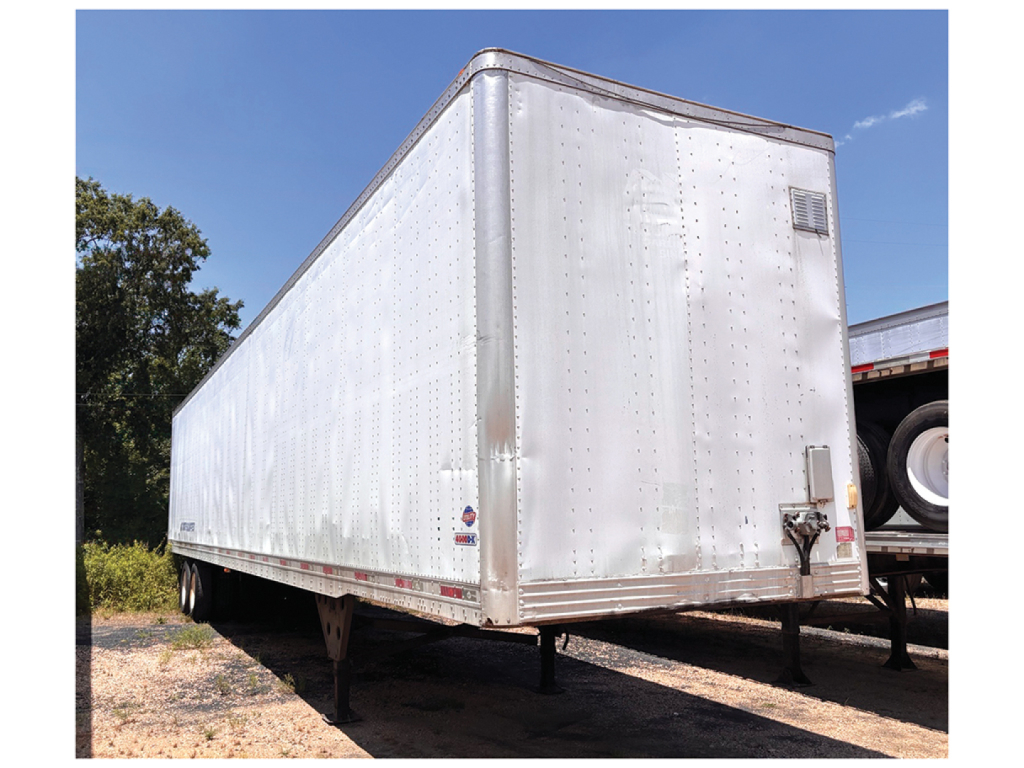

Have used utility van trailer to sell? List it here to reach thousands of buyers.
About Used Utility Van Trailers in North Carolina
A typical Utility dry van in this class is a 53-foot trailer with a 102-inch wide body and standard 13-foot 6-inch overall height. Many are built with aluminum roof components, aluminum side lining, scuff liners or scuff plate protection, wood flooring, and swing rear doors. Logistics posts or E-track style securement systems are especially important if the trailer will handle mixed freight, load bars, or high cube palletized cargo. Sliding tandems matter for bridge law compliance and dock positioning, while air ride suspension remains a preferred spec for shippers moving freight that is sensitive to vibration and shock.
Construction details matter on a used Utility van trailer because repair history and wear patterns can tell you a lot about remaining service life. Check the floor for rot, delamination, patched sections, and excessive fork damage around the threshold and first several feet inside the rear doors. Inspect the roof, upper rails, front wall, and side panels for impact damage, water intrusion, and previous panel repairs. On older trailers, door frame alignment, hinge wear, and signs of crossmember fatigue are worth close attention. If the trailer has tire inflation systems, side skirts, or other fuel-economy features, confirm those components are complete and serviceable rather than partially removed or bypassed.
For North Carolina buyers, used Utility van trailers are often well suited to regional distribution, port-related freight, and long-haul lanes moving through the Southeast. Utility trailers tend to be easy to keep in service because parts availability, shop familiarity, and market acceptance are strong. The best buying decision usually comes down to matching the trailer’s prior duty cycle to your freight. A logistics-equipped air ride van with a sound floor and straight body is a practical fit for general freight, while a lighter-spec older unit may still pencil out for short-haul warehouse transfers or lower-mileage dedicated work.
Frequently Asked Questions
What are the most important things to inspect on a used Utility van trailer?
Start with the floor, rear frame, roof, and suspension. The floor often shows the true working history of a dry van, especially near the rear threshold where forklifts do the most damage. Look for soft spots, patched boards, exposed fasteners, and signs of moisture intrusion. Then inspect the rear door frame, hinges, and seals, followed by sidewall condition, crossmembers, air ride components, brakes, and tire wear. A straight body with a solid floor and consistent maintenance history is usually more important than cosmetic appearance.
What is the difference between a Utility 4000D-X and a composite dry van?
The difference usually comes down to body construction and operating priorities. A 4000D-X aluminum van is known for durability, lighter weight, and broad acceptance in general freight service. Composite-side configurations can offer smooth wall construction and good damage resistance in certain applications, but condition and repair quality matter more than the label alone on a used trailer. Buyers should compare tare weight, sidewall condition, repairability, and the type of freight the trailer will carry.
Is air ride suspension worth it on a used dry van trailer?
In most general freight operations, yes. Air ride helps protect cargo from road shock and is commonly preferred by shippers handling packaged consumer goods, retail freight, and other palletized loads. It can also support better ride quality across long regional and over-the-road lanes. On a used trailer, the value depends on condition. Inspect air bags, shocks, valves, and suspension alignment carefully because deferred maintenance can offset the benefit of the spec.
Why do logistics posts matter on a van trailer?
Logistics posts increase cargo securement flexibility. They allow the use of load bars, straps, and decking systems to stabilize mixed freight and reduce product movement in transit. This matters for carriers handling multi-stop loads, partial shipments, or customers with strict load securement requirements. A trailer with posts on close centers is often more versatile and easier to dispatch across different freight types than a plain-wall van.
Are sliding tandems important on a used 53-foot van trailer?
Sliding tandems are important for both legal compliance and daily usability. They help with axle weight distribution, bridge law positioning, and dock approach flexibility. In practical terms, they make it easier to adapt one trailer to different loads and customer facilities. On a used van trailer, check that the slider mechanism, pins, rails, and locking system operate correctly and show no signs of severe rust, impact damage, or neglected maintenance.