
2020 Utility Van Trailers For Sale

Have 2020 utility van trailer to sell? List it here to reach thousands of buyers.
2020 Utility Van Trailers
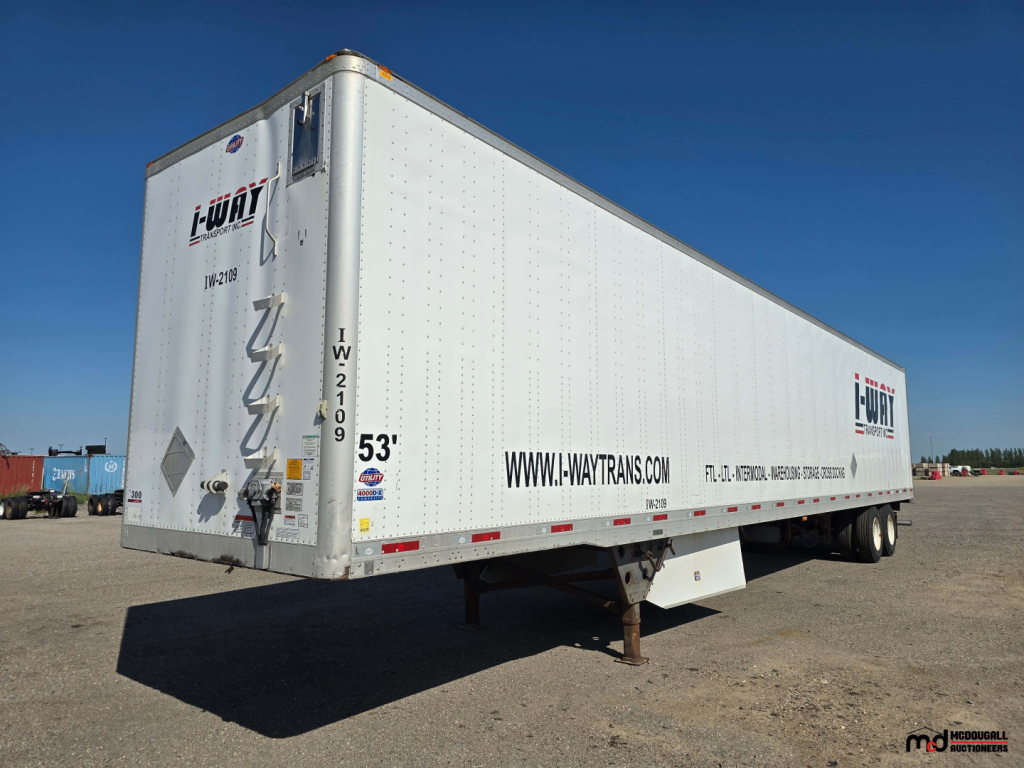
On this model-year range, buyers usually look closely at body construction and interior readiness. Utility is well known for aluminum van trailer construction that balances durability with tare weight, and many trailers in this class include wood floors, scuff liners or scuff plates, threshold plates, and logistics posts for load securement flexibility. Stainless steel front radius panels and stainless steel rear door frames are also common value points because they help with impact resistance and long-term appearance in fleet service. Swing doors remain the most common rear door setup for dry van work, especially in dock-high operations where simplicity and serviceability matter.
Running gear and brake spec can make a bigger difference in operating cost than many buyers expect. Air ride suspension is common on Utility van trailers and is preferred for ride quality, cargo protection, and broad shipper acceptance. Sliding tandems matter for bridge law compliance, dock positioning, and load distribution, especially in regional and irregular-route freight. Tire inflation systems are a desirable option for fleets trying to reduce roadside calls and improve tire life. Buyers should also compare wheel and tire setups such as 22.5 low-profile tires versus 11R22.5, along with drum versus disc brakes, because those choices affect maintenance intervals, parts cost, and braking performance.
Condition still comes down to the same inspection points that matter on any used dry van. Check roof condition, sidewall repairs, floor wear at high-traffic zones, door frame alignment, crossmember integrity, and signs of damage around the nose, rear sill, and tandem slider area. On a 2020 Utility van trailer, maintenance history, prior fleet use, and current trailer spec often matter more than odometer-style age alone. Buyers comparing listings should pay attention to lining type, venting, logistics equipment, suspension, tire condition, and whether the kingpin setting and tandem spread match the lanes they plan to run.
Frequently Asked Questions about 2020 Utility Van Trailers
What are the most common specs on a 2020 Utility van trailer?
Most 2020 Utility van trailers are standard 53-foot dry vans built to 102 inches wide and 13 feet 6 inches high. Common specs include aluminum construction, swing doors, wood flooring, scuff plates or scuff liners, air ride suspension, and sliding tandems. Many are also equipped with logistics posts, tire inflation systems, and either 22.5 low-profile or 11R22.5 tire setups.
Is a 2020 Utility van trailer a good choice for general freight?
Yes. A 2020 Utility dry van is well suited for general freight, palletized goods, retail freight, consumer products, and dedicated warehouse-to-store lanes. The standard dry van configuration protects cargo from weather and theft better than open-deck equipment, and Utility trailers are widely accepted by shippers, carriers, and maintenance networks across the country.
What should I inspect first on a used 2020 Utility dry van trailer?
Start with the floor, roof, rear frame, and tandem slider assembly. Floor damage from forklifts, patched roof sections, bent rear structures, and excessive wear in the slider rails can all turn into expensive repairs. After that, inspect tire condition, suspension components, brake type and wear, door operation, sidewall condition, and the interior lining or logistics track setup to confirm the trailer matches the freight you plan to haul.
Are air ride and sliding tandems important on a Utility van trailer?
For most buyers, yes. Air ride suspension improves ride quality and helps protect sensitive freight, which is important in food, retail, and packaged goods service. Sliding tandems give the driver more flexibility with axle weight distribution, bridge law compliance, and dock approach positioning. Those two features are common on fleet-spec dry vans because they improve versatility in day-to-day operations.
How do disc brakes and tire inflation systems affect long-term ownership?
Disc brakes can improve stopping performance and often simplify brake inspection and service compared with traditional drum setups, though parts cost and shop familiarity should still be considered. Automatic tire inflation systems help maintain proper pressure across the trailer tires, which can reduce irregular wear, improve fuel efficiency, and lower the chance of roadside tire failures. For higher-mileage operations, both options can support lower downtime when the trailer is maintained properly.