
2015 Utility Van Trailers For Sale
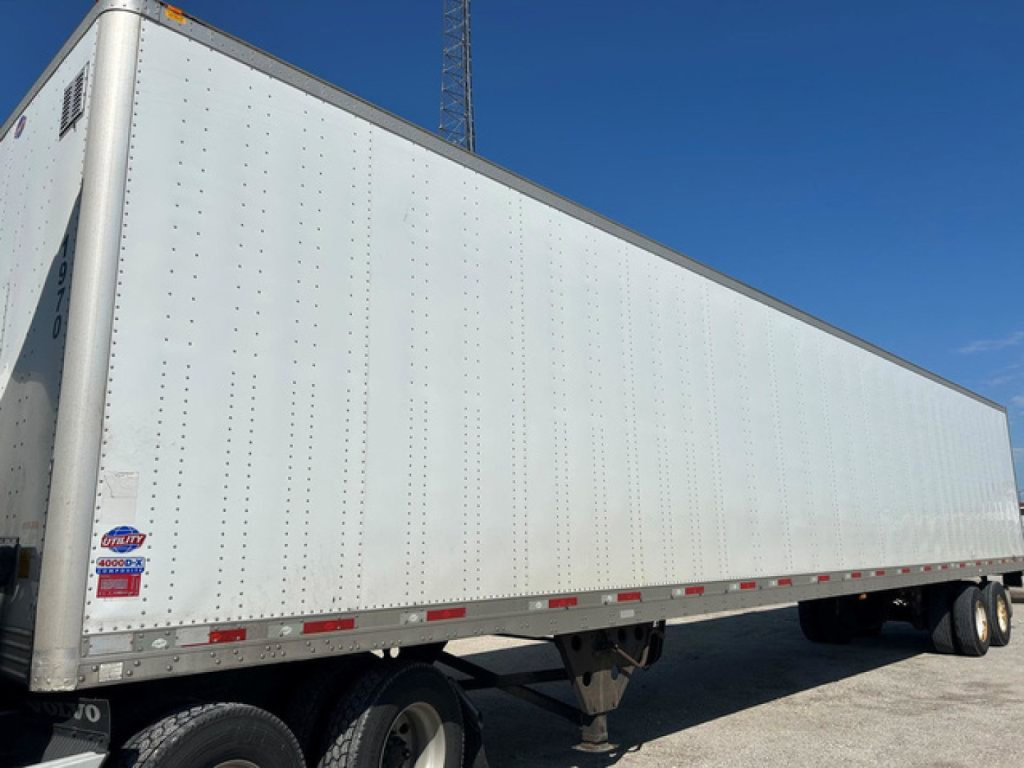
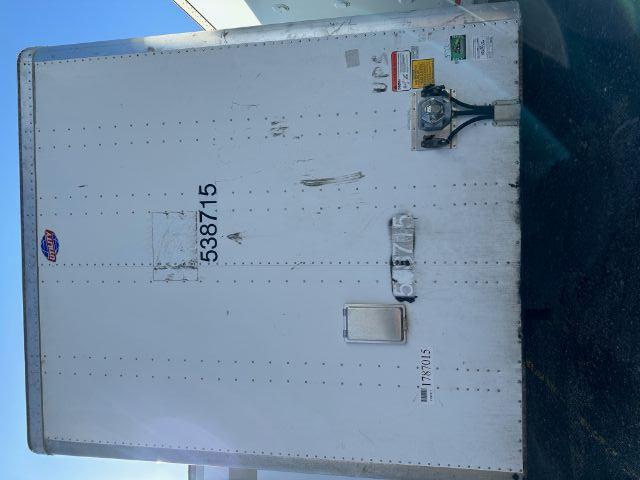
Shop 2015 Utility van trailers, including popular 53x102 dry vans with air ride, slider tandems, swing doors, and fleet-friendly specs.

Have 2015 utility van trailer to sell? List it here to reach thousands of buyers.
2015 Utility Van Trailers
Utility dry vans in this class are often spec'd with air ride suspension, 22.5 tires, and tandem sliders to help with bridge law compliance and axle adjustments across different freight lanes. Rear swing doors are common and still preferred by many fleets for durability and full opening access at docks. Aluminum roof construction is typical, and many units are equipped with wood floors, high base rails, and plated trailer packages for added durability in repeated forklift loading. Buyers should inspect crossmember condition, floor wear at high-traffic zones, roof bows, upper coupler area, rear frame, threshold, and door hardware. If a trailer has a tire inflation system such as PSI, confirm that the lines, hubs, and warning components are intact and serviceable.
A 2015 model year sits in a practical middle ground for many operations. It is old enough to offer a lower acquisition cost than late-model dry vans, but still modern enough to fit standard fleet use if maintenance has been consistent. Utility trailers are known for widespread service familiarity, which can simplify repairs and reduce downtime. For linehaul and regional freight, check suspension bushing wear, slider locking pin operation, brake condition, ABS function, and tire age along with remaining tread depth. For shippers handling paper goods, food packaging, or consumer products, interior condition is equally important. Look for sidewall damage, moisture intrusion, floor delamination, and any evidence of heavy concentrated loading.
If the trailer will run dense freight, tare weight and floor rating deserve close attention. If it will stay in high-turn urban distribution, door seals, dock bumper condition, and rear frame alignment become more important. Utility van trailers are also known as dry van trailers, enclosed van trailers, or box trailers in some fleet conversations, though dry van is the standard industry term. A well-kept 2015 Utility van can still be a productive trailer for dedicated contract freight, warehouse shuttles, regional distribution, or backup fleet capacity, provided the structure, running gear, and interior have been evaluated with the same scrutiny as the price.
Frequently Asked Questions about 2015 Utility Van Trailers
What are the most common specs on a 2015 Utility van trailer?
Most 2015 Utility dry vans in the market are 53 feet long and 102 inches wide, with tandem slider axles, 22.5 tires, air ride suspension, and rear swing doors. Many are built with aluminum roofs, wood floors, and either steel or aluminum wheels. Exact specifications vary by original fleet order, so buyers should verify axle setup, floor construction, wheel-end configuration, and any added features such as PSI tire inflation systems or plated trailer packages.
What should I inspect first on a used 2015 Utility dry van?
Start with the floor, rear frame, roof, sidewalls, and tandem slider. Floor integrity is critical because forklift traffic and concentrated pallet loads can create hidden weakness long before exterior issues show up. Then inspect brakes, tires, wheel ends, suspension wear points, ABS operation, and kingpin area condition. A sound dry van should also have straight doors, good seals, a solid threshold, and no signs of chronic water intrusion.
Is a 2015 Utility van trailer a good fit for over-the-road freight?
Yes, a properly maintained 2015 Utility van trailer can still be a strong choice for over-the-road and regional freight. Utility dry vans are widely used in general freight service because they are compatible with standard dock operations, common loading patterns, and broad parts availability. The key factor is not the model year alone, but structural condition, maintenance history, and how closely the trailer's original spec matches the intended freight and lane requirements.
Are swing doors better than roll-up doors on a Utility van trailer?
Swing doors are generally more common on full-size dry vans and are often preferred for linehaul and dock-based freight because they provide a full-height, full-width opening and tend to be simpler and more durable over time. Roll-up doors can be useful in certain delivery applications, but they add weight and reduce interior clearance at the rear opening. For most 2015 Utility van trailer buyers, swing doors remain the standard choice unless the trailer is being used for specialized route work.
Why do buyers look for air ride and slider tandems on dry vans?
Air ride suspension helps protect freight, improves ride quality, and is widely accepted across fleet applications. Slider tandems give operators flexibility for axle weight distribution, bridge compliance, and maneuvering around customer requirements. On a 2015 Utility van trailer, those two features are especially valuable because they expand the trailer's usefulness across different loads and lanes, which can make an older dry van easier to keep working productively.