
Used Van Trailers For Sale in Ontario
Browse used van trailers for sale in Ontario, including 48-ft and 53-ft dry vans with air ride, swing or roll-up doors, and sliding tandems.
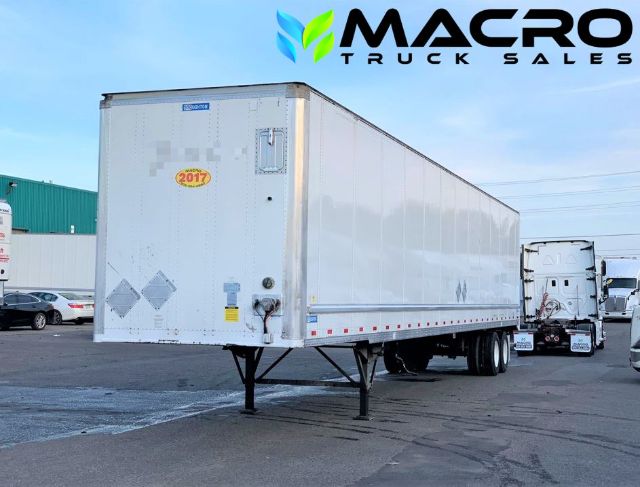
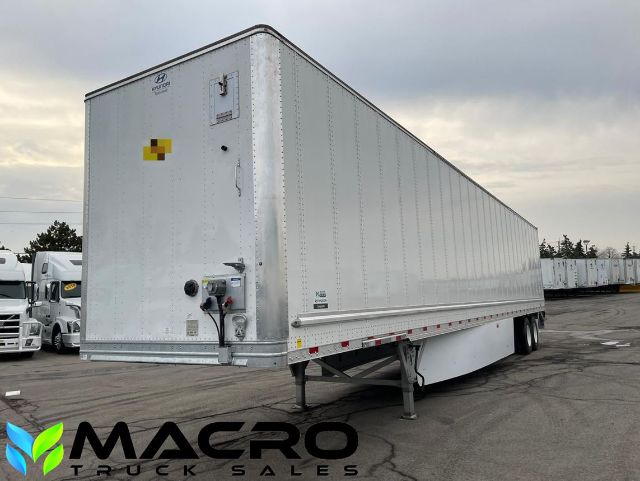
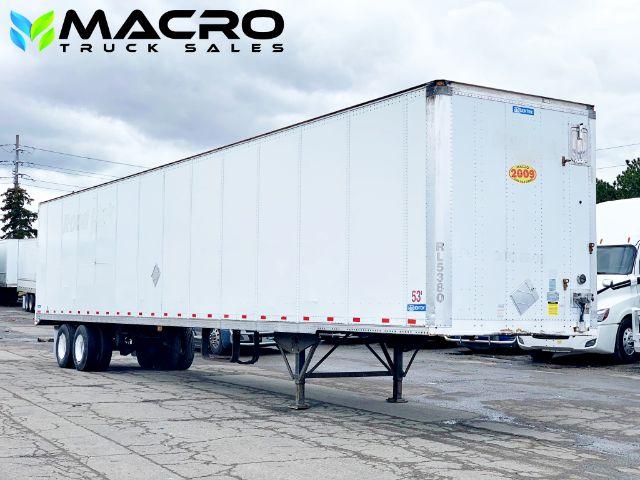
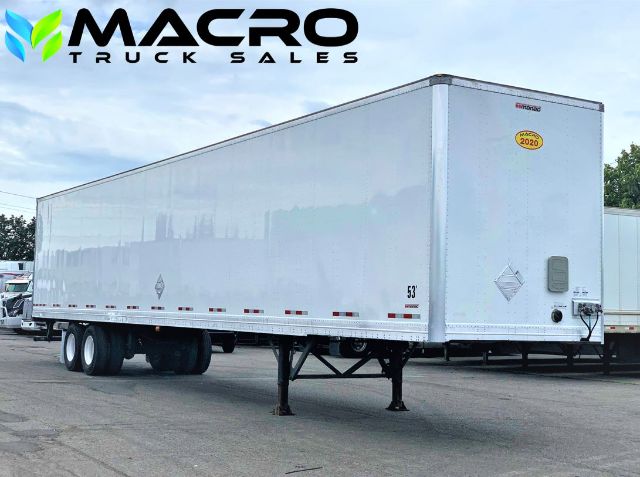
Have used van trailer to sell? List it here to reach thousands of buyers.
Used Van Trailers in Ontario
Spec decisions on a used van trailer usually come down to suspension, tandem arrangement, floor condition, and lining. Air ride suspension is popular for freight protection and driver acceptance, while spring ride can still make sense in tougher vocational use where simplicity matters. Sliding tandems are standard on many 53-foot vans because they help with bridge law compliance, axle weight distribution, and dock positioning. Inside the box, wood floors remain common and should be checked closely for rot, patching, fastener pull-through, and forklift damage. Buyers should also look at scuff liners, logistics posts, composite or plate sidewall construction, front wall condition, threshold plate wear, and signs of side impact near the lower rails.
In Ontario service, corrosion resistance matters more than many first-time buyers expect. Galvanized rear frames, stainless front radius panels, aluminum roofs, and aluminum or composite side panels can all help a trailer hold up better through road salt, freeze-thaw cycles, and hard dock use. Tire condition, wheel type, brake spec, and inflation systems also affect total operating cost. Disc brakes and automatic tire inflation systems can improve uptime, but many used vans still run drum brakes and conventional steel or aluminum wheels without issue if maintenance records are solid. Pay attention to rear door seals, roof bow condition, crossmember integrity, landing gear wear, and the kingpin area, especially on older units that have spent years in heavy fleet rotation.
A good used van trailer should match the freight as much as the tractor. High-cube dry freight and e-commerce work may benefit from logistics track, translucent roof panels, and cleaner interior lining. Dense freight may put more importance on tare weight, floor rating, and axle placement. For cross-border and long-haul lanes, buyers often prioritize aerodynamic condition, tire spec, and a straight frame with no persistent door alignment issues. The best value is rarely just the lowest price. It is the trailer with the right length, door style, suspension, and structural condition for the lanes, freight mix, and maintenance standards the operation already runs.
Frequently Asked Questions about Used Van Trailers in Ontario
What should I inspect first on a used van trailer?
Start with structural and wear items that affect serviceability and repair cost. Check the floor for rot, soft spots, excessive patching, and forklift damage. Inspect the roof, rear frame, door hardware, crossmembers, sidewalls, landing gear, and kingpin plate for cracks, corrosion, and impact damage. Then review suspension condition, brake wear, tire age and tread, wheel type, and whether the tandem slider operates smoothly and locks correctly.
Is a 48-foot or 53-foot van trailer better for Ontario operations?
A 53-foot van trailer is the default choice for most truckload freight because it maximizes cubic capacity and fits common dock and lane requirements. A 48-foot trailer can still be a smart fit for regional work, older yard layouts, and operations where maneuverability matters more than cube. The right choice depends on freight density, customer dock access, axle regulations, and whether the trailer will stay in local service or run broader highway lanes.
Are roll-up doors better than swing doors on a dry van trailer?
Neither is universally better. Swing doors are lighter in many cases, seal well, and are common in dock-to-dock freight because they allow full rear opening. Roll-up doors are useful in urban and multi-stop work where there is limited space behind the trailer and drivers open the trailer frequently. The tradeoff is that roll-up systems add moving parts, can reduce usable rear opening slightly, and may require more maintenance over time.
What suspension is most common on used van trailers?
Air ride suspension is the most common spec on many later-model van trailers because it helps protect freight and is widely accepted in highway fleet service. Spring ride trailers are still found in used markets, especially on older units, and they can appeal to buyers who want a simpler setup. The choice should reflect the freight being hauled, expected ride quality, maintenance approach, and resale expectations in the buyer's region.
Do features like logistics posts, tire inflation systems, and disc brakes add real value?
Yes, if they fit the operation. Logistics posts and track improve load securement flexibility for mixed freight and retail distribution. Automatic tire inflation systems can reduce irregular wear and roadside downtime. Disc brakes can improve stopping performance and simplify some brake service routines. These features can raise a trailer's practical value, but only if the buyer's freight profile, maintenance capability, and parts support make full use of them.