
Used Van Trailers For Sale in Nevada

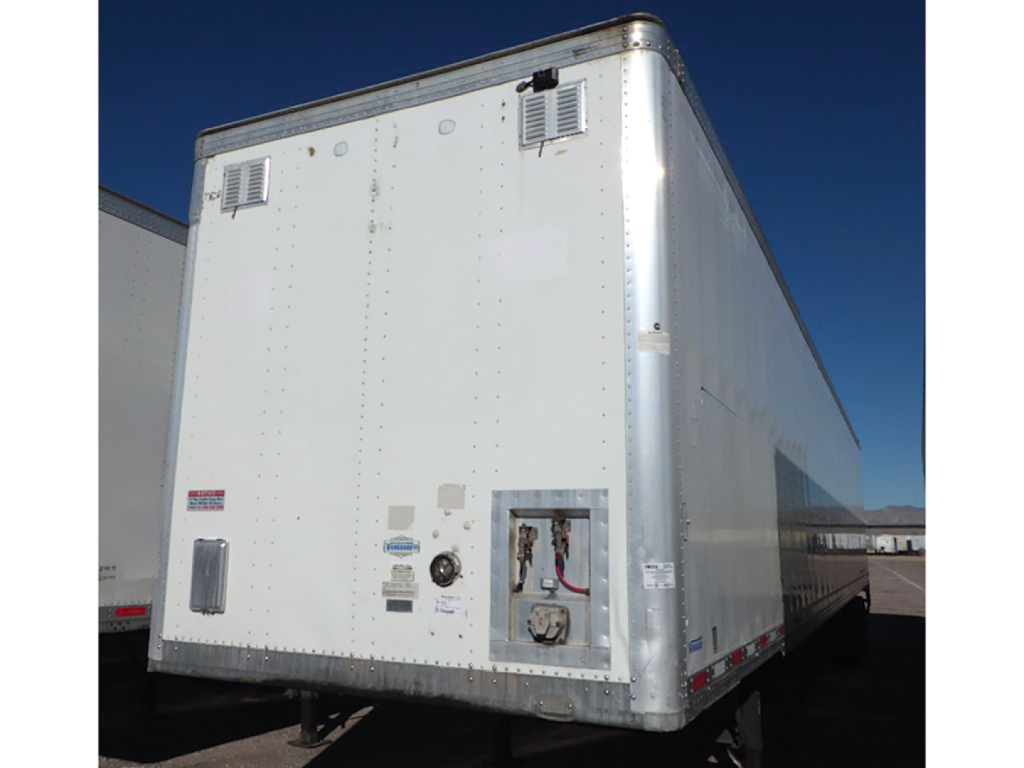
Have used van trailer to sell? List it here to reach thousands of buyers.
Used Van Trailers in Nevada
The details inside the box matter as much as the outside. A used van trailer with a solid wood floor, threshold plate, scuff liner or scuff plate, and a straight interior wall profile will hold up better in forklift service. Logistics posts and E-track add flexibility for mixed freight and load securement, especially for LTL, distribution, and retail applications. Interior height is another practical checkpoint. Many 53-foot vans offer around 100 inches of inside height, but buyers should still verify inside clearance against the freight they actually move. Front and rear vents can help reduce moisture buildup and heat concentration in desert climates, and plywood or composite lining can protect sidewalls from repeated pallet contact.
Door configuration and running gear affect uptime more than many first-time buyers expect. Swing doors are common on dry vans and are simple to maintain, while roll-up doors can be useful for multi-stop operations where dock space is tight, though they do add weight and reduce interior opening height. Air ride suspension is preferred for ride quality and cargo protection, and sliding tandems help with bridge law compliance, kingpin setting flexibility, and axle weight distribution. Tire inflation systems, side skirts, galvanized rear frames, stainless front radius panels, and undertray systems are all features worth noting because they influence maintenance cost, fuel economy, and corrosion resistance over the life of the trailer.
On a used van trailer, condition should be judged by structure and serviceability, not just model year. Check the roof for patches and leaks, inspect the floor for soft spots and excessive forklift gouging, and look closely at the rear frame, crossmembers, suspension mounts, slider box, and door hardware. In Nevada service, sun exposure can accelerate seal wear, fade, and roof-related issues, so it pays to inspect lining condition, door seals, and landing gear operation carefully. Buyers comparing used dry vans should focus on prior application, wall construction, floor condition, suspension type, and cargo control setup. A well-spec'd van trailer with the right interior, door style, and tandem configuration will generally return better utilization than a cheaper unit that needs immediate structural or dock-related repairs.
Frequently Asked Questions about Used Van Trailers in Nevada
What is the most common size for a used van trailer?
The most common size is a 53-foot by 102-inch dry van trailer. That configuration fits standard dock operations, maximizes pallet capacity, and works well for general freight, retail distribution, and long-haul service. Buyers should still confirm overall height and inside height, because roof design and tire setup can affect cubic capacity and freight clearance.
What should I inspect first on a used dry van trailer?
Start with the floor, roof, rear frame, and suspension. Floor damage from forklift traffic is expensive to repair and can limit usable payload. Roof repairs and leaks can lead to cargo claims. The rear frame, threshold, hinges, and door seals take constant abuse in dock service. Suspension components, slider rails, and tandem operation should be checked for wear, damage, and proper adjustment before focusing on cosmetic issues.
Are swing doors or roll-up doors better on a van trailer?
Swing doors are generally lighter, simpler, and easier to maintain, which is why they remain common on linehaul and general freight vans. Roll-up doors can be advantageous for city and multi-stop operations where space behind the trailer is limited at docks or alleys. The tradeoff is added weight, more moving parts, and slightly reduced rear opening height, so the better choice depends on the trailer's route and delivery pattern.
Why do air ride suspension and sliding tandems matter on a used van trailer?
Air ride suspension improves ride quality and helps protect sensitive freight from shock and vibration. Sliding tandems allow the axle group to be repositioned for bridge law compliance, state-by-state weight distribution, and dock approach requirements. Together, these features improve operational flexibility and are often preferred by fleets moving a variety of freight over regional and long-haul lanes.
Which interior features add value on a used van trailer?
Logistics posts, E-track, scuff liners, threshold plates, and durable wall lining usually add practical value because they improve cargo securement and reduce damage from repeated loading. A sound wood floor remains important for forklift traffic, and front or rear vents can be beneficial in hot, dry climates. These features do not just improve convenience. They often reduce downtime, cargo damage, and repair expense across the trailer's service life.