
Used 2019 Van Trailers For Sale
Shop used 2019 van trailers with common specs like 53-foot length, air ride, swing or roll-up doors, and logistics-ready dry freight configurations.
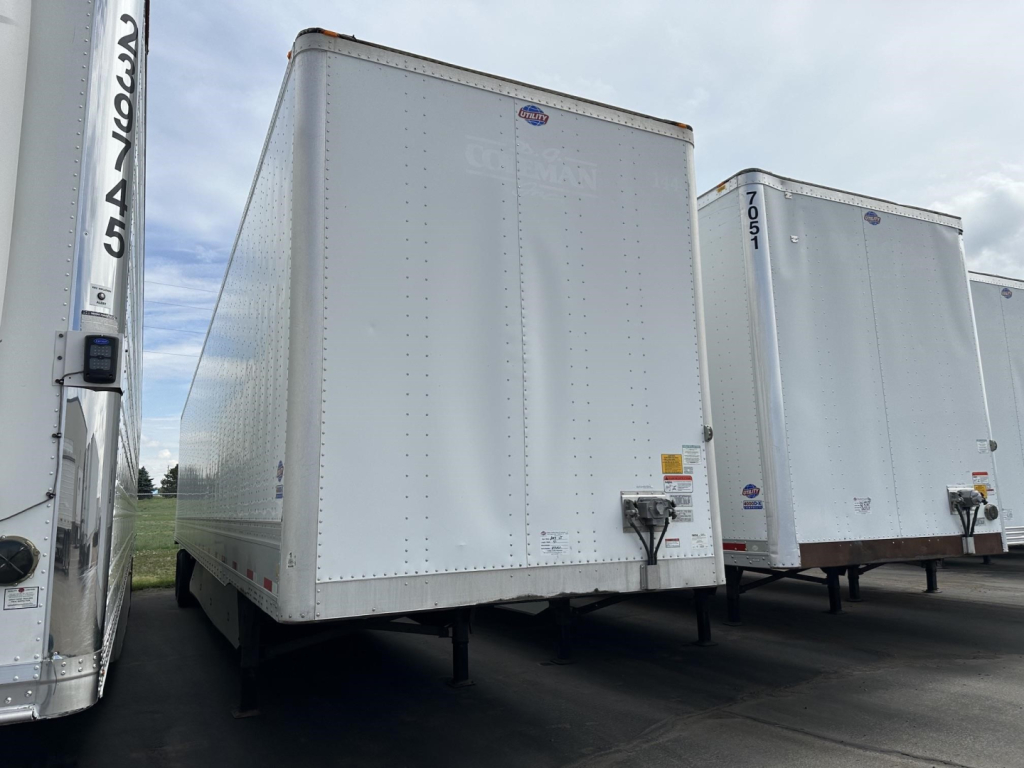
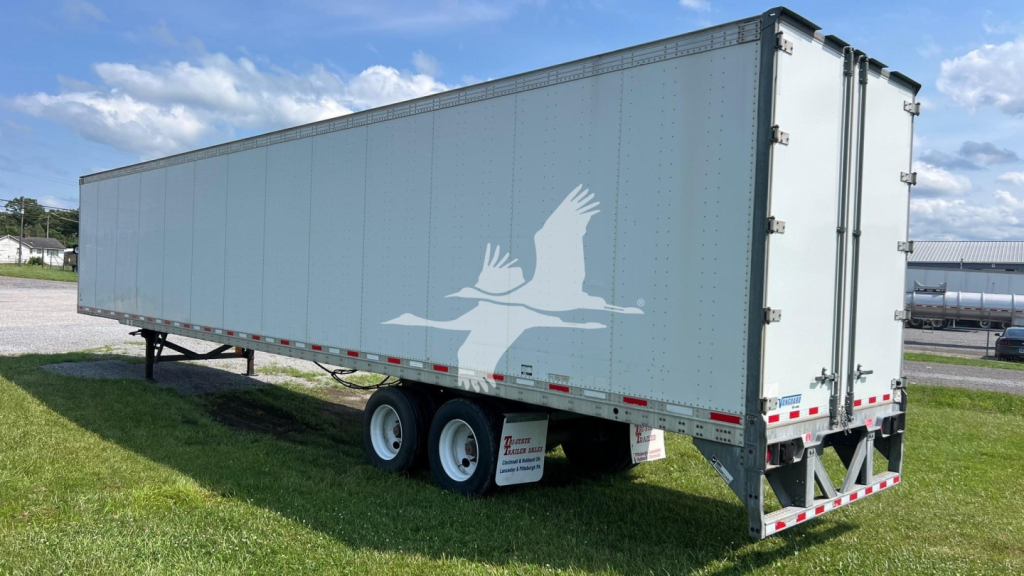
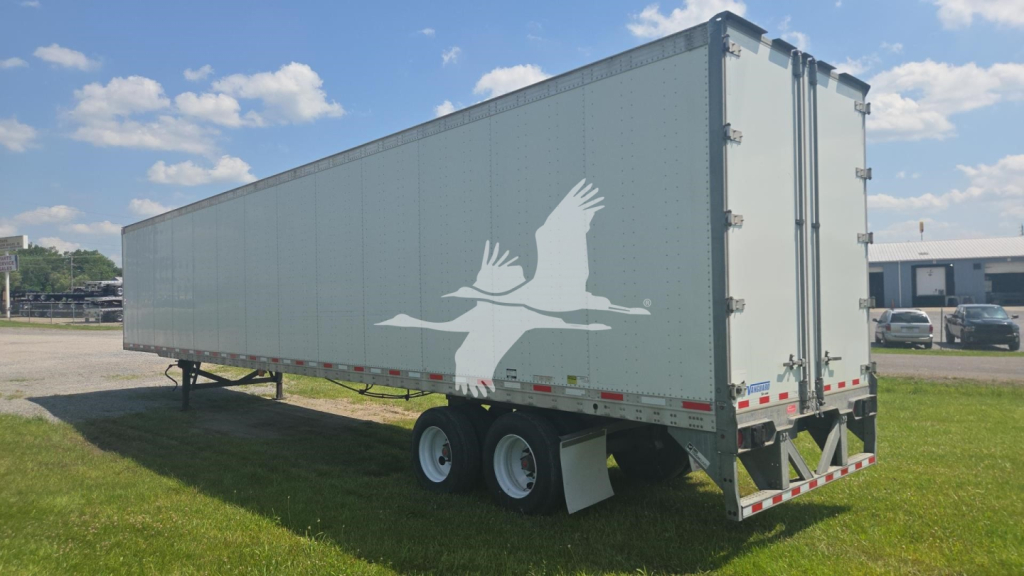
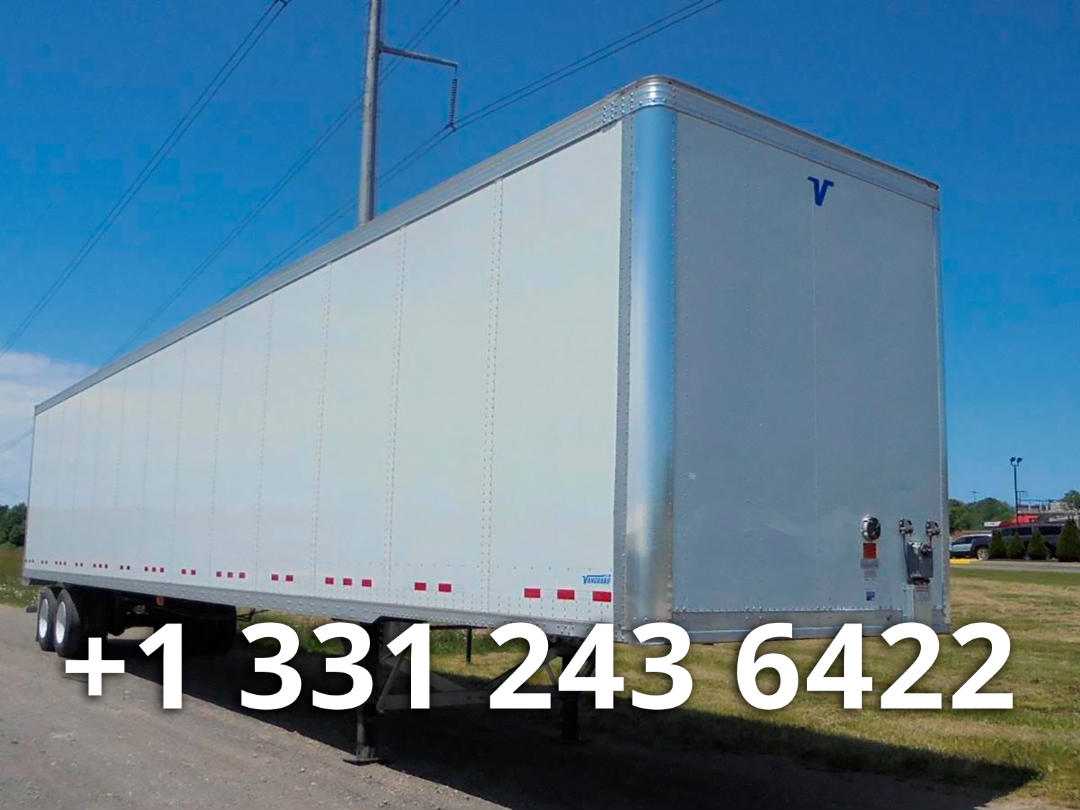
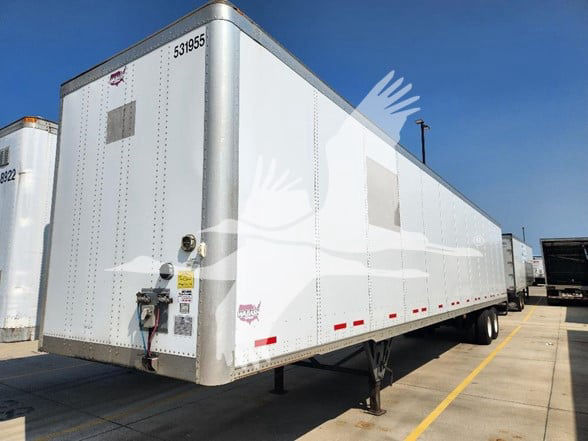
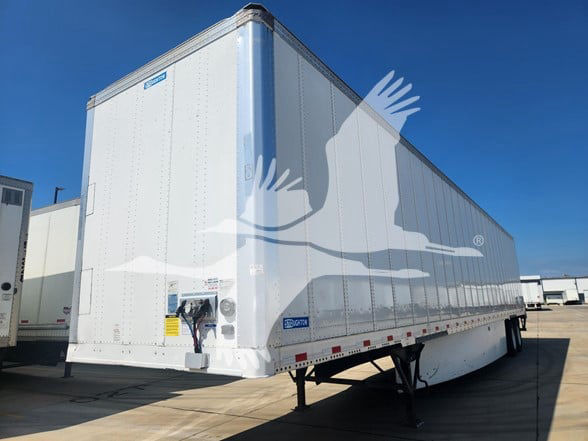
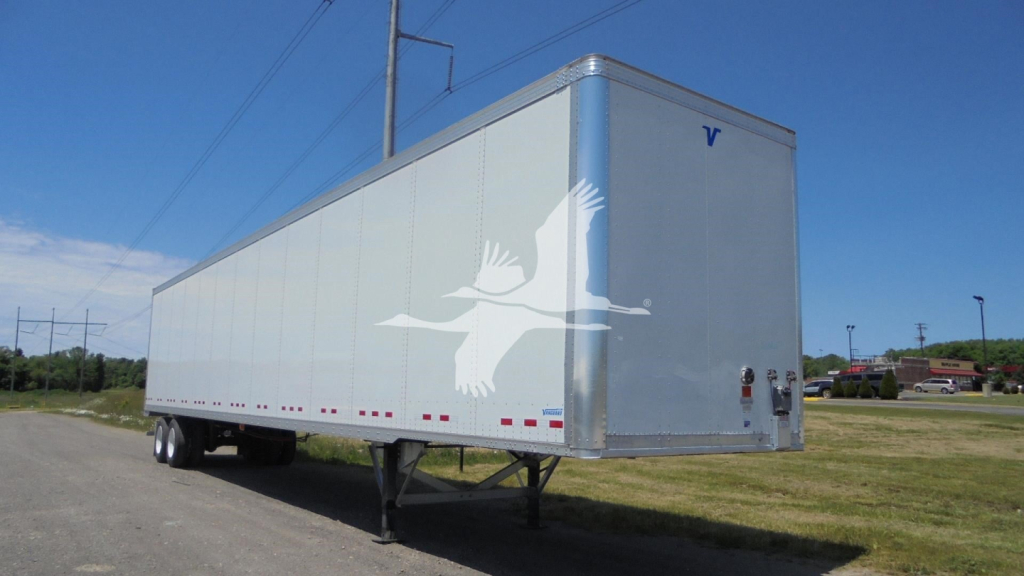
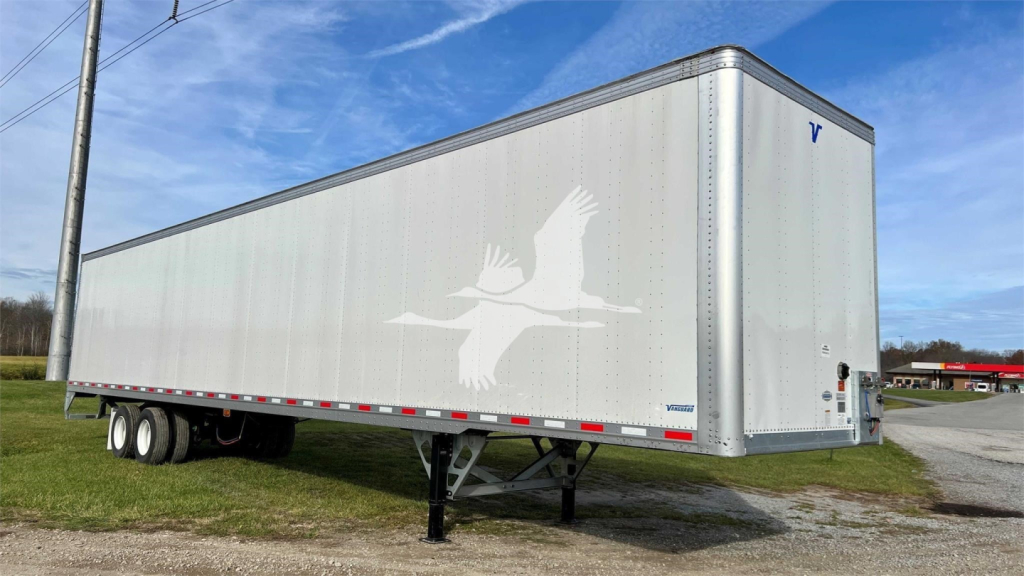
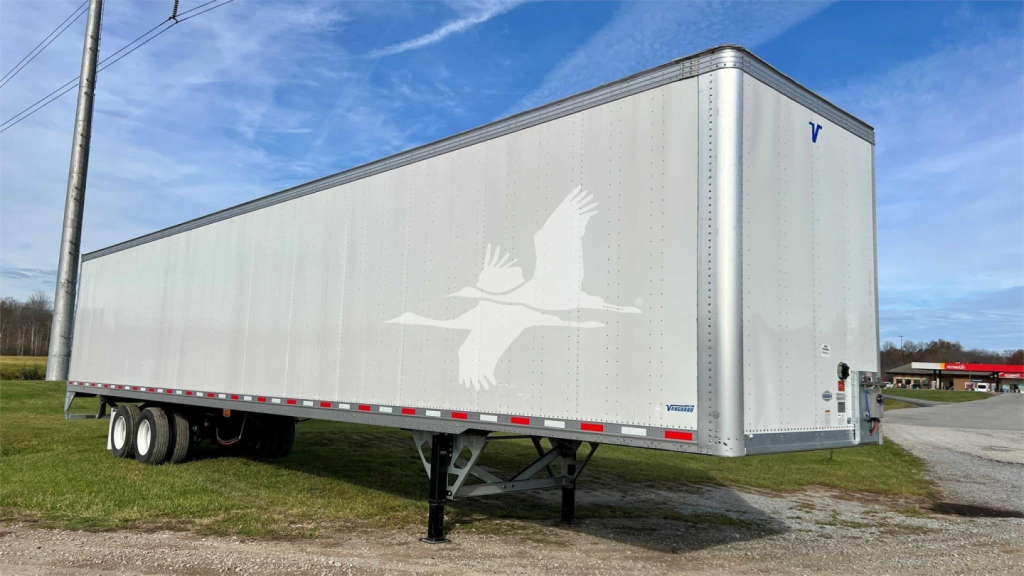
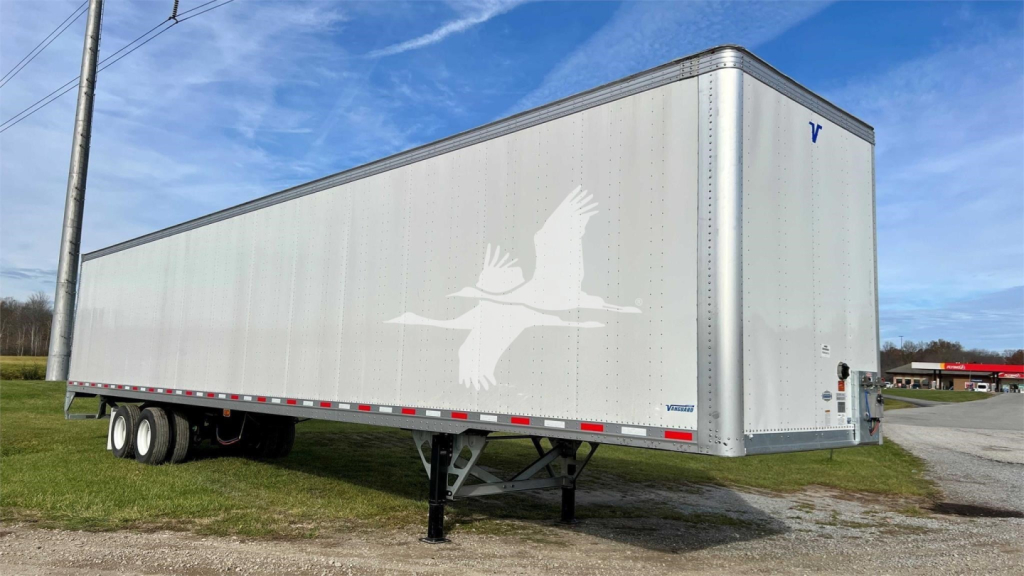
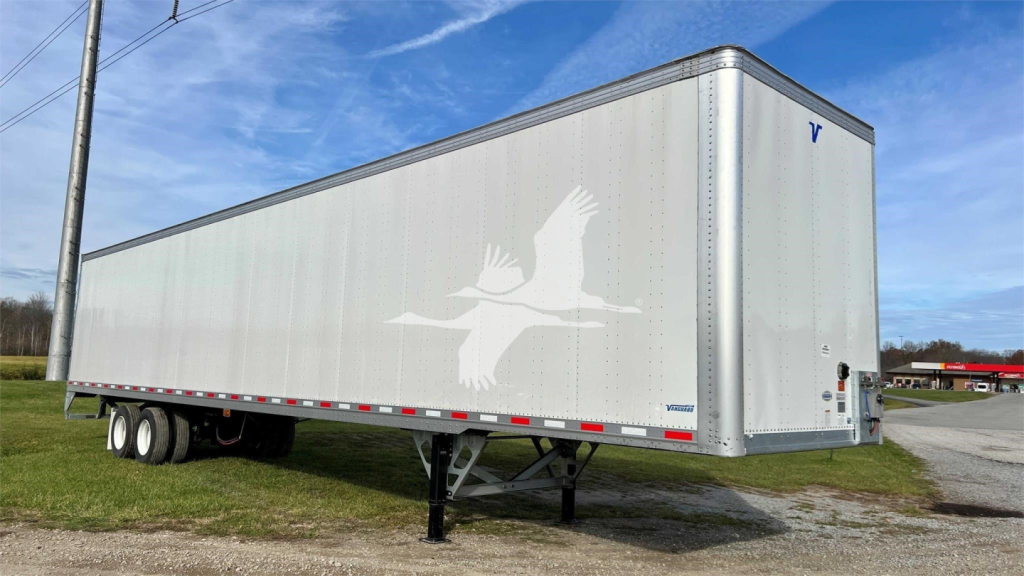
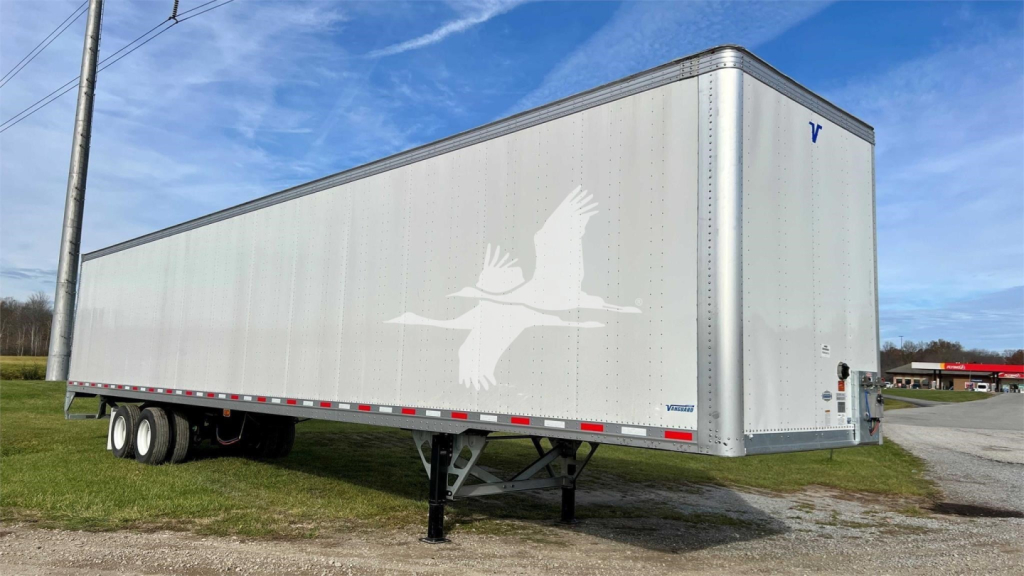
Have used 2019 van trailer to sell? List it here to reach thousands of buyers.
Used 2019 Van Trailers
The biggest buying decisions usually come down to trailer construction, door configuration, and suspension. Aluminum sidewall and roof construction helps control tare weight and corrosion, while steel crossmembers and reinforced rear frames can improve long-term durability in dock service. Swing doors are still the standard for full rear access and easier seal management, but roll-up doors can make sense in LTL, route delivery, and frequent-stop operations where dock clearance matters. Air ride suspension is preferred for ride quality and cargo protection, while spring ride may still appeal to buyers prioritizing simplicity and lower maintenance. Tandem slider condition is worth close inspection because rail wear, pin engagement, and alignment directly affect usability and tire life.
A 2019 dry van should also be evaluated like a working freight asset, not just a box on wheels. Check floor rating and floor wear around the first 10 feet, forklift impact on scuff bands and interior posts, roof bow condition, sidewall repairs, and signs of rear frame stress near the hinges and sill. Brake spec matters too. Many trailers from this period were built with drum brakes, while some fleets ordered disc brakes for shorter stopping distances and easier service access. Tire size is typically 22.5 low-profile, and buyers should pay attention to wheel type, hub condition, and any tire inflation system already installed. If the trailer will run in California or other strict compliance markets, lighting, ABS function, and overall inspection readiness should be part of the purchase decision.
For most buyers, the appeal of a used 2019 van trailer is operational versatility. This category is also commonly called a dry van trailer or enclosed van trailer, and it remains the standard choice for freight that needs weather protection and secure, cube-efficient loading. Compared with older dry vans, 2019 units are more likely to have fleet-spec interiors, better aerodynamic packages, and cleaner maintenance histories from large lease or dedicated fleets. The right trailer depends on lane length, dock environment, commodity type, and how often tandems need to be moved for bridge law compliance. A buyer comparing listings should focus less on brand alone and more on maintenance records, structural condition, door and floor wear, suspension spec, and actual empty weight relative to the freight being hauled.
Frequently Asked Questions about Used 2019 Van Trailers
What are the most common specs on a used 2019 van trailer?
Most used 2019 van trailers are 53 feet long, 102 inches wide, and 13 feet 6 inches tall. Common specs include aluminum roof construction, hardwood or composite floors, swing doors, sliding tandems, air ride suspension, and 22.5 low-profile tires. Many are logistics-post equipped for load bars and straps, and some include scuff liners, translucent roofs, or aerodynamic side skirts depending on the original fleet specification.
Is air ride better than spring ride on a dry van trailer?
Air ride is generally preferred for dry van applications because it provides better ride quality, helps protect freight, and is common in over-the-road fleet service. Spring ride can still be a workable choice for buyers who want a simpler suspension with fewer air system components to maintain. The better option depends on freight sensitivity, route conditions, maintenance practices, and resale priorities, but air ride is the more common and more marketable setup in late-model van trailers.
What should I inspect first on a used 2019 dry van trailer?
Start with the floor, roof, rear frame, tandem slider, brakes, and tires. Floor damage from forklift traffic is one of the most important wear points, especially in the nose area and along the main travel path. Also check for sidewall patches, leaking roof seams, damaged crossmembers, worn slider rails, and door frame stress. A trailer that looks clean outside can still have expensive structural or undercarriage issues, so the inspection should focus on high-load and high-impact areas first.
Are swing doors or roll-up doors better on a van trailer?
Swing doors are the standard choice for full trailer loading because they provide the widest rear opening, are easier to seal tightly, and usually weigh less than roll-up assemblies. Roll-up doors are useful in city or dock environments where rear clearance is limited and the driver makes frequent stops. The tradeoff is that roll-up systems add moving parts and can reduce usable rear opening height, so the right choice depends on the freight pattern and delivery environment.
Why do many buyers look for 2019 model year van trailers specifically?
A 2019 model year often gives buyers a useful balance of age, price, and specification. These trailers are typically modern enough to have fleet-preferred options, current lighting and ABS systems, and better freight compatibility than much older units, but they usually cost less than very recent model years. For many operations, 2019 trailers still fit well into long-haul, dedicated, and regional service with the right maintenance history and structural condition.