
Used 2014 Van Trailers For Sale in Nebraska
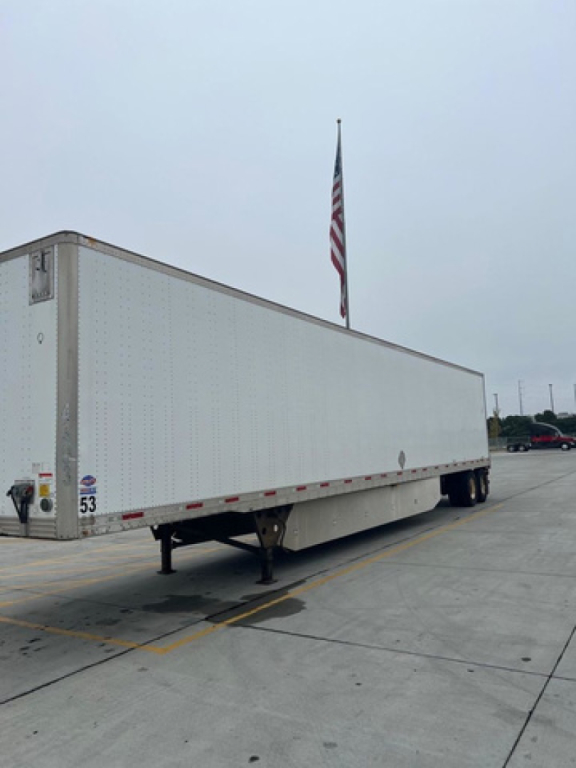
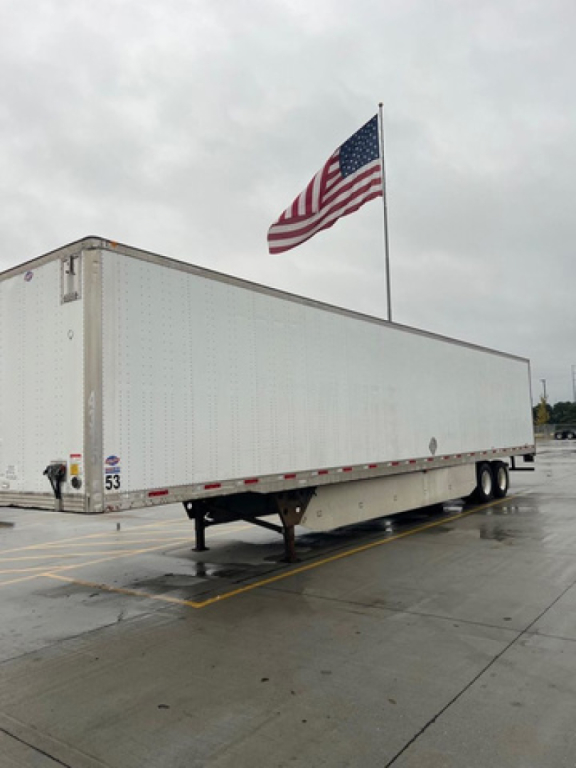
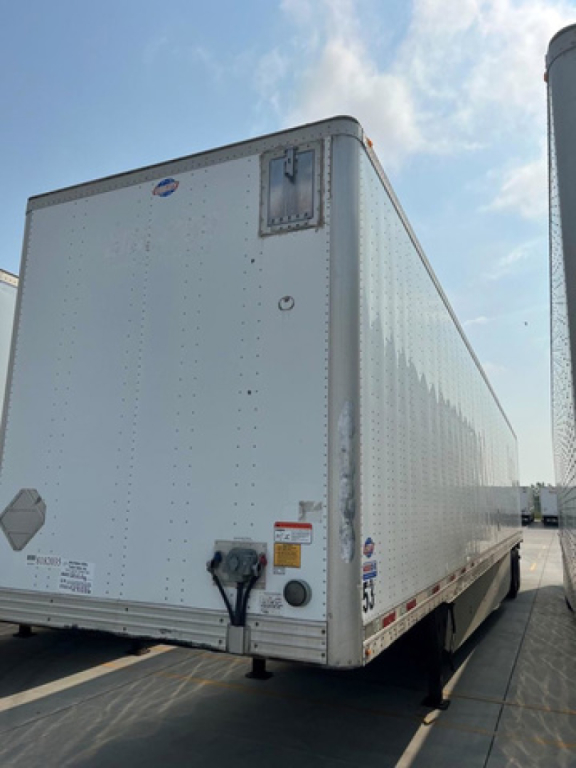
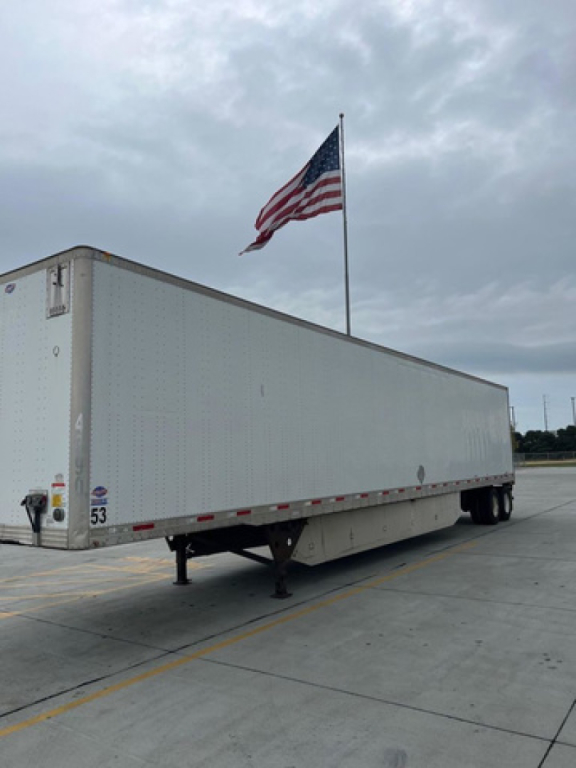
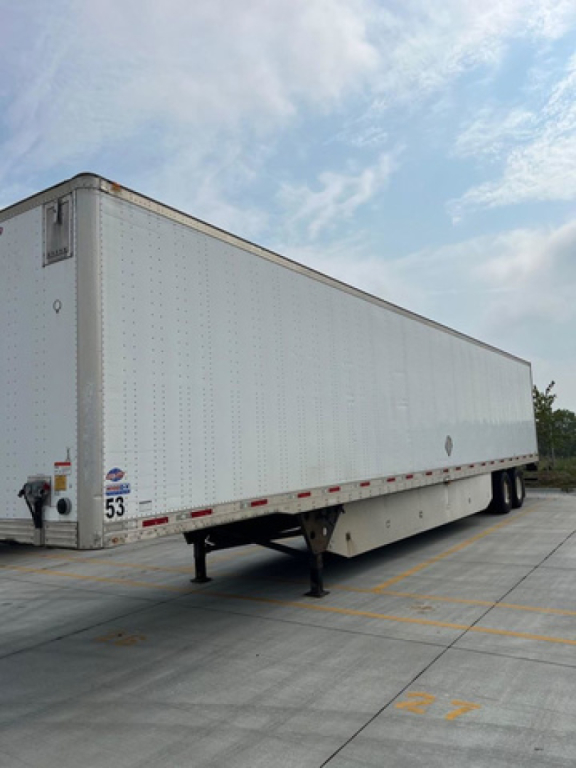
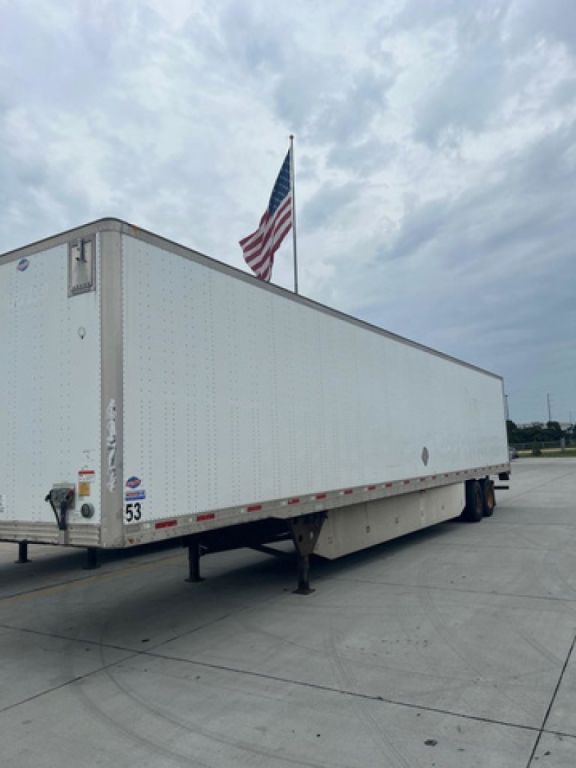
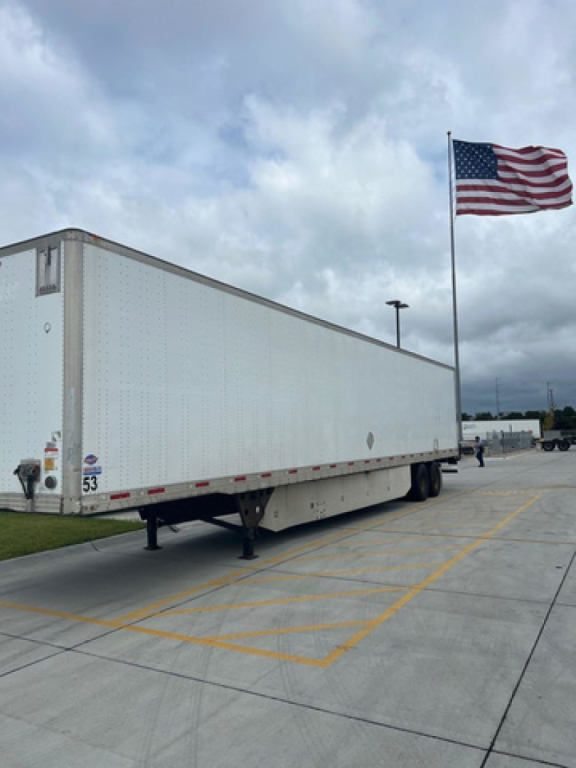
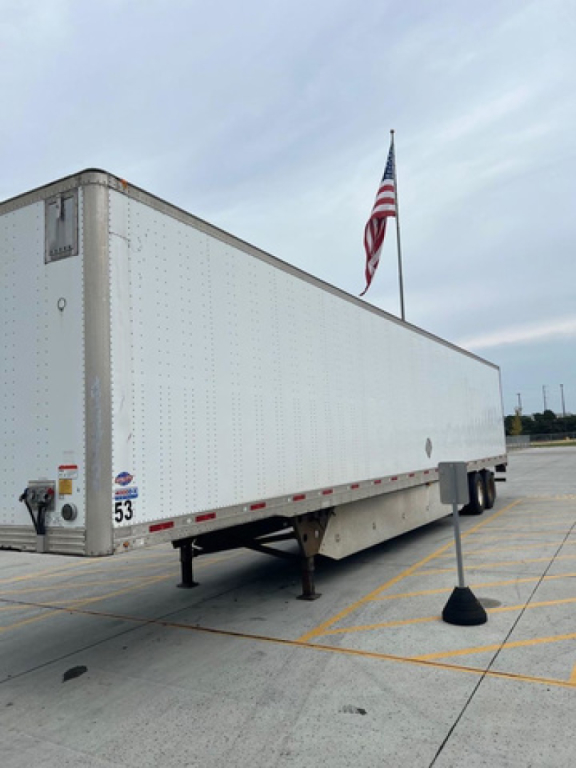
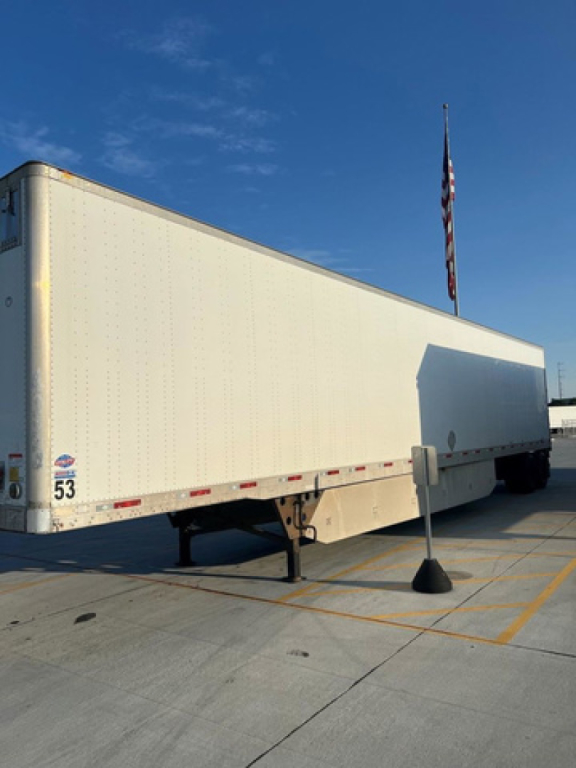
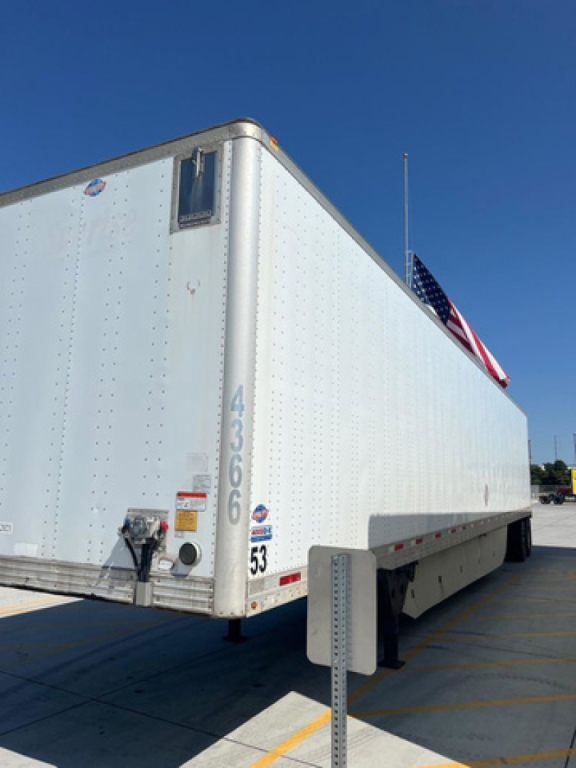
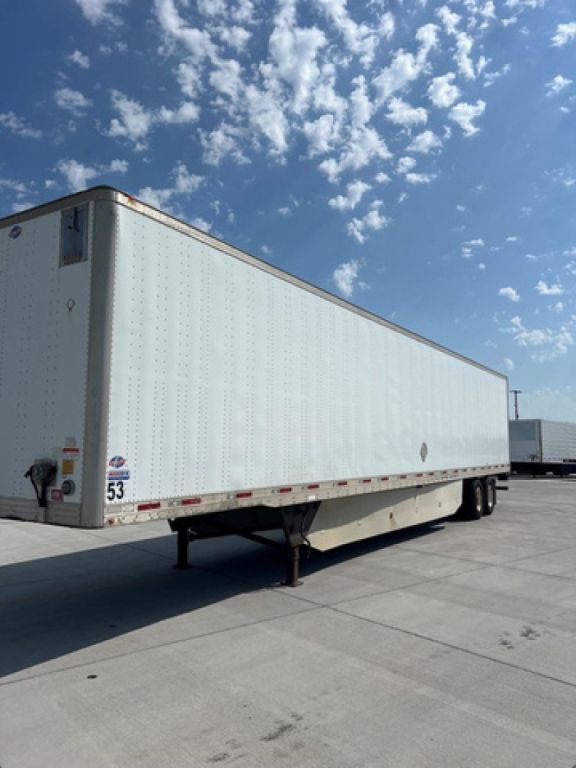
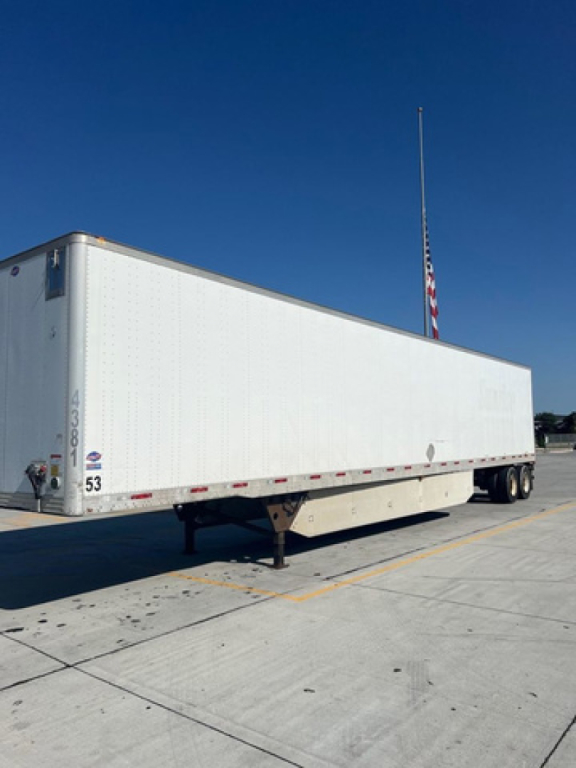
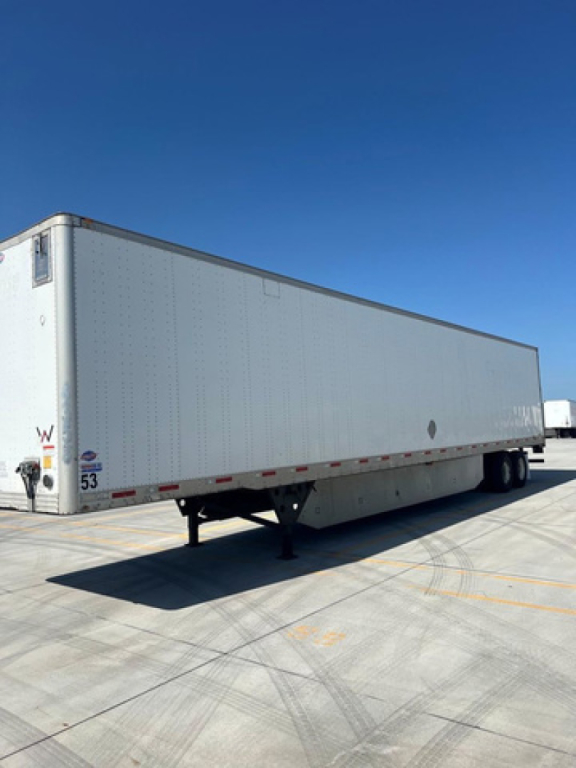
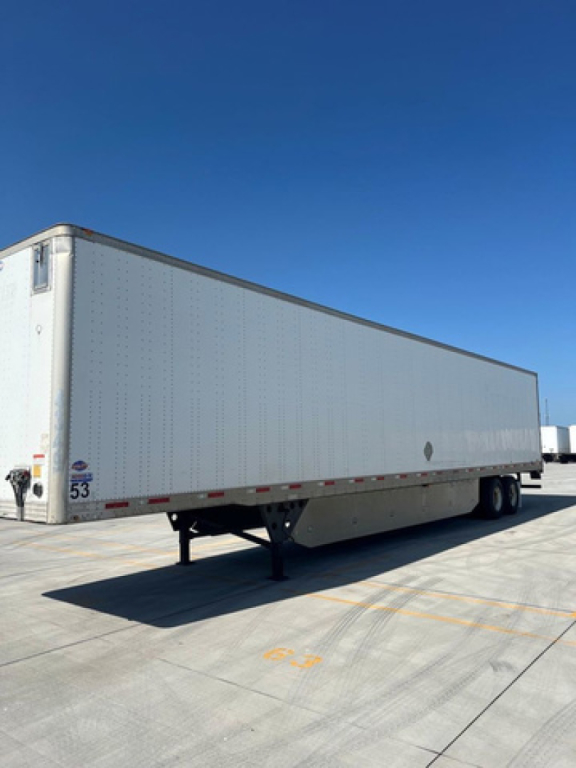
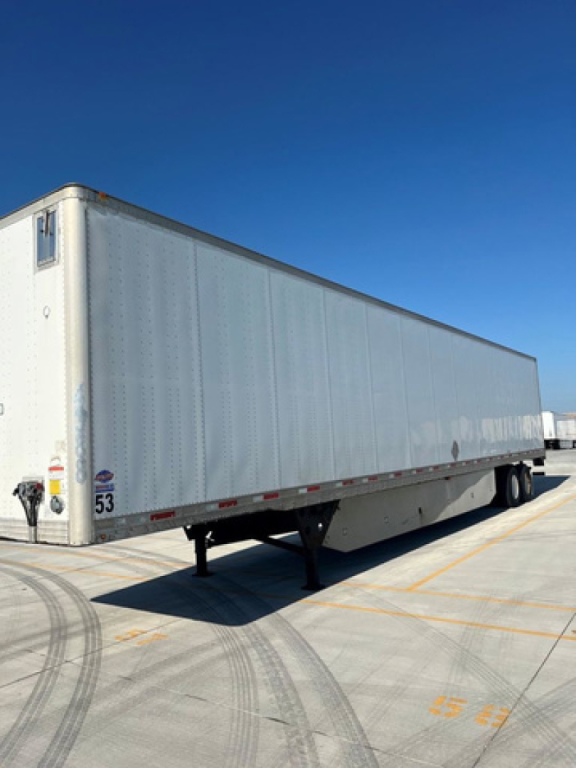
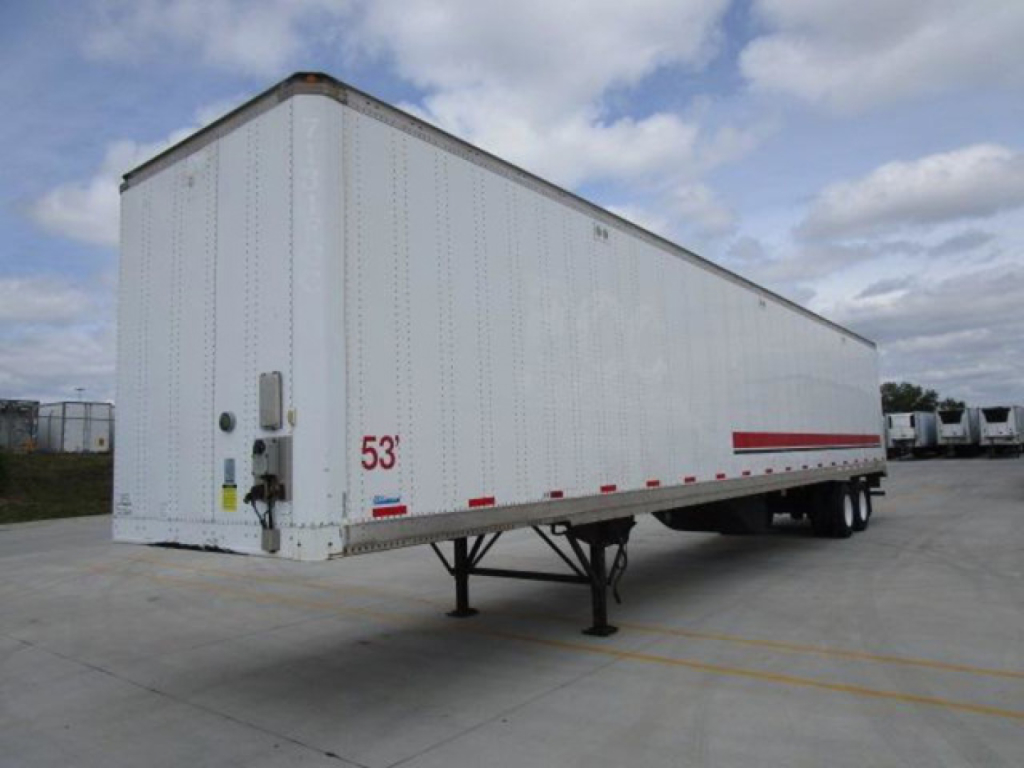
Browse used 2014 van trailers in Nebraska, including 53-foot dry vans with air ride, swing or roll-up doors, logistics posts, and liner options.
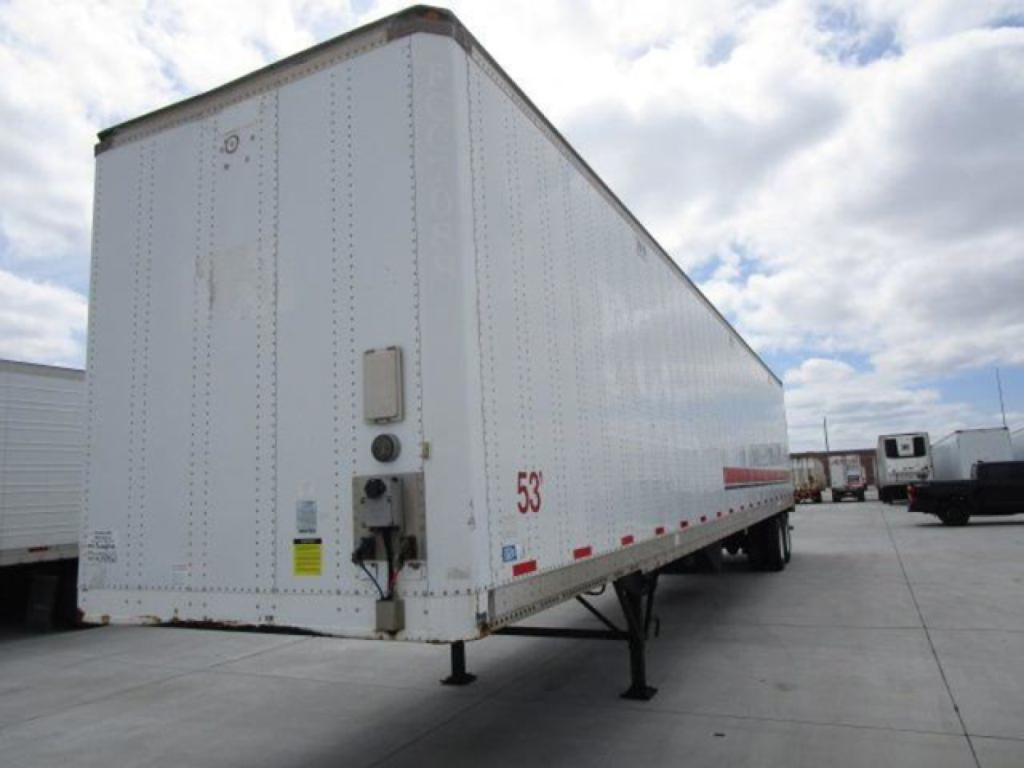
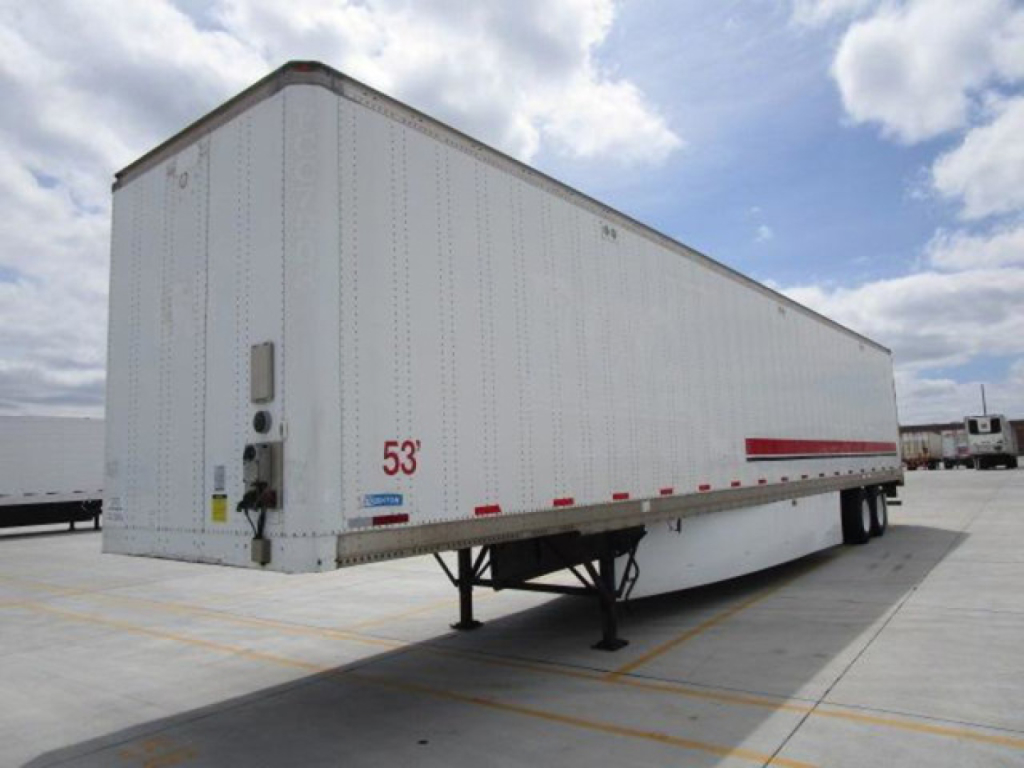
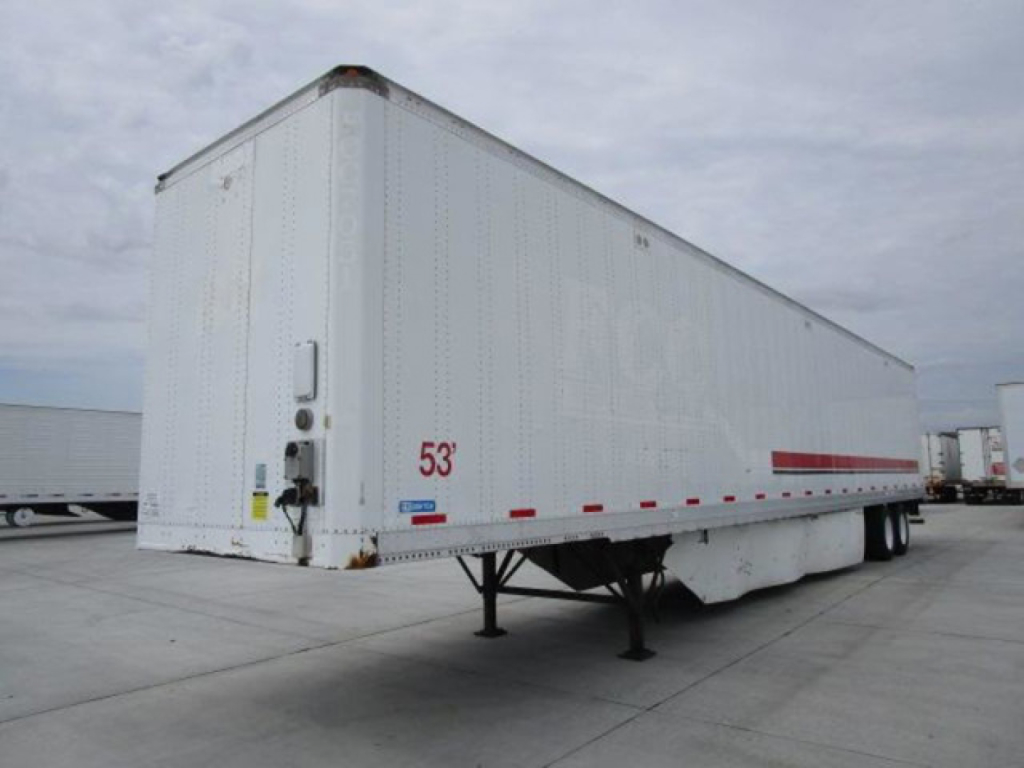
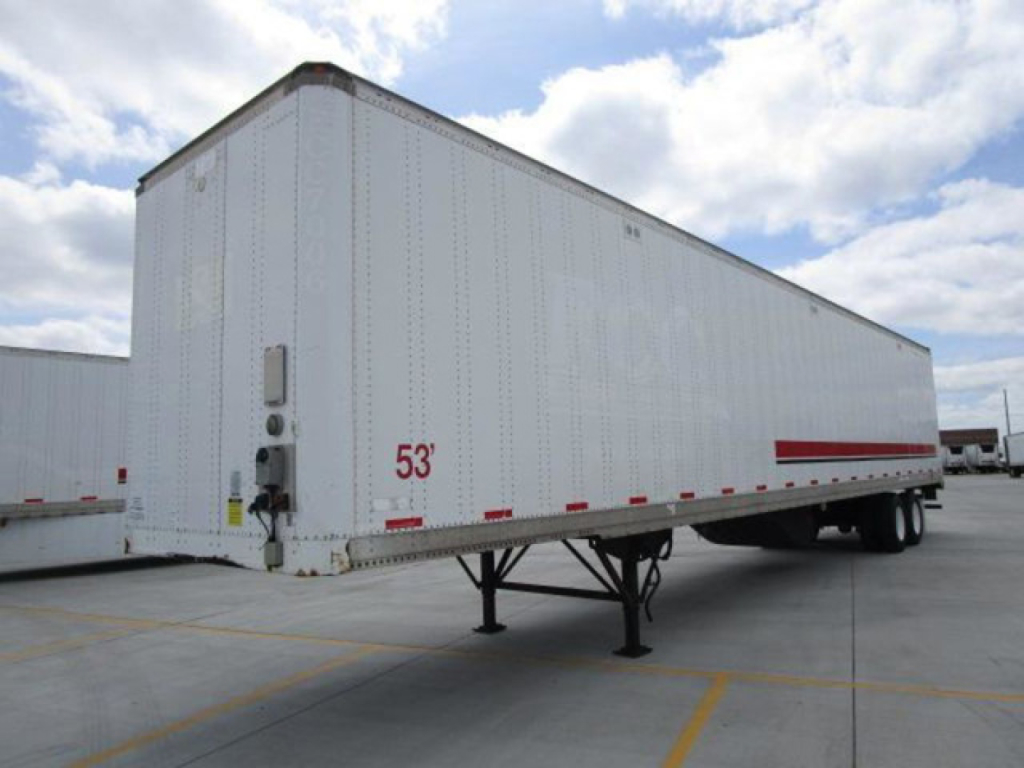
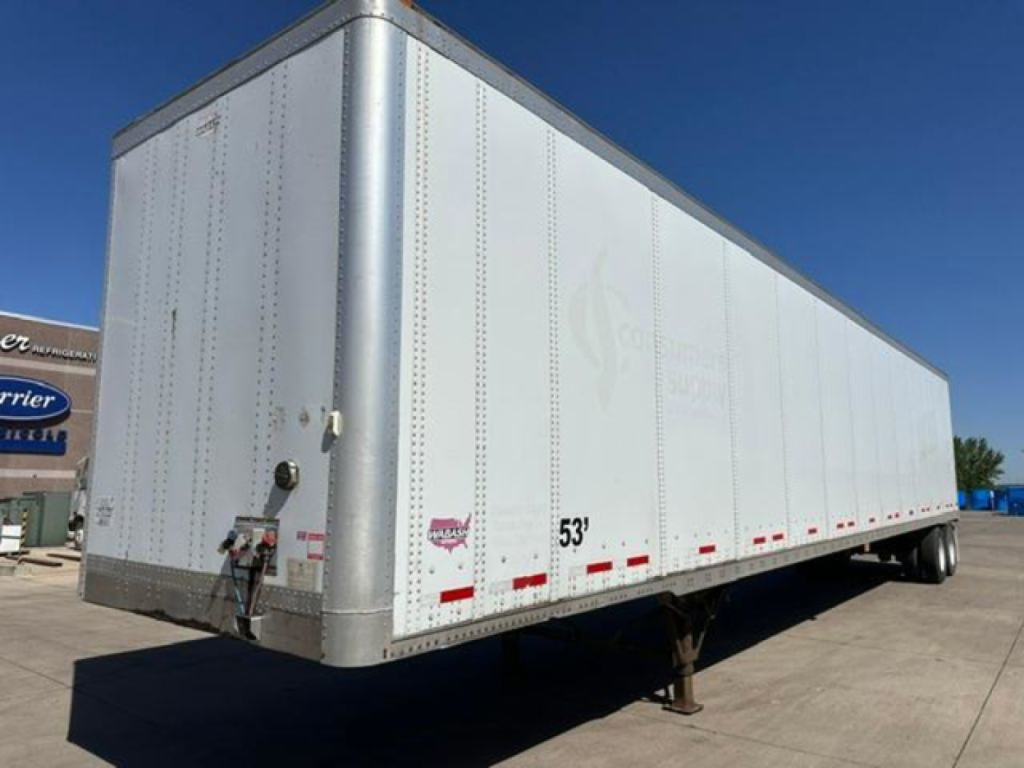
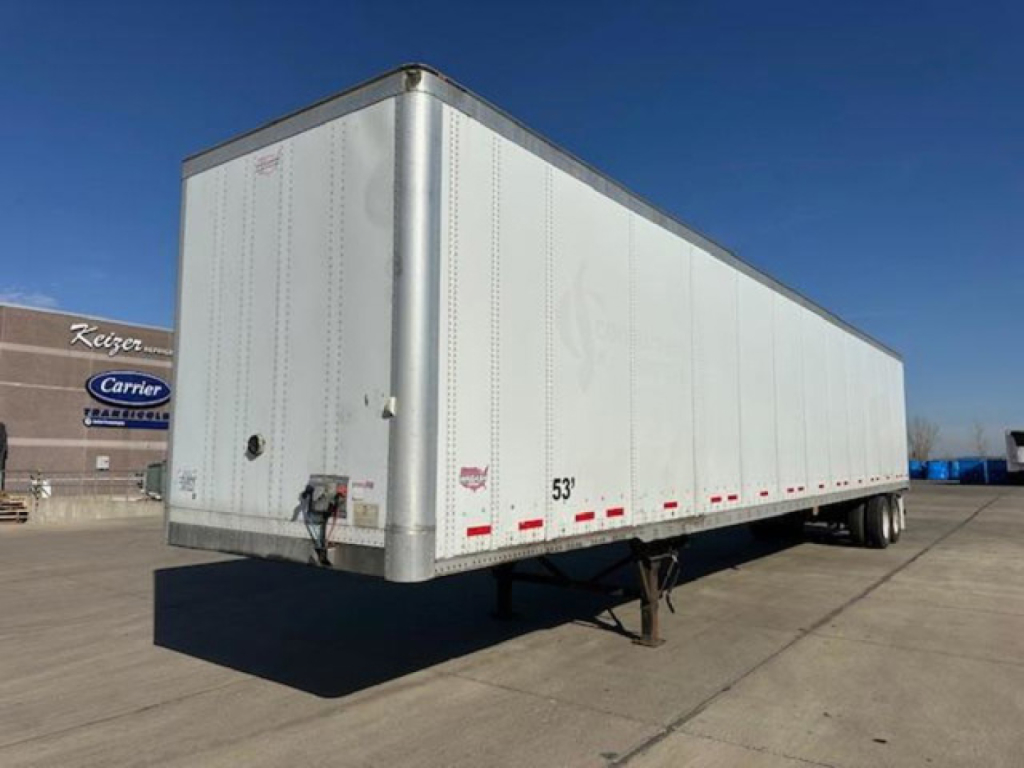
Have used 2014 van trailer to sell? List it here to reach thousands of buyers.
Used 2014 Van Trailers in Nebraska
On this age group, build spec matters more than badge. Many buyers start with suspension, door type, liner, and roof construction because those items affect daily use and long-term maintenance. Air-ride suspension is common and preferred for more fragile freight. Swing doors are still popular for full dock use and maximum rear opening, while roll-up doors can save space at tight docks and city stops, though they add weight and reduce opening height slightly. Interior liner choice also matters. Plastic liners resist moisture and are easier to clean, plywood liners can be more forgiving in rough service, and aluminum roof construction is widely favored for durability and repairability. Skylights or translucent roof panels improve daytime visibility inside the box, which can speed loading and inspection.
Structural details deserve close attention on a used 2014 dry van. Check crossmembers, rear frame, upper coupler plate, kingpin area, side posts, and floor condition, especially near forklift traffic zones and threshold plates. Buyers should also confirm tire age, tread depth, brake condition, wheel-end service history, and DOT status rather than looking at tire tread alone. Logistics post spacing, such as 16-inch on-center posts, can be an advantage for load securement flexibility. Tire inflation systems can reduce roadside downtime and improve casing life, which is meaningful for fleets running long Nebraska lanes, regional Midwest freight, or drop-and-hook operations.
A 2014 van trailer is often a good fit for carriers that want standard dry van capability with manageable capital exposure. The best unit for the job depends on freight mix, dock environment, and how hard the trailer will cycle. For warehouse freight and linehaul work, a straight dry van spec with air ride, sound floor, tight rear frame, and clean interior usually matters more than cosmetic appearance. Buyers comparing multiple trailers should focus on maintenance records, structural integrity, door operation, roof condition, and how the trailer’s spec matches their lanes and loading practices.
Frequently Asked Questions about Used 2014 Van Trailers in Nebraska
What should I inspect first on a used 2014 van trailer?
Start with the structure and running gear. The most important checks are the floor, crossmembers, rear frame, kingpin plate, suspension components, brakes, tires, and roof. On a dry van, floor damage from repeated forklift traffic can be expensive to correct, and wear around the threshold, rear sill, and coupler area can indicate heavy service. Door seals, liner condition, and evidence of roof leaks also matter because they directly affect cargo protection.
Are 2014 dry van trailers still a good choice for commercial freight?
Yes, many 2014 dry van trailers are still viable working assets if they have been maintained properly. This model year is old enough to offer lower purchase cost but modern enough that many trailers still carry desirable fleet specs such as air ride, aluminum roofs, plastic liners, logistics posts, and tire inflation systems. Condition and maintenance history are more important than year alone, especially for fleets planning high annual utilization.
Is a swing door or roll-up door better on a van trailer?
It depends on the operation. Swing doors typically provide the full rear opening and are common in standard dock loading, making them a strong choice for maximizing cubic access and keeping trailer weight down. Roll-up doors can be helpful in tight delivery environments because they do not swing out behind the trailer, but they usually add complexity and can slightly reduce opening height. Buyers should match door style to dock layout, stop frequency, and freight handling practices.
Why do liner and roof materials matter on a used van trailer?
Liner and roof materials affect durability, cargo protection, and repair cost. Plastic liners are common because they clean up well and hold up against moisture and scuffing. Plywood liners can still perform well in rougher service, but buyers should inspect for damage and moisture issues. Aluminum roofs are widely preferred for longevity, while translucent roof panels or skylights improve interior light and can make loading safer and faster.
What specs are most useful for Nebraska and Midwest freight lanes?
For Nebraska and regional Midwest service, buyers often prioritize a 53-foot dry van with air-ride suspension, a solid floor, a clean interior liner, and dependable brakes and tires. Tire inflation systems can be a real advantage for long highway miles and seasonal temperature swings. A sound roof, tight door seals, and strong rear frame are also important because weather exposure, dock traffic, and drop-and-hook use can quickly expose weak points in an older trailer.