
Used 2013 Van Trailers For Sale in Illinois

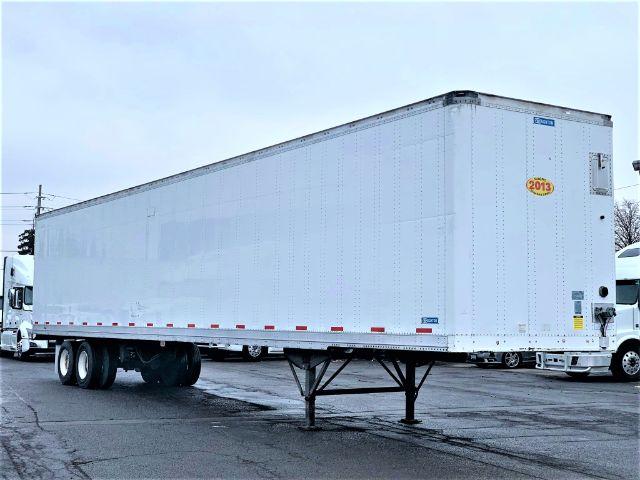
Have used 2013 van trailer to sell? List it here to reach thousands of buyers.
Used 2013 Van Trailers in Illinois
Spec decisions matter more than the badge on the nose. Many 2013 van trailers were built with aluminum sheet-and-post construction, wood floors, and either plywood, composite, or scuff-lined interiors. Logistics posts or E-track can make a major difference if the trailer will handle mixed freight or load securement beyond simple pallet work. Door style is another real operating choice. Swing doors are common in dock-focused freight and are easier to repair, while roll-up doors can help in city delivery or tight yard conditions but add weight and reduce clear rear opening height. Sliding tandems are standard for bridge law compliance and weight distribution, especially in Midwest freight patterns that cross multiple state lines.
Suspension, brakes, and wheel-end spec deserve close attention on a used 2013 van trailer. Air ride is generally preferred for ride quality and cargo protection, though spring ride can still fit tougher freight and lower acquisition cost targets. Buyers should confirm whether the trailer has drum or disc brakes, check lining and rotor or drum condition, and look for tire inflation systems if uptime is a priority. On an Illinois trailer, corrosion points around crossmembers, rear impact guard, door frame, and landing gear mounts are worth a careful inspection because road treatment and winter exposure can shorten component life. Tire size, wheel type, and kingpin setting should also be reviewed to make sure the trailer will run correctly with your tractors, loading docks, and route restrictions.
A 2013 van trailer can still pencil out well for fleets and owner-operators if it has been maintained and the previous application was not abusive. Look closely at floor repairs, patched roofs, bowed side panels, water intrusion, and wear from forklift traffic at the threshold and first several feet of flooring. Check for front and rear vents, underbody storage, scuff liners, and interior height if the trailer will haul taller cube freight. For buyers comparing older dry vans, the best value usually comes from matching the trailer’s actual condition and spec to the freight mix, not from chasing the lowest purchase price alone.
Frequently Asked Questions about Used 2013 Van Trailers in Illinois
What should I inspect first on a used 2013 van trailer?
Start with the floor, roof, sidewalls, rear frame, and tandem suspension. Floor rot, soft spots, threshold damage, roof patches, leaking seams, and crossmember corrosion can turn a low-cost trailer into an expensive one quickly. After structure, inspect brakes, tires, wheel ends, lights, ABS, and landing gear. On a 2013 dry van, overall condition usually matters more than brand alone.
Are 2013 van trailers usually 53 feet long?
Most used van trailers in this category are 53 feet long, 102 inches wide, and 13 feet 6 inches tall. That is the standard dry van configuration for general freight in the U.S. Some units may vary by interior height, door opening, lining, or tandem slider setup, so buyers should confirm dimensions against the freight they haul and the docks they serve.
Is air ride better than spring ride on a dry van trailer?
Air ride is generally preferred for van trailers because it offers better ride quality and improved protection for palletized, consumer, and higher-value freight. Spring ride can still be a workable option for tougher cargo and simpler maintenance preferences, but it typically rides harsher. The right choice depends on cargo sensitivity, lane quality, and maintenance priorities.
What interior features matter most on a used van trailer?
The most important interior features are floor condition, lining type, and cargo securement setup. Wood floors are common and should be checked for forklift wear, moisture damage, and past repairs. Plywood or composite lining helps protect the walls from freight damage, while logistics posts or E-track improve load securement flexibility. Interior height also matters if you handle taller cube freight or stack pallets aggressively.
Why do sliding tandems matter on an Illinois dry van?
Sliding tandems help with axle weight distribution, bridge law compliance, and maneuverability in different loading environments. In Illinois and throughout the Midwest, they are especially useful because many trailers run across multiple states with varying enforcement and routing conditions. A properly functioning slider can make the trailer easier to scale legally and position correctly at docks or in tight yards.