
Used 2011 Van Trailers For Sale in Illinois

Have used 2011 van trailer to sell? List it here to reach thousands of buyers.
Used 2011 Van Trailers in Illinois
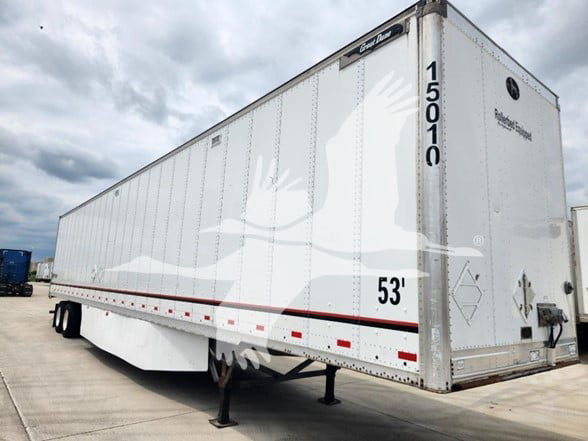
Construction type matters because it affects tare weight, repairability, and long-term durability. A 2011 van trailer may be an aluminum sheet-and-post design or a composite plate-style body such as a DuraPlate configuration. Sheet-and-post trailers can be easier to repair panel-by-panel after side damage, while plate trailers are often valued for sidewall durability in high-cycle dock work. Wood floors remain common and should be checked for forklift wear, rot, delamination, and patched sections near the threshold plate and dock impact area. Logistics posts, scuff liners, threshold plates, stainless steel front corners, and stainless steel door frames are all useful indicators of how the trailer was spec'd for freight securement and repeated loading cycles.
Suspension and brake spec can change operating cost more than many buyers expect. Air ride is generally preferred for freight protection and ride quality, while spring ride can still be a solid fit for tougher regional service and lower acquisition cost. Sliding tandems are standard on many 53-foot vans and are important in Illinois and surrounding states where axle compliance and load distribution matter on mixed routes. Check whether the trailer has drum or disc brakes, and inspect tire size, wheel type, hub condition, and any tire inflation system if equipped. Rear access also deserves attention. Swing doors are simple and common for dock work, while roll-up doors can help in some urban delivery applications but may reduce interior clearance and add maintenance points.
For a used 2011 van trailer, service history and prior fleet use often tell the story better than age alone. Look for evidence of regular PM, consistent fleet markings, recent brake or suspension work, and signs that the trailer has stayed square at the rear frame and door opening. Water intrusion, roof patching, light panel damage, and floor fatigue are usually more important than cosmetic scrapes on the sides. Buyers planning food-grade, retail, or higher-cube dry freight should also confirm interior cleanliness, venting, and E-track or logistics track layout if cargo securement flexibility matters. A sound 2011 dry van trailer can still be a productive asset when the structure is solid, the tandem slides correctly, and the floor and rear frame are ready for daily forklift traffic.
Frequently Asked Questions about Used 2011 Van Trailers in Illinois
What are the most common specs on a used 2011 van trailer?
Most used 2011 van trailers are 53-foot dry vans built to 102-inch width and 13-foot 6-inch overall height. Tandem axles with a sliding tandem setup are common, along with wood floors, logistics posts, scuff liners, and either swing or roll-up rear doors. Suspension may be air ride or spring ride, and buyers will also see differences in brake type, wheel material, and sidewall construction depending on the original fleet spec.
What should I inspect first on a 2011 dry van trailer?
Start with the structure. Check the roof for leaks or patches, inspect the front wall and rear frame for impact damage, and look underneath at crossmembers, landing gear mounts, and floor support areas. Inside the trailer, inspect the wood floor for forklift damage, soft spots, excessive plating, and fastener pull-through. A trailer with straight doors, a solid threshold, and a dry interior usually tells you more about its remaining service life than exterior cosmetic wear.
Is air ride better than spring suspension on a used van trailer?
Air ride is usually preferred when freight protection, ride quality, and dock-to-dock consistency matter. It can be a better fit for retail, packaged goods, and general dry freight that benefits from less vibration. Spring suspension can still work well in demanding regional service where simplicity and lower upfront cost are priorities. The better choice depends on freight type, lane conditions, and how much maintenance history is available on the suspension components.
Are swing doors or roll-up doors better on a van trailer?
Swing doors are the standard choice for most 53-foot dry vans because they provide full rear opening access, fewer moving parts, and straightforward sealing when the frame is in good condition. Roll-up doors can be useful in certain urban or frequent-stop operations where rear clearance is tight, but they may add maintenance and can reduce usable interior height near the rear. For most linehaul and dock operations, swing doors remain the more common and generally preferred spec.
Does a 2011 van trailer still make sense for Midwest freight service?
Yes, if the trailer has a solid frame, dependable tandem slide, dry roof, and a floor that can handle regular forklift traffic. Many 2011 van trailers remain viable in Illinois and across the Midwest for warehouse transfer, regional dry freight, and general palletized loads. The key is not the model year by itself. Structural condition, maintenance history, and how the trailer was originally spec'd for fleet use are what determine whether it can still deliver reliable service.