
Used 1998 Van Trailers For Sale
Shop used 1998 van trailers for sale, including dry van and box trailer options with common specs, dimensions, suspension, doors, and cargo features.
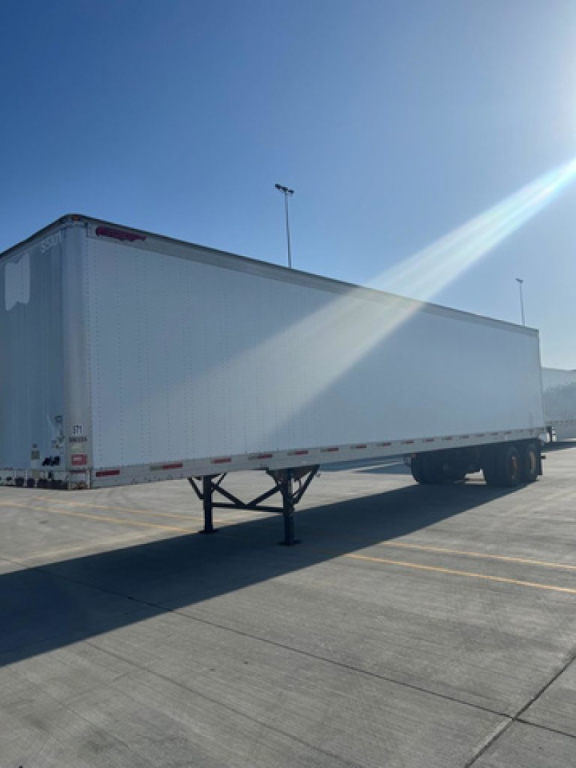
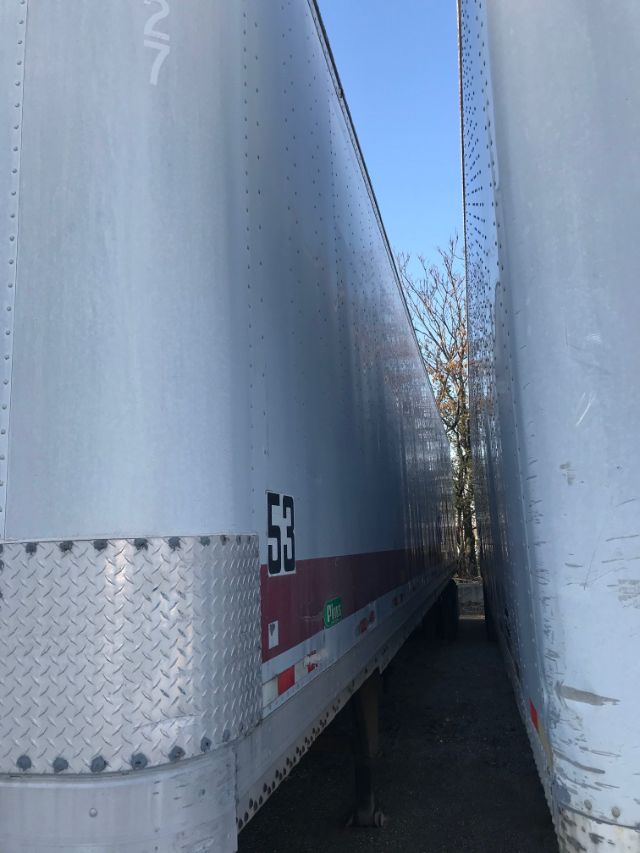
Have used 1998 van trailer to sell? List it here to reach thousands of buyers.
Used 1998 Van Trailers
On older van trailers, the big buying decision is not the badge on the nose as much as the condition of the roof, side sheets, crossmembers, landing gear, rear frame, and floor. Many trailers from this era were aluminum, steel, or combination aluminum-steel construction. Wood floors are common, and floor wear matters if you run forklifts, heavy pallet traffic, or concentrated loads. Buyers should look closely at scuff liners, interior lining, roof bows, threshold plate condition, door frame repairs, and signs of prior impact at the rear corner posts. A translucent or transparent roof can improve daytime visibility inside the box, but it should also be checked for age, leaks, and patchwork.
Running gear is just as important on a 1998 van trailer. Common setups include tandem axles, air ride or spring suspension, air brakes, and 22.5-inch wheels with standard commercial rubber. Slideable tandems are valuable if your lanes require frequent bridge law adjustment or kingpin setting flexibility. Tire inflation systems may appear on some trailers, but many units of this age will be more basic. Door choice affects delivery efficiency: swing doors are simple and durable for dock freight, while roll-up doors can help in tight urban delivery spaces at the cost of a little interior clearance and additional maintenance points.
A good used 1998 van trailer can still make sense for short-haul freight, storage use, dedicated lanes, seasonal volume, or operations that do not need the newest aerodynamic or lightweight spec. The key is matching the trailer to the freight. High-cube consumer freight benefits from maximum interior height and clean interior walls, while heavier commodity freight puts more attention on floor rating, suspension condition, and tare weight. Buyers should verify VIN and title status, inspect brake and ABS components, measure remaining tire life, and confirm that the trailer's dimensions, axle spread, and door configuration fit the docks, warehouses, and load profile they run every day.
Frequently Asked Questions about Used 1998 Van Trailers
What should I inspect first on a used 1998 van trailer?
Start with the structure. Check the floor for soft spots, patching, rot, or excessive forklift damage. Inspect crossmembers, side rails, rear frame, door posts, roof seams, and landing gear for cracks, corrosion, or poor repairs. After that, move to running gear such as suspension, brakes, hubs, tires, and axle alignment. On a trailer from 1998, structural condition usually matters more than cosmetic appearance.
Are 1998 dry van trailers still practical for commercial freight use?
Yes, if the trailer is structurally sound and matched to the job. Many older dry vans still work well for regional freight, warehouse shuttles, storage, agricultural products, and lower-mileage dedicated routes. They are less attractive for operations that require newer appearance standards, maximum cube efficiency, or strict fleet age limits. The trailer's maintenance history and current condition are more important than age alone.
What are the most common specs on a 1998 van trailer?
Common specs include 48-foot or 53-foot length, 102-inch width, tandem axles, air brakes, and either air ride or spring suspension. Construction may be aluminum, steel, or a combination of both. Wood floors are common, and door configurations are usually swing doors or roll-up doors. Some trailers may also have slideable tandems, translucent roofs, scuff liners, or interior logistics posts depending on their original application.
Is a swing door or roll-up door better on an older van trailer?
It depends on the route and dock environment. Swing doors are generally lighter, simpler, and easier to keep in service for standard dock freight. Roll-up doors are useful when drivers need to back into tight alleys or make frequent city stops where door swing clearance is limited. On an older trailer, a roll-up door should be inspected carefully for track wear, damaged slats, and seal condition because it has more moving parts than a swing door setup.
How important are slideable tandems on a used van trailer?
Slideable tandems are important if you run different states, varying payloads, or shippers with axle-sensitive loading patterns. They allow better bridge law compliance and help shift weight to meet tractor-trailer axle limits. For fixed local routes with lighter freight, a stationary tandem may be acceptable. On an older trailer, make sure the slider box locks properly, the rail is not excessively worn, and the adjustment mechanism operates as intended.