
Stoughton Van Trailers For Sale in Georgia
Shop Stoughton van trailers for sale in Georgia. Compare plate and aluminum dry vans, common specs, door types, suspensions, and fleet-use features.
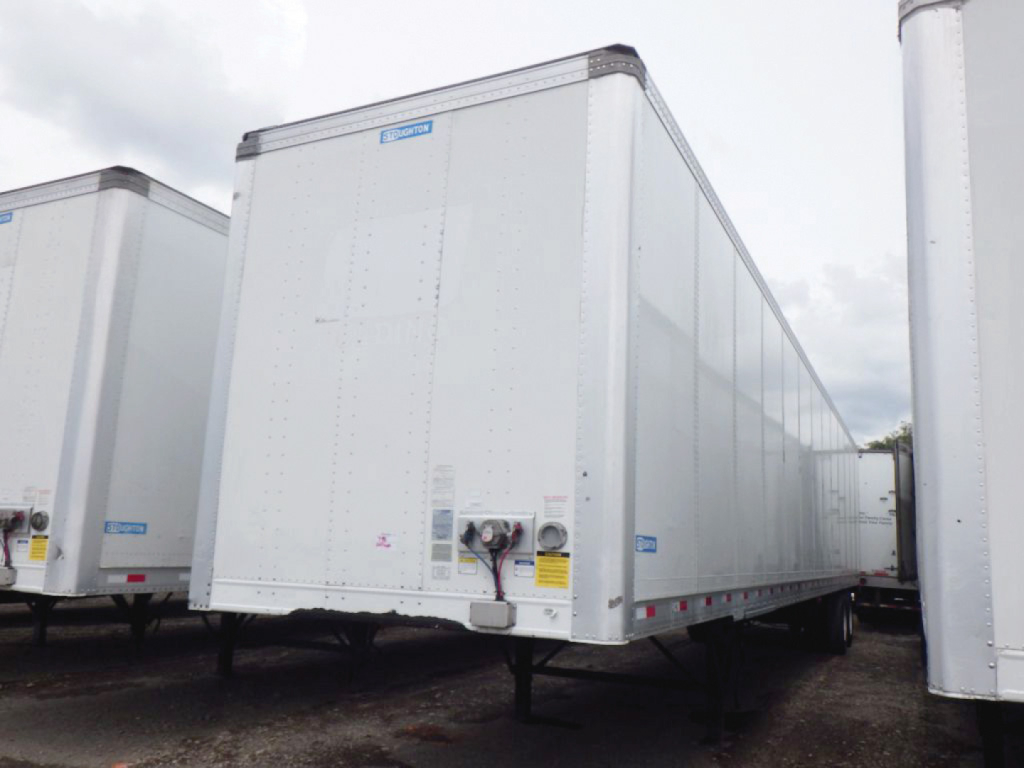
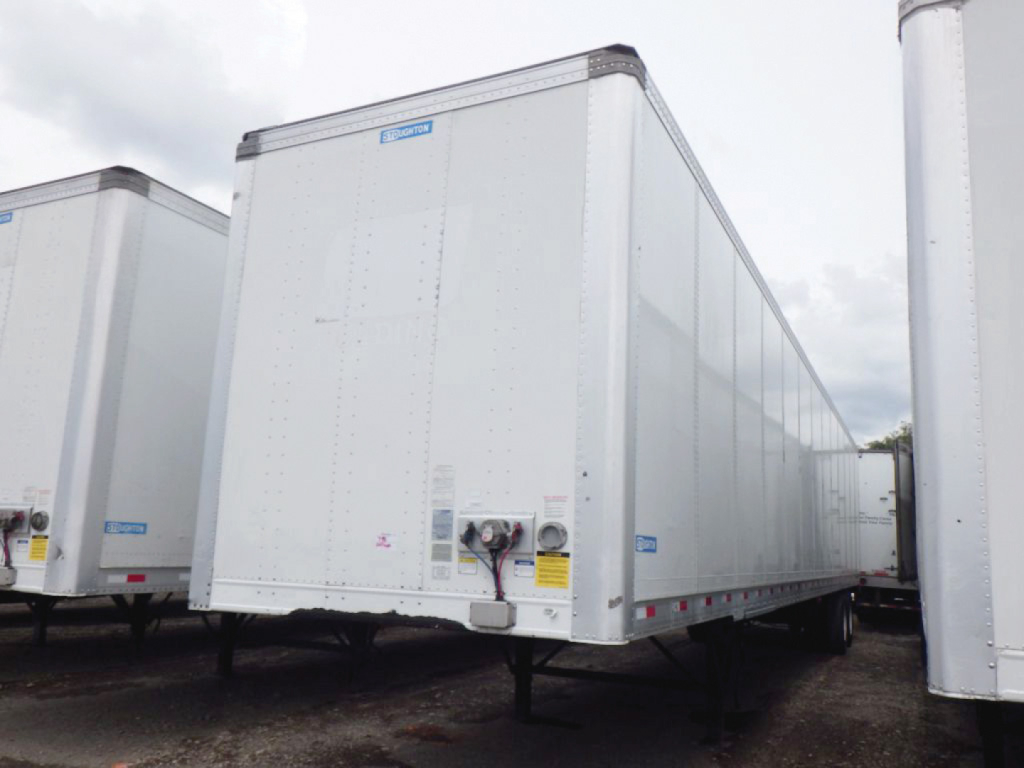
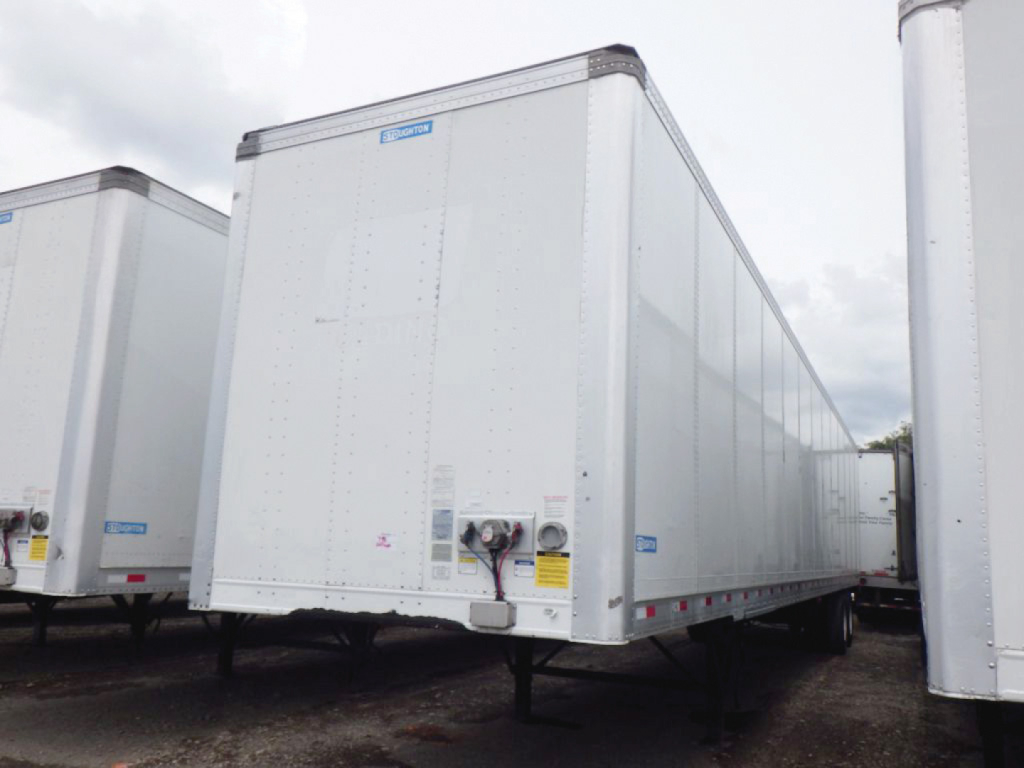
Have stoughton van trailer to sell? List it here to reach thousands of buyers.
Stoughton Van Trailers in Georgia
The specs most buyers focus on are straightforward and important. Typical Stoughton van trailers in this class are 53 feet long, 102 inches wide, and 13 feet 6 inches high, with air ride suspension, tandem axles, 22.5 low-profile tires, and steel or disc wheels commonly seen in fleet service. Sliding tandems matter if the trailer will run across multiple states with bridge law considerations or move between shipper and port-related work. Kingpin setting is another detail that deserves attention, especially for fleets matching trailers to specific tractor wheelbases, yard constraints, or weight distribution requirements. Door style also changes the trailer's daily usefulness. Swing doors are simple, durable, and common in full dock loading, while roll-up doors can help in urban delivery or frequent stop applications where dock clearance is tight.
Inside the trailer, cargo control and liner configuration often tell you more about suitability than the badge on the nose. Many Stoughton vans are equipped with logistics posts, scuff plates, threshold plates, wood floors, and composite lining or sidewall protection. These features matter for mixed freight, palletized consumer goods, and operations where forklift traffic is constant. Buyers should inspect floor condition, wall integrity, roof bows, crossmembers, rear frame area, and signs of repeated dock impact. On used dry vans, the difference between a trailer that is merely serviceable and one that is truly fleet-ready often comes down to floor wear, door seal condition, suspension health, and how well the interior has been protected from cargo damage over time.
A Stoughton van trailer is usually a practical buy for carriers that need standard dry van versatility with fleet-friendly specifications. The best unit depends on freight profile, loading environment, lane restrictions, and maintenance priorities. Plate construction may make more sense for demanding dock operations and tougher loading cycles, while an aluminum van may appeal to fleets watching tare weight and payload flexibility. For Georgia buyers, it also makes sense to consider corrosion exposure, tire condition, brake type, and axle alignment if the trailer has spent time in heavy regional service. A well-matched dry van trailer should load easily, track straight, seal tightly at the rear, and hold up to repeated dock work without becoming a maintenance distraction.
Frequently Asked Questions about Stoughton Van Trailers in Georgia
What is the difference between a Stoughton plate van and a Stoughton aluminum van?
A Stoughton plate van generally emphasizes structural durability and is often favored in demanding fleet service with frequent dock contact, forklift loading, and high trailer utilization. A Stoughton aluminum van can reduce trailer weight, which may help with payload and operating efficiency, depending on the freight being hauled. The right choice depends on the balance between durability, tare weight, repair strategy, and the type of freight cycle the trailer will see.
What specs are most important when buying a used Stoughton van trailer?
The core specs to verify are trailer length, width, overall height, kingpin setting, tandem configuration, suspension type, tire size, wheel type, and door style. Beyond basic dimensions, buyers should pay close attention to floor condition, logistics track layout, scuff liner protection, roof integrity, crossmember condition, and rear frame wear. These details affect how the trailer loads, scales, docks, and holds up in service more than model year alone.
Are Stoughton van trailers good for Southeast regional freight in Georgia?
Yes. Stoughton dry van trailers are well suited for Georgia freight patterns that include retail distribution, warehouse transfers, general dry goods, and long-haul truckload service through Atlanta and the broader Southeast. Sliding tandems can be especially useful for bridge compliance and lane flexibility, and standard 53-foot dry van dimensions fit the majority of distribution and dock operations in the region.
Should I choose swing doors or a roll-up door on a Stoughton van trailer?
Swing doors are the more common choice for general freight because they are simple, durable, and provide full rear opening access at standard docks. Roll-up doors can be useful in tight urban or multi-stop operations where door swing clearance is limited, but they may reduce rear opening height slightly and add another maintenance point. The better option depends on the loading environment and how often the trailer is opened during a route.
What should buyers inspect on a used dry van trailer before purchase?
A serious inspection should cover the wood floor for forklift damage, the sidewalls and scuff plates for repeated impact, the roof and seams for leaks, the rear frame and threshold for dock damage, and the suspension for worn components or poor alignment. Buyers should also check door seals, hinge wear, tandem slide function, brake condition, tire wear pattern, and signs of prior structural repair. On a dry van, hidden wear often shows up first in the floor system, rear structure, and cargo-contact areas.