
Pines Van Trailers For Sale
Browse Pines van trailers with common dry van specs like 53-foot length, swing doors, wood floors, and spring ride setups.
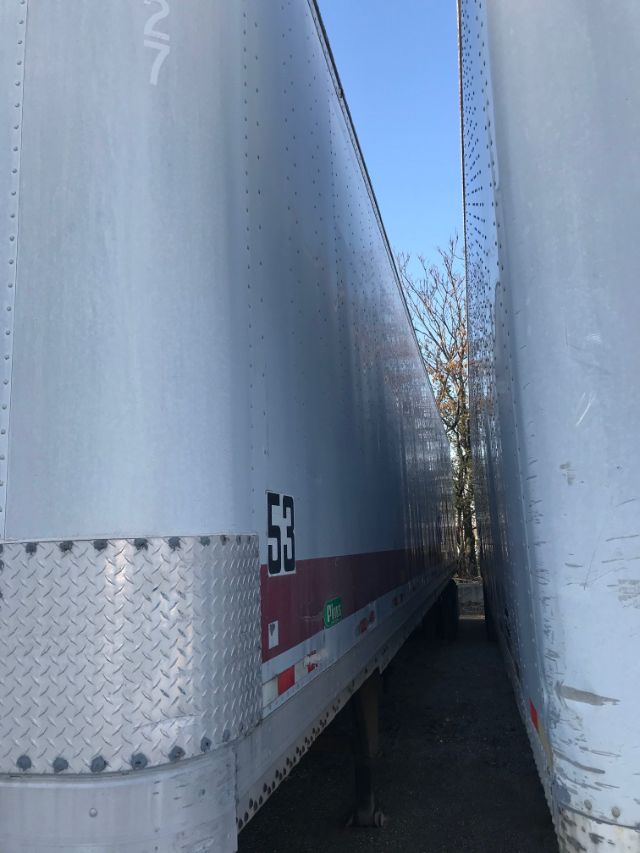
Have pines van trailer to sell? List it here to reach thousands of buyers.
Pines Van Trailers
On older Pines van trailers, condition matters more than branding alone. Buyers should pay close attention to crossmember integrity, floor wear, roof leaks, door frame alignment, and signs of prior sidewall repair. Wood floors are common and still practical for mixed freight, especially where forklifts are loading daily, but floor thickness and patch history should be checked closely. Swing doors are also common on dry vans in this class and are simple to maintain, though they need solid hinges, good seals, and a square closing surface to keep the trailer weather-tight.
Suspension choice affects ride quality, maintenance cost, and the kind of lanes the trailer fits best. Spring ride is common on older dry vans and can be a good fit for general freight and budget-conscious operations, but buyers hauling sensitive cargo may prefer to compare it against air ride alternatives in the broader van trailer market. A translucent roof can be a useful feature for daytime loading because it improves natural light inside the trailer, helping at docks and yard locations where interior visibility matters. Tire condition, brake life, wheel-end service history, and DOT compliance items are all worth reviewing before putting an older van trailer into regular rotation.
A Pines dry van trailer is typically best evaluated as a practical freight box rather than a specialty trailer. The value is in usable cube, sound structure, and low-cost serviceability. If the doors seal properly, the roof is dry, the floor is solid, and the running gear is road-ready, this category can serve well in local delivery, regional freight, storage use, and backup fleet duty. Buyers looking at Pines van trailers should focus on freight type, dock requirements, and maintenance history first, then compare age and price against the trailer's remaining service life.
Frequently Asked Questions about Pines Van Trailers
What should I inspect first on a used Pines van trailer?
Start with the structure and cargo area. Check the floor for rot, soft spots, excessive patching, and forklift damage. Inspect the roof for leaks, especially around seams and any repaired areas. Look at the rear frame and swing doors for alignment, seal condition, hinge wear, and signs of impact. Underneath, review crossmembers, landing gear mounts, suspension components, brake condition, and tire wear. On an older dry van, these items usually matter more than the nameplate.
Are Pines van trailers mainly dry vans?
In this category, Pines trailers are typically dry van trailers used for enclosed freight. A dry van is the standard enclosed trailer for palletized goods, boxed freight, retail products, and general cargo that does not need temperature control. Buyers should confirm door type, interior dimensions, floor material, and roof style to make sure the trailer matches the freight and loading method they run.
Is spring ride a drawback on a dry van trailer?
Not necessarily. Spring ride is a common setup on older dry van trailers and can be dependable and cost-effective to maintain. It may not deliver the same ride quality as air ride, which can matter for fragile or vibration-sensitive freight, but for many general freight applications it remains a workable choice. The key is to inspect bushing wear, axle alignment, equalizers, and the overall condition of the suspension rather than judging the trailer on suspension type alone.
Why does a translucent roof matter on a van trailer?
A translucent roof improves natural light inside the trailer during daytime loading and unloading. That can help drivers and dock crews see freight placement more clearly without relying as much on interior lighting. It is a practical feature on dry vans used in yards, local delivery, or warehouse environments, but buyers should still inspect the roof carefully for cracking, discoloration, seam issues, and evidence of water intrusion.