
New Van Trailers For Sale in Illinois
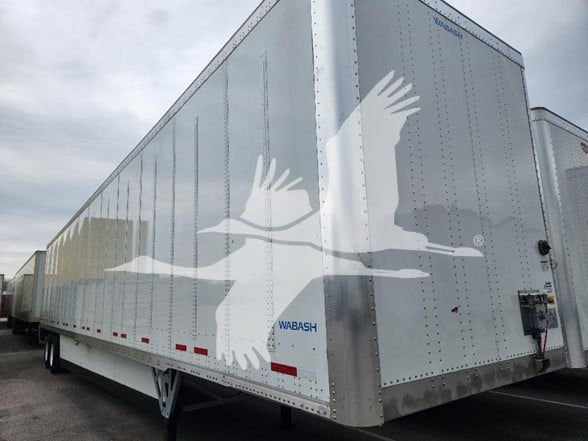
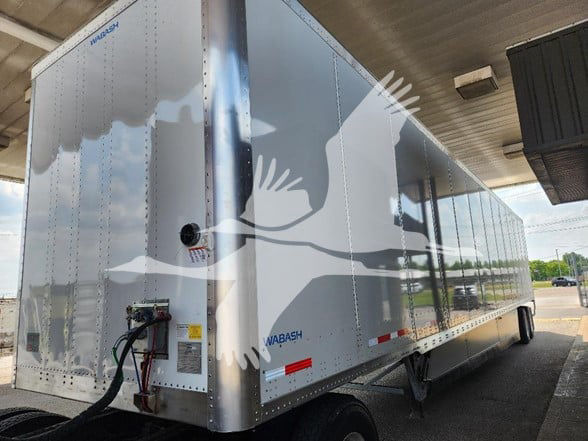
New dry van trailers for sale in Illinois. Compare 53-foot specs, air ride, logistics options, galvanized components, and fuel-saving features.
Have new van trailer to sell? List it here to reach thousands of buyers.
New Van Trailers in Illinois
Frequently Asked Questions about New Van Trailers in Illinois
What is the most common spec for a new van trailer in Illinois?
The most common setup is a 53-foot dry van with tandem axles, air ride suspension, swing rear doors, and logistics posts or track for load securement. Illinois fleets often prioritize dock-friendly specs, durable floors, and corrosion protection because these trailers see a mix of regional shuttle work, intermodal support, and long-haul freight. Features like tire inflation systems, side skirts, and galvanized rear structures are also common on newer builds.
What is the difference between sheet-and-post and plate-wall dry van trailers?
Sheet-and-post dry vans use an exterior skin supported by closely spaced vertical posts, which can provide strong sidewall support and frequent securement points when paired with logistics posts on tight centers. Plate-wall trailers use larger composite or plate panels with fewer visible interruptions inside the trailer, which can help reduce cargo snags and simplify loading. The better choice depends on your freight mix, damage exposure, repair preferences, and how much interior securement flexibility you need.
Which features matter most on a new dry van trailer?
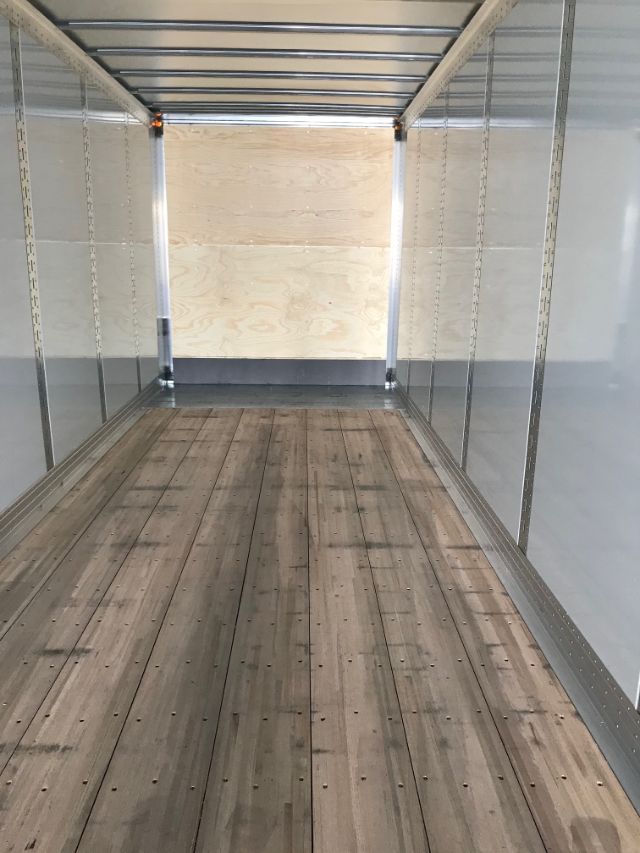
The most important features usually come down to suspension, sidewall construction, securement layout, floor durability, and corrosion resistance. Air ride is preferred for ride quality and freight protection. Logistics posts on 16-inch, 24-inch, or wider centers affect how easily loads can be strapped or braced. Galvanized components, aluminum roofs, composite doors, and bolt-together rear bumpers can lower long-term repair costs and improve resale appeal. Tire inflation systems and aerodynamic side skirts can also help reduce operating costs over time.
Are swing doors or roll-up doors better on a dry van trailer?
Swing doors are the more common choice on over-the-road dry vans because they are lighter, seal well, and preserve full rear opening height. They are a good fit for dock loading and general freight. Roll-up doors can be useful in multi-stop delivery work where drivers need quick access and have limited space behind the trailer, but they typically add weight and can reduce rear opening clearance. For most fleet and linehaul applications, swing doors remain the standard spec.
Why do buyers look for galvanized parts on new van trailers?
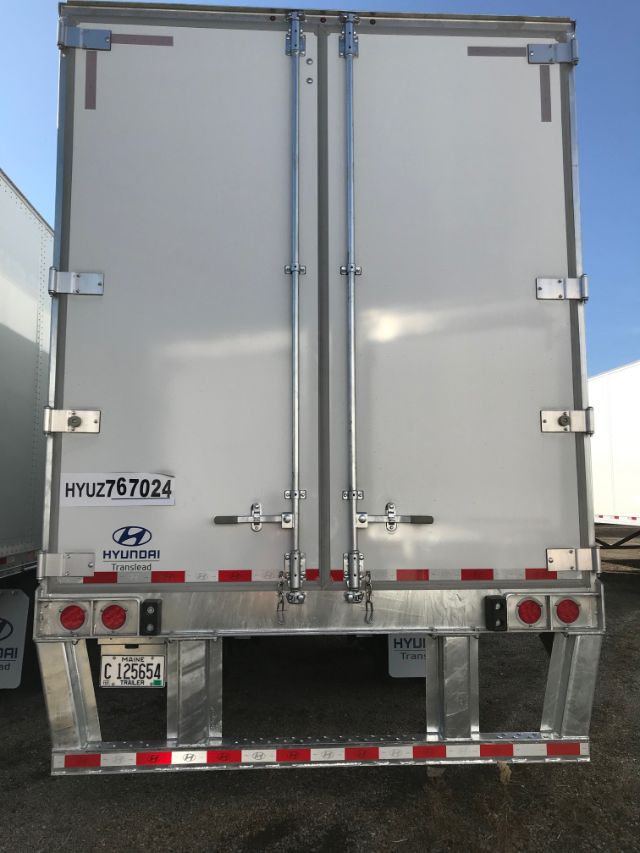
Galvanized rear frames, landing gear braces, thresholds, and other structural components help resist corrosion caused by moisture, road salt, and frequent winter operation. That is especially relevant in Illinois and the upper Midwest, where trailers are exposed to harsh seasonal conditions. Better corrosion protection can extend service life, improve appearance, reduce structural repair frequency, and support stronger resale value when the trailer cycles out of the fleet.