
Manac Van Trailers For Sale
Shop Manac van trailers with buyer-focused details on dry van and drop deck van specs, construction, axle setups, and common freight applications.
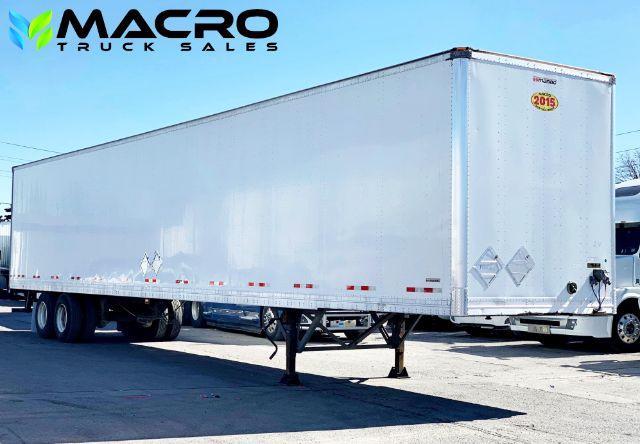
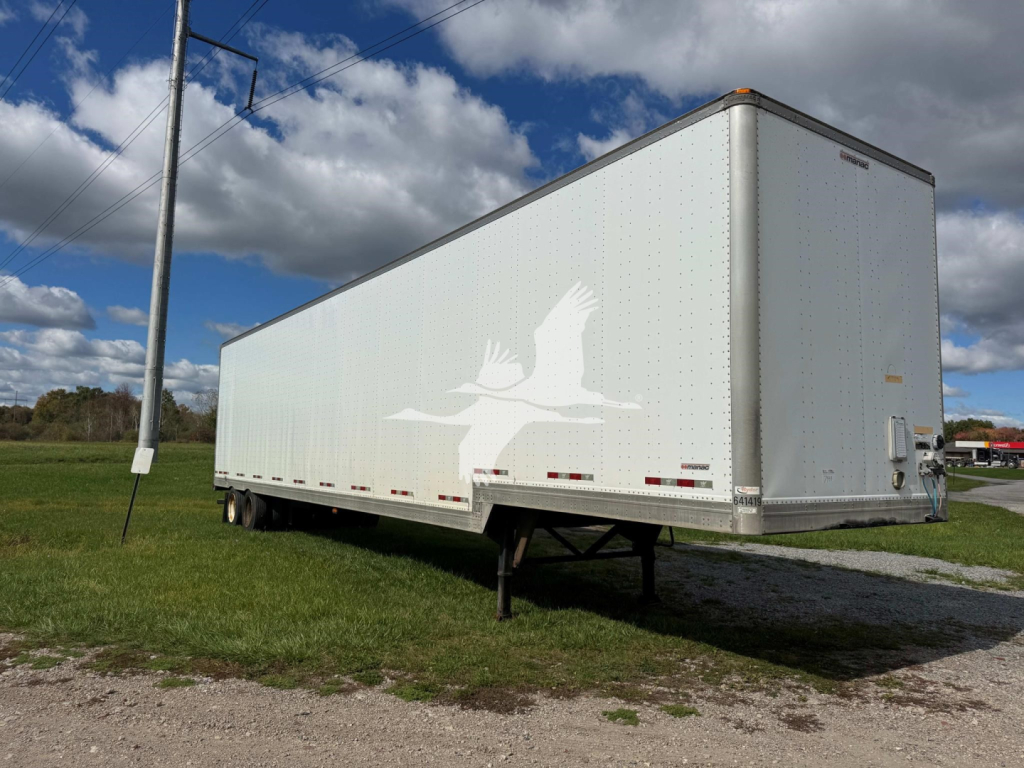
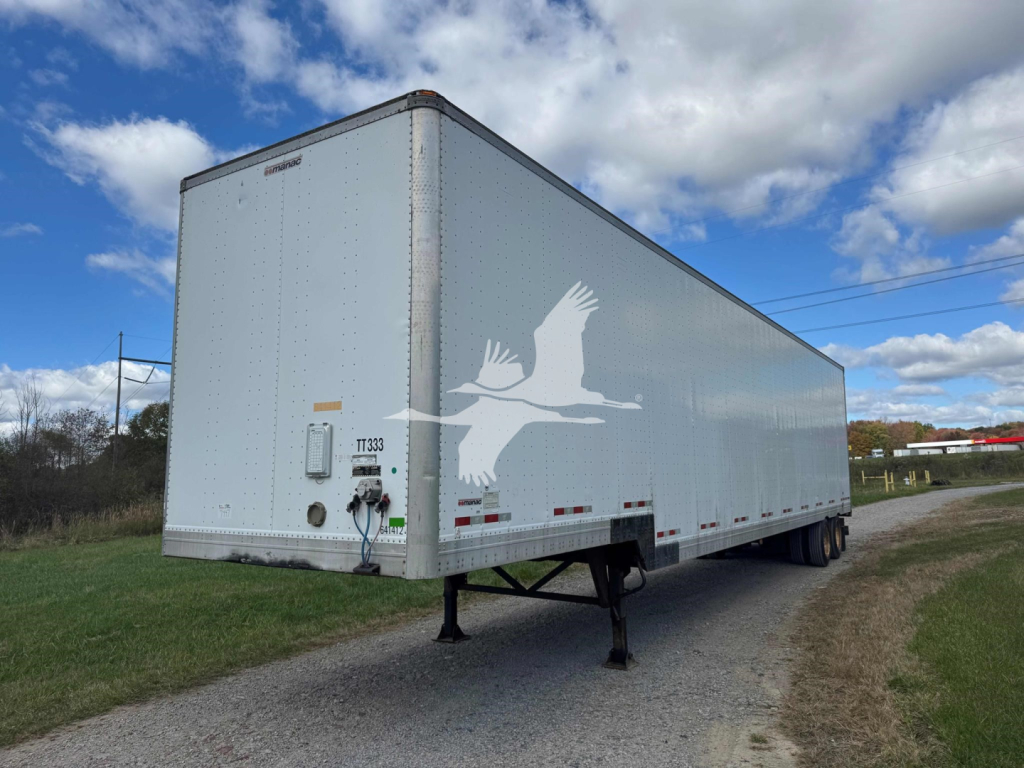
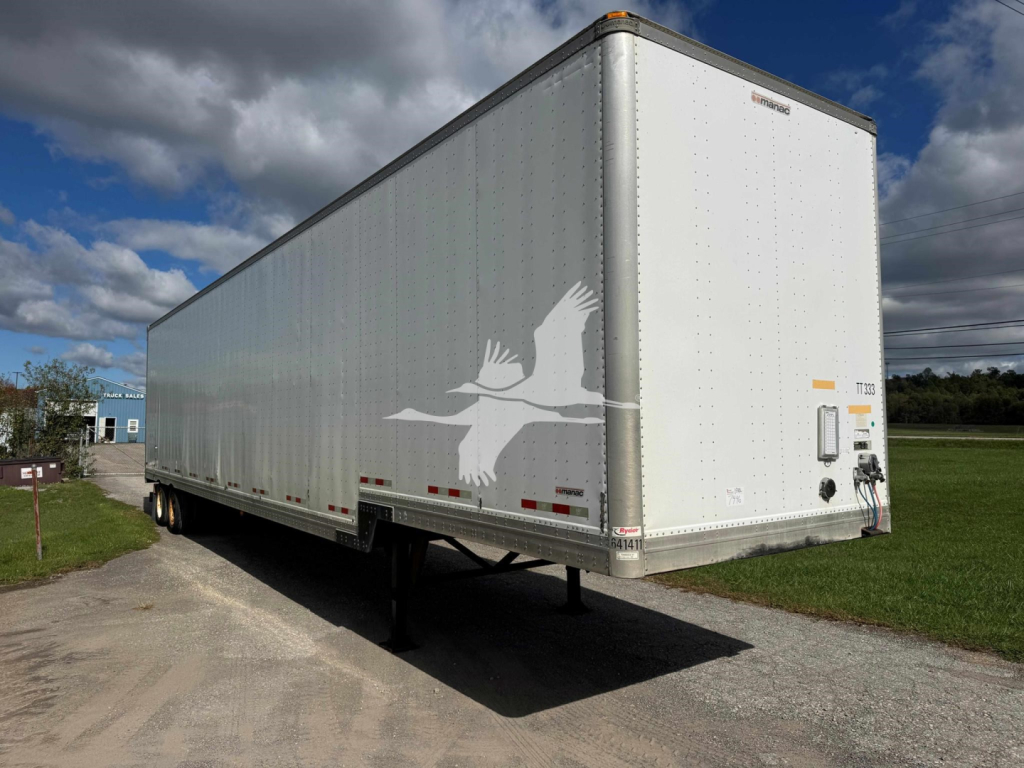
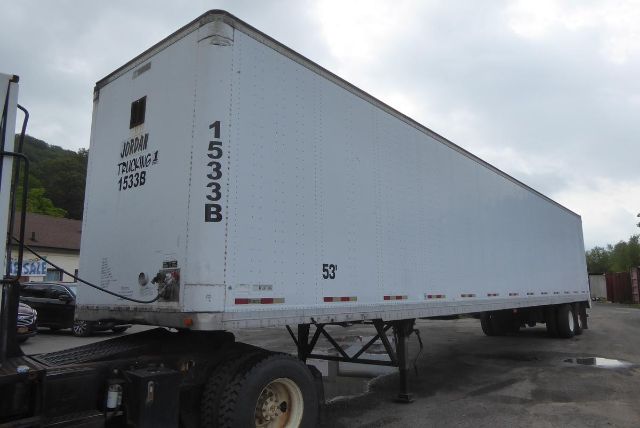
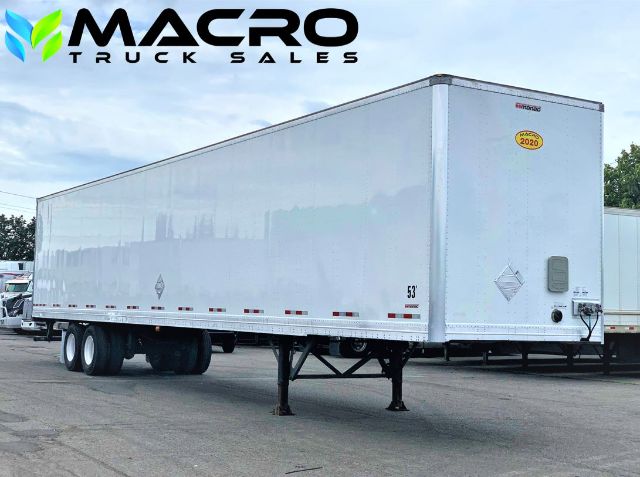
Have manac van trailer to sell? List it here to reach thousands of buyers.
Manac Van Trailers
Frequently Asked Questions about Manac Van Trailers
What is the difference between a Manac dry van and a Manac drop van?
A Manac dry van has a conventional flat floor throughout the trailer and is designed for standard palletized freight, retail loads, and general dock freight. A Manac drop van, sometimes called a drop deck van trailer, has a raised front section and a lowered main deck. That design increases interior clearance in the rear section, which helps with taller freight that still needs weather protection and security. Buyers should compare top deck length, main deck length, inside height, and the amount of drop because those measurements determine what freight the trailer can actually handle.
What specs matter most when shopping for a used Manac van trailer?
The most important items are length, axle configuration, suspension type, kingpin setting, door style, interior dimensions, and overall structural condition. Many buyers also look closely at roof type, floor composition, rear frame condition, crossmember spacing, landing gear condition, tire size, brake life, and whether the trailer has sliding tandems or fixed tandems. For freight work, inside width and inside height matter just as much as outside dimensions because they affect pallet count, loadability, and usable cube.
Are Manac van trailers commonly used for cross-border and regional freight?
Yes. Manac van trailers are common in regional Canadian service and in cross-border applications where fleets need standard 53-foot dry vans or specialized enclosed drop vans. Their specs often line up well with dock freight, packaged goods, and general van freight. Buyers moving freight between Canada and the U.S. should confirm axle spread, overall dimensions, lighting, tire ratings, and any local compliance requirements before purchase, especially if the trailer was originally operated in a different jurisdiction.
What construction features should buyers inspect on a Manac van trailer?
Pay close attention to sidewall construction, roof condition, floor wear, rear frame corrosion, door hardware, and scuff liner condition. Many Manac vans are built with aluminum or FRP side construction, wood floors, translucent roofs, swing doors, and steel wheel packages. On older trailers, check for floor soft spots, threshold plate damage, roof bow issues, hinge wear, and corrosion around the rear sill and crossmembers. On drop vans, inspect the transition area between the upper deck and main deck because that section sees concentrated loading stress.
Is air ride suspension better than spring suspension on a Manac van trailer?
Air ride is usually preferred for ride quality and cargo protection, especially on higher-value or damage-sensitive freight. It can also help reduce shock transfer to the trailer structure and improve handling consistency under varying load conditions. Spring suspension is simpler and may cost less to maintain, but it generally does not provide the same ride characteristics. The better choice depends on your lanes, freight type, maintenance program, and how much dock and highway time the trailer will see.