
Lufkin Van Trailers For Sale
Browse Lufkin van trailers with common 53-foot dry van specs, swing doors, logistics posts, air ride, and sliding tandems.
No exact matches found for your search
Showing Van Trailers instead.
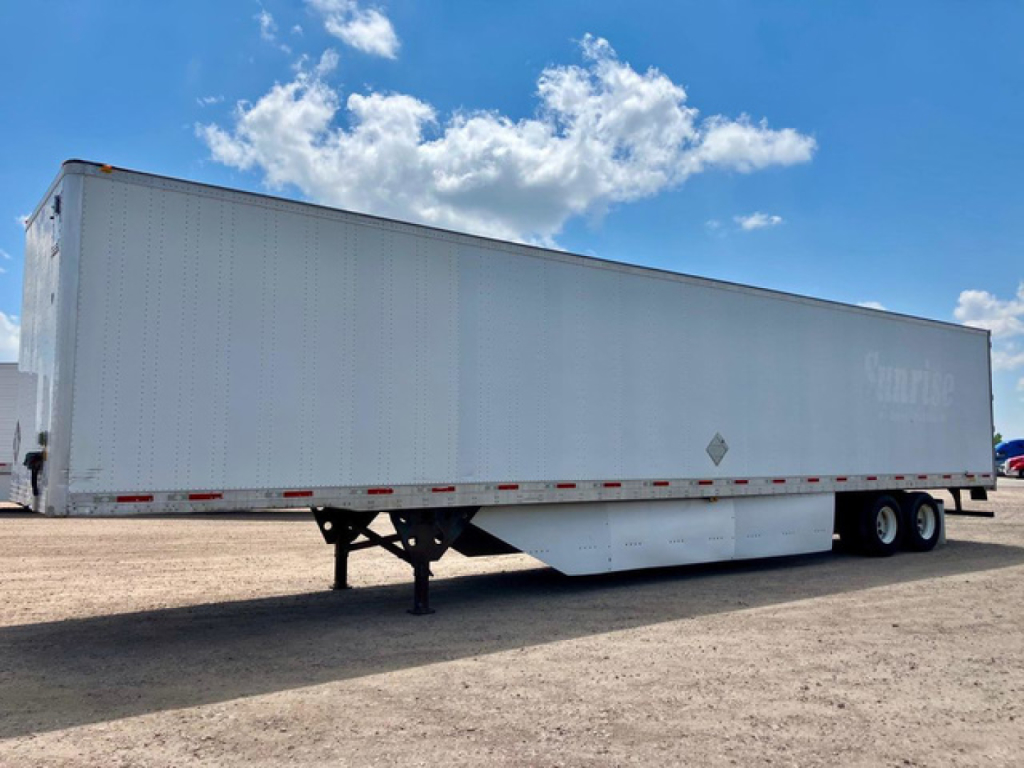
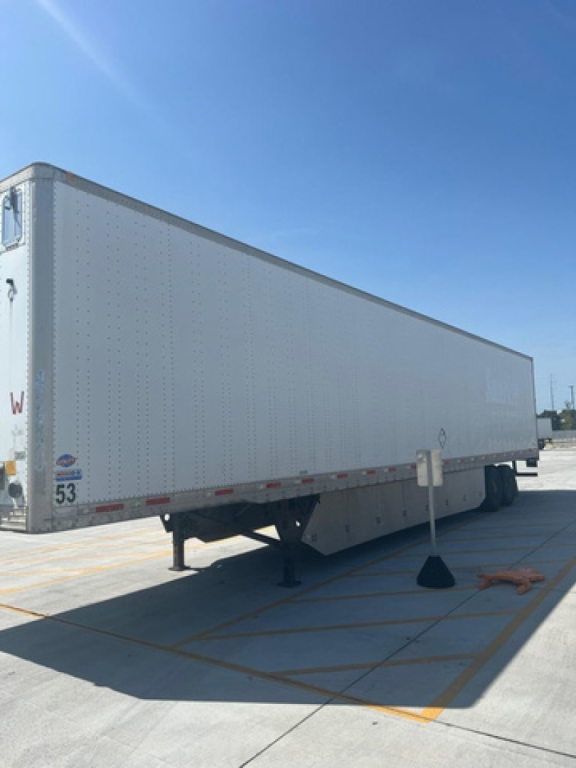
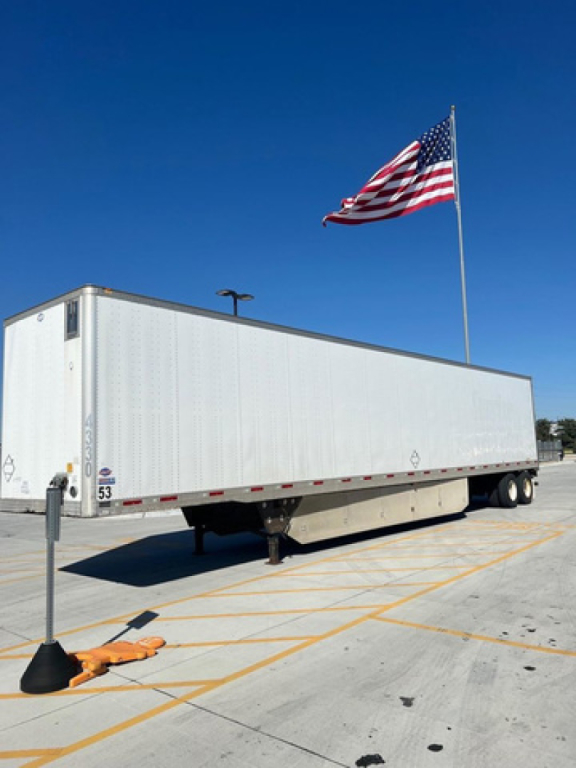
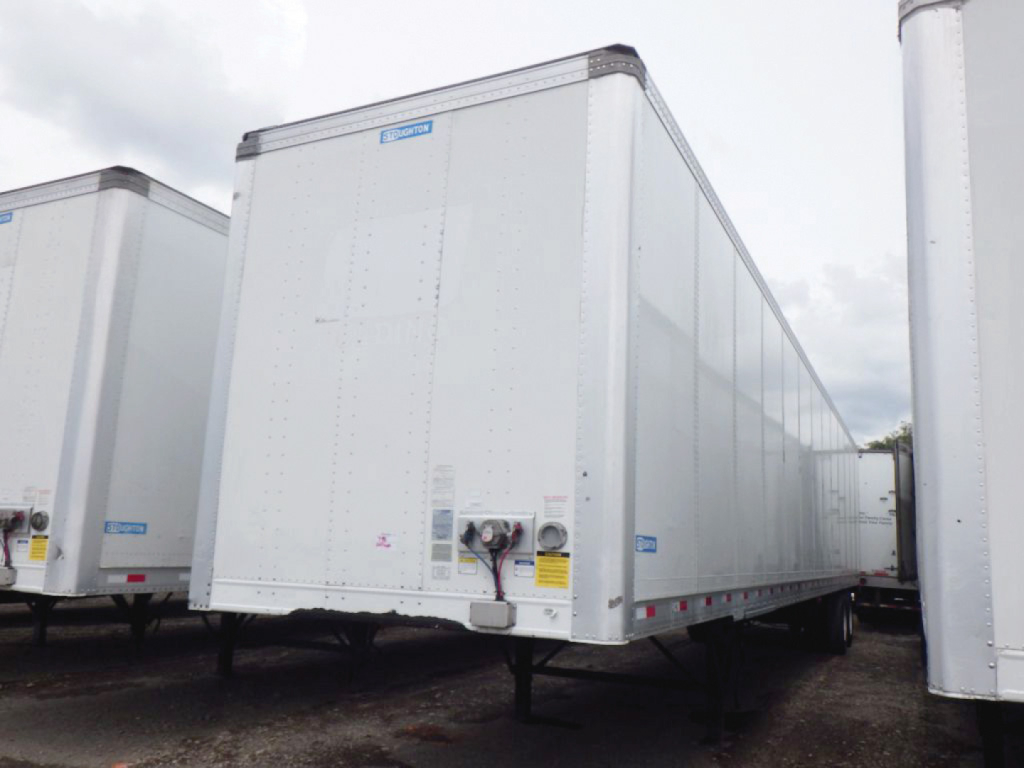
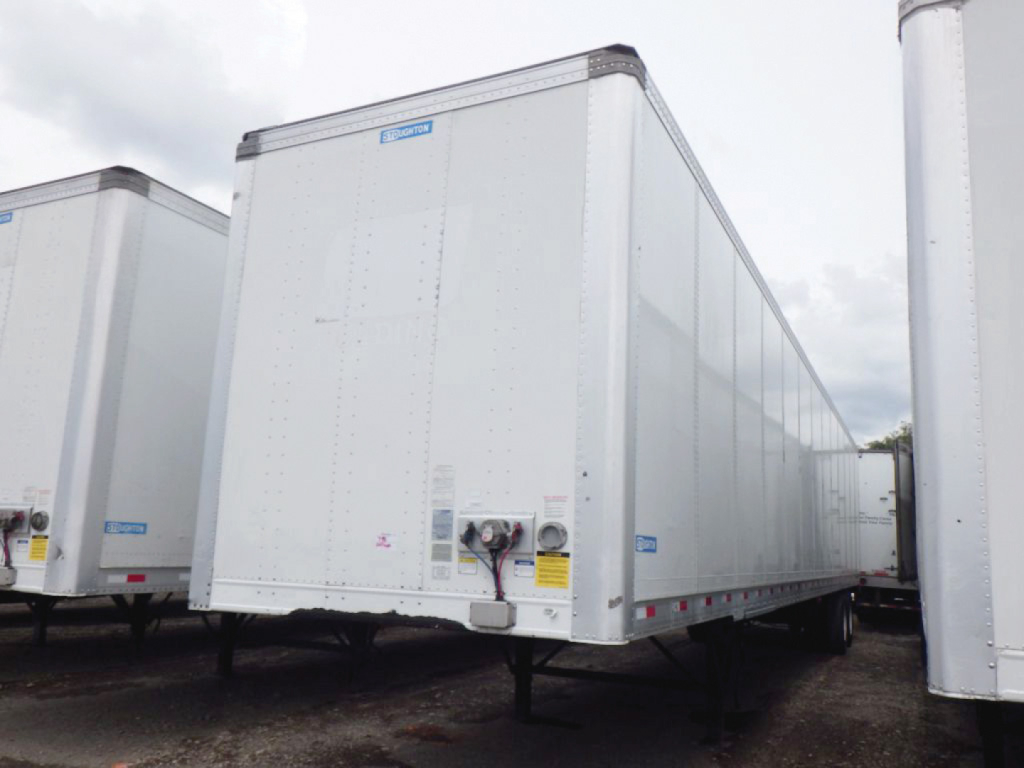
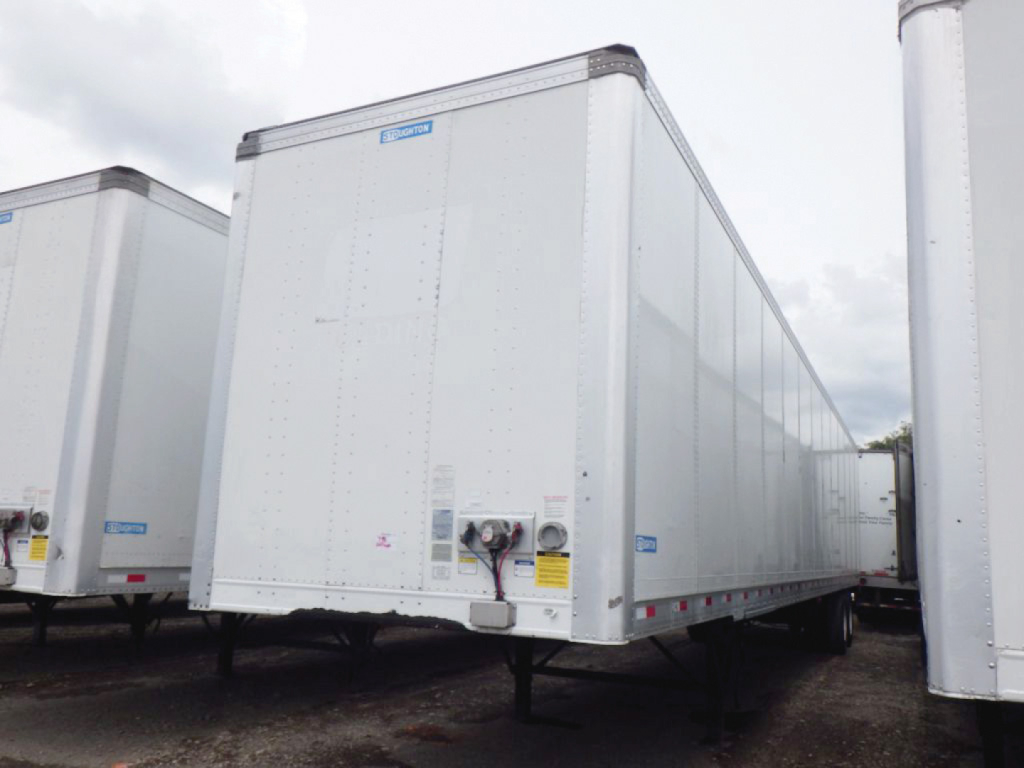
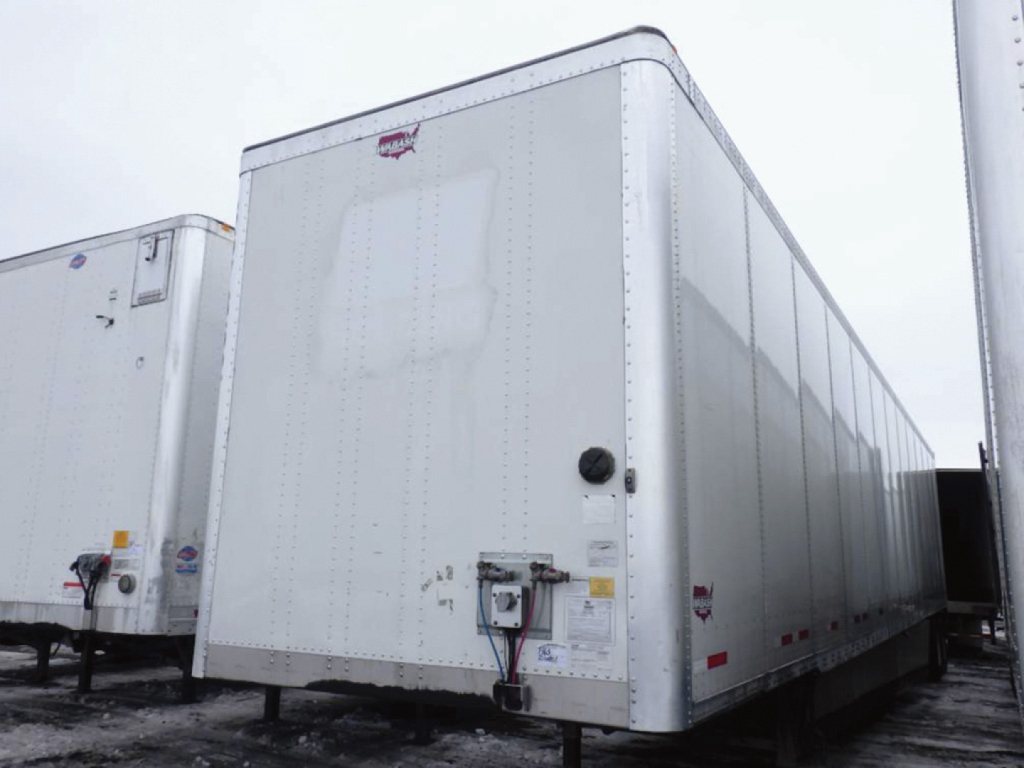
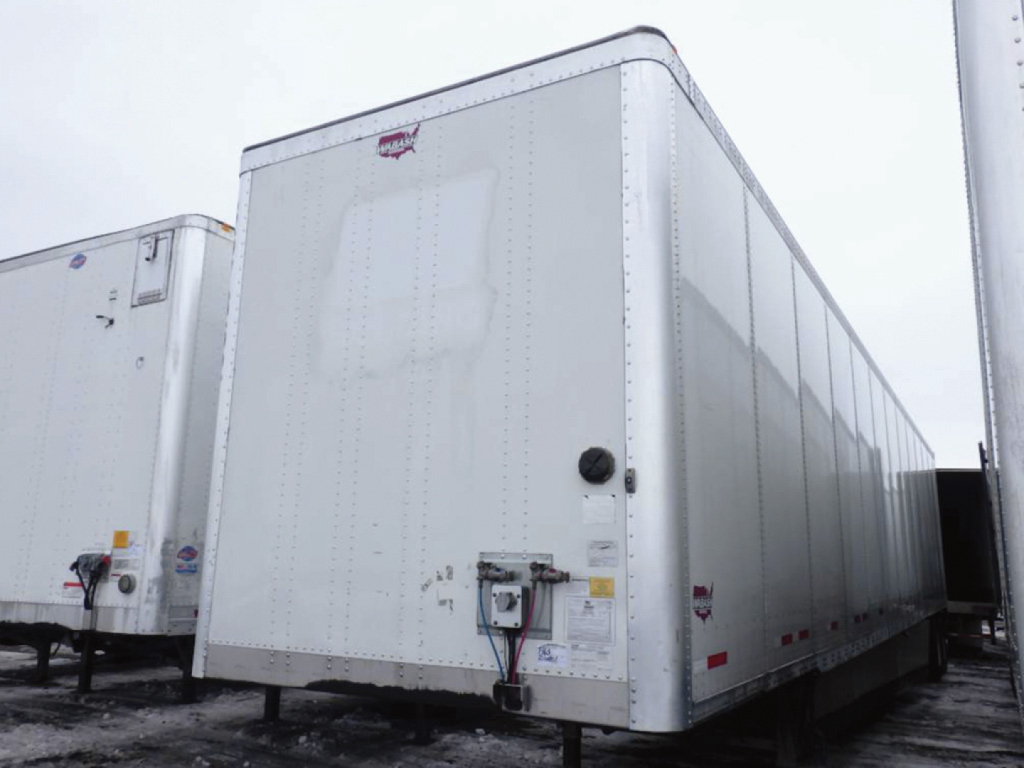
Showing 1 to 12 of 777 results
Have lufkin van trailer to sell? List it here to reach thousands of buyers.
Lufkin Van Trailers
On many used Lufkin vans, the first things worth checking are the interior lining, floor condition, and logistics setup. Aluminum or composite-lined walls help protect the side sheets from forklift and pallet damage, while hardwood scuff bands or full scuff liners take abuse in high-cycle loading. Wood floors remain common and can be cost-effective to repair, but floor rot, soft spots, and excessive fastener pull-through should be inspected closely. Logistics posts, E-track-style securement options, and threshold plates matter if the trailer will haul mixed LTL, retail freight, or customer loads that require flexible cargo control.
Suspension and axle configuration have a direct effect on tire wear, ride quality, and how easy the trailer is to position for legal bridge spacing. Many Lufkin dry vans in the resale market are equipped with air ride suspension and sliding tandems, a practical setup for dock consistency and load protection. Buyers should also look at door type, wheel-end condition, and tire profile. Swing doors are common on fleet-spec dry vans because they are simple, durable, and easy to service, but door frame alignment, hinge wear, and seal condition can tell you a lot about how hard the trailer has been worked.
A used Lufkin van trailer can be a solid fit for carriers, private fleets, and drop-and-hook operations if the structure is straight and the maintenance history supports the price. Crossmembers, roof bows, front wall condition, side rail damage, and evidence of past repairs deserve close attention, especially on older units. If the trailer will be used in high-cube freight service, verify inside clearance and cubic capacity against your freight mix. For buyers comparing multiple dry vans, the best value usually comes from balancing age and price against floor life, lining condition, suspension spec, and how well the trailer matches your lanes, dock environment, and cargo securement requirements.
Frequently Asked Questions about Lufkin Van Trailers
What are the most common specs on a Lufkin van trailer?
Most Lufkin van trailers on the used market are 53 feet long and 102 inches wide, which is the standard dry van configuration for palletized over-the-road freight. Common features include swing doors, wood flooring, logistics posts or cargo control tracks, air ride suspension, and sliding tandem axles. Buyers should also verify trailer height, rear door opening, tire size, and kingpin setting because those details affect freight fit, bridge compliance, and compatibility with your existing tractor and lane requirements.
What should I inspect first on a used Lufkin dry van trailer?
Start with the floor, sidewall lining, roof, and rear frame. Floor damage from forklifts and repeated point loading can become expensive if crossmembers are affected. Interior lining and scuff protection can show how much dock abuse the trailer has seen. Check the roof for patches or bow damage, inspect the rear header and door frame for misalignment, and look underneath for cracked crossmembers, landing gear damage, and signs of poor structural repairs. Tire wear and tandem slider function also provide a quick read on maintenance quality.
Are Lufkin van trailers good for general freight?
Yes. A Lufkin van trailer is designed for the same broad dry freight applications as other standard dry vans, including retail goods, consumer products, boxed freight, and non-temperature-sensitive loads. The enclosed body protects cargo from weather and theft better than open-deck equipment, and common fleet specs such as logistics posts, scuff liners, and air ride make these trailers practical for both dedicated and spot-market work. The right trailer depends less on the badge alone and more on structure, maintenance, and the specific trailer spec.
Why does a sliding tandem matter on a van trailer?
A sliding tandem gives the operator flexibility to shift axle position for bridge law compliance, weight distribution, and dock approach. That is especially important in regional freight and multi-state operations where axle spacing and load balance can affect legality and ease of use. A properly functioning slider also helps in tight yard conditions and can improve compatibility with customer facilities. On a used trailer, the locking pins, rails, air system, and signs of corrosion or impact damage should all be inspected.
What is the advantage of metal-lined or composite-lined van trailer walls?
Metal-lined and composite-lined interiors help protect the trailer body from pallet strikes, shifting freight, and forklift contact. That added interior protection can extend trailer life and reduce damage to the outer side sheets. Composite lining can also help resist dents and reduce maintenance in some applications, while aluminum or metal lining is familiar to many fleets and service shops. The best choice depends on freight type, loading frequency, and how much wall protection your operation needs.