
Used Hyundai Van Trailers For Sale in North Carolina
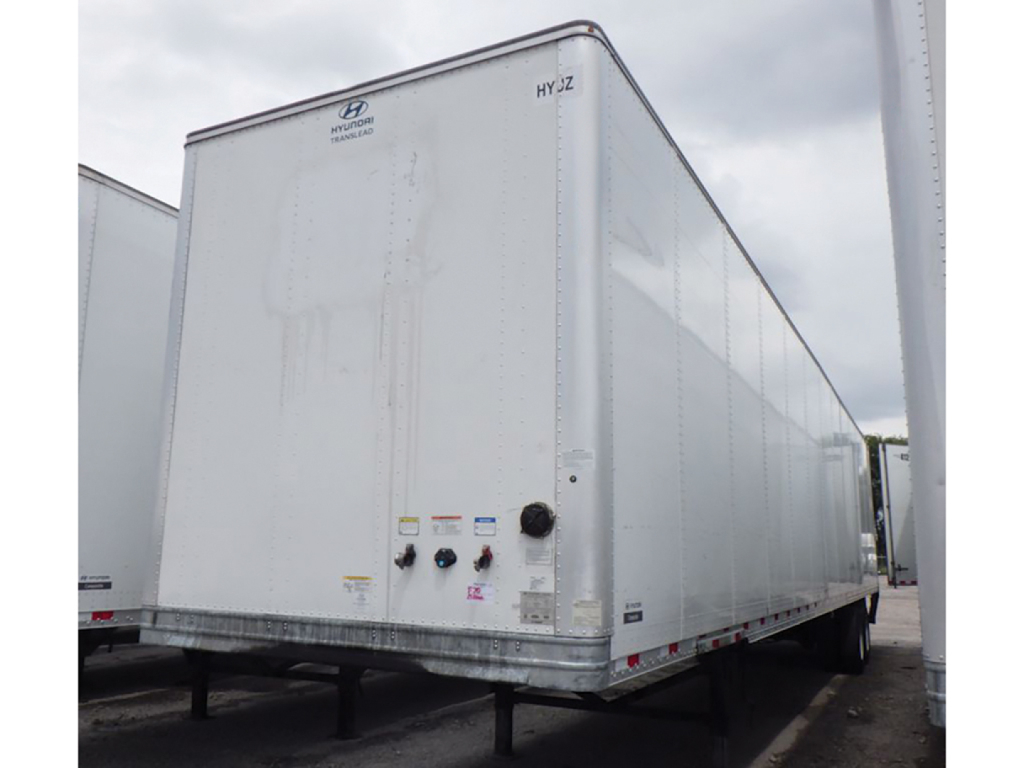
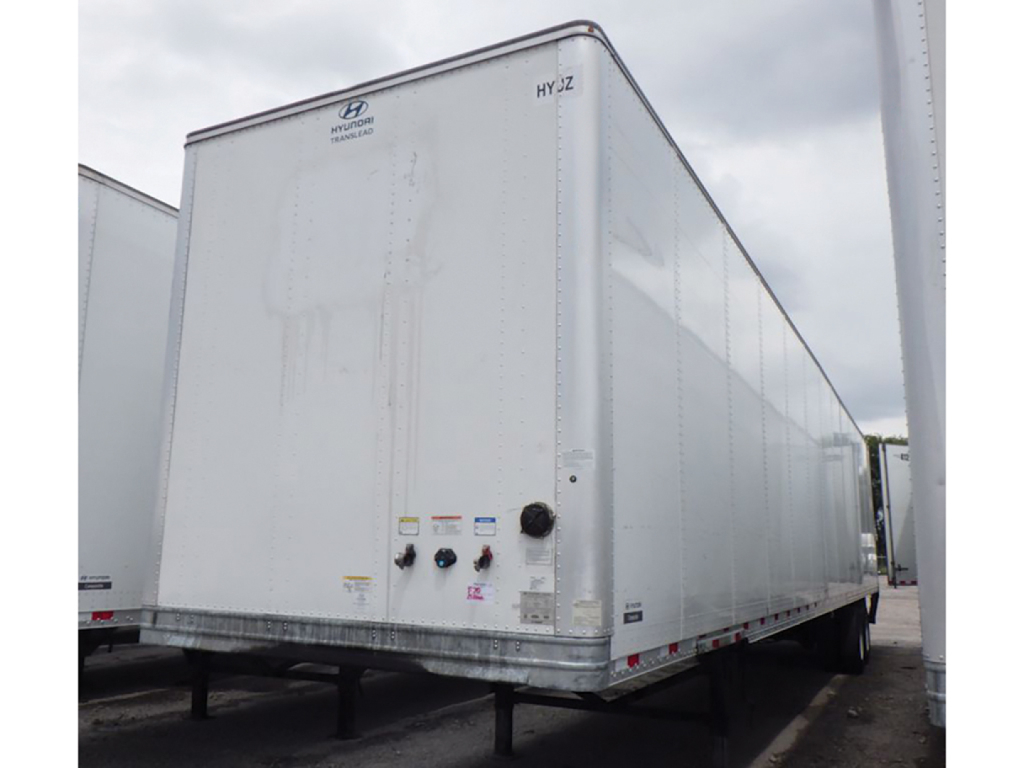
Shop used Hyundai van trailers for sale in North Carolina. Compare 53-foot dry vans with logistics posts, air ride, sliding tandems, and swing doors.
Learn more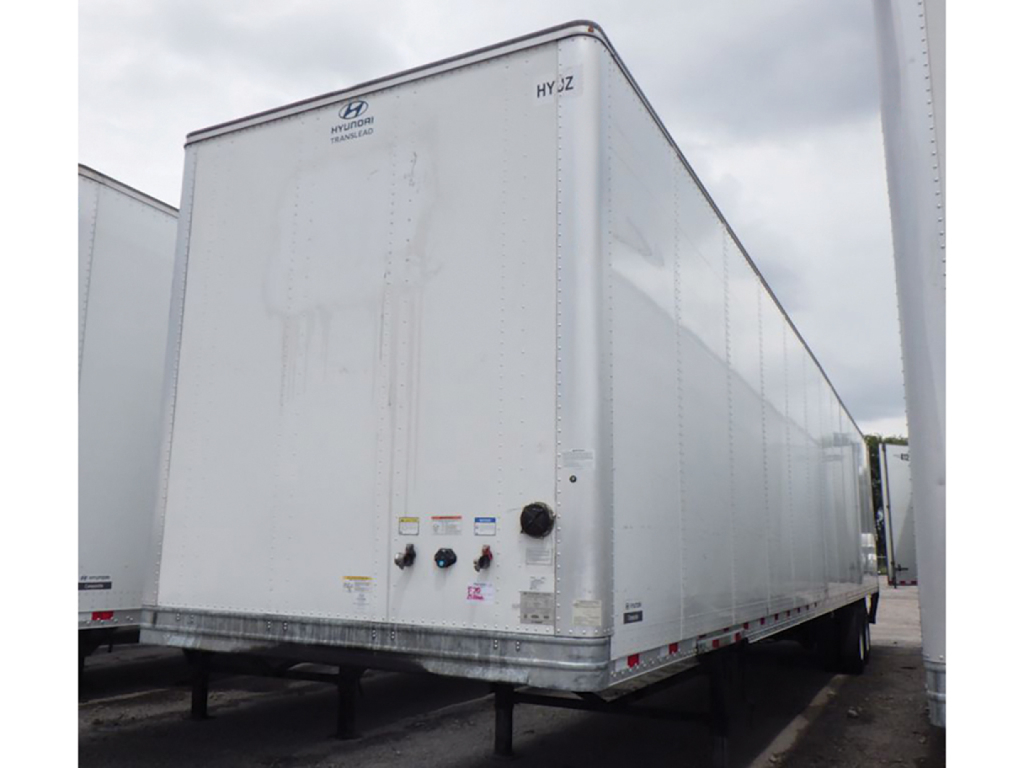

Have used hyundai van trailer to sell? List it here to reach thousands of buyers.
About Used Hyundai Van Trailers in North Carolina
A lot of the buying decision comes down to trailer construction and cargo-control setup. Hyundai plate vans and aluminum vans are both common on the used market, and the differences matter depending on duty cycle. Plate vans are often favored for fleet service where durability and repair consistency are priorities. Aluminum van configurations can offer weight advantages that help with payload-sensitive freight. Buyers should look closely at lining type, including plywood or composite lining, as well as scuff plates, threshold plates, and the condition of the wood floor. Logistics posts or full logistics track are important if the trailer will handle mixed freight, load bars, straps, or changing customer requirements.
Running gear and spec details make a big difference in daily use. Air ride suspension is preferred for ride quality and cargo protection, especially for consumer goods and higher-value freight. Sliding tandem axles help with bridge law compliance, dock positioning, and weight distribution across varying loads. Common specs in this category include 22.5 low-profile tires, disc or steel wheels, swing doors, and in some cases tire inflation systems or aerodynamic side skirts. On a used van trailer, pay attention to door frame alignment, roof condition, crossmember integrity, brake wear, suspension condition, tire age, and signs of impact damage around the rear sill and threshold area.
For many buyers, a used Hyundai van trailer is about finding a practical dry van with mainstream parts support and familiar fleet specs. The best fit depends on freight type, payload targets, lane length, and how often the trailer sees docks, drop lots, and uneven yards. A cleaner late-model trailer with logistics equipment and good tire, brake, and floor life may reduce reconditioning costs, while an older aluminum van can still pencil out well for lighter-duty regional work if the structure is sound. Matching kingpin setting, tandem slide range, interior lining, and door style to the freight you haul is usually more important than focusing on model name alone.
Frequently Asked Questions
What are the most common specs on a used Hyundai van trailer?
Most used Hyundai van trailers in this category are 53-foot dry vans with a 102-inch width and 13-foot 6-inch overall height. Common specs include swing doors, wood floors, scuff plates, threshold plates, logistics posts or track, air ride suspension, sliding tandems, and 22.5 low-profile tires. Some units also include side skirts, front vents, or tire inflation systems depending on prior fleet spec.
What is the difference between a Hyundai plate van and a Hyundai aluminum van?
A Hyundai plate van typically uses plate-style side construction that many fleets choose for durability and uniform repair practices. A Hyundai aluminum van may provide lower tare weight, which can help on payload-sensitive freight. The right choice depends on your freight mix, expected abuse level, repair strategy, and how much value you place on weight savings versus structural design.
What should I inspect first on a used dry van trailer?
Start with the floor, roof, rear frame, suspension, brakes, and tires because those areas drive the biggest near-term operating costs. Check the floor for soft spots, patching, fastener pull-through, and forklift damage. Inspect the roof bows and roof skin for leaks or prior repairs, and make sure the swing doors seal properly and the rear sill is not bent or cracked. Then review axle alignment, tandem slide operation, brake lining life, tire date codes, and overall structural condition around crossmembers and landing gear mounts.
Are logistics posts and interior lining important on a used van trailer?
Yes. Logistics posts or track make the trailer more versatile for securing mixed freight with straps and load bars, which matters for dedicated retail, LTL support, and multi-stop operations. Interior lining such as plywood or composite panels helps protect the sidewalls from cargo and forklift contact. If the trailer will see heavy dock traffic or shifting freight types, these features can reduce interior damage and improve resale appeal.
Why do many buyers prefer air ride and sliding tandems on a van trailer?
Air ride suspension helps reduce shock transferred to the cargo and generally offers a smoother ride than spring suspension, which is important for consumer products, packaged goods, and higher-value shipments. Sliding tandems give the driver flexibility to meet bridge laws, balance axle weights, and adjust trailer position at docks or in tight yards. Together, these features make the trailer easier to use across different lanes, customers, and load profiles.