
Used 2020 Hyundai Van Trailers For Sale
Shop used 2020 Hyundai van trailers with 53' dry van specs, air ride, sliding tandems, logistics posts, and common fleet-ready options.
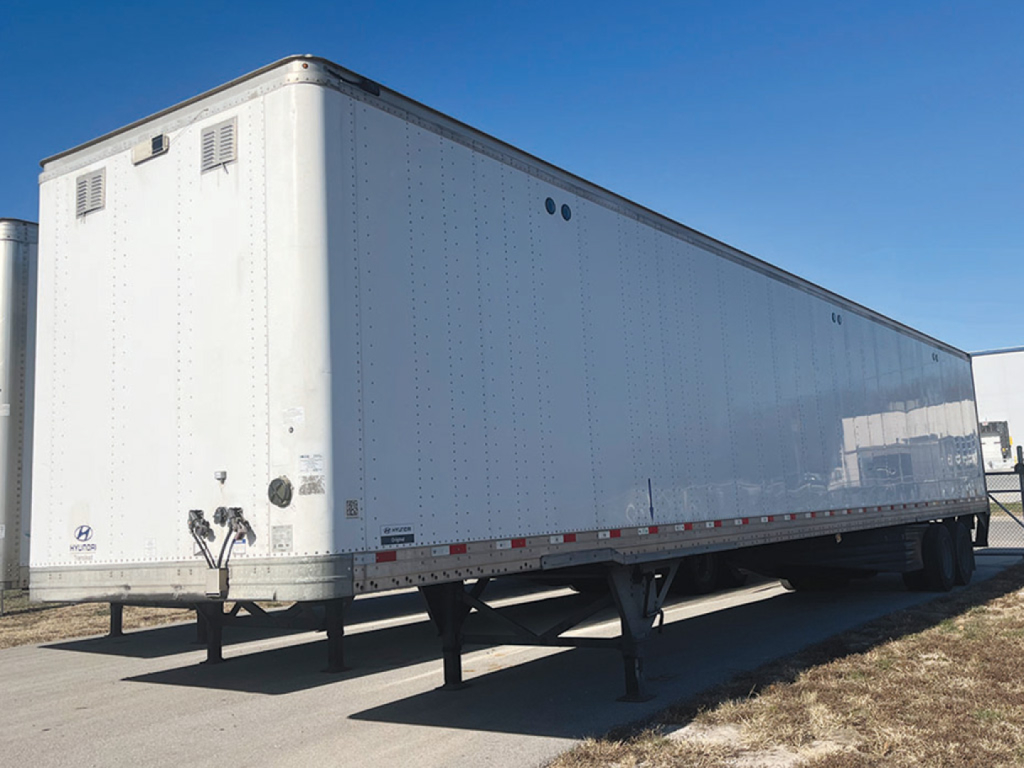
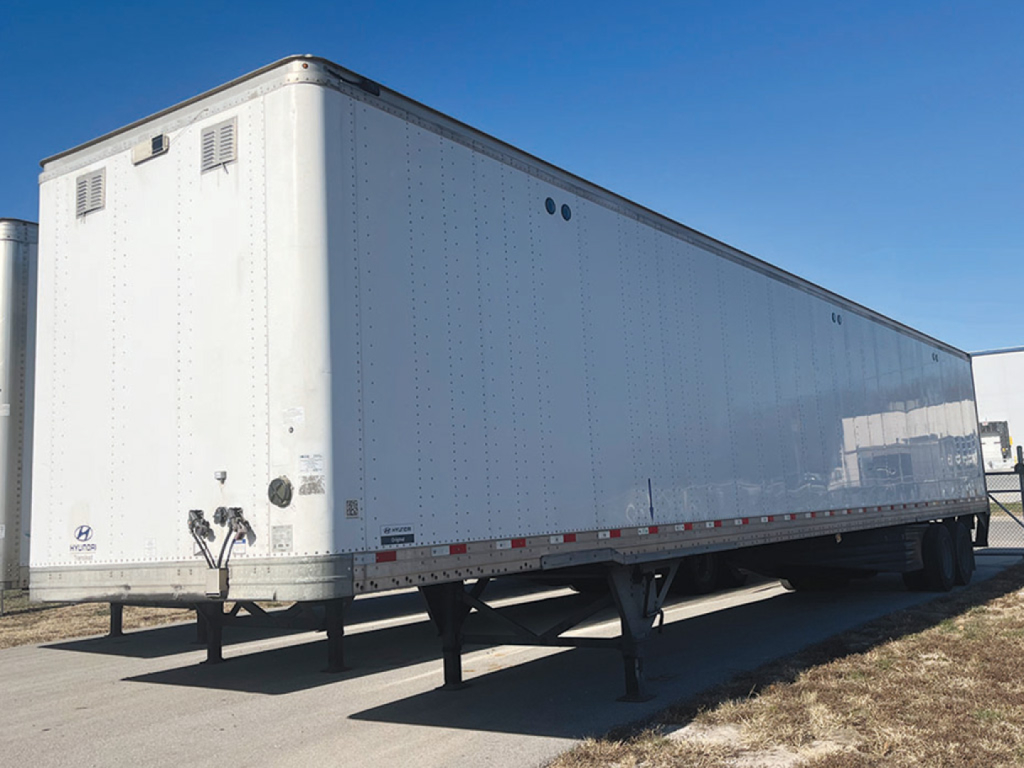
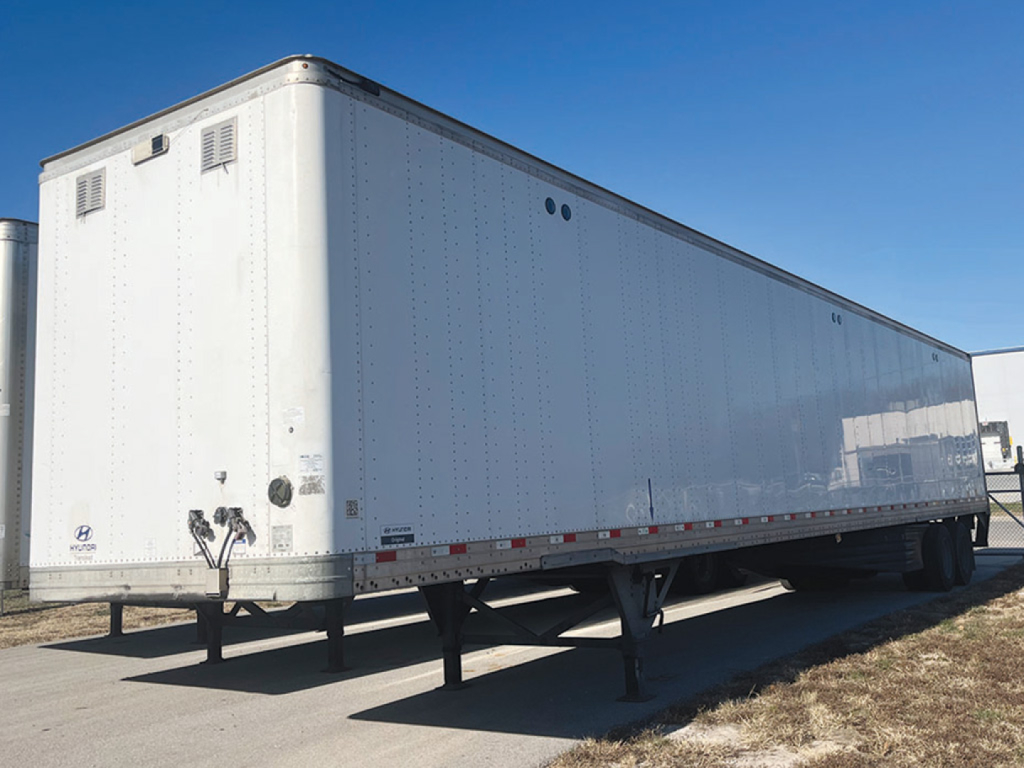
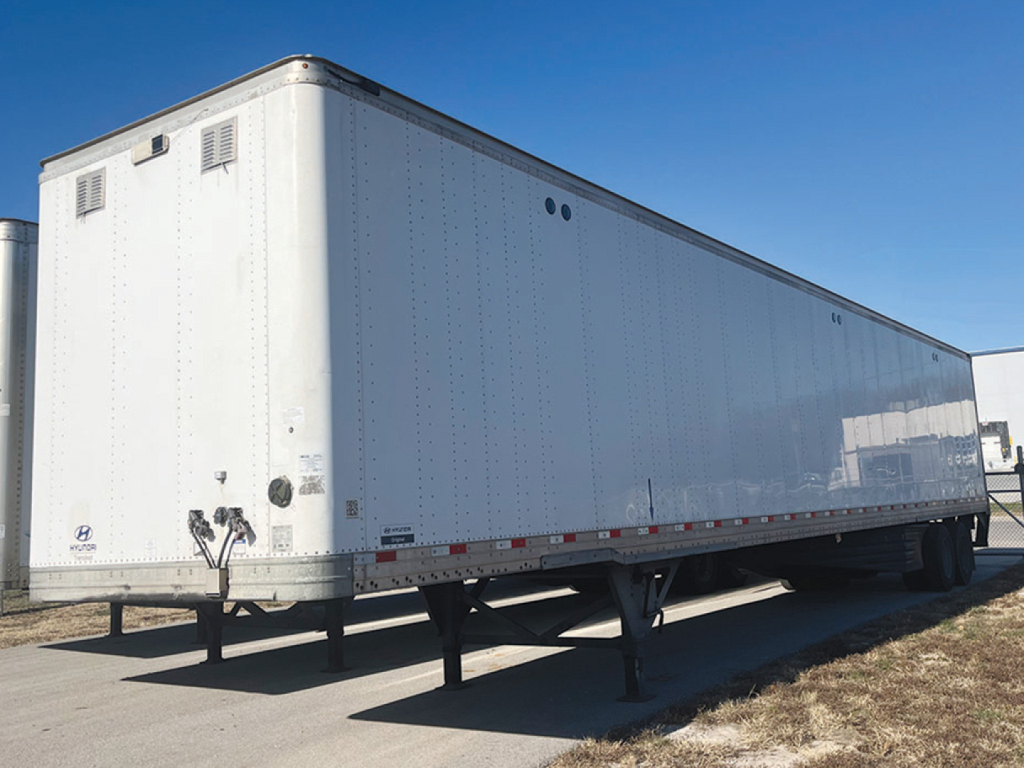
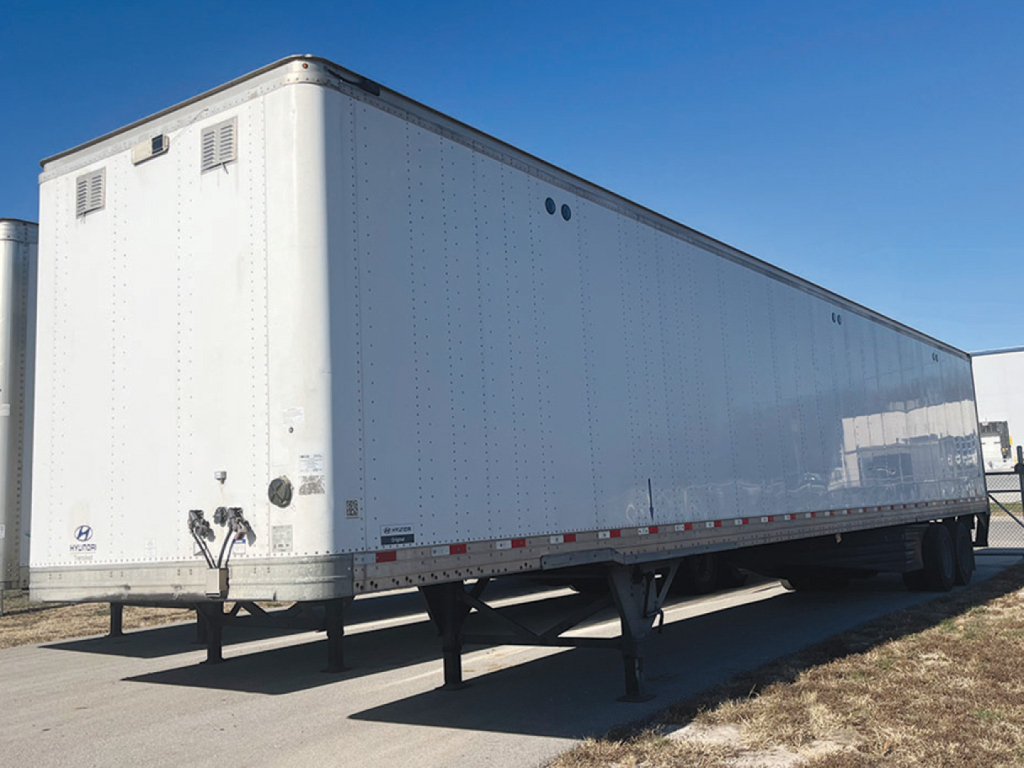
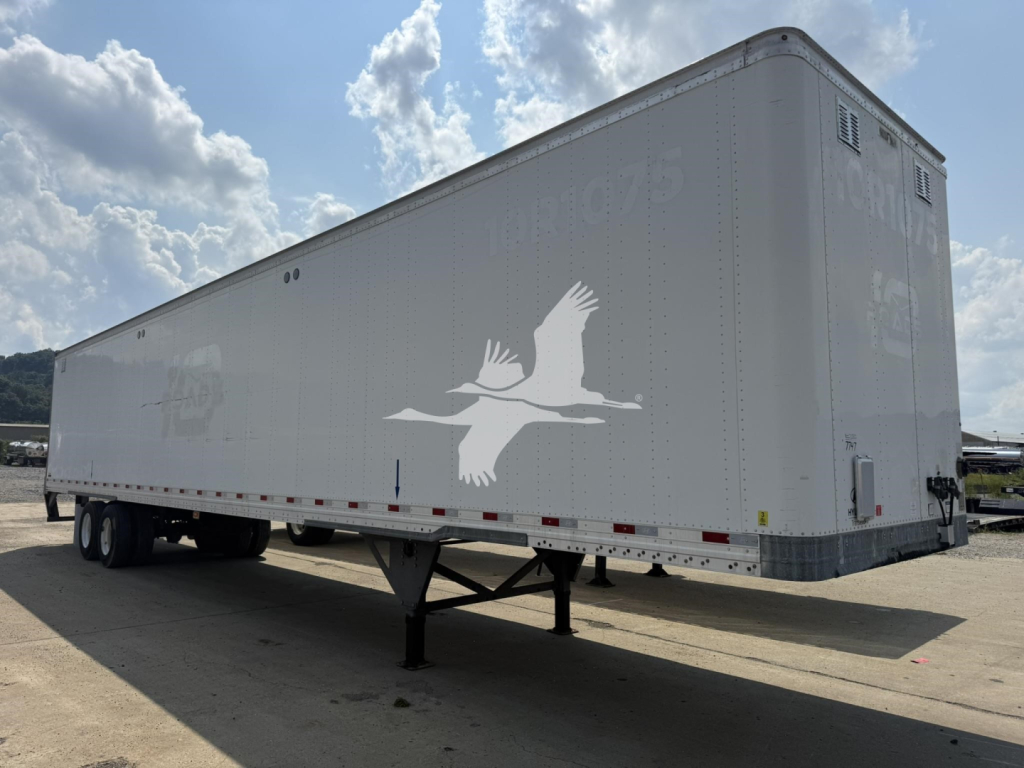

Have used 2020 hyundai van trailer to sell? List it here to reach thousands of buyers.
Used 2020 Hyundai Van Trailers
The most important buying decisions on a 2020 Hyundai van trailer are suspension, door style, floor condition, and interior logistics setup. Air ride with a sliding tandem is one of the most common and desirable specs because it helps with dock approach, freight protection, and bridge-law flexibility. Rear swing doors are still preferred in many linehaul and distribution applications for durability and full opening clearance, while roll doors can make sense in dense dock environments where rear door swing is a concern. Inside the trailer, buyers should pay close attention to logistics posts, E-track or track-style securement, scuff liners, threshold plates, and overall wall condition. A clean interior with straight posts and limited forklift damage usually tells you more about trailer life than exterior appearance alone.
Construction details also affect long-term operating cost. Many Hyundai dry vans in this age range use a wood floor with wear protection, aluminum roof components, and either plate or sheet-and-post wall construction depending on spec. Tire inflation systems, low-profile 22.5 tires, side skirts, galvanized rear frames, and air-slider tandem setups are all common features in fleet service. A buyer comparing listings should inspect crossmembers, landing gear mounts, rear frame corrosion, roof bows, door hardware, and the kingpin area. Kingpin setting, often 36 inches on fleet dry vans, should match the tractor wheelbase and axle configuration you plan to run.
A used 2020 Hyundai van trailer is typically best for carriers that want a late-model dry van with mainstream specs and broad serviceability. These trailers are also known as dry van trailers or box trailers, and they remain one of the most versatile trailer types on the road. For buyers running high-volume freight, consistency matters as much as condition. Matching tandem type, door configuration, floor composition, and securement setup across multiple trailers can simplify loading, maintenance, and driver acceptance over the life of the fleet.
Frequently Asked Questions about Used 2020 Hyundai Van Trailers
What are the most common specs on a used 2020 Hyundai van trailer?
Most used 2020 Hyundai van trailers are 53 feet long, 102 inches wide, and 13 feet 6 inches high. Common specs include air ride suspension, a sliding tandem, 22.5 low-profile tires, logistics posts or track, wood flooring, threshold plates, and rear swing doors. Some units also include side skirts, tire inflation systems, galvanized rear structures, and different wall constructions depending on fleet application.
Is air ride important on a dry van trailer?
Air ride is one of the most desirable suspension choices on a dry van because it helps reduce freight shock and can improve ride quality over rough pavement. It is especially valuable for retail, packaged goods, and higher-cube freight that can shift or settle during transit. Air ride also tends to be favored in larger fleet specifications, which can help resale and standardization.
What should I inspect first on a used 2020 Hyundai van trailer?
Start with the floor, rear frame, roof, and tandem slider system. Floor condition tells you how the trailer handled forklift traffic and concentrated loads. The rear frame and door area often show dock impact or corrosion. The roof should be checked for patches, leaks, or bow damage. The tandem slider, suspension, and air system should move and hold properly because repairs in that area can add cost quickly.
Are Hyundai van trailers good for fleet and drop-and-hook service?
Yes. Hyundai van trailers are widely used in fleet service because they are typically built around standard dry van dimensions and common component packages. That makes them practical for drop-and-hook operations, regional distribution, and over-the-road dry freight. Buyers often value Hyundai trailers for their widespread parts support, familiar maintenance profile, and strong presence in the used trailer market.
What is the difference between swing doors and roll doors on a van trailer?
Swing doors are generally preferred for full rear access, simpler repair, and durability in linehaul service. They open the full width of the trailer and are common on fleet dry vans. Roll doors can be useful in tight urban docks or frequent stop applications where rear door clearance is limited, but they add moving parts and can reduce opening height slightly depending on design.