
Hyundai Van Trailers For Sale in Illinois

Have hyundai van trailer to sell? List it here to reach thousands of buyers.
Hyundai Van Trailers in Illinois
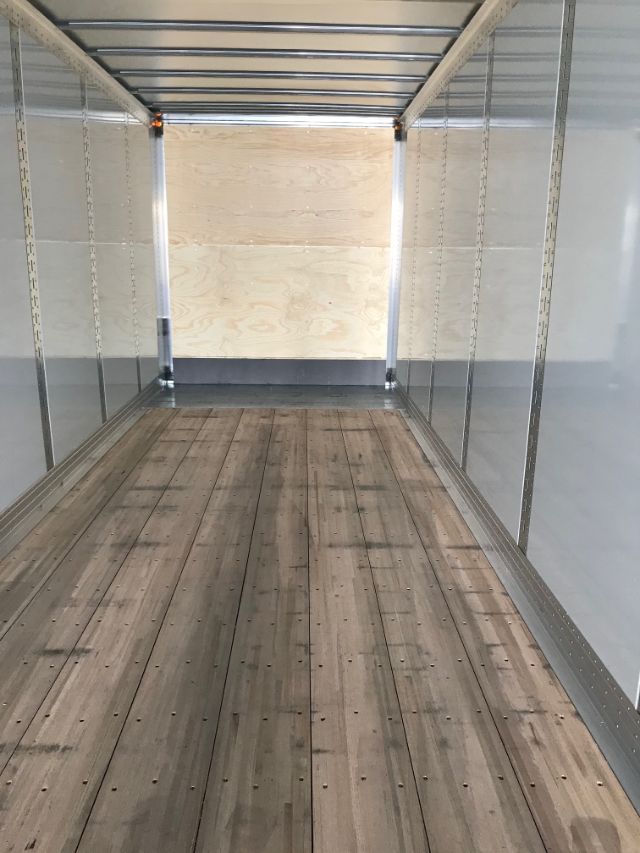
A buyer comparing Hyundai van trailers should start with suspension, tandem setup, and cargo control. Air ride is often preferred for higher-value or damage-sensitive freight, while spring ride can still make sense for tougher freight and simpler maintenance. Sliding tandems matter for bridge law compliance, dock positioning, and weight distribution across different states and shipper requirements. Inside the trailer, practical spec choices such as plywood lining, scuff plates, threshold plates, wood flooring, and E-track tell you a lot about how the trailer was ordered and what freight it was built to handle. These details are important for palletized freight, mixed LTL work, and any operation where forklifts, load securement, and repetitive dock impact are part of the job.
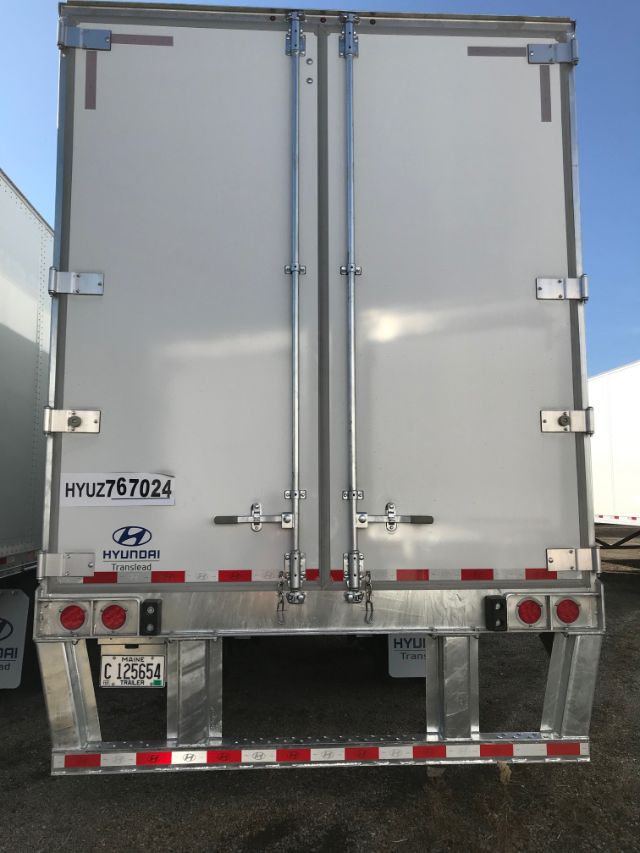
Door type and airflow are also worth close attention. Roll-up doors are common on fleet-spec Hyundai vans because they reduce swing-door damage risk in tight docks and city deliveries, though they do trade some interior clearance at the rear opening. Front and rear vents are frequently spec'd on dry vans to help manage moisture and condensation, especially on long runs and seasonal Midwest freight. Tire inflation systems, stainless rear door frames, disc wheels, and low-profile 22.5 tires are all common indicators of a trailer intended for high-utilization fleet service. On newer models, side skirts may also be present for carriers focused on fuel economy and highway aerodynamics.
Condition assessment on a used Hyundai van trailer should go beyond age and focus on floor wear, sidewall damage, roof condition, door frame alignment, and slider operation. Check the crossmembers, suspension components, and tire system plumbing, and confirm how the interior has held up to forklift traffic and freight abrasion. Hyundai dry vans have a strong presence in large fleet turnover cycles, so buyers can often find consistent spec packages that make it easier to standardize maintenance and driver familiarity. For a carrier, private fleet, or brokerage-backed operation moving dry freight, retail goods, packaged foods, paper products, and other non-temperature-controlled cargo, a Hyundai van trailer is a practical category to compare closely on build spec and prior use.
Frequently Asked Questions about Hyundai Van Trailers in Illinois
What are the most common Hyundai van trailer sizes?
The most common Hyundai van trailer size is 53 feet long and 102 inches wide, which is the standard dry van configuration for over-the-road freight. Some 45-foot Hyundai vans are also on the market, usually tied to regional routes, private fleet applications, or older fleet specifications. Buyers should also verify overall height and interior clearance because 12-foot 6-inch and 13-foot 2-inch configurations can affect cube and loading flexibility.
What should I inspect first on a used Hyundai dry van trailer?
Start with the floor, rear frame, roof, and tandem slider. Floor condition tells you a lot about forklift traffic and point-loading history, while the rear frame and threshold area often show the most wear from dock impact and daily loading. The roof and upper rails should be checked for leaks or repairs, and the sliding tandem should move correctly and lock securely. Inside, inspect plywood lining, scuff liners, E-track, and wall posts for freight damage or previous patchwork.
Is air ride better than spring ride on a Hyundai van trailer?
Air ride is usually preferred for general freight, consumer goods, and other cargo that benefits from a smoother ride and reduced vibration. It is common on fleet dry vans and can help with cargo protection and resale appeal. Spring ride can still be a solid choice for tougher freight and buyers who want a simpler suspension setup. The better option depends on the freight mix, maintenance program, and how much emphasis you place on ride quality versus mechanical simplicity.
Why do some Hyundai van trailers have tire inflation systems and side skirts?
Tire inflation systems are used to maintain more consistent tire pressure, which can improve tire life, reduce roadside events, and support better fuel economy. Side skirts are aerodynamic devices mounted along the lower sides of the trailer to reduce drag at highway speed. These features are most common on fleet-spec Hyundai trailers intended for high annual mileage, and they can be attractive to buyers running long-haul routes where operating cost per mile matters.
Are Hyundai Translead van trailers good for general freight?
Hyundai Translead van trailers are widely used in general freight service because they are commonly spec'd for palletized cargo, dock loading, and high-cycle fleet operation. Aluminum construction, common cargo-control options like E-track, and fleet-oriented components such as sliding tandems and roll-up doors make them suitable for a broad range of dry freight applications. The key is matching the trailer's actual build spec and condition to the freight you plan to haul.