
2008 Great Dane Van Trailers For Sale in New York
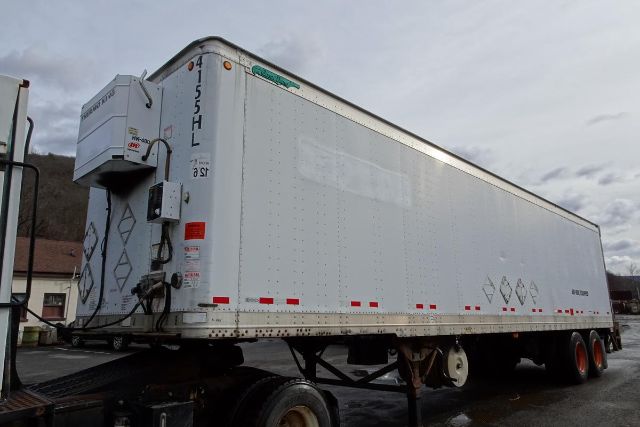
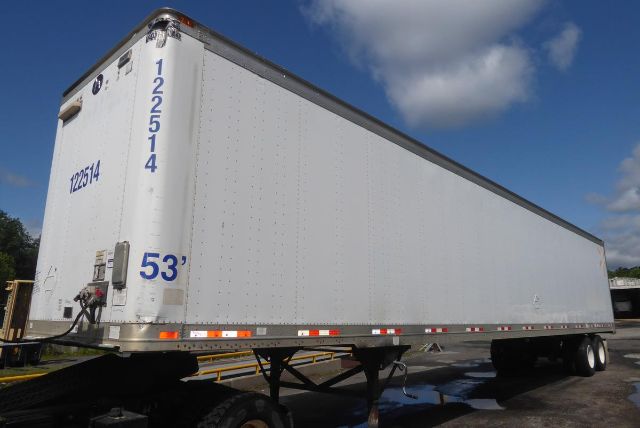
Browse 2008 Great Dane van trailers for sale. Compare 53-foot dry vans, tandem setups, aluminum builds, doors, floors, and suspension specs.
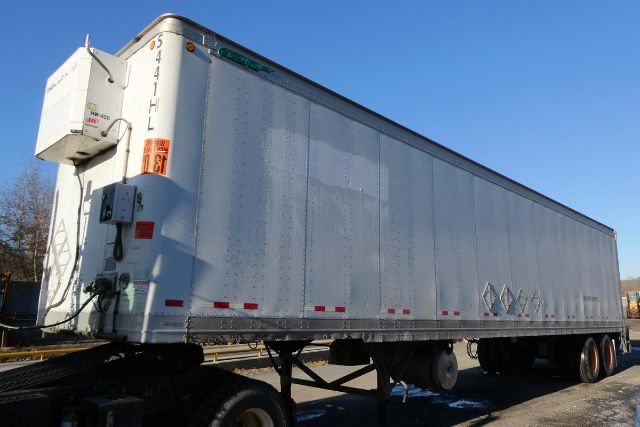
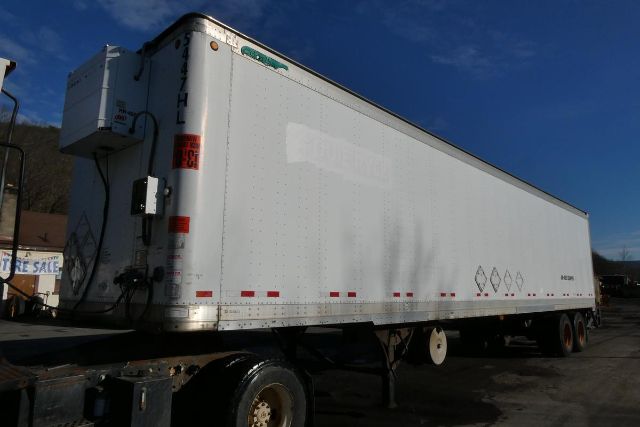
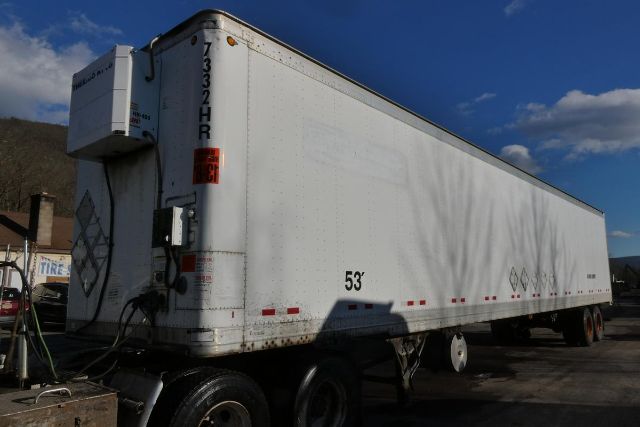
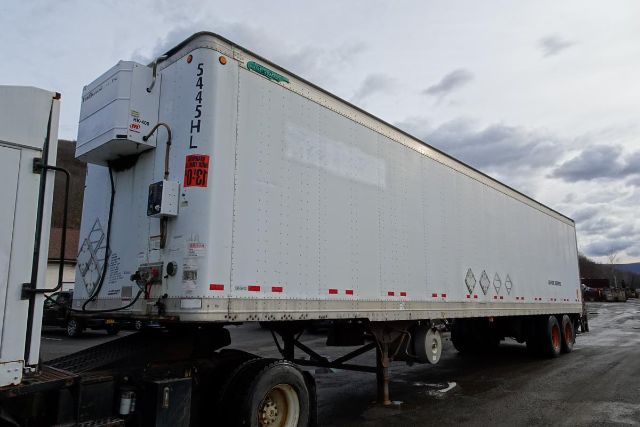
Have 2008 great dane van trailer to sell? List it here to reach thousands of buyers.
2008 Great Dane Van Trailers in New York
One of the first things to check on a used Great Dane van trailer is axle configuration and suspension. Slideable closed tandems are common and give the operator flexibility for bridge law compliance and weight distribution, especially in states where axle placement matters. Air ride suspension is generally preferred for ride quality and cargo protection, while spring suspension can be simpler and cheaper to maintain. Tire size, wheel type, brake condition, and slider operation all deserve close inspection. On 2008 units, buyers should also look at crossmembers, rear frame structure, upper coupler plate, kingpin wear, and the condition of the landing gear and subframe since those are the areas that often show the most fatigue in high-cycle fleet service.
Body construction is another major buying decision. Great Dane vans in this age group are often aluminum trailers with aluminum roofs and mixed wood-steel floors, which helps keep empty weight reasonable while still handling forklift traffic. Floor condition is critical on any dry van. Soft spots, patched sections, excessive wear at the threshold, and damage over the crossmember lines can all affect usable life. Interior specs such as scuff liners, logistics posts, translucent roof panels, and tire inflation systems can add value depending on the application. If a trailer has a heater or liftgate, treat it as a separate system to inspect closely. Electrical issues, hydraulic leaks, cycle hours, battery condition, and lift capacity can turn a low purchase price into a more expensive trailer than expected.
For buyers in New York and the Northeast, road salt exposure makes corrosion control especially important. Pay attention to the rear sill, door frame, hinge areas, rivet lines, brake plumbing, and any steel components under the trailer. Door opening dimensions also matter more than many buyers expect, especially if the freight mix includes tall skids or frequent forklift loading. A 2008 Great Dane van trailer can still be a productive trailer if the structure is sound, the floor is serviceable, the tandems slide correctly, and the doors seal properly. The best buying approach is to match trailer length, suspension, door style, and weight capacity to the lanes and loading conditions the trailer will actually see.
Frequently Asked Questions about 2008 Great Dane Van Trailers in New York
What should I inspect first on a 2008 Great Dane van trailer?
Start with the structural items that are costly to repair. Check the upper coupler and kingpin area for wear, inspect the slider rails and locking pins, look at crossmembers and floor condition, and examine the rear frame for impact damage or corrosion. After that, review brakes, tires, suspension components, lighting, and door operation. On Northeast trailers, corrosion around steel components and brake plumbing deserves extra attention.
Are 2008 Great Dane van trailers usually 53-foot dry vans?
Many are 53-foot dry vans, but that is not the only configuration in the market. Great Dane also built shorter vans and some specialized box trailers with heaters, liftgates, or different axle setups. The 53-foot tandem axle van is the most common configuration because it fits standard over-the-road and regional freight applications, offers strong cube capacity, and works well with typical dock operations.
Is air ride or spring suspension better on a used van trailer?
Air ride is usually preferred when cargo protection and ride quality matter, especially for consumer goods, palletized freight, and mixed loads. Spring suspension is simpler and can be less expensive to maintain, but it generally does not ride as smoothly. The better choice depends on the freight, route conditions, and maintenance budget. On a used trailer, actual condition matters more than the suspension type alone.
What door style is better on a dry van trailer, roll-up or swing doors?
Roll-up doors are convenient for frequent dock stops and city or LTL-style work because they stay out of the way during loading. Swing doors usually provide a slightly larger clear opening and can be easier to maintain over time, but they need space behind the trailer when opened. Buyers should choose based on loading environment, dock layout, and how often the trailer is opened during a route.
Do features like liftgates, heaters, and tire inflation systems add value?
They can add value when they match the operation, but only if they are fully functional. A working liftgate is useful for deliveries without dock access. A heater can matter for temperature-sensitive freight that does not require full refrigeration. Tire inflation systems can reduce maintenance and help tire life. On an older trailer, each of these systems should be evaluated on condition, repair history, and replacement cost rather than assumed value alone.