
Van Trailers For Sale in Georgia
Browse van trailers for sale in Georgia. Compare 53-foot dry van specs, suspension, lining, tandem setup, and cargo-ready features.
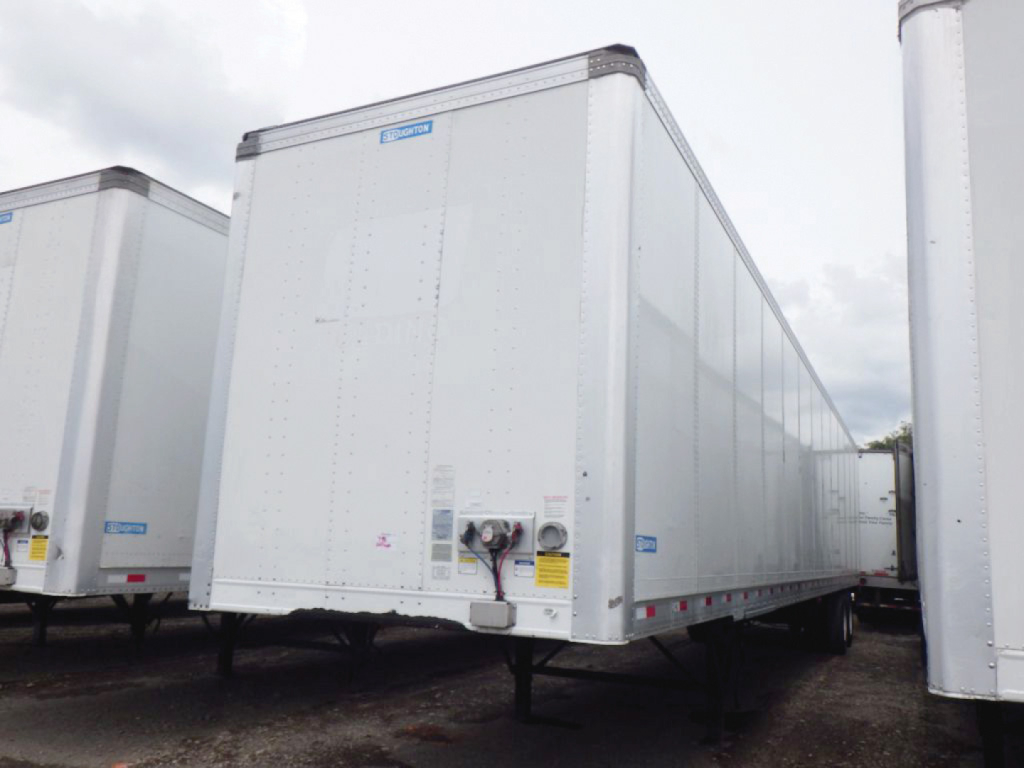
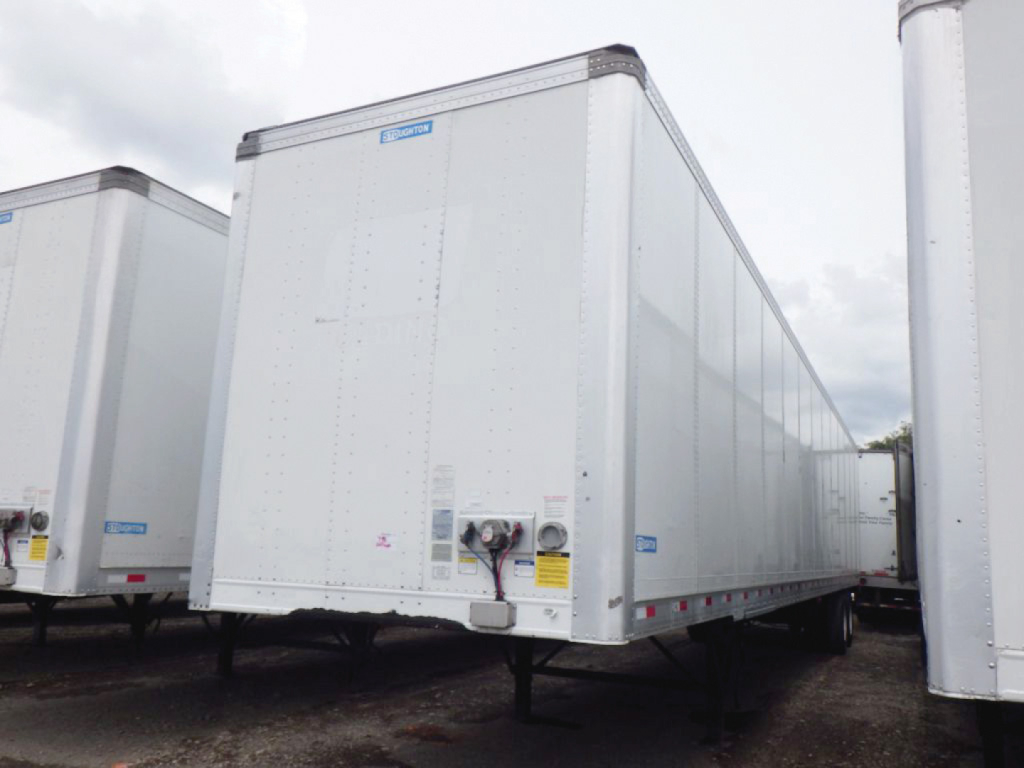
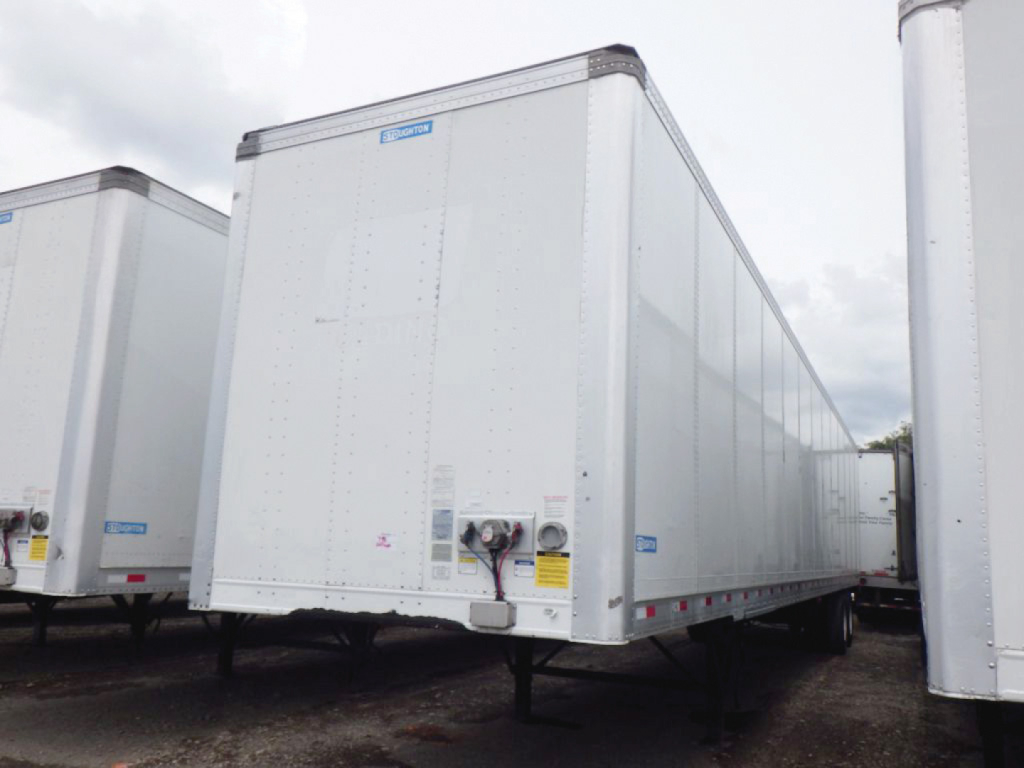
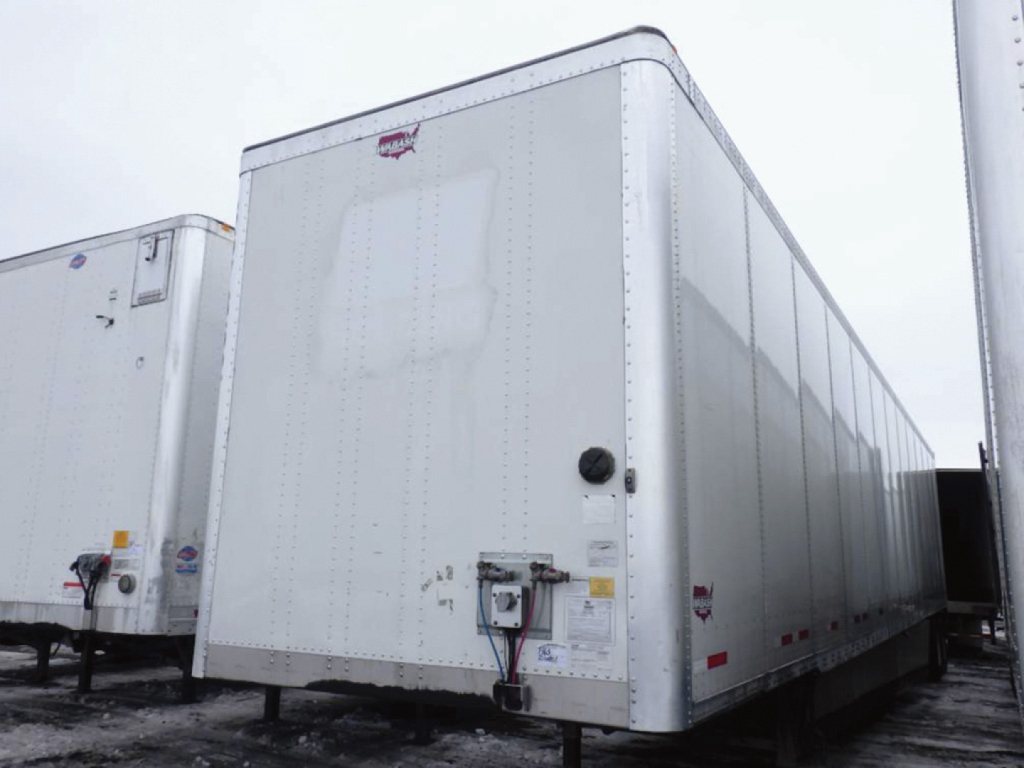
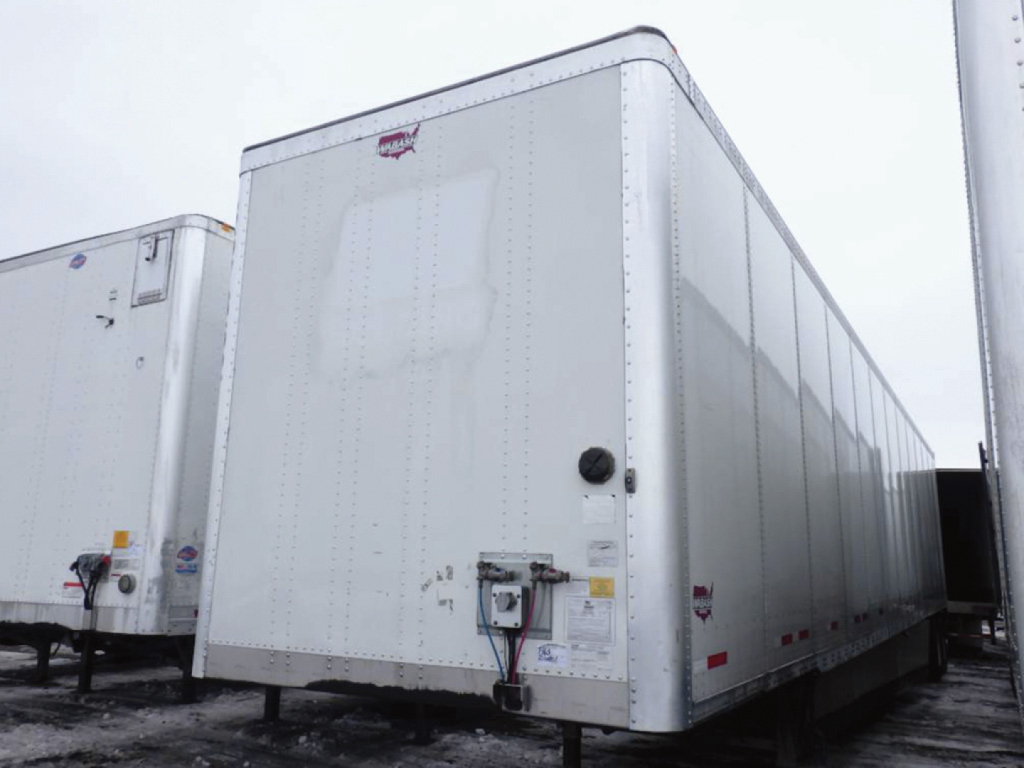
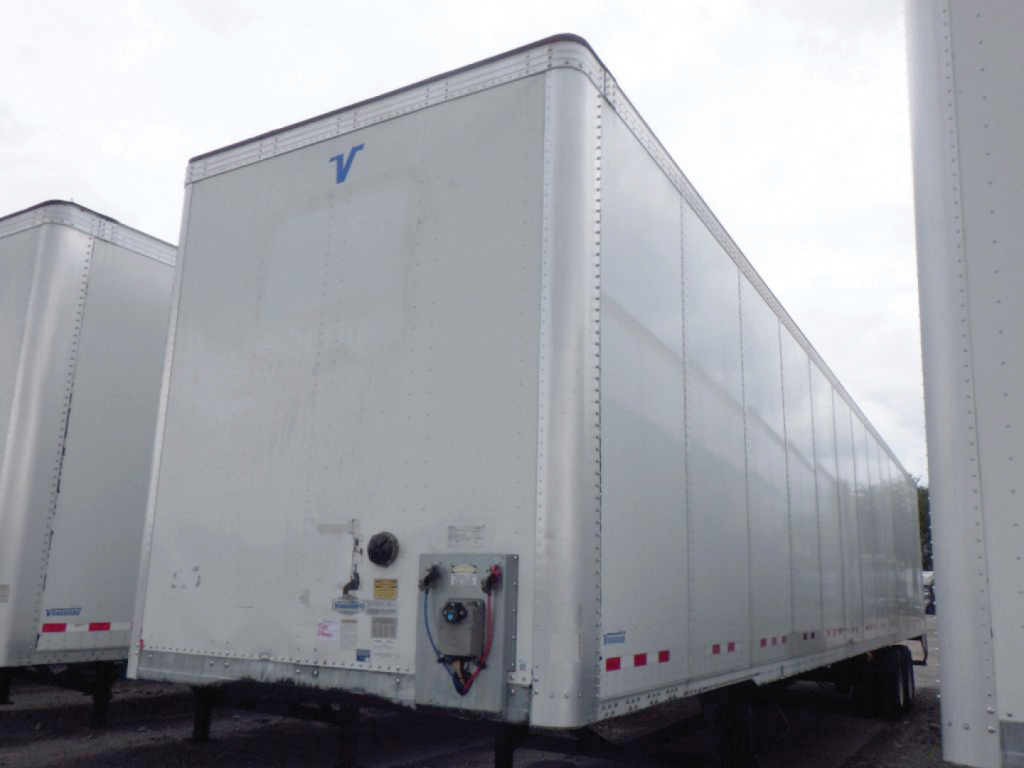
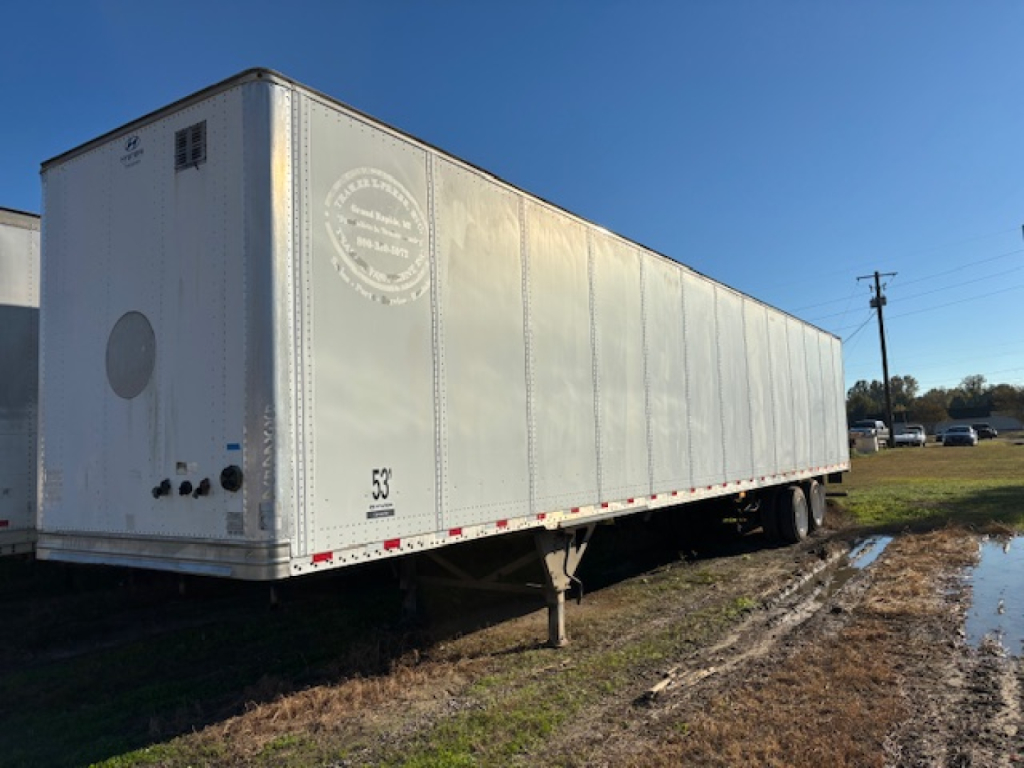

Showing 1 to 24 of 44 results
Have van trailer to sell? List it here to reach thousands of buyers.
Van Trailers in Georgia
High-cube dry vans are especially relevant when inside height matters. A 110-inch interior can make a difference for lightweight, cube-sensitive freight and for fleets trying to maximize trailer utilization on multi-stop retail or contract freight. Lining and wall construction also matter. Composite lining, aluminum lining, scuff plates, and threshold plates help protect the trailer shell from forklift damage and daily dock wear. Logistics posts or full logistics track are important if the trailer will handle mixed freight or shifting load patterns, since securement flexibility reduces cargo claims and helps loaders build cleaner, safer loads.
Suspension and running gear deserve close attention on a used van trailer. Air ride is often preferred for fragile freight and premium shippers because it improves ride quality and can reduce cargo movement. Spring ride can still be a solid lower-cost choice for general freight, especially when simplicity and serviceability are priorities. Sliding tandems remain the standard because they give drivers flexibility on bridge law compliance, weight distribution, and tight dock approaches. Tire inflation systems, side skirts, low-profile 22.5 tires, and disc wheels can all add value depending on your operating model. Side skirts may improve fuel economy on highway lanes, while tire inflation systems can help extend tire life and reduce roadside events.
For Georgia buyers, corrosion resistance and door-frame condition are worth checking closely, particularly on trailers exposed to port drayage, coastal humidity, or high-cycle dock work. Galvanized or stainless components at the rear frame, front radius, and door frame can hold up better over time. Inspect the floor for forklift rutting, check the roof for patches or light leaks, confirm tandem slide operation, and look at the rear structure for signs of dock impact. A good van trailer should match the freight first, then the lane. If the work is general dry freight, a standard 53-foot plate or aluminum van is usually the baseline. If the freight cubes out before it weighs out, a high-cube specification with strong interior lining and cargo control features is often the better buy.
Frequently Asked Questions about Van Trailers in Georgia
What is the standard size for a dry van trailer?
The standard dry van trailer in most over-the-road fleets is 53 feet long, 102 inches wide, and 13 feet 6 inches in overall height. That configuration is the market norm for palletized freight because it balances cargo capacity, legal road use, and dock compatibility. Many buyers also pay attention to inside height, especially on high-cube models, because additional interior clearance can improve freight flexibility and load planning.
Is air ride or spring suspension better on a van trailer?
Air ride is generally preferred for higher-value or damage-sensitive freight because it provides a smoother ride and can help reduce cargo shift. Spring suspension is simpler and can be less expensive to maintain, which makes it a practical option for general freight applications. The better choice depends on the type of freight, shipper expectations, and how much importance you place on ride quality versus lower initial and service costs.
Why are logistics posts and scuff liners important in a van trailer?
Logistics posts or logistics track give loaders more securement points, which is important for mixed freight, partial loads, and cargo that needs better restraint. Scuff liners and scuff plates protect the interior walls from forklift and pallet contact, reducing structural wear inside the trailer. These features matter because they improve versatility, help prevent cargo damage, and can extend the service life of the trailer body.
What should I inspect first on a used van trailer?
Start with the floor, roof, rear frame, and tandem slide because those are high-wear areas that can be expensive to repair. Floor condition tells you a lot about forklift traffic and overall use. The roof should be checked for patches, leaks, and signs of damage. The rear structure and door frame often show the effects of repeated dock impact, and the tandem assembly should slide and lock correctly for legal axle positioning and daily usability.
Are side skirts and tire inflation systems worth it on a dry van trailer?
They can be, especially in high-mileage highway service. Side skirts may improve aerodynamics and fuel economy, which adds up over long runs. Automatic tire inflation systems can help maintain proper tire pressure, reduce irregular wear, and lower the risk of roadside tire failures. For regional fleets with frequent stops, the payback depends on mileage and maintenance discipline, but for steady linehaul work these features often make good operational sense.