
2025 Van Trailers For Sale
Shop 2025 van trailers for dry freight hauling. Compare 53-foot specs, swing or roll-up doors, tandem settings, floors, and lining options.
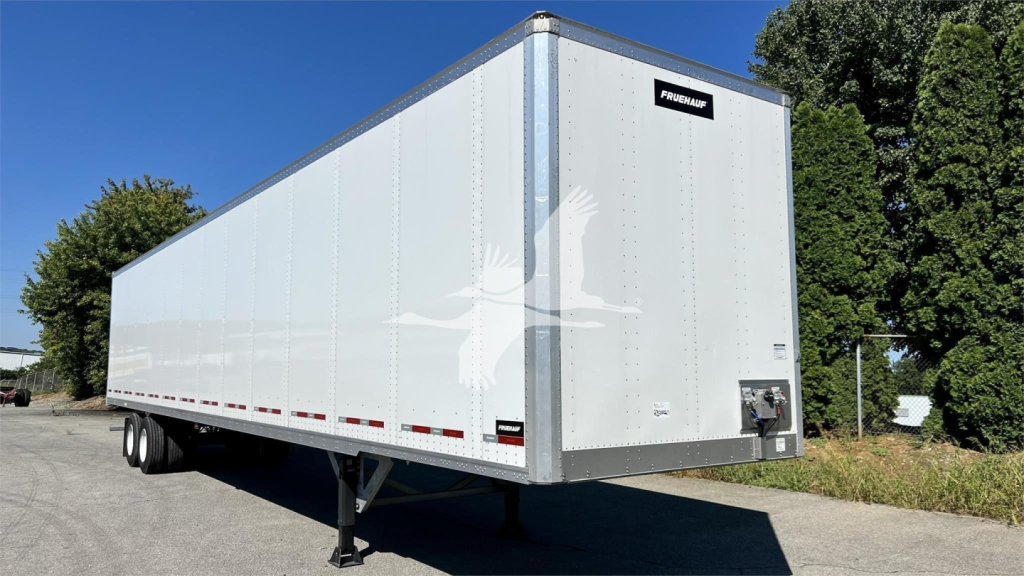
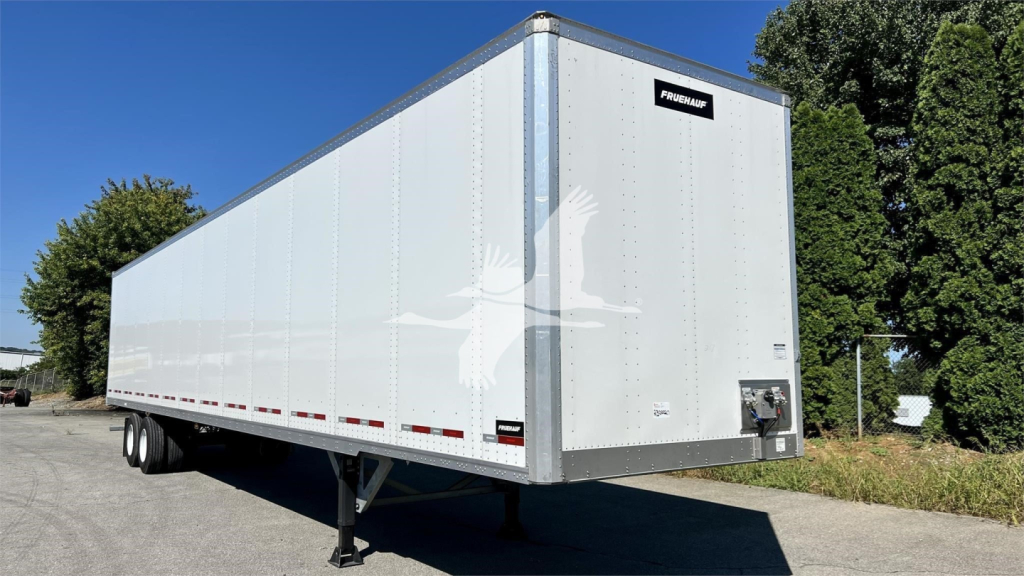
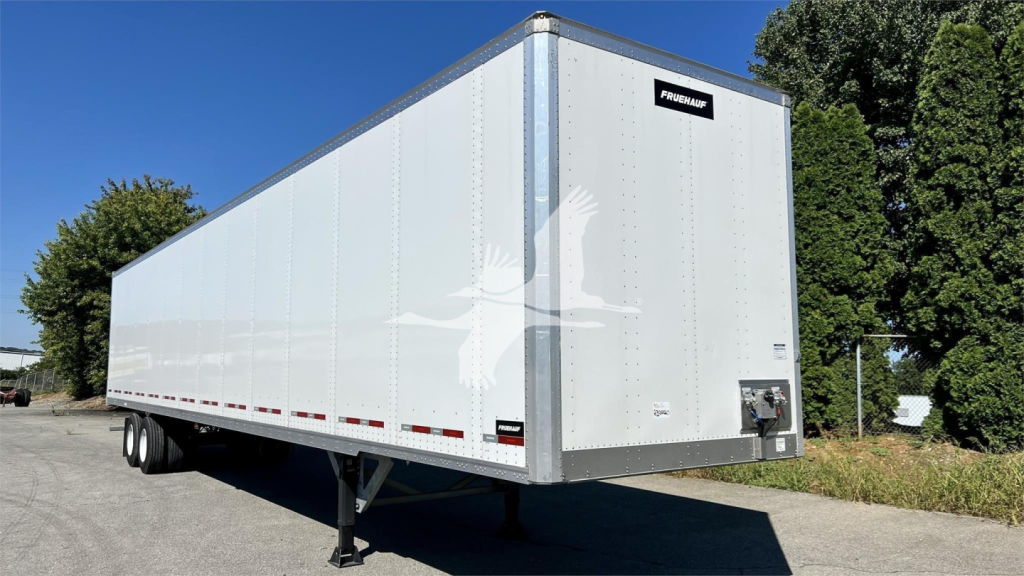
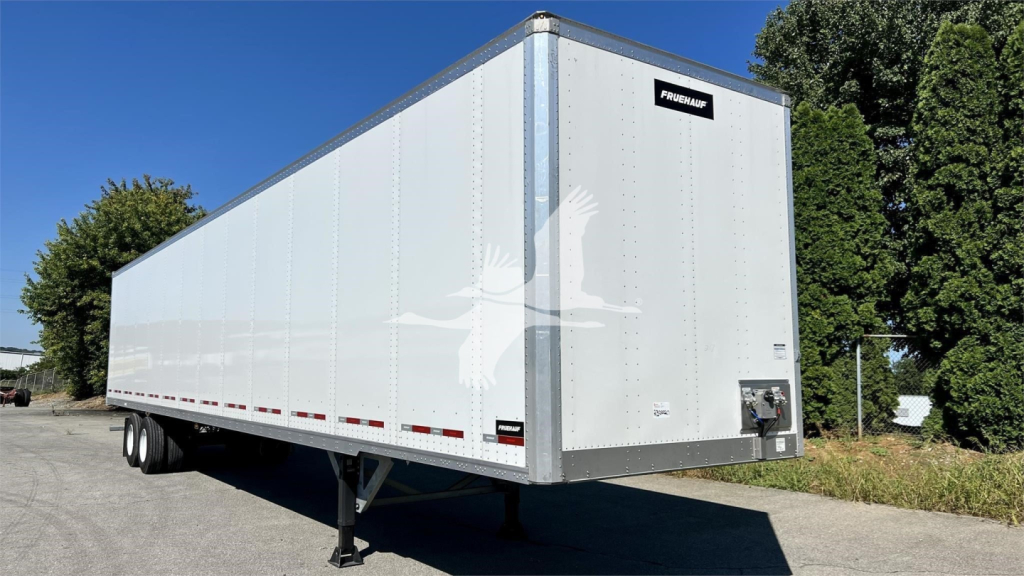
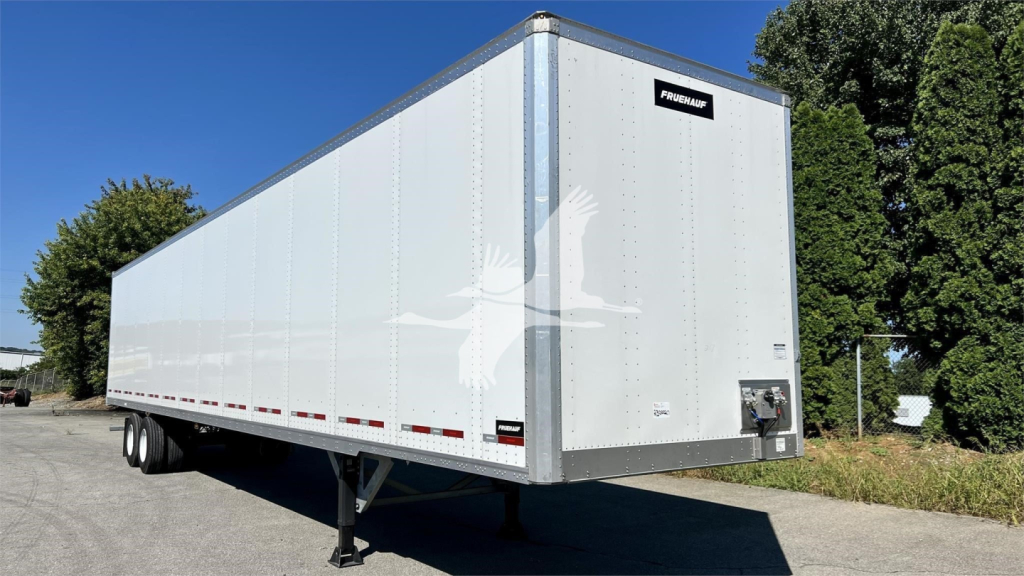
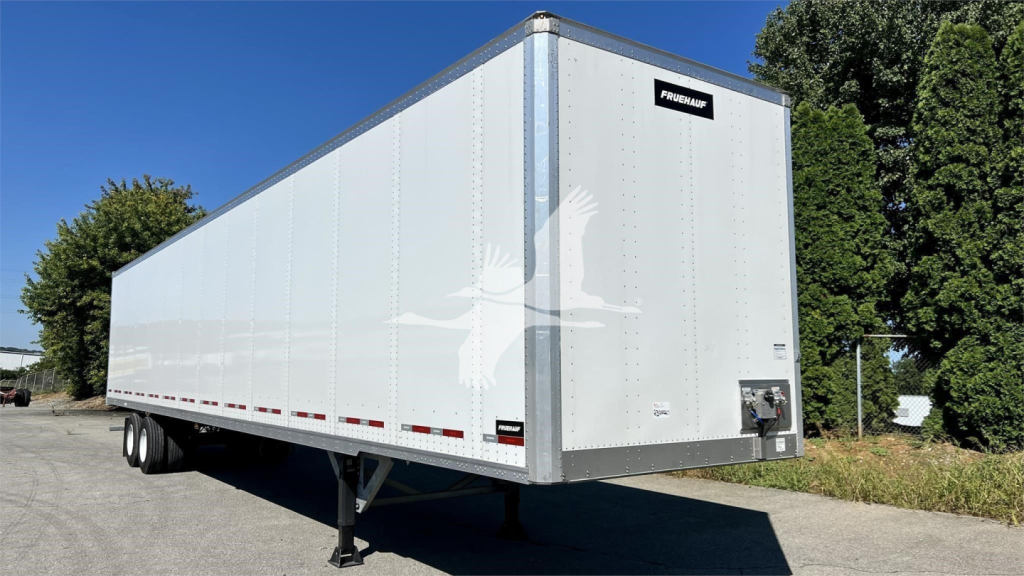
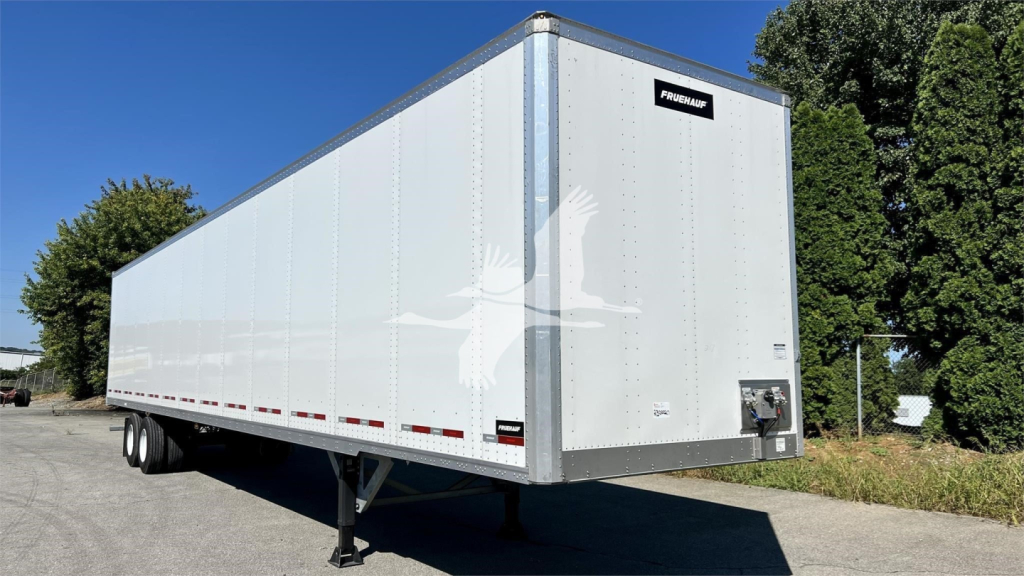
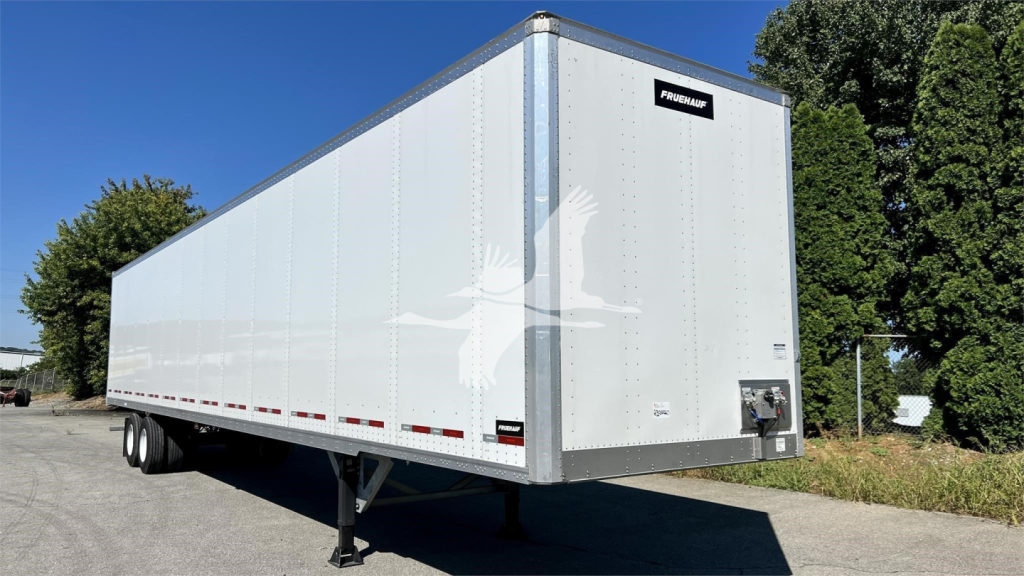
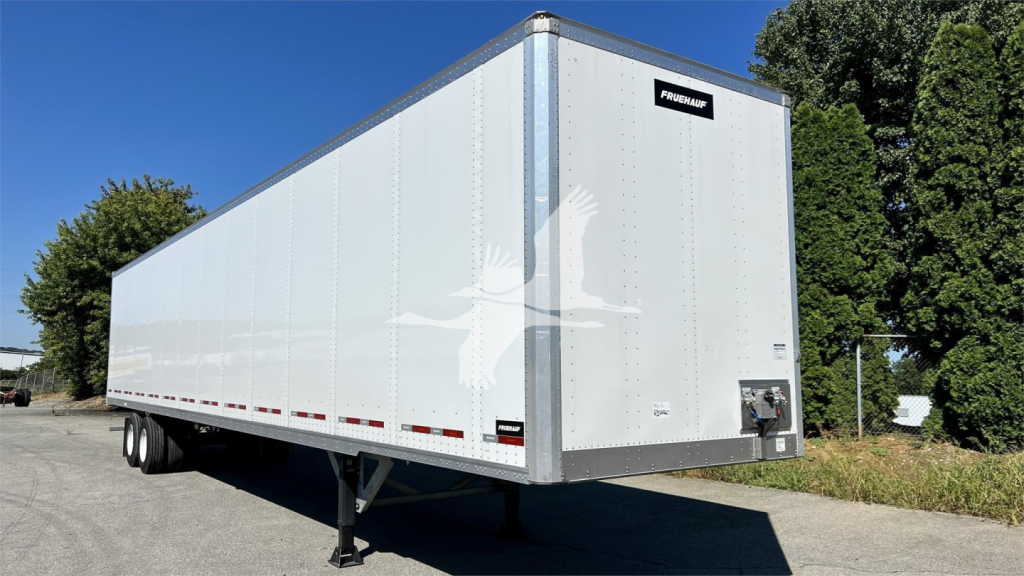
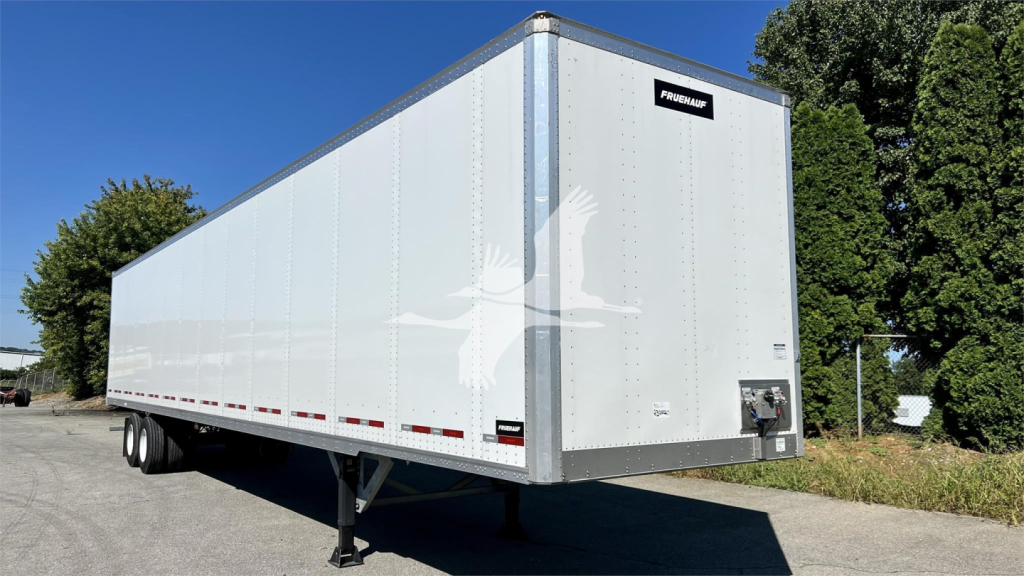
Have 2025 van trailer to sell? List it here to reach thousands of buyers.
2025 Van Trailers
The first decisions usually come down to trailer structure and cargo-control setup. Composite plate or sheet-and-post sidewalls affect repair cost, weight, and side impact durability. Aluminum roofs, galvanized rear frames, stainless door surrounds, and integrated scuff protection are common on newer specifications because they help with corrosion resistance and dock wear. Inside, buyers should look closely at logistics posts, scuff liners, full or partial linings, nose protection, and bulkhead reinforcement. These details matter if the trailer will see mixed freight, load bars, straps, carts, or frequent forklift traffic. Floor spec is equally important. A 1 3/8-inch oak floor is still common for strength and repairability, but fastener pattern, crossmember spacing, and threshold plate design all affect long-term durability.
Running gear spec has a direct impact on operating cost and fleet flexibility. Many 2025 van trailers are built with air-ride suspension and a sliding tandem, often with a 49-inch setting and long slide rails to help with bridge law compliance and load distribution. Tire size is commonly 295/75R22.5 or similar low-profile rubber, mounted on steel or aluminum wheels depending on weight targets and maintenance preference. Buyers should also pay attention to kingpin setting, landing gear brand, brake configuration, and whether the trailer has options such as tire inflation systems, dock-lock reinforced bumpers, or anti-snag roof bows. For fleets loading at high-volume docks, swing doors versus roll-up doors is still a practical choice. Swing doors usually maximize cube and are simpler to maintain, while roll-up doors can speed up urban and multi-stop work where rear clearance is limited.
The best 2025 van trailer is the one matched to freight profile, loading method, and trade lane. A shipper moving dense palletized freight may prioritize floor strength, rear frame durability, and axle adjustability. A fleet focused on lightweight cube freight may lean toward composite sidewalls and weight-conscious component specs. Regional operations that back into tight docks all day may value door hardware, bumper construction, and lining protection more than small tare-weight savings. When comparing listings, buyers should read beyond length and suspension and focus on inside clearance, lining package, floor build, tandem configuration, and cargo-control features. Those details determine how well a van trailer holds up after years of dock hits, forklift cycles, and changing freight demands.
Frequently Asked Questions about 2025 Van Trailers
What is the standard size for a 2025 van trailer?
The most common 2025 van trailer configuration is 53 feet long, 102 inches wide, and 13 feet 6 inches tall overall. Interior width is usually close to 101 inches, and interior height often falls around 108 to 110 inches. That size works for standard dock loading, palletized freight, and most over-the-road dry freight applications.
What is the difference between a dry van trailer and a refrigerated trailer?
A dry van trailer is enclosed to protect cargo from weather and theft, but it does not have insulation or a refrigeration unit for temperature-sensitive freight. It is used for general dry goods such as retail freight, paper, packaging, and non-perishable foods. A refrigerated trailer, or reefer, is built to hold controlled temperatures and has higher purchase and maintenance costs because of the cooling system and insulated body.
Should I choose swing doors or a roll-up door on a van trailer?
Swing doors are more common on highway dry vans because they usually provide the full rear opening and add less complexity. They are a strong fit for full-truckload operations and standard dock work. Roll-up doors can be useful in city or multi-stop service where rear clearance is limited, but they can reduce usable rear opening height and introduce more moving parts to maintain.
Why does a sliding tandem matter on a van trailer?
A sliding tandem lets the axle group move forward or rearward to help balance load weight, meet bridge law requirements, and improve compatibility across different states and customer docks. It is especially important for carriers running varied freight weights or long interstate lanes. Buyers should check slider rail length, suspension type, and locking mechanism because those details affect durability and ease of adjustment.
What specs matter most when comparing 2025 van trailers?
The most important specs are body construction, interior lining and logistics package, floor thickness, crossmember spacing, suspension type, tandem configuration, and door style. Buyers should also review kingpin setting, tire and wheel package, brake system, rear frame protection, and any options such as tire inflation systems or reinforced dock bumpers. These specifications have a bigger impact on service life and operating cost than brand name alone.