
2022 Van Trailers For Sale
Shop 2022 van trailers with 53' dry van specs, air-ride suspension, swing or roll-up doors, and logistics-ready interiors.
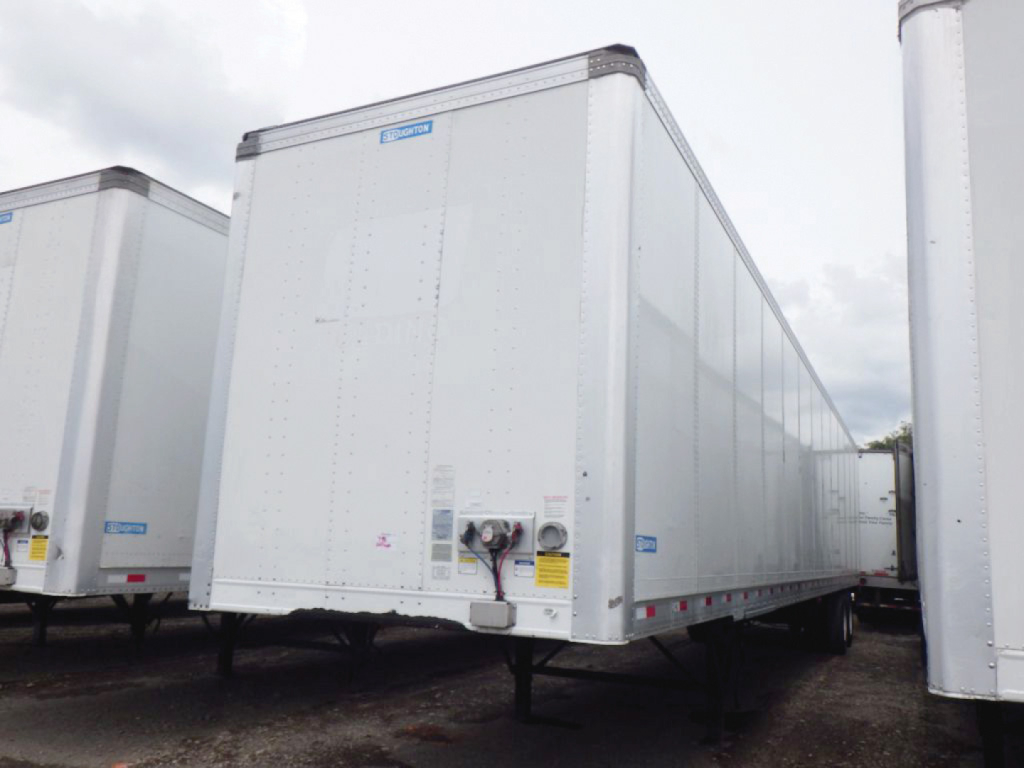
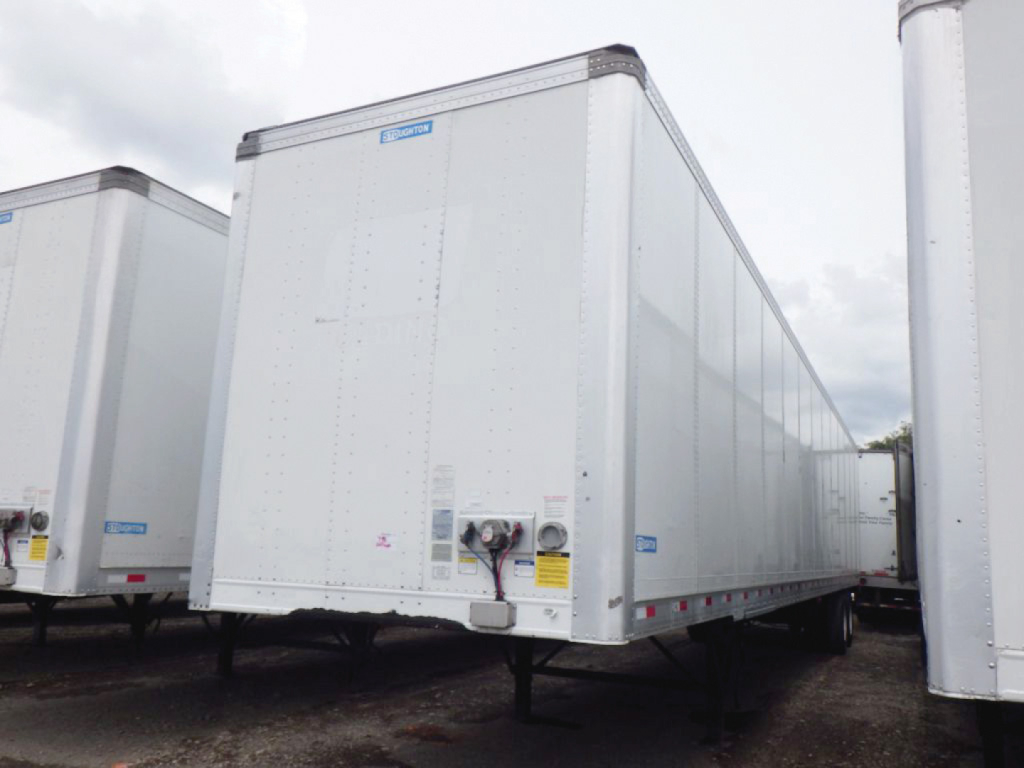
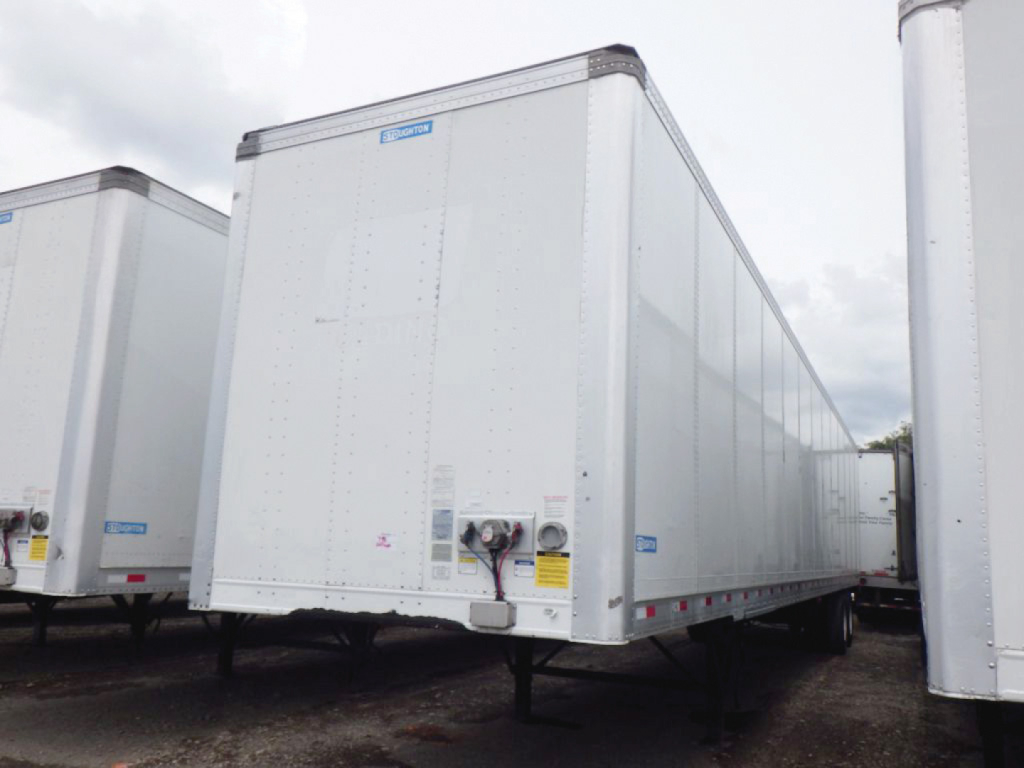
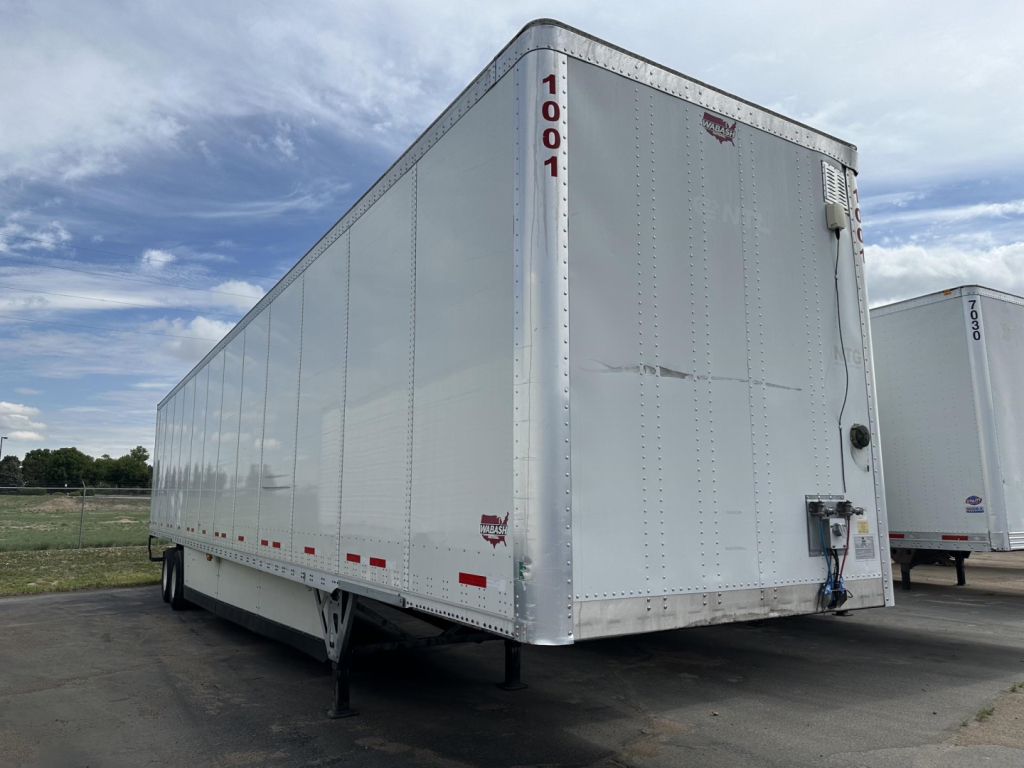
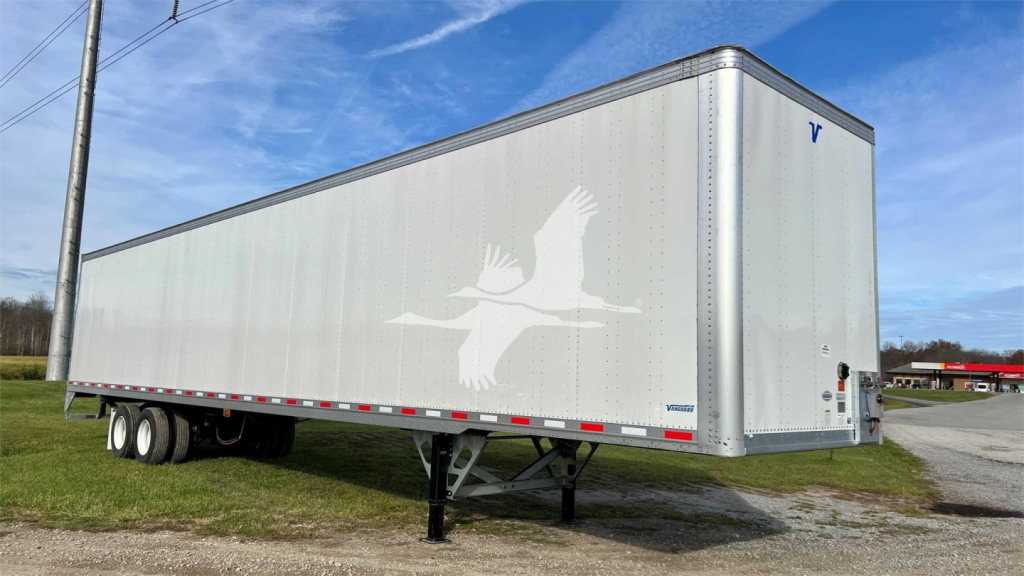
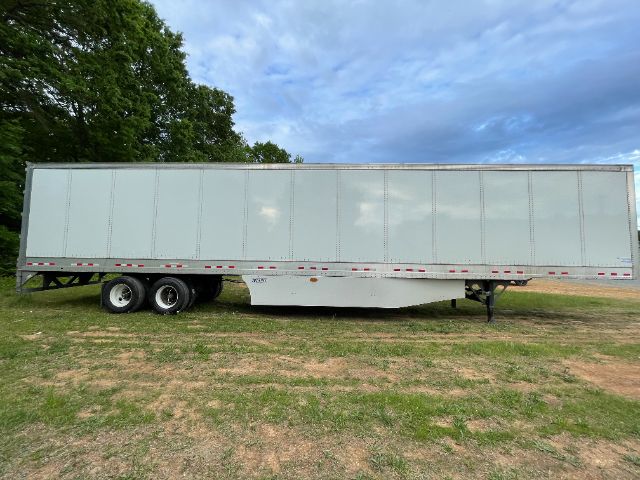

Have 2022 van trailer to sell? List it here to reach thousands of buyers.
2022 Van Trailers
Spec decisions matter more than the age alone. Air-ride suspension is common and preferred for higher-value or damage-sensitive freight, while suspension brand, slider travel, and tire size all affect maintenance costs and loading flexibility. Many 2022 van trailers will have logistics posts on 24-inch or 48-inch spacing, scuff liners, hardwood or laminated floors, aluminum roofs, and either swing doors or roll-up doors. Swing doors usually maximize cube and are simpler for dock work, while roll-up doors can be useful in route delivery or tight urban applications where door swing clearance matters. Buyers should also confirm kingpin setting, inside height, door opening dimensions, and whether the trailer has plate or sheet-and-post construction, since those details affect tare weight, durability, and repair economics.
Interior configuration is a major value point in this category. A logistics-equipped dry van with E-track or logistics posts can handle a wider mix of freight and securement methods than a basic empty box. Scuff plates, nose lining, side lining, and threshold reinforcement all help in heavy forklift environments. For food-grade, paper, beverage, or high-cube consumer freight, floor condition, wall integrity, roof leaks, and door seal condition should be checked carefully. In northern climates and high-cycle fleets, corrosion around the rear sill, subframe, slider box, and landing gear mounts deserves close inspection, even on newer trailers.
A 2022 model year van trailer often appeals to buyers trying to balance modern trailer specs with lower acquisition cost than a new unit. This age range may include newer safety and fleet features such as tire inflation systems, telematics wiring, LED lighting, galvanized rear frames, and dock-lock-ready ICC bumpers. The best fit depends on freight profile and lane structure. A shipper hauling lightweight cube freight may prioritize inside height and low tare weight, while a fleet handling dense pallet freight may care more about floor rating, crossmember spacing, and long-term structural durability. When comparing listings, the smartest approach is to judge a 2022 dry van on door style, floor and lining condition, suspension type, slider condition, and how well the trailer’s spec matches the freight you actually haul.
Frequently Asked Questions about 2022 Van Trailers
What are the most common specs on a 2022 van trailer?
Most 2022 van trailers on the market are 53 feet long, 102 inches wide, and 13 feet 6 inches tall with tandem axles and a sliding tandem. Common features include air-ride suspension, swing doors, hardwood floors, aluminum roofs, logistics posts, and scuff liners. Exact specifications can vary by manufacturer and fleet order, so buyers should verify inside height, door opening dimensions, kingpin setting, crossmember spacing, and suspension model before purchase.
Is air-ride suspension better on a dry van trailer?
Air-ride suspension is generally preferred for dry van applications because it provides a smoother ride and helps protect freight from shock and vibration. It is especially useful for retail goods, electronics, paper products, and other damage-sensitive loads. Mechanical spring suspension can still be serviceable in some operations, but air-ride is often the better choice for broader freight compatibility and resale appeal.
Should I choose swing doors or a roll-up door on a van trailer?
Swing doors are the standard choice for most over-the-road dry van work because they provide full rear opening access, fewer moving parts, and maximum interior cube. Roll-up doors can be beneficial for city delivery, multi-stop routes, or applications where there is limited clearance behind the trailer. The tradeoff is that roll-up doors add weight, reduce some usable rear interior space, and can create additional maintenance points over time.
What should I inspect first on a used 2022 dry van trailer?
Start with the floor, roof, rear frame, door hardware, slider system, suspension, and tire condition. Then inspect the crossmembers, landing gear mounts, threshold plate, scuff liners, and any signs of impact damage from forklifts or dock contact. Water intrusion, corrosion around the rear sill and subframe, and excessive wear in the tandem slide area can affect both immediate usability and long-term repair costs.
Are logistics posts and scuff liners important on a van trailer?
Yes. Logistics posts make a dry van more versatile because they allow for load bars, decking beams, and a wider range of cargo securement setups. Scuff liners help protect the trailer walls from forklift and pallet contact, which is important in high-cycle dock operations. A trailer with a good logistics package is usually better suited for mixed freight and can be easier to keep in serviceable condition over time.