
2014 Van Trailers For Sale in South Dakota
Shop 2014 van trailers for sale in South Dakota. Compare dry van specs, suspension, axle setup, roof height, and wheel options.
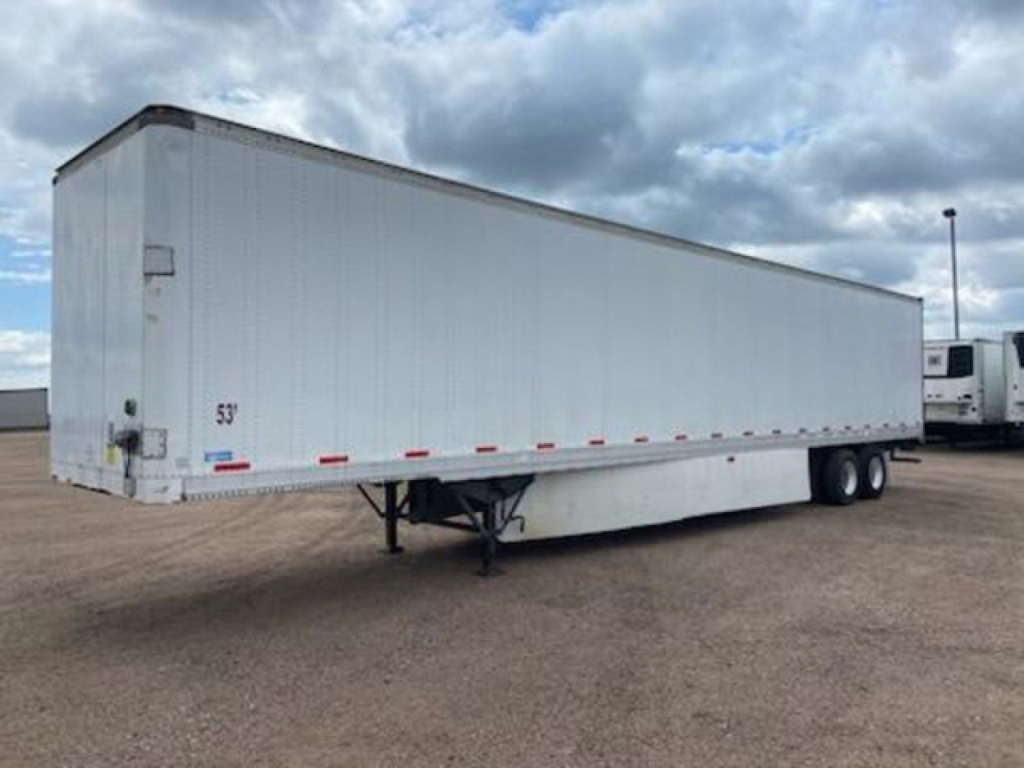
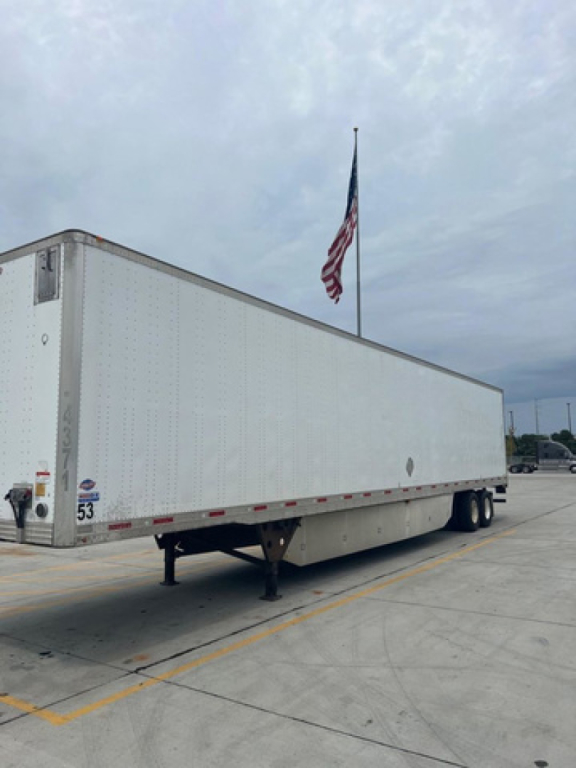
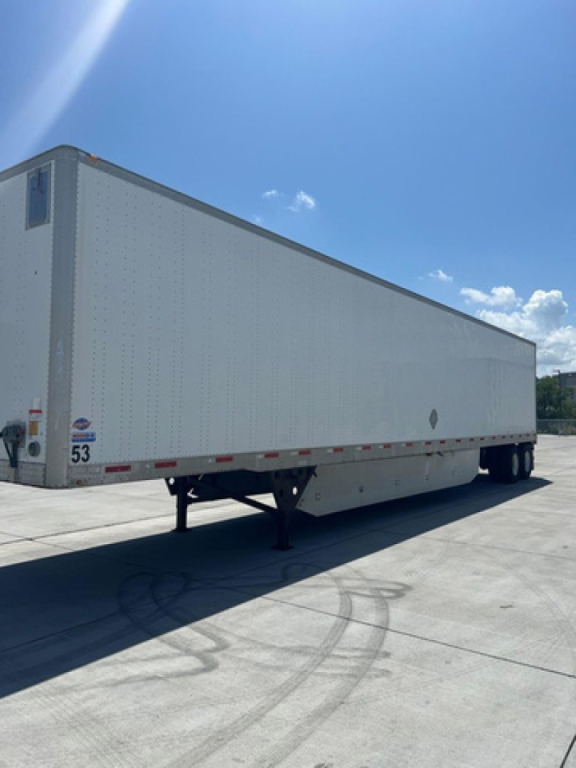
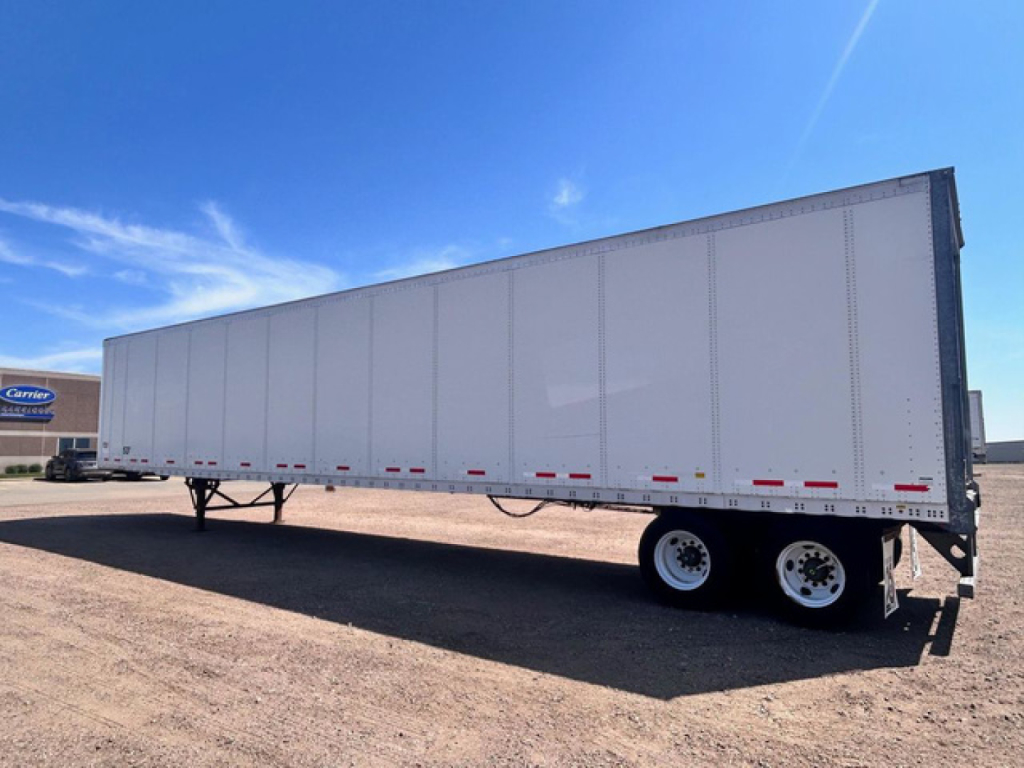
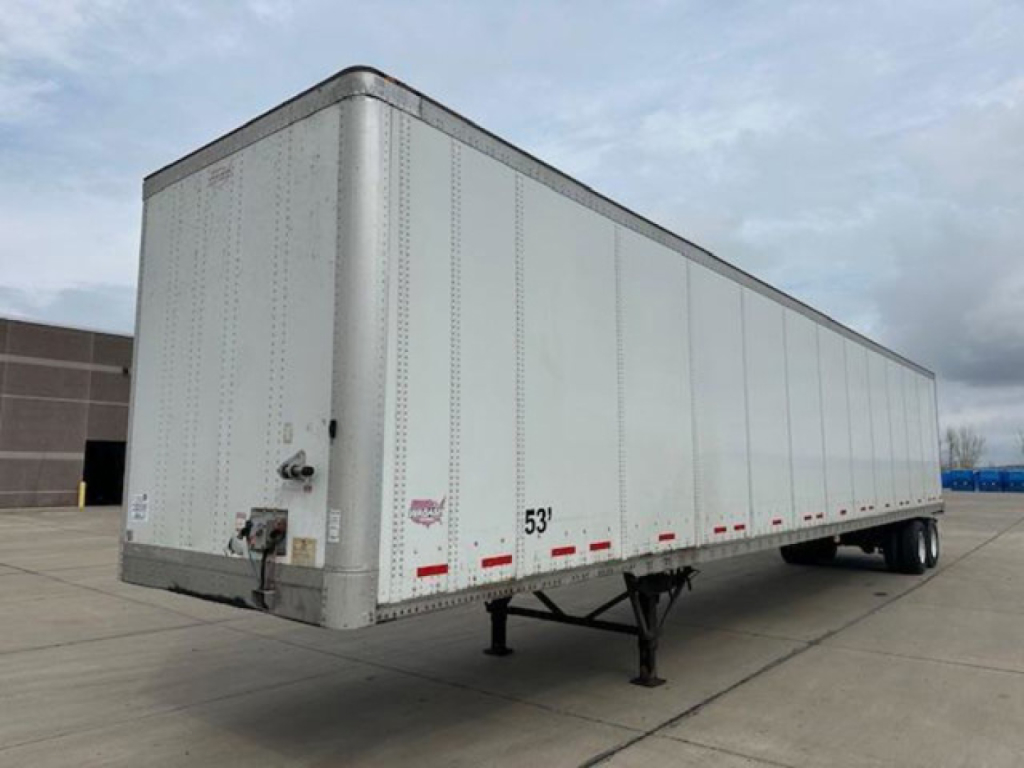
Have 2014 van trailer to sell? List it here to reach thousands of buyers.
2014 Van Trailers in South Dakota
Spec differences in this category can change how the trailer fits your operation. Common points to compare include trailer length, inside height, tandem slide settings, air ride versus spring ride suspension, wheel material, and 22.5 tire setups. Swing doors remain common for durability and full-width access, while roll-up doors can be useful in multi-stop delivery work but may reduce interior clearance. Roof type, scuff liner height, floor composition, and duct or smooth wall configurations also affect suitability for grocery, packaged freight, or higher-cube loads. If your lanes run heavy and legal, pay attention to kingpin setting and axle spread so the trailer scales correctly with your tractors.
In South Dakota, climate and road conditions make moisture control and undercarriage inspection especially important on a used van trailer. Snow, freeze-thaw cycles, road treatment chemicals, and gravel exposure can accelerate corrosion on rear frames, landing gear, and suspension components. Check for patched roofs, cracked composite panels, light leaks, floor delamination, and bent crossmembers near high-traffic forklift zones. Tire condition, brake wear, ABS function, and slider operation should all be verified, especially on trailers that have seen regional fleet service. A 2014 trailer that tracks straight, seals tightly, and has a sound floor can still be a cost-effective option for general freight service.
The best buyer match for a 2014 dry van is usually an operation that wants lower acquisition cost without giving up freight flexibility. These trailers work across retail, manufacturing, food packaging, and warehouse transfer applications, and they pair well with fleets that already have standard dock equipment and van-compatible freight. If resale horizon matters, favor mainstream specs with air ride suspension, standard tandem slider configuration, durable interior lining, and common service parts. A van trailer is one of the easiest trailer types to keep utilized, but only if the basic structure, doors, and running gear are still sound.
Frequently Asked Questions about 2014 Van Trailers in South Dakota
What should I inspect first on a 2014 van trailer?
Start with the floor, roof, rear frame, doors, and suspension. On a 2014 dry van, the biggest expense usually comes from structural fatigue or water intrusion rather than minor exterior wear. Look for soft floor sections, damaged crossmembers, roof patches, cracked side panels, leaking door seals, and corrosion around the landing gear and slider assembly. A trailer can look acceptable from the outside and still need significant floor or frame work.
Is a 2014 dry van trailer still a good choice for general freight?
Yes, if the trailer has been maintained and the structure is sound. Dry van trailers from this model year are still widely used for palletized freight, retail loads, packaged goods, and warehouse transfer work. The key is matching the trailer's actual condition to your freight demands. A straight trailer with a tight roof, solid floor, working brakes, and healthy tires can remain productive for many years in regional or local service.
What specs matter most when comparing used van trailers?
The most important specs are suspension type, axle configuration, inside height, door style, floor condition, and wheel and tire setup. Air ride suspension is often preferred for freight protection and resale strength. Tandem slide configuration affects weight distribution and legal scaling. Inside height matters for cube, while swing doors versus roll-up doors can affect dock use and loading clearance. Scuff liners, roof design, and wall construction also matter depending on cargo type.
Are South Dakota operating conditions hard on van trailers?
They can be. South Dakota fleets often deal with cold weather, snow, road salt or chemical treatment, and gravel roads in some areas. Those conditions can speed up rust on frames, suspension parts, brake components, and landing gear. Moisture can also expose weak roof seams and door seals. A careful underbody inspection is especially important when buying a used van trailer that has spent time in Upper Midwest service.
What is the difference between a van trailer and a reefer trailer?
A van trailer, commonly called a dry van, is built for non-temperature-controlled freight and typically has a simpler, lighter design than a reefer. A reefer trailer includes insulation and a refrigeration unit for temperature-sensitive cargo. For general merchandise, consumer goods, and standard palletized freight, a dry van is usually the more economical option to buy, maintain, and operate.