
Trailers For Sale Near Van Buren, Arkansas
Have trailer to sell? List it here to reach thousands of buyers.
Trailers Near Van Buren, Arkansas
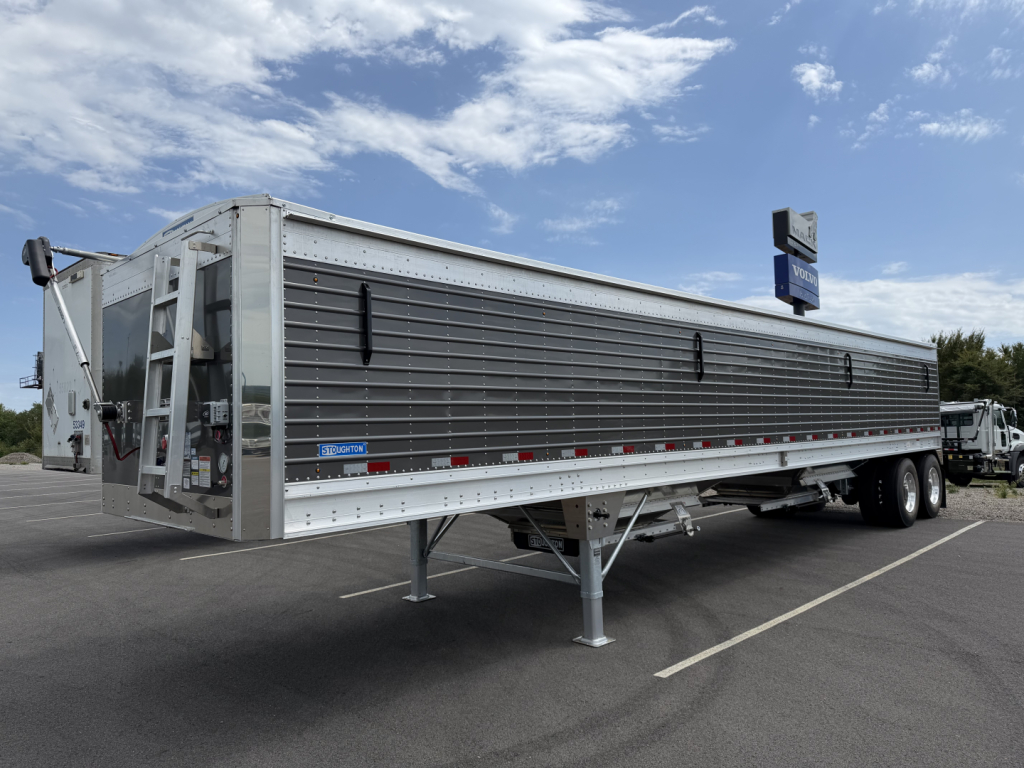
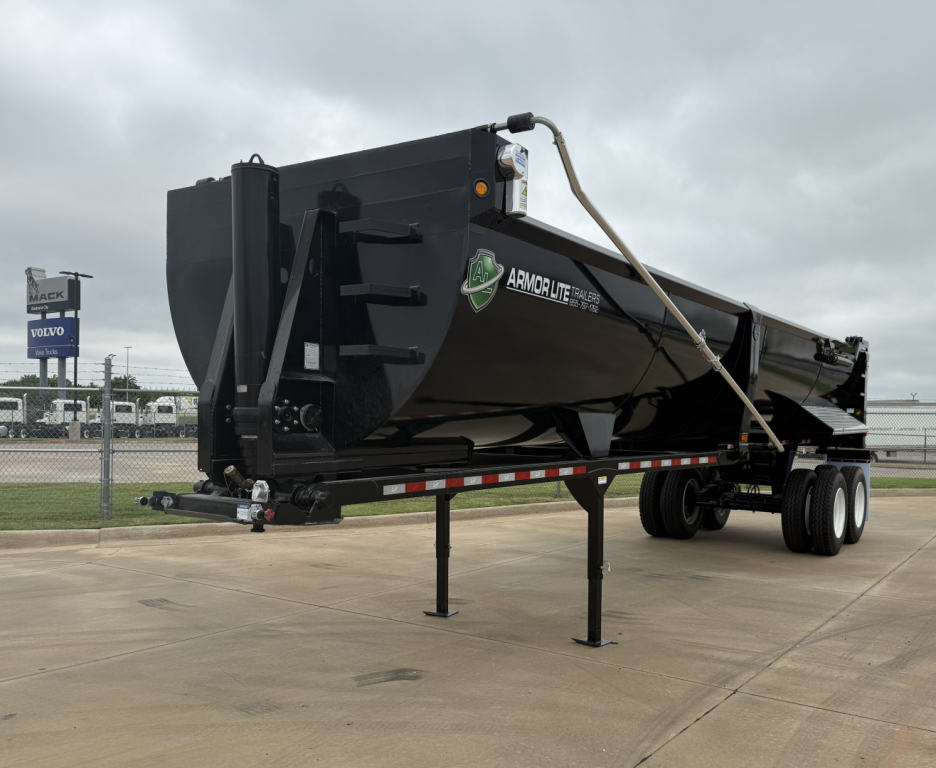
The trailer category covers a wide range of equipment, including dump trailers, flatbeds, step decks, dry vans, livestock trailers, equipment trailers, lowboys, and other specialized hauling platforms. In working fleets, the right trailer is usually matched to a narrow application. A dump trailer may need a Hardox or AR steel tub, high sides, barn doors, and an electric tarp system for scrap, aggregate, or demolition debris. A flatbed or drop deck may be judged more on deck length, kingpin setting, winch track placement, apitong flooring, and tie-down options. For enclosed freight, buyers usually focus on interior height, door configuration, logistics posts, scuff liners, and roof construction.
Key spec decisions often come down to suspension, brakes, and trailer structure. Air ride is commonly preferred for ride quality and freight protection, while spring or single-point suspensions remain common in demanding vocational applications. Drum brakes are still widely used, but some buyers look for disc brakes for stronger stopping performance and easier service access. Tire size, wheel type, axle ratings, landing gear, lighting, and tarp systems all matter because they affect uptime just as much as the headline capacity number. Trailer length, width, side height, and empty weight should always be reviewed against the freight or material being hauled, the route, and local bridge and axle laws.
A good trailer purchase is less about the badge on the nose and more about matching the build to the job cycle. For regional hauling around western Arkansas and eastern Oklahoma, buyers often prioritize serviceable components, common tire and brake sizes, and a structure that holds up on rough yards, county roads, and short-turn freight lanes. The most useful comparison is not just price, but cost per year of service, expected floor or tub life, corrosion resistance, and how easily the trailer can be repaired when it goes down. Buyers who stay disciplined on specs usually end up with a trailer that carries more, lasts longer, and creates fewer surprises in operation.
Frequently Asked Questions about Trailers Near Van Buren, Arkansas
What trailer specs matter most when comparing trailers for sale?
The most important trailer specs are axle rating, GVWR, empty weight, suspension type, brake setup, overall dimensions, and body or deck construction. Those numbers determine how much legal payload the trailer can carry, how it rides, how it stops, and how well it holds up in the intended application. Buyers should also check tire size, wheel type, landing gear, kingpin setting on tractor-pulled units, and any application-specific features such as tarp systems, scuff liners, tie-downs, or reinforced flooring.
How do I choose between a lighter trailer and a heavier-duty trailer?
A lighter trailer usually helps maximize payload on weight-sensitive freight, but only if the trailer is built for the material and duty cycle. A heavier-duty trailer often uses thicker steel, stronger crossmembers, upgraded suspension components, or abrasion-resistant liners, which can reduce structural fatigue and repair frequency in severe service. The right decision depends on what is being hauled, how often the trailer is loaded to capacity, and how rough the operating environment is.
Is air ride or spring suspension better on a trailer?
Air ride suspension is generally preferred when freight protection, ride quality, and reduced vibration matter most. It is common on highway trailers and many freight applications where cargo shift or shock loading is a concern. Spring or single-point suspension is still a practical choice for vocational use, especially in dump and rugged material-hauling work, where simplicity, durability, and lower upfront cost may be more important than ride quality.
What should I look for on a used trailer before buying?
A used trailer should be checked for frame cracks, crossmember damage, floor wear, suspension wear, brake condition, tire age, wheel-end issues, lighting problems, and signs of poor weld repairs. On dump trailers, inspect the tub, hoist area, hinges, and door seals for distortion or fatigue. On flatbeds and enclosed trailers, look closely at the deck, roof, side panels, and tie-down structure. Service history, prior application, and evidence of corrosion are often just as important as the model year.
Are dump trailers, flatbeds, and enclosed trailers measured differently for hauling needs?
Yes. Dump trailers are often evaluated by cubic capacity, side height, tub material, and body length because the freight is usually bulk material. Flatbeds and step decks are judged by usable deck length, deck height, axle spread, and securement points. Enclosed trailers are usually compared by interior cube, door opening dimensions, wall construction, and cargo control features. The correct measurement depends on whether the load is limited by weight, volume, dimensions, or securement requirements.