
Truxton Vacuum Trailers For Sale
Have truxton vacuum trailer to sell? List it here to reach thousands of buyers.
Truxton Vacuum Trailers
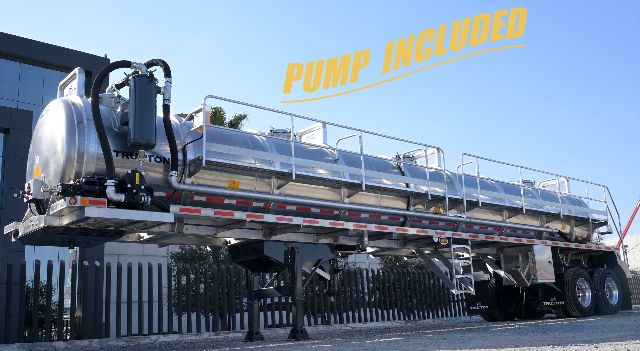
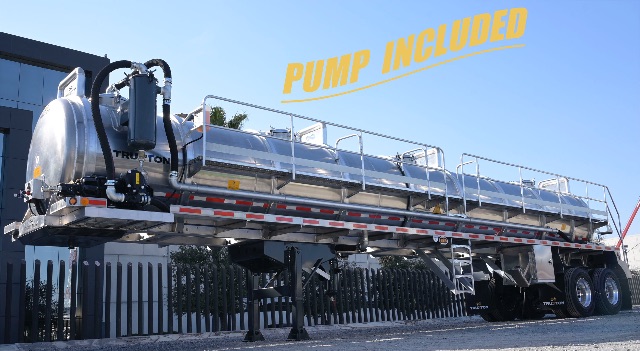
One of the biggest buying decisions is tank construction. Truxton vacuum trailers are commonly spec'd with aluminum shells and aluminum substructures to reduce tare weight and improve corrosion resistance. Aluminum tanks can be a strong fit for operators focused on payload, ease of maintenance, and long service life in wet or corrosive environments. Buyers should still look closely at shell thickness, head thickness, baffle design, reinforcing rings, and the kingpin plate structure, because those details affect durability when the trailer sees repeated vacuum cycles, rough lease roads, or frequent loading and unloading.
Pump and plumbing specs matter as much as tank size. Many Truxton vacuum trailers in this class use a hydraulic-driven vacuum pump, often paired with quick hydraulic couplers, rear butterfly suction charge valves, sump connections, relief valves, sight glasses, and manovacuometers. A practical operating range on trailers like these is around 15 PSI pressure and roughly 22 inches of mercury vacuum, which is typical for non-code work. Buyers should confirm the pump brand and model, shutdown protection, primary and secondary shutoff pots, discharge tube size, and rear work area layout. These details directly affect loading speed, operator safety, and how easily the trailer integrates with the tractor's wet kit.
Running gear and daily-service features deserve attention because vacuum trailers spend plenty of time off pavement and at job sites. Tandem axles, air ride suspension, 11R22.5 tires, ABS brake systems, aluminum wheels, full walkways with handrails, ladders, work lights, and roadside toolboxes are common and useful specs in this category. It also pays to verify manhole count and placement, rear head access, sight level indicators, interior lining or coating, and compliance items such as lighting, conspicuity tape, and relief protection. For many buyers, the right Truxton vacuum trailer is less about brand alone and more about matching barrel capacity, material construction, pump package, and plumbing layout to the exact fluid stream and duty cycle.
Frequently Asked Questions about Truxton Vacuum Trailers
What are Truxton vacuum trailers typically used for?
Truxton vacuum trailers are commonly used for oilfield fluid hauling, septic service, industrial waste collection, environmental cleanup, and transporting other non-hazardous or application-specific pumpable materials. The exact use depends on whether the trailer is non-code or built to a particular regulatory standard, along with its tank material, pump system, and valve layout. Buyers should match the trailer to the product being hauled, the loading method, and any local or federal compliance requirements.
What does a 150 BBL vacuum trailer mean in gallons?
A 150 BBL vacuum trailer generally equals about 6,300 gallons, since one oilfield barrel is 42 gallons. This is a common size for operators who need solid capacity without stepping into a much longer or heavier trailer. Actual usable capacity can vary slightly based on tank design, internal components, and how the trailer is rated for service.
Why do many buyers choose an aluminum Truxton vacuum trailer?
Aluminum vacuum trailers are often chosen for lower empty weight, corrosion resistance, and easier long-term upkeep compared with heavier steel builds in certain applications. A lighter trailer can improve payload flexibility and help when operating under bridge or axle constraints. Buyers should still evaluate where aluminum makes sense, because severe-duty service, product compatibility, and repair preferences can influence whether aluminum or steel is the better fit.
What should I check in the pump and vacuum system before buying?
The key items are pump make and model, vacuum rating, pressure rating, hydraulic motor requirements, shutoff protection, relief valves, and the size and location of suction and discharge plumbing. A trailer may look similar on paper but perform very differently depending on pump capacity and plumbing layout. It is also important to confirm that the tractor has the correct wet kit and hydraulic flow to run the vacuum pump efficiently.
Are Truxton vacuum trailers usually code or non-code?
Many listings in this category are non-code vacuum trailers, which are commonly used in oilfield and industrial applications where full DOT pressure vessel coding is not required for the product and service. That does not mean every unit is the same, and buyers should verify the trailer's test documentation, relief equipment, pressure and vacuum limits, and intended legal use before putting it to work. The best practice is to confirm the trailer's rating against the material being hauled and the regulations in the operating region.