
Vacuum Trailers For Sale in Texas

Have vacuum trailer to sell? List it here to reach thousands of buyers.
Vacuum Trailers in Texas
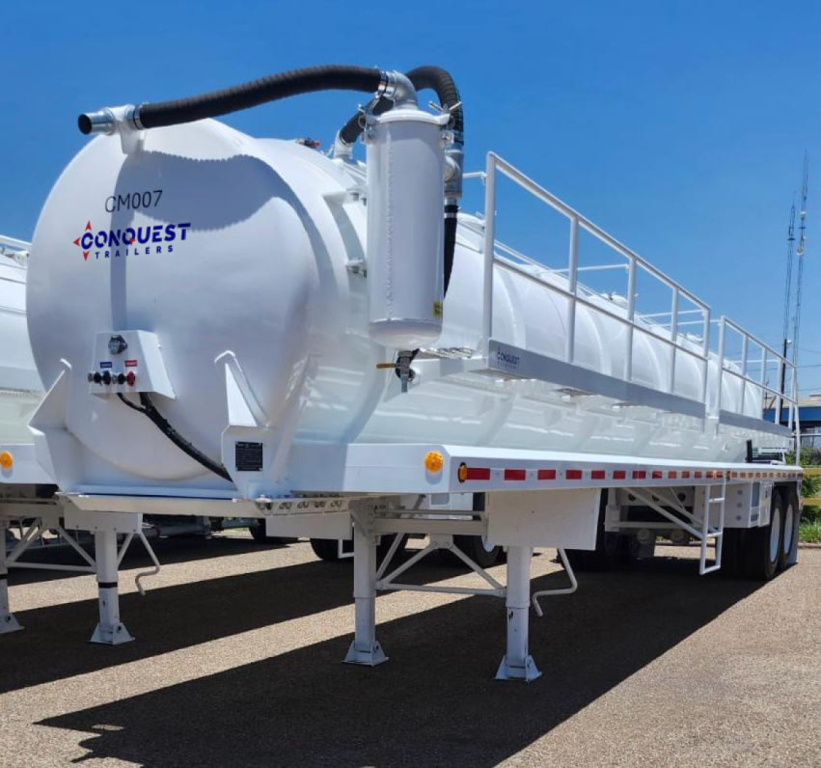
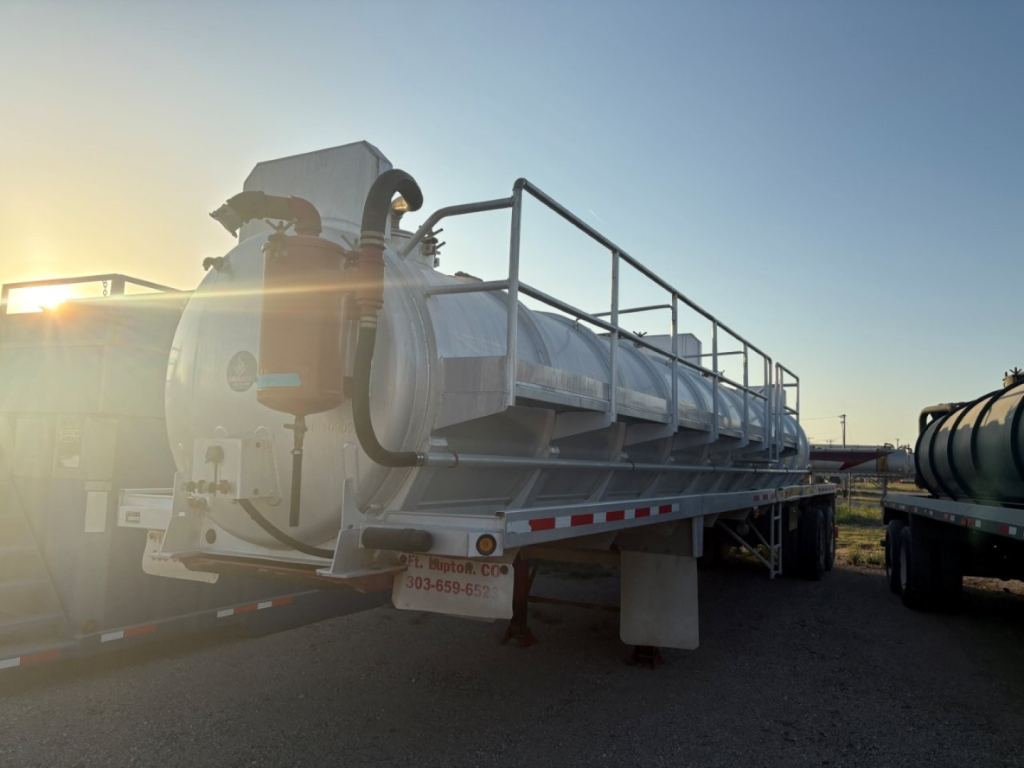
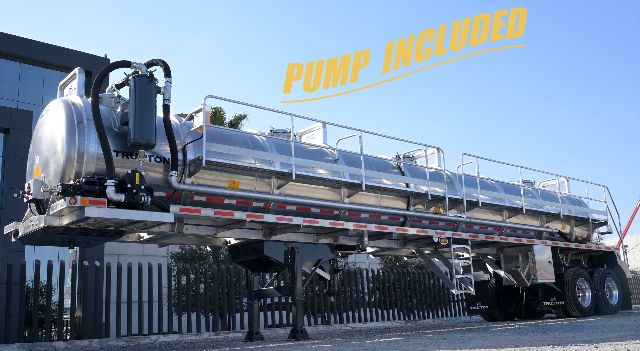
Tank construction matters because it affects tare weight, corrosion resistance, and long-term repair cost. Aluminum tanks are popular when payload and rust resistance are priorities, while steel tanks remain common for rugged service and lower upfront cost. Buyers should look closely at shell thickness, head thickness, internal baffles, interior lining, and relief valve ratings. Common features include straight cylindrical tanks, rear discharge, sight glasses, top and rear manways, full walkways with handrails, and primary and secondary shutoff protection for the vacuum system. If the trailer will see frequent exposure to corrosive fluids, confirm the lining, seals, and valve materials are appropriate for the product.
Running gear and pump configuration have a direct impact on uptime. Tandem axle setups are standard, typically with air ride or spring suspension, 22.5 or 24.5 rubber, and ABS-compliant brake systems. Air ride usually gives a better ride and can be easier on the tank and plumbing, while spring suspension is straightforward and often favored for simple oilfield service. Pump spec is just as important as the tank. Buyers should verify vacuum pump brand, hydraulic or PTO drive arrangement, shutoff pots, relief protection, plumbing size, and rear valve layout. Details such as 4-inch butterfly valves, stainless discharge tubes, hydraulic quick connects, toolbox placement, and ladder and walkway design make a real difference in daily use.
A good vacuum trailer spec matches the material hauled, the route, and the loading environment. For Texas operators, that often means balancing field durability with legal payload and serviceability in remote locations. Check kingpin setting, landing gear, tire and wheel package, and how accessible the rear controls and plumbing are for operators in gloves and boots. If the trailer is being used in oilfield or industrial service, verify pressure and vacuum ratings, test documentation, and any DOT or application-specific compliance before purchase. The best unit is not just the biggest tank. It is the one with the right construction, pump package, and suspension for the work cycle it will run every day.
Frequently Asked Questions about Vacuum Trailers in Texas
What is the difference between a code and non-code vacuum trailer?
A non-code vacuum trailer is generally used for approved non-hazardous or field-service applications where ASME or DOT coded tank construction is not required. A code trailer is built to specific regulatory standards for certain products, pressures, or hazardous service. The correct choice depends on what you haul, where you operate, and the regulations that apply to that material. Buyers should confirm compliance requirements before purchasing because code status affects legal use, resale value, and insurance.
What barrel size is common for a vacuum trailer?
In this category, 130 BBL and 150 BBL trailers are very common, especially in oilfield service. Larger capacity can improve productivity, but legal gross weight, tank material, and product density matter just as much as nominal volume. A lighter aluminum trailer may allow more usable payload than a heavier steel unit in the same barrel class. Capacity should be evaluated alongside axle rating, suspension, and the weight of the fluid being hauled.
Is aluminum or steel better for a vacuum trailer?
Aluminum is often chosen for lower empty weight and better corrosion resistance, which can help with payload and long-term appearance. Steel is typically less expensive up front and is widely used in demanding service where ruggedness and straightforward repair matter most. The better material depends on the product hauled, expected corrosion exposure, repair environment, and the value you place on payload versus initial cost. Tank lining and shell thickness are as important as base material.
What should I look for in a vacuum trailer pump system?
Focus on pump brand, drive method, vacuum capacity, relief protection, and shutoff design. A strong setup usually includes properly sized plumbing, primary and secondary shutoff pots, serviceable valves, and clear access to rear controls. Buyers should also confirm whether the pump is hydraulic-driven or set up for another drive arrangement, and make sure the trailer matches the truck and hydraulic system that will power it. A mismatched pump setup can create slow cycle times and unnecessary downtime.
Which suspension is better on a vacuum trailer, air ride or spring?
Air ride is generally preferred when ride quality, tank protection, and smoother highway performance are priorities. Spring suspension is simpler, durable, and commonly used in oilfield applications where ease of maintenance matters. Neither is automatically better for every operation. The right choice depends on road conditions, average haul distance, service environment, and how much value you place on simplicity versus ride quality.