
HARMON Vacuum Trailers For Sale
Browse HARMON vacuum trailers built for liquid waste, septic, industrial cleanup, and vacuum loading with durable tank and pump setups.
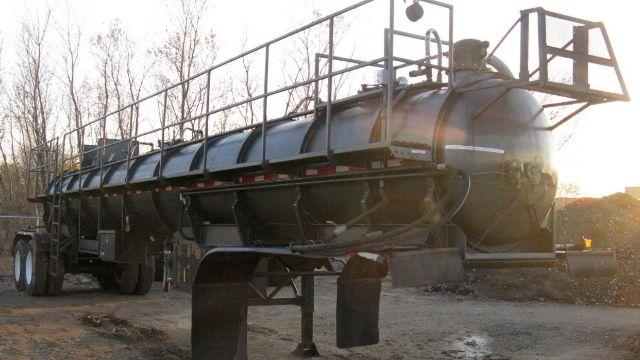
Selling a harmon vacuum trailer? List your harmon vacuum trailer for sale and reach thousands of commercial buyers.
HARMON Vacuum Trailers
Common specs on HARMON vacuum tanker trailers include steel tank construction, multiple side and rear inlet-outlet connections, hose storage, landing gear, air brakes, and tandem axle layouts. Many are equipped with a hydraulic vacuum pump or blower system and can be set up with 2-inch, 3-inch, or 4-inch plumbing depending on the service application. Buyers should pay close attention to nominal capacity versus legal payload, especially when hauling heavier materials like sludge or drilling mud. Tank temperature limits, maximum pressure for loading and unloading, and compatibility with the intended product stream are all key operating details that affect both safety and productivity.
A good vacuum trailer spec is driven by the job cycle. Septic and portable toilet contractors often want practical hose access, washout simplicity, and reliable rear controls. Industrial users may prioritize heavier-duty valves, better hose compartment storage, catwalk access, and pump performance for longer pulls or thicker material. If the trailer will run in off-road or mixed-surface conditions, suspension condition, tire size, axle rating, and frame integrity deserve a close look. It also helps to verify manway condition, shutoff protection, sight glass setup, and how easily the unit can be serviced in the field.
For used HARMON vacuum trailers, the inspection should go beyond basic DOT items. Check the pump or blower hours if available, confirm the tank has no signs of thin spots or poorly repaired damage, and inspect all couplers, seals, lines, and valves for leakage or wear. Review brake components, suspension bushings, wheel ends, and the condition of the hose trays and tool storage. A well-matched vacuum trailer can be a productive revenue unit for years, but the right choice comes down to tank integrity, vacuum system health, legal hauling capacity, and how well the plumbing and controls match the work you do every day.
Frequently Asked Questions about HARMON Vacuum Trailers
What are HARMON vacuum trailers typically used for?
HARMON vacuum trailers are commonly used for septic service, liquid waste hauling, grease trap pumping, industrial cleanup, sludge transport, and some oilfield or environmental recovery work. The exact application depends on the tank rating, plumbing size, vacuum system, and the type of material being loaded and discharged. Buyers should match the trailer to the material's weight, solids content, and required unloading method rather than relying on capacity alone.
What should I inspect first on a used HARMON vacuum trailer?
Start with the tank and the vacuum system. Inspect the tank shell, welds, barrel saddles, manways, and internal condition if access is available. Then check the blower or pump, hydraulic drive components, valves, hoses, couplers, and relief or shutoff systems. After that, review the running gear including brakes, axles, suspension, tires, wheel ends, frame rails, and landing gear. A vacuum trailer can look serviceable but still need expensive work if the tank or pump system has issues.
How important is tank capacity on a vacuum trailer?
Tank capacity is important, but legal payload is often the more useful number. A 3,500-gallon vacuum trailer may not be able to haul that full volume if the product is heavy and axle or gross weight limits are reached first. Sludge, mud, and industrial waste can weigh much more than lighter liquids, so buyers should calculate loaded weight based on the actual material they intend to haul. This helps prevent buying a trailer that looks large enough on paper but cannot legally carry the desired load.
Do plumbing layout and hose connections matter much on a vacuum trailer?
Yes. Plumbing layout has a direct effect on loading speed, discharge flexibility, service access, and operator efficiency. Side and rear couplers, hose tray location, valve placement, and pipe diameter all influence how quickly the trailer can be worked on different job sites. A trailer with the right connection points and hose storage can save time every day, while an awkward layout can slow loading, increase cleanup time, and limit where the trailer can be used.