
2025 Vacuum Trailers For Sale
Have 2025 vacuum trailer to sell? List it here to reach thousands of buyers.
2025 Vacuum Trailers
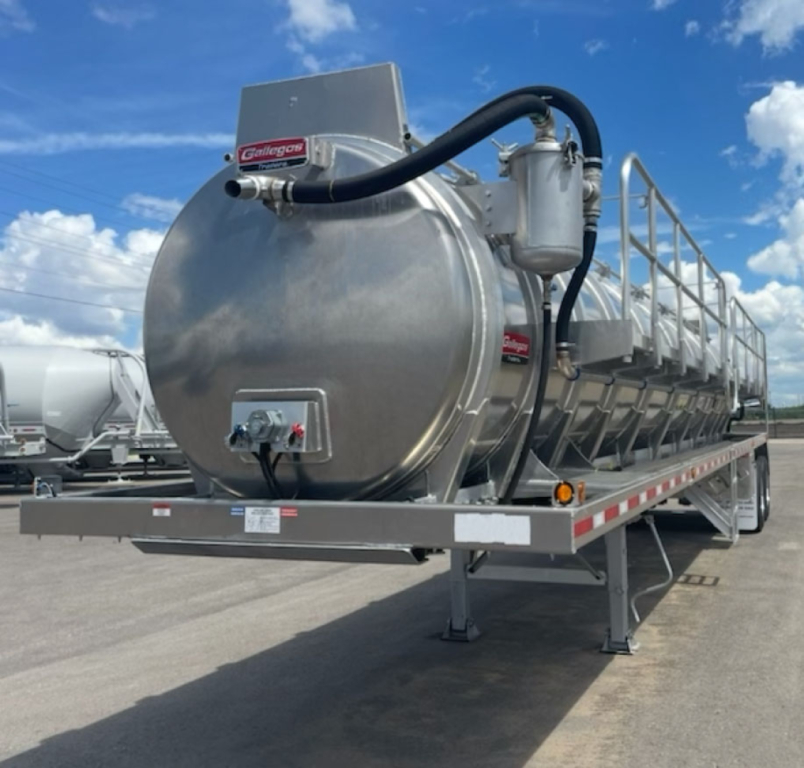
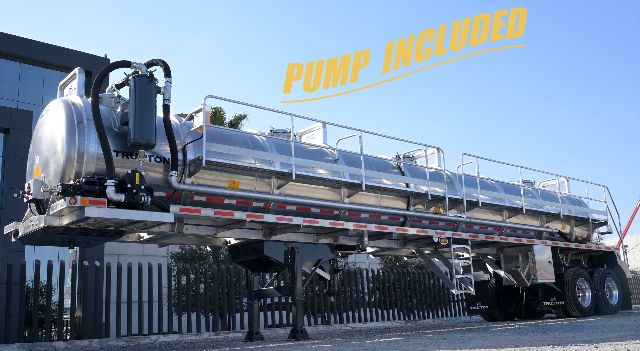
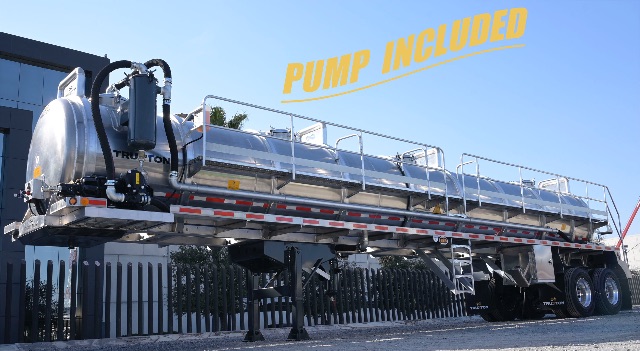
Tank layout and service equipment have a direct impact on daily productivity. Many vacuum tankers are single-compartment designs with internal baffles to control surge, plus multiple dome lids for access and cleanout. Features like full walkways, catwalks with safety rails, sight glasses, level gauges, hose troughs, chain hangers, toolbox storage, and work lights are more than convenience items on this category. They improve loading visibility, jobsite safety, and hose management in muddy or low-light conditions. Pump packages vary by application, but buyers should pay close attention to the vacuum blower or pump brand, hydraulic drive arrangement, plumbing size, inlet and outlet locations, and valve style. Those details determine how quickly the trailer can load heavy liquids, how easily it can discharge, and how much maintenance the system will require.
Suspension, axle configuration, and tire package deserve as much attention as tank capacity. Tandem and tri-axle vacuum trailers are common, and some larger 165 BBL units use air ride with a lift axle to balance payload, ride quality, and tire wear. Spring suspension remains popular for straightforward field service because it is simple and durable. Tire size in this category is often 11R24.5 on steel wheels, and that setup is familiar to most fleet maintenance departments. Overall trailer length, kingpin setting, and axle spread should be reviewed against bridge laws, turning radius needs, lease road conditions, and the tractor wheelbase the trailer will run behind. A vacuum trailer that looks right on paper can still be a poor fit if the chassis and suspension do not match the roads and payloads it will see every week.
The best 2025 vacuum trailer choice usually comes down to matching barrel count, tank construction, and pumping system to the material being handled. For lighter water and washout service, a simpler non-code configuration may be enough. For abrasive sludge, corrosive liquids, or frequent loading cycles, lining, tank thickness, and serviceability become more important. Buyers should also check dome count, dump valve arrangement, fenders, landing gear, rear bumper and tow provisions, and access platform design. These trailers are also commonly referred to as vacuum tank trailers or vacuum tanker trailers, and the strongest long-term value usually comes from a spec that is legal in the intended operating area, easy for drivers to work from the ground or walkway, and straightforward for technicians to maintain in the field.
Frequently Asked Questions about 2025 Vacuum Trailers
What is the difference between a non-code vacuum trailer and a code vacuum trailer?
A non-code vacuum trailer is generally built for hauling non-hazardous liquids and waste where full pressure vessel certification is not required. A code trailer is built to a specific regulatory standard and is typically needed for certain products, pressures, or jurisdictions. Buyers should verify the material being hauled, customer site rules, and state or federal compliance requirements before choosing between the two, because the wrong tank spec can limit where the trailer can be used.
What barrel size is common for vacuum trailers?
Two of the most common sizes in this category are 130 BBL and 165 BBL. A 130 BBL trailer is a practical fit for many oilfield and industrial jobs because it balances capacity with maneuverability and axle loading. A 165 BBL trailer offers more volume but usually brings added length, weight, and axle complexity, so it is better suited to operations with consistent high-volume hauling and routes that can accommodate the larger footprint.
What should I look for in a vacuum trailer pump or blower setup?
Focus on pump or blower brand, drive type, plumbing layout, inlet and outlet size, valve arrangement, and service access. The right setup depends on the thickness of the material, expected loading time, discharge method, and how often the trailer cycles each day. A well-matched system reduces loading delays, handles thicker product more effectively, and lowers maintenance downtime compared with an under-specced or hard-to-service package.
Is tandem axle or tri-axle better for a vacuum tanker trailer?
That depends on capacity, legal payload, and road conditions. Tandem axle trailers are simpler, lighter, and often easier to maneuver, which can make sense for smaller-capacity units or tighter job sites. Tri-axle trailers are common on higher-capacity vacuum tankers because they help distribute weight more effectively and can improve legal payload options, especially when paired with air ride and a lift axle. The best choice is the one that fits local bridge laws and the actual product density being hauled.
Which features improve day-to-day use on a vacuum trailer?
Walkways, safety rails, dome lids, sight glasses, level gauges, hose troughs, chain hangers, toolboxes, work lights, and a practical dump valve layout all make a noticeable difference in real-world operation. These features improve safety, speed up loading and unloading, and reduce hose and equipment clutter at the job site. Buyers who prioritize daily access and maintenance points usually end up with a trailer that is easier to run consistently and cheaper to keep productive over time.