
Utility Trailers For Sale
Shop Utility trailers for sale, including dry vans, reefers, and flatbeds with specs on suspension, brakes, dimensions, floors, and tandem setups.
Learn moreBrowse Utility Trailers by Category

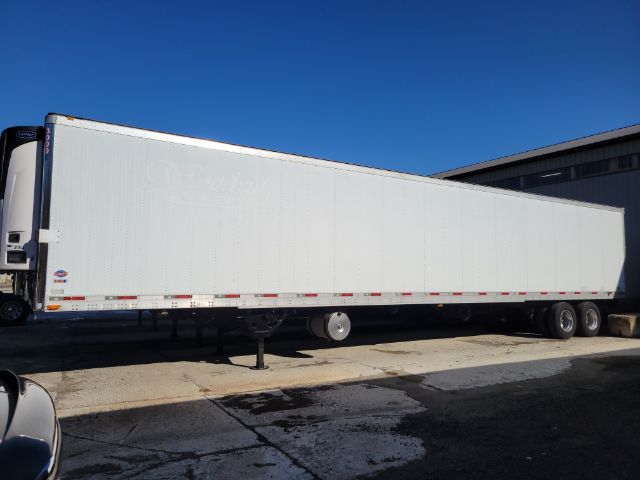
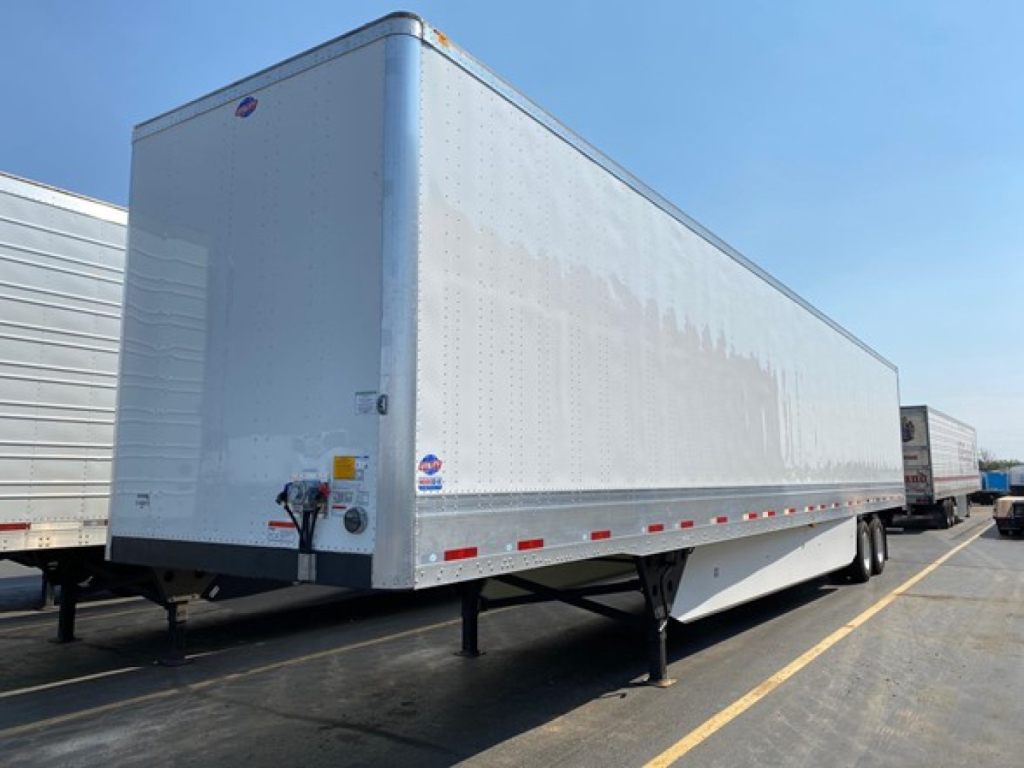
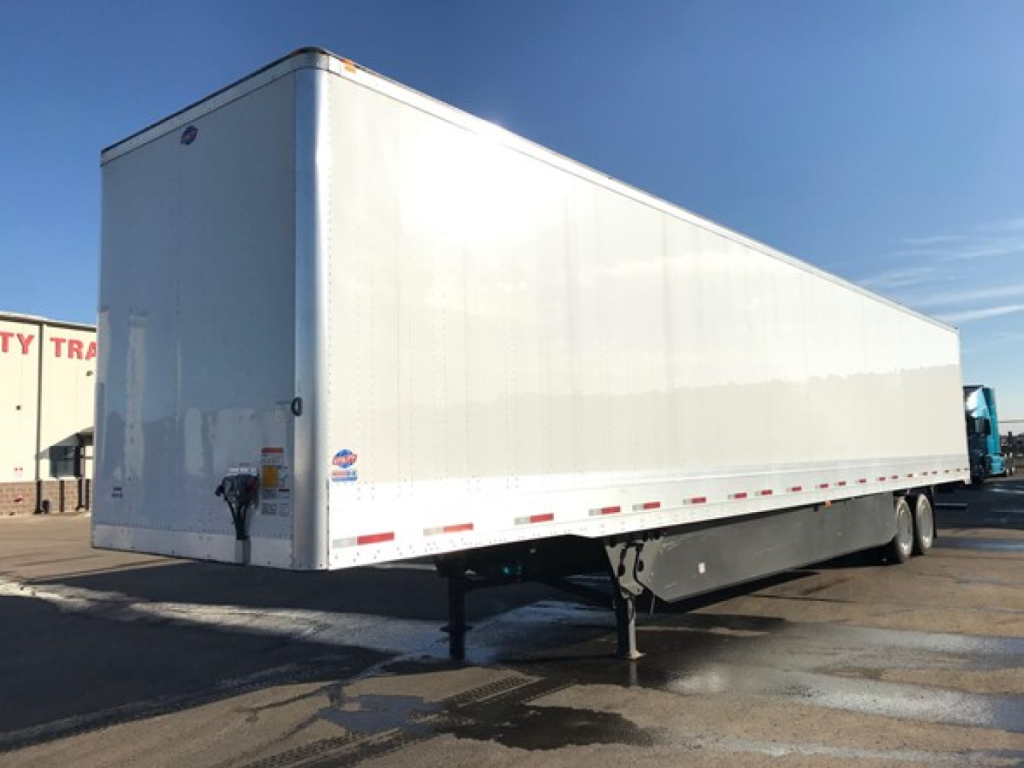
Showing 409 to 420 of 434 results
Have utility trailer to sell? List it here to reach thousands of buyers.
About Utility Trailers
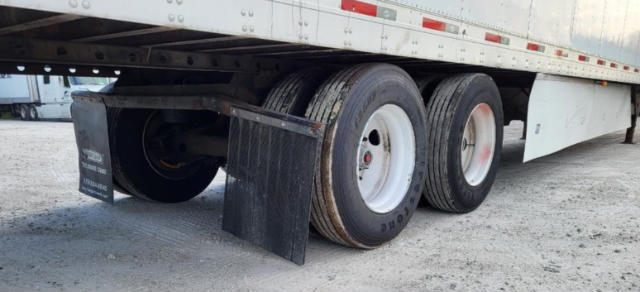
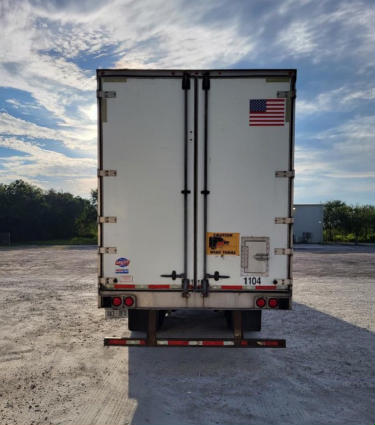
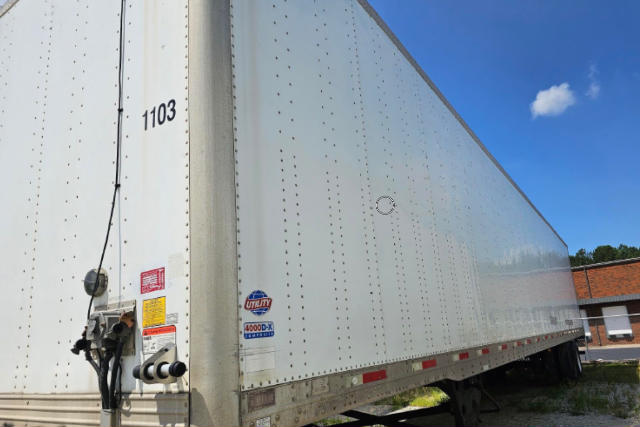
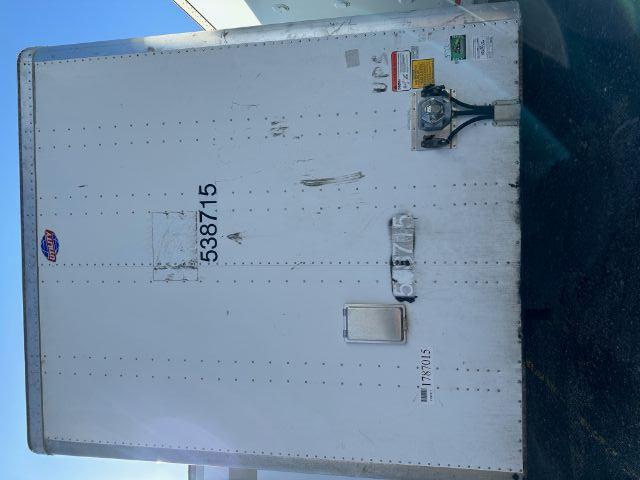
For dry van buyers, the 4000D-X is one of the most familiar Utility platforms. Common specs include smooth aluminum sides, stainless front radius panels, 12-inch scuff protection, wood flooring, threshold plates, and 49-inch sliding tandems. Brake configuration matters more than many buyers expect. Some trailers are equipped with drum brakes while others have disc brakes, which can change stopping feel, maintenance intervals, and parts cost. Tire size, wheel type, crossmember spacing, kingpin setting, and landing gear condition also deserve a close look, especially for fleets trying to match existing tractor and maintenance standards.
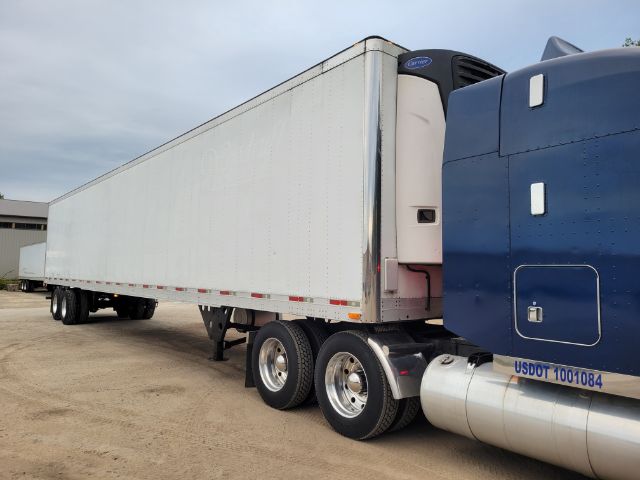
Utility refrigerated trailers are also widely used in grocery, foodservice, and temperature-controlled freight. These reefer trailers are often spec'd with Carrier or Thermo King units, air ride suspension, lined interior walls, and options such as tire inflation systems, aerodynamic skirts, and aluminum wheels. Reefer buyers should focus on unit hours, reefer model, floor condition, chute or ducting setup, door seal integrity, and insulation performance. Interior lining material and floor wear tell you a lot about washout history and abuse level, while reefer hours and maintenance records are critical for estimating upcoming service needs.
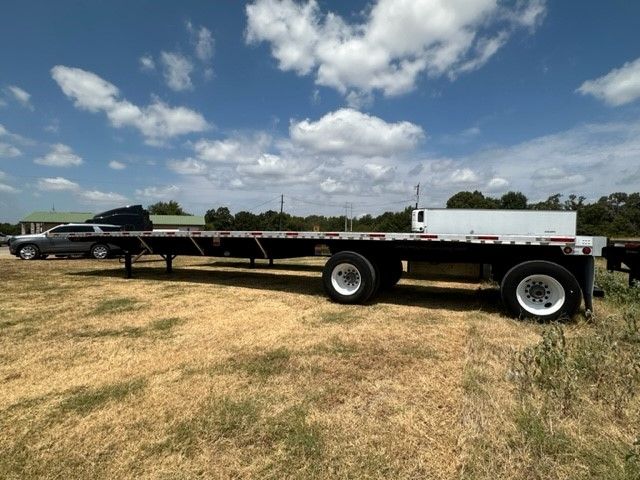
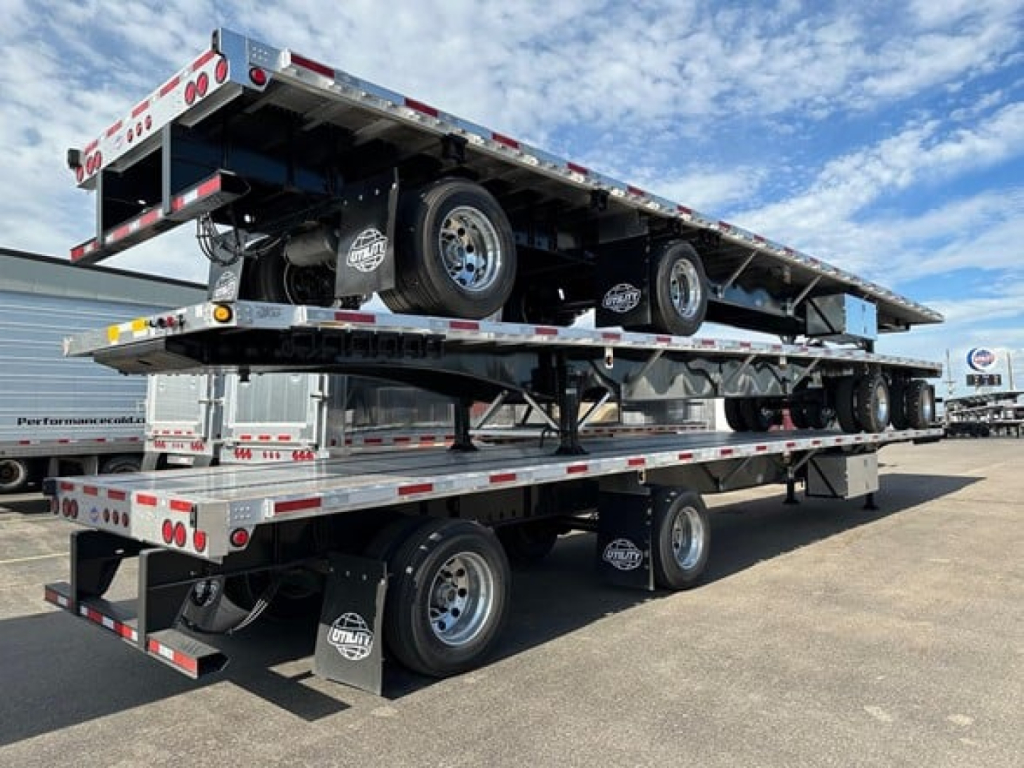
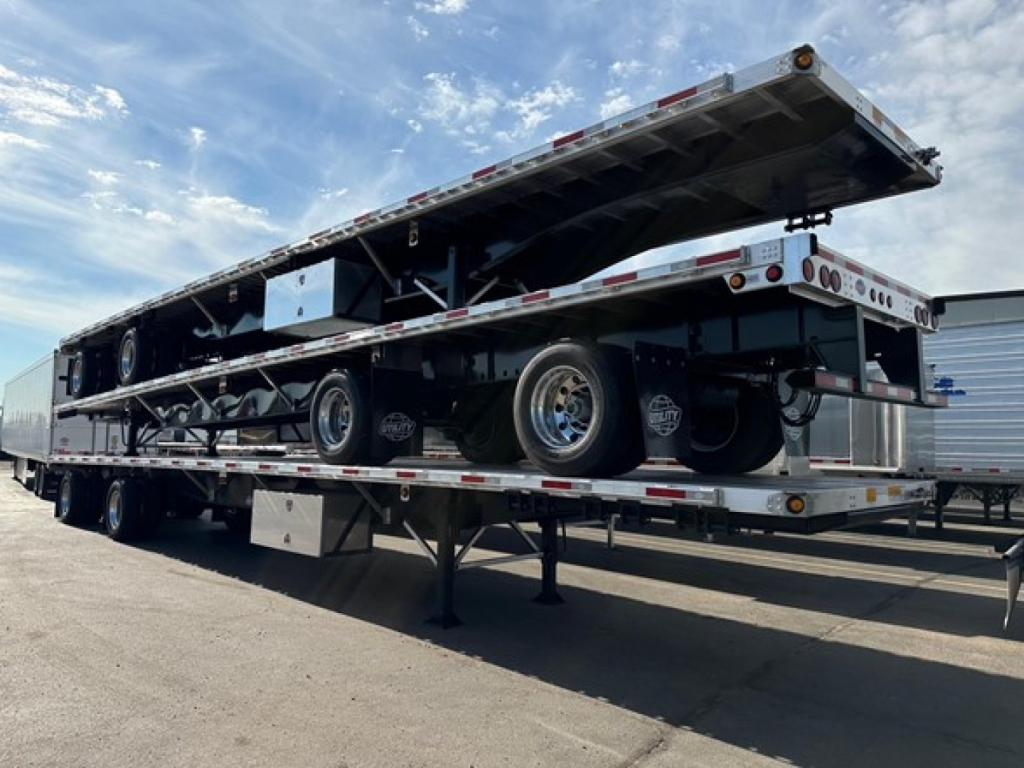
Utility also builds flatbeds, typically in 48-foot configurations with 102-inch width, steel main beams, stake pockets, sliding winches, pipe spools, and wood decking such as Apitong. On these trailers, suspension type, tandem configuration, deck condition, and rail integrity are key buying points. Across all trailer types, Utility has strong market familiarity, broad parts support, and good resale recognition, which makes spec comparison easier when sorting through multiple listings. The best choice usually comes down to matching trailer type, suspension, brake package, interior condition, and axle arrangement to the freight lane and loading style the trailer will handle every week.
Frequently Asked Questions
What types of Utility trailers are most common on the used market?
The most common Utility trailers on the market are dry vans, refrigerated trailers, and flatbeds. Dry vans such as the 4000D-X are especially common in 53-foot configurations for general freight. Utility reefers are widely used in food and cold-chain work, while Utility flatbeds are often found in steel or combo construction for building materials, machinery, and other open-deck freight.
What should I inspect first on a used Utility dry van trailer?
Start with the floor, roof, rear frame, doors, suspension, and tandem slide. Floor wear and repairs can reveal years of forklift traffic, while roof damage or patches may point to water intrusion. Rear frame condition, hinge wear, and door alignment matter for dock use and cargo security. It is also smart to check the kingpin area, crossmembers, brake condition, tire wear, and scuff liners because these areas often determine near-term maintenance cost.
Are Utility reefer trailers a good choice for temperature-controlled freight?
Utility reefer trailers are a strong fit for temperature-controlled operations because they are commonly spec'd for food-grade hauling, multi-stop delivery, and long-haul refrigerated freight. The trailer itself should be evaluated along with the refrigeration unit. Buyers should review reefer hours, maintenance history, insulation condition, lining, floor wear, and seal condition to determine how well the trailer will hold temperature and how much service it may need.
How important is suspension and tandem configuration on a Utility trailer?
Suspension and tandem configuration directly affect ride quality, cargo protection, tire wear, and legal axle placement. Air ride suspension is common on Utility vans and reefers because it helps reduce cargo shock and improves ride characteristics. Sliding tandems add flexibility for bridge law compliance, dock positioning, and load distribution. On flatbeds, the suspension and tandem setup also influence how the trailer handles concentrated loads and rougher jobsite conditions.
Do Utility trailers hold their value well?
Utility trailers generally hold their value well because the brand is widely recognized, common in fleet service, and supported by established parts and repair networks. Resale value still depends heavily on trailer type, age, maintenance history, structural condition, and major components such as the reefer unit or brake system. Clean specifications and documented upkeep usually make a noticeable difference when a trailer is later remarketed.