
Used 1998 Utility Trailers For Sale
Shop used 1998 Utility trailers including dry vans, reefers, and flatbeds. Compare specs, suspension, floors, doors, and tandem setups.
Learn more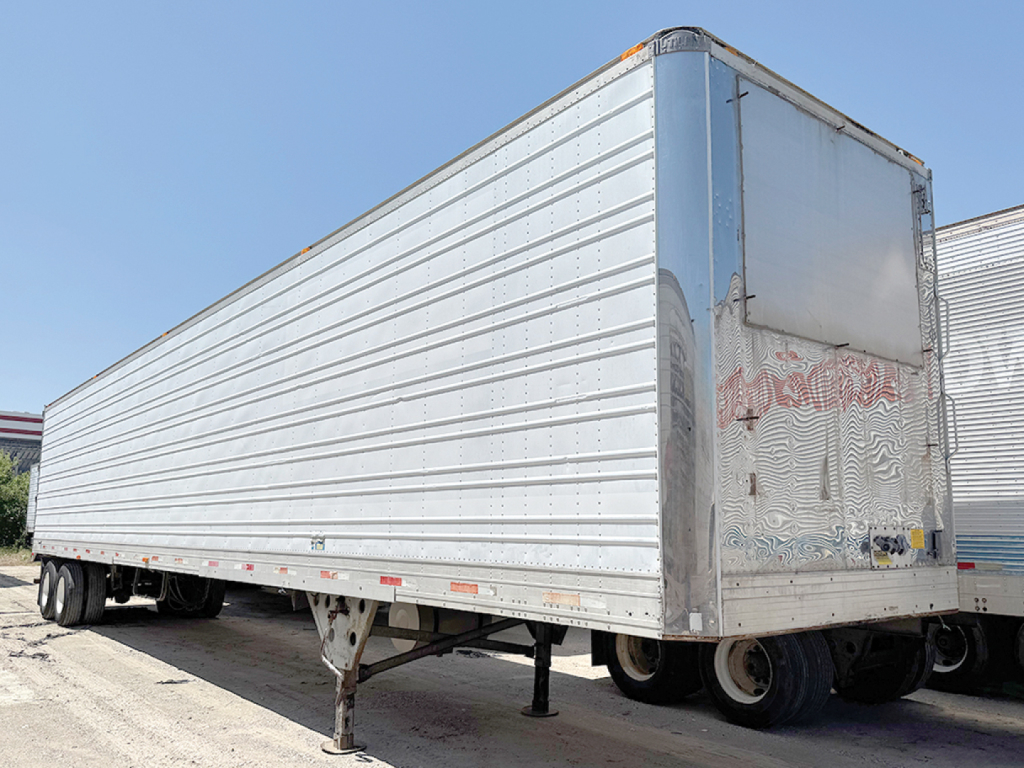

Have used 1998 utility trailer to sell? List it here to reach thousands of buyers.
About Used 1998 Utility Trailers
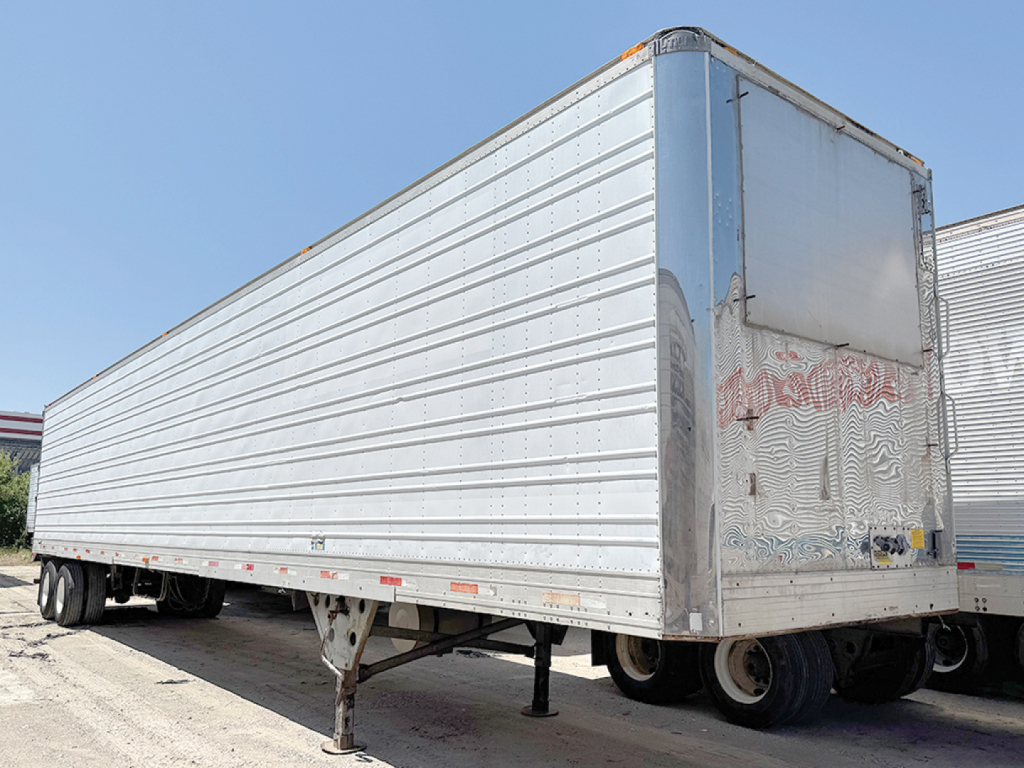
Utility dry vans from this era are often seen in 48-foot and 53-foot lengths, commonly with swing doors, aluminum roofs, and either hardwood or laminated floors depending on original spec and later repairs. If the trailer is a reefer, pay close attention to insulation performance, interior liner condition, scuff protection, door seals, and whether the unit is being sold with or without the refrigeration system. Older Utility reefers may have aluminum duct floors, cold chutes, stainless front radius panels, and stainless rear frames or door surrounds. For flatbeds, common checkpoints include deck condition, aluminum versus combo construction, side rail wear, winch track damage, and any evidence of overload stress near the suspension and kingpin area.
Suspension and running gear can make or break the value of a 1998 Utility trailer. Air ride remains desirable for ride quality and cargo protection, but spring ride trailers may still fit certain vocational or short-haul applications. Check axle alignment, bushing wear, brake condition, ABS function if equipped, wheel-end service history, and tire age in addition to tread depth. Sliding tandems are common and add flexibility for bridge law compliance and weight distribution, but older slider systems should be inspected for rail wear, locking pin operation, and corrosion. Trailer width, overall height, door type, and kingpin setting should also be confirmed against the lanes and docks the trailer will actually serve.
The best use for a used 1998 Utility trailer is usually a cost-sensitive operation that needs dependable capacity without paying late-model money. These trailers can work well in regional dry freight, storage service, agricultural hauling, local refrigerated work, or specialized flatbed use if the trailer has been kept structurally sound. A buyer comparing listings should think in terms of application fit, repair exposure, and remaining service life rather than model year alone. A clean older Utility with a solid frame, good floor, serviceable suspension, and legal running gear can be more valuable than a newer trailer with hidden structural issues.
Frequently Asked Questions
What should I inspect first on a used 1998 Utility trailer?
Start with the structure. Inspect the upper coupler, kingpin area, main rails, crossmembers, rear frame, landing gear mounts, and suspension hangers for cracks, corrosion, poor repairs, or elongation around fasteners and welds. After that, check the floor, roof, doors, tandem slide, brakes, tires, and wheel ends. On a trailer of this age, structural condition and maintenance history are usually more important than cosmetic appearance.
Are 1998 Utility trailers still a good value for commercial use?
They can be, if the trailer is matched to the right application and the major wear points are sound. Many older Utility trailers stay in service because the brand has long been common in fleet operations and parts support is generally manageable. The value comes from lower acquisition cost, but buyers should budget for catch-up maintenance and verify that the trailer meets current operational needs for payload, dock compatibility, and running gear condition.
What is the difference between buying an older Utility dry van, reefer, or flatbed?
A dry van buyer should focus on floor strength, roof integrity, door condition, and sidewall repairs. A reefer buyer has additional concerns such as insulation, interior liner condition, door seal performance, duct floor condition, and the status of the refrigeration unit if included. A flatbed buyer should pay close attention to deck wear, rail damage, frame straightness, winch track condition, and evidence of concentrated loading or twisting. Each trailer type has different repair costs and different signs of abuse.
How important is suspension type on a 1998 Utility trailer?
Suspension type affects ride quality, cargo protection, maintenance needs, and resale appeal. Air ride is generally preferred for sensitive freight and broader marketability, while spring suspension can still be acceptable for certain short-haul or lower-cost applications. On an older trailer, the real question is not just air versus spring, but the condition of bushings, hangers, shocks if equipped, axle alignment, and tandem slider components. A well-maintained suspension system matters more than the original spec alone.
Should I be concerned about tandem slides and running gear on a trailer this old?
Yes. Sliding tandems are useful, but they are also a common wear area on older trailers. Inspect the slider rails for rust, distortion, and cracked welds, and make sure the locking pins engage and release correctly. Running gear should be checked for brake wear, slack adjuster operation, wheel seal leakage, bearing service history, tire age, and wheel condition. These items directly affect safety, compliance, and the true cost of putting the trailer to work.