
New Utility Trailers For Sale in New Mexico
Shop new Utility trailers for sale in New Mexico, including reefer and flatbed models with air ride, lightweight specs, and fleet-ready options.
Selling a new utility trailer? List your new utility trailer for sale and reach thousands of commercial buyers.
New Utility Trailers in New Mexico
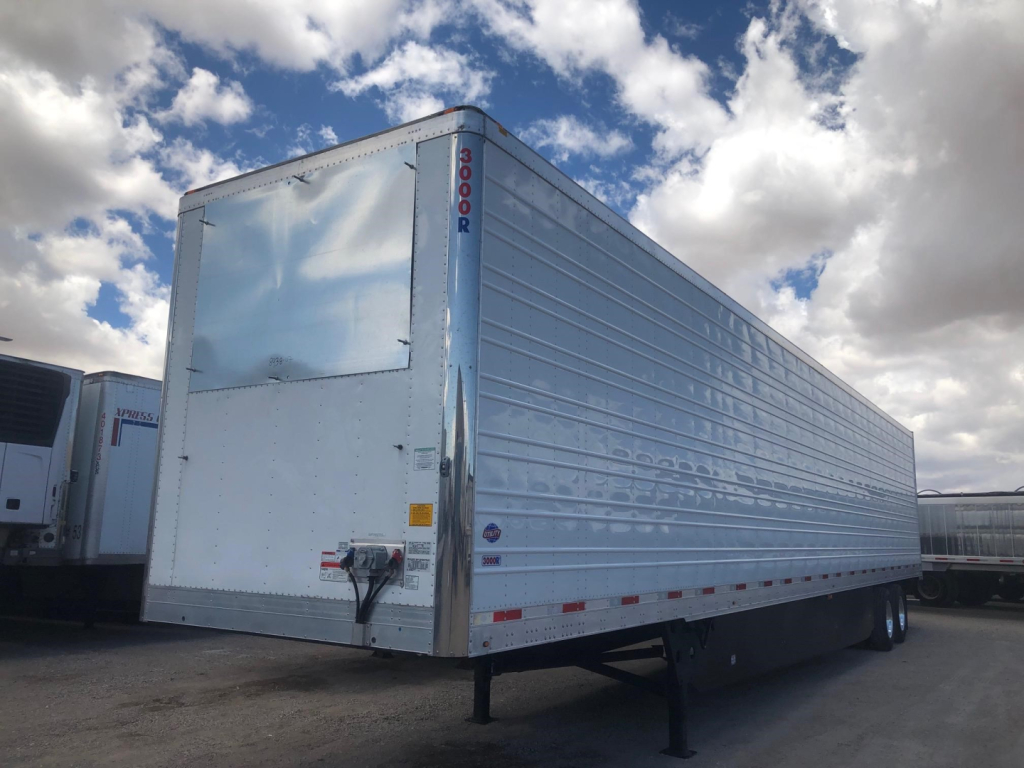
For refrigerated freight, Utility reefer trailers are typically found in 53-foot by 102-inch configurations with aerodynamic body design, aluminum duct floors, rear venting, swing doors, and air ride suspensions. Buyers usually compare floor type, insulation package, wearband height, side skirt setup, tire inflation systems, and slider configuration. Features like TireMaxx Pro, air pin sliders, anti-dock-walk systems, and low-profile 22.5 tires matter if the trailer is expected to run hard across regional and long-haul lanes. In hot, dry climates like New Mexico, reefer buyers should pay close attention to door seal integrity, floor condition, and unit compatibility with their preferred refrigeration platform.
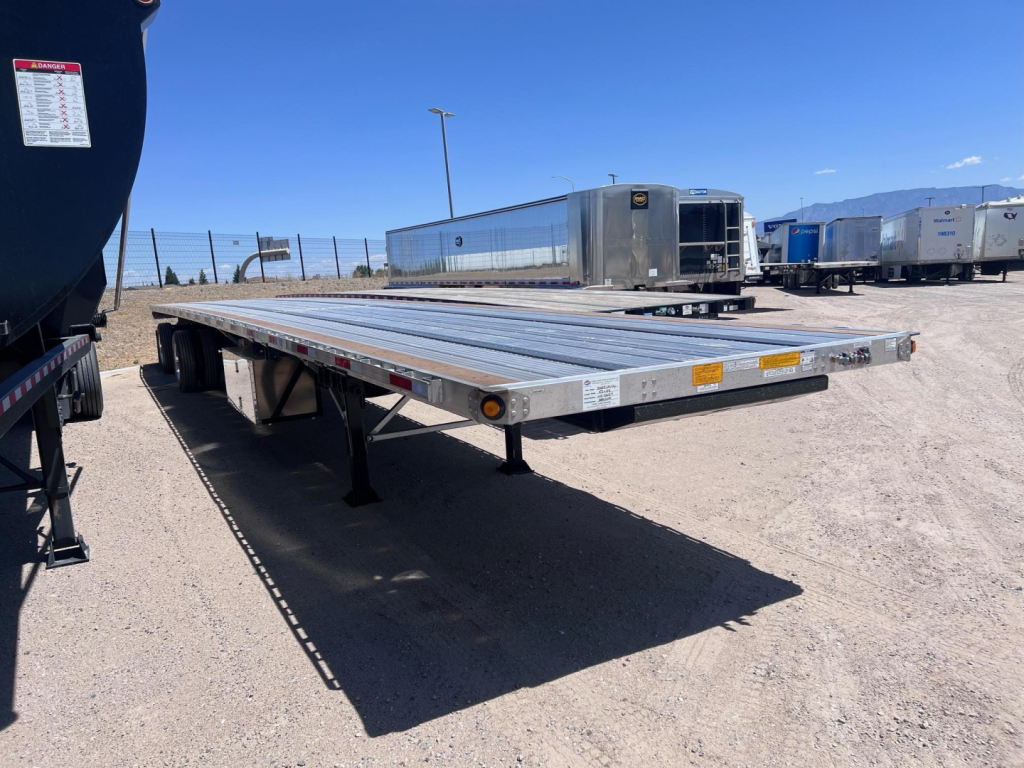
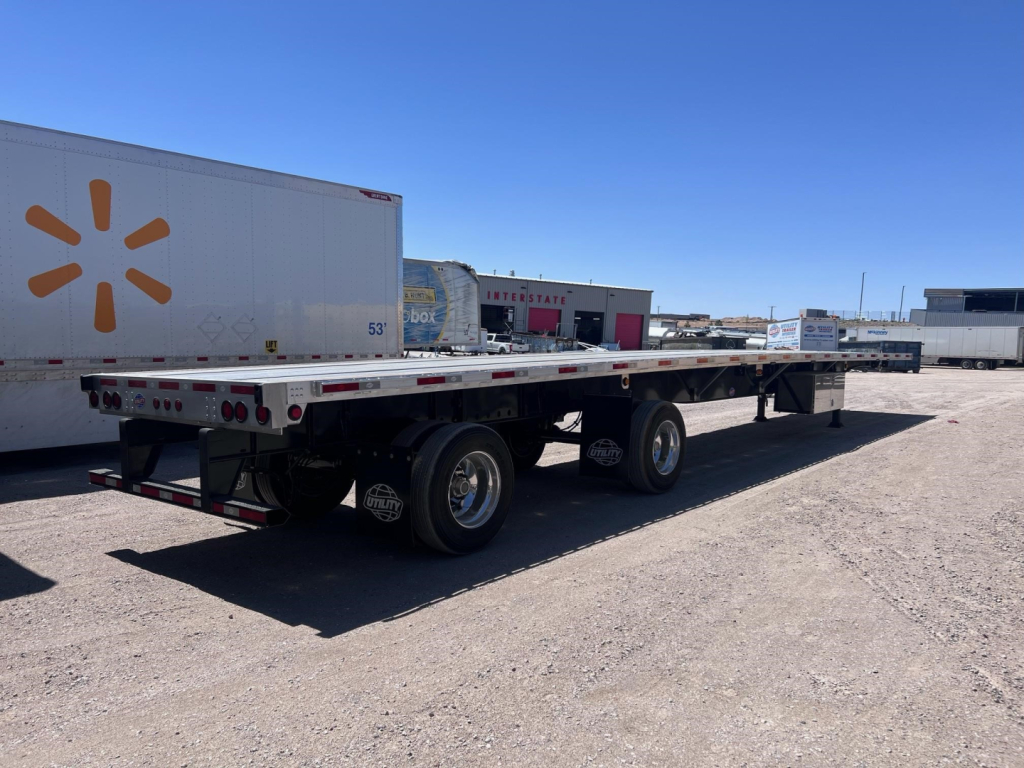
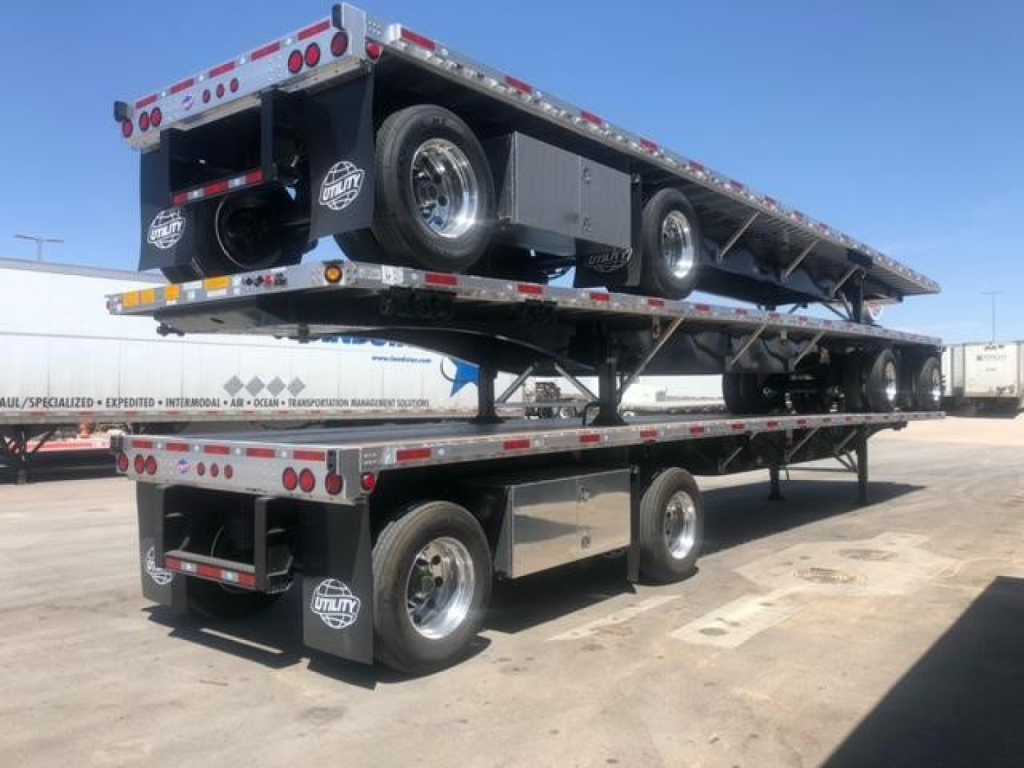
Utility flatbeds, including combo flatbed designs such as the 4000AE, are built to keep empty weight down without giving up strength where it counts. A typical combo spec uses steel main beams with aluminum crossmembers, deck, and side rails. Buyers should look closely at overall length, axle spread, coil package rating, pipe spool capacity, nail strips, winch track placement, stake pocket layout, and suspension type. California-legal and spread axle configurations can matter depending on where the trailer will run, and rear slide axle setups can add flexibility for bridge law and load positioning. For steel, building products, machinery, and palletized freight, the small details in securement layout have a direct effect on day-to-day usability.
Across both reefer and flatbed categories, new Utility trailers are typically selected by buyers who want straightforward specs, good parts support, and equipment that fits established freight patterns. It pays to match the trailer to the freight first, then evaluate tare weight, axle setup, wheel and tire package, flooring, and securement or cargo-control features. A reefer buyer may prioritize thermal efficiency and trailer tracking stability, while a flatbed buyer may focus on coil hauling, winch accessibility, and deck durability. The best spec is the one that supports the freight lane, loading method, and maintenance plan without adding unnecessary complexity.
Frequently Asked Questions about New Utility Trailers in New Mexico
What types of new Utility trailers are most common in New Mexico?
The most common new Utility trailers in New Mexico are refrigerated trailers and combo flatbeds. Reefer trailers are popular for food, beverage, and temperature-controlled distribution, while Utility flatbeds are widely used for construction materials, steel, machinery, and general open-deck freight. The right choice depends on cargo type, loading method, and the balance you need between payload, durability, and operating cost.
What should I look for in a new Utility reefer trailer?
Focus on core operating specs first: trailer length and width, suspension type, slider setup, floor design, rear door construction, and any tire inflation or aerodynamic equipment. Buyers should also evaluate wearband height, duct floor configuration, side skirt design, and compatibility with their preferred refrigeration unit and service network. For hotter climates and long regional runs, insulation integrity, door sealing, and stable air ride performance are especially important.
What makes a Utility combo flatbed different from an all-steel flatbed?
A Utility combo flatbed typically uses steel main beams for structural strength and aluminum components such as the deck, crossmembers, and side rails to reduce tare weight. That lighter construction can improve payload capacity while still supporting demanding freight applications. Buyers hauling coil, pipe, building materials, or general freight often prefer combo designs because they provide a practical balance of durability, securement flexibility, and lower empty weight.
Which flatbed specs matter most for freight versatility?
The most important flatbed specs for versatility are trailer length, axle configuration, coil package rating, winch track layout, stake pockets, pipe spools, deck material, and suspension. A trailer with a strong coil package, sliding winches on both sides, nail strips, and a practical axle setup can handle a wider range of loads with fewer securement limitations. Buyers running multiple freight types should pay close attention to cargo-control layout because it affects loading speed and legal securement options every day.
Is air ride suspension worth it on a new Utility trailer?
Air ride is often worth the added cost because it improves ride quality, helps protect sensitive cargo, and can reduce shock transfer to the trailer structure over time. On reefer trailers, air ride supports load stability and product protection. On flatbeds, it can help with ride quality for certain freight and improve overall trailer control on rougher roads. Buyers should compare air ride against their freight mix, maintenance preferences, and expected annual mileage.