
Utility Trailers For Sale in Illinois
Browse Utility trailers for sale in Illinois, including dry vans, reefers, and dump trailers built for durability, payload efficiency, and uptime.
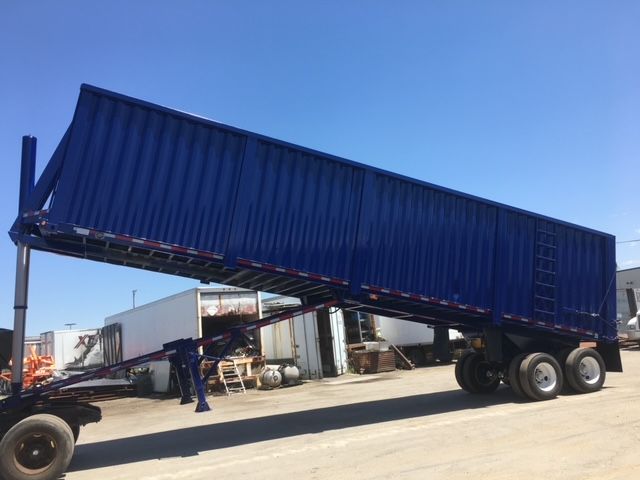
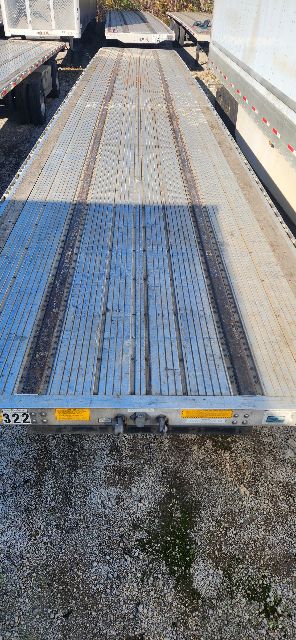
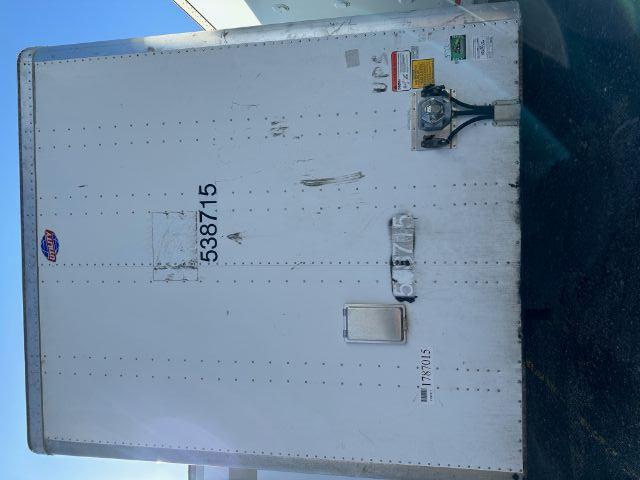

Selling a utility trailer? List your utility trailer for sale and reach thousands of commercial buyers.
Utility Trailers in Illinois
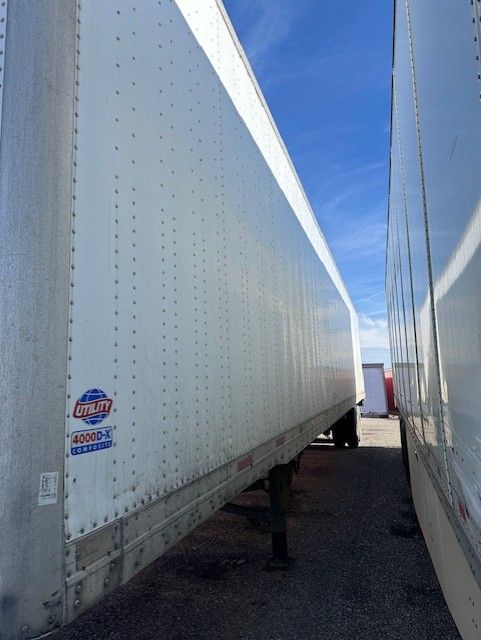
For dry van buyers, the main decision points are trailer length, suspension, door style, roof construction, and interior protection. Most late-model Utility dry vans in the market are 53-foot trailers with air ride suspension, tandem axles, aluminum roofs, and either swing doors or roll-up doors. Swing doors are common in linehaul and maximize rear opening clearance, while roll doors can be useful in urban or multi-stop work where dock access is tight. Features like high rub rails, scuff liners, logistics posts, and tire inflation systems can make a real difference in trailer life and operating cost. If the trailer will stay in dense distribution lanes around Chicago, inspect door hardware, rear frame condition, crossmembers, and signs of repeated dock impact.
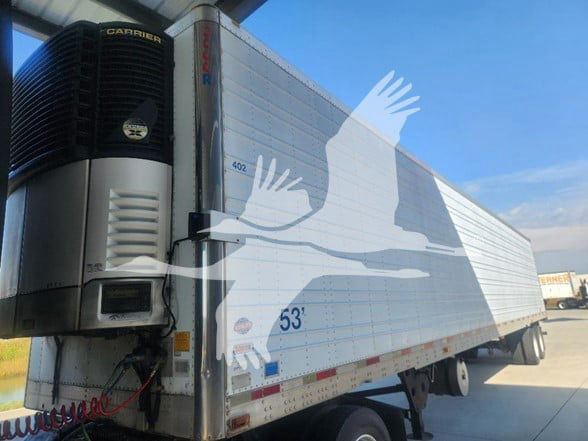
On reefer models like the Utility 3000R, buyers should look beyond the trailer shell and pay close attention to refrigeration unit hours, service history, insulation integrity, floor condition, and door seal performance. Common specs include air ride suspension, stainless front corners, insulated or quilted rear doors, disc or drum brakes, and tire inflation systems. Reefer value is tied to both the trailer and the unit, so it is important to confirm the condition of the evaporator, fuel system, telematics if equipped, and the overall maintenance record. In Midwest service, corrosion exposure, washout practices, and dock wear can tell you a lot about how the trailer was operated.
Utility trailers generally appeal to buyers who want straightforward fleet specs, broad service familiarity, and strong resale recognition. A used Utility trailer should be evaluated for axle alignment, roof and sidewall repairs, floor wear, suspension bushing condition, brake life, and tire match across all wheel positions. For reefer and dry van buyers alike, small spec differences can affect payload, loading speed, and maintenance cost over the life of the trailer. If your freight is cube-driven, door type and interior layout may matter more than tare weight. If your operation is weight-sensitive or high-mileage, focus on structural condition, brake package, and components that reduce downtime.
Frequently Asked Questions about Utility Trailers in Illinois
What are the most common Utility trailer models buyers look for?
The most common Utility trailer models on the used market are the 4000DX dry van and the 3000R reefer. The 4000DX is widely used for general freight, retail distribution, and dock-to-dock van service. The 3000R is a temperature-controlled trailer designed for refrigerated and frozen freight. Utility also builds trailers for other applications, but these two models are the most recognized in over-the-road and regional fleet operations.
Is a Utility dry van trailer a good choice for Midwest freight operations?
A Utility dry van is a practical fit for Midwest operations because it is commonly spec'd for high-frequency loading, regional mileage, and mixed seasonal conditions. Air ride suspension, aluminum roof construction, and standard fleet components help with ride quality, serviceability, and long-term operating cost. In Illinois and surrounding states, buyers should still inspect carefully for corrosion, dock damage, floor wear, and rear frame fatigue because these trailers often see intensive warehouse and distribution use.
What should I inspect first on a used Utility reefer trailer?
Start with the refrigeration unit hours, maintenance records, and proof of recent service, then move to the trailer body and insulated cargo area. Door seals, floor condition, interior lining, and signs of water intrusion are critical because they directly affect temperature control. After that, inspect the suspension, brakes, tire condition, and any tire inflation system components. A reefer trailer's value depends on both the refrigeration unit and the structural condition of the trailer itself.
What is the difference between swing doors and roll-up doors on a Utility van trailer?
Swing doors are the standard choice for many over-the-road dry vans because they provide a full rear opening and are generally simpler to maintain. Roll-up doors can be helpful in city delivery or tight dock environments where there is limited room behind the trailer. The tradeoff is that roll-up doors can reduce clear opening height and add complexity to the door mechanism. The right choice depends on your loading pattern, dock setup, and freight handling needs.
Do features like tire inflation systems and disc brakes add value on a used Utility trailer?
Yes, these features can add real operating value when they are in proper working condition. Tire inflation systems can help maintain correct tire pressure, reduce irregular wear, and lower the risk of roadside tire events. Disc brakes can improve stopping performance and often simplify brake inspection and service intervals in certain operations. Buyers should verify that these systems are complete, functional, and supported with available replacement parts before assigning extra value.