
2019 Utility Trailers For Sale
Shop 2019 Utility trailers for sale, including dry van and reefer models with specs, features, and applications buyers compare most.
Learn moreBrowse Utility Trailers by Category
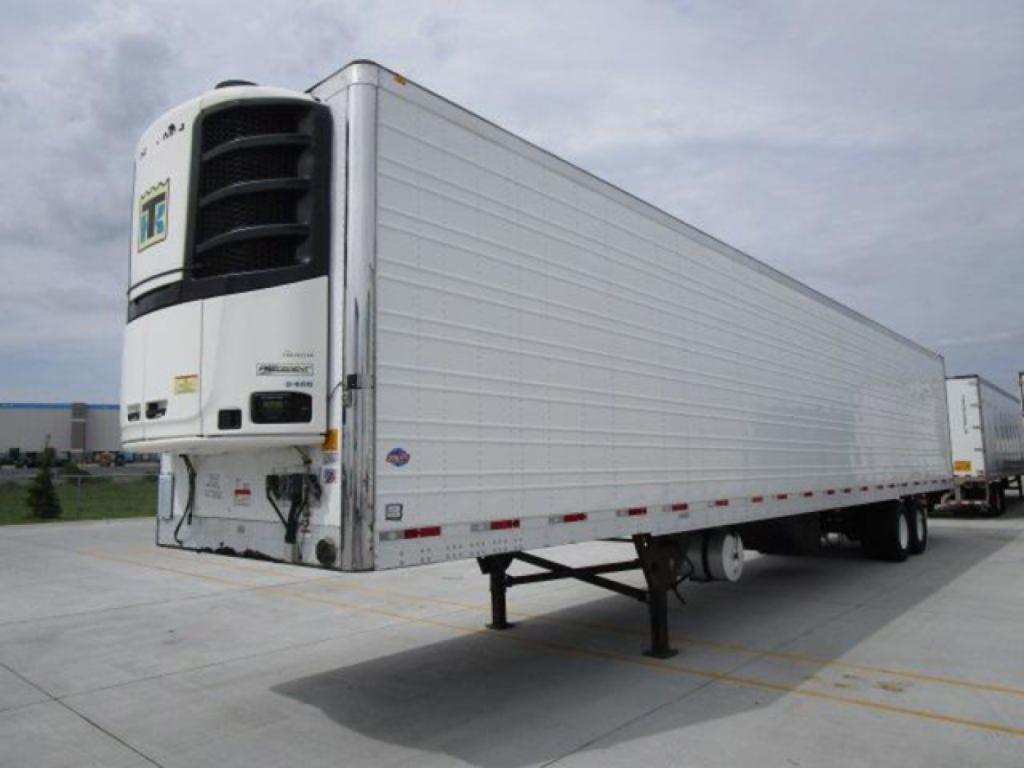

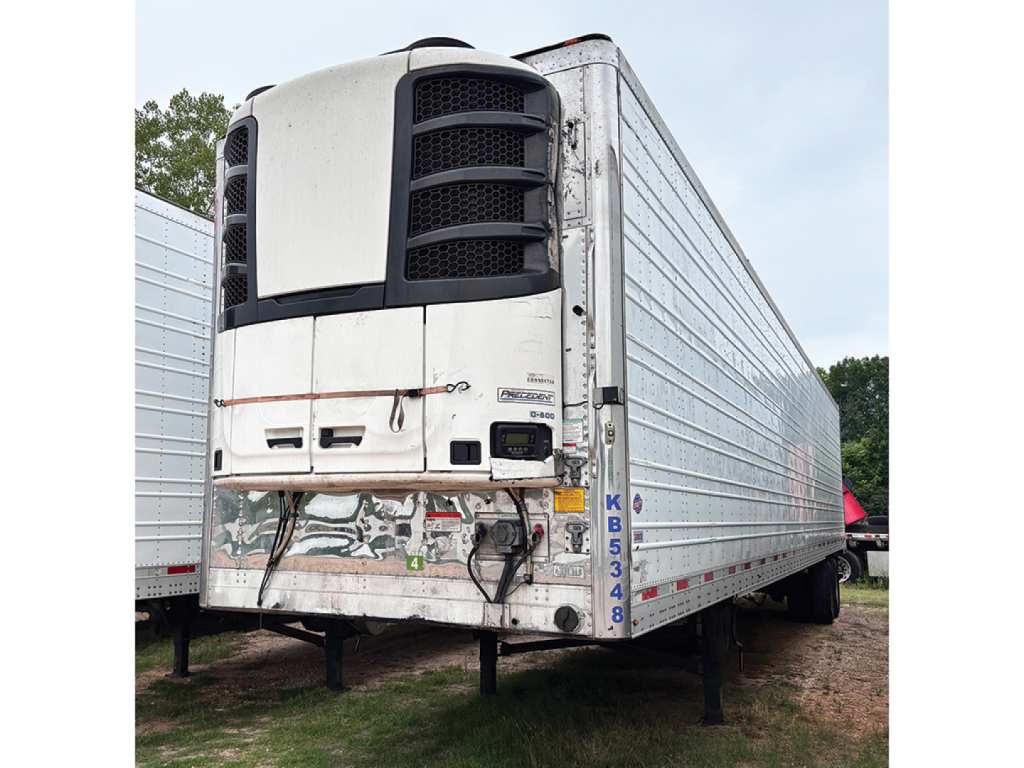
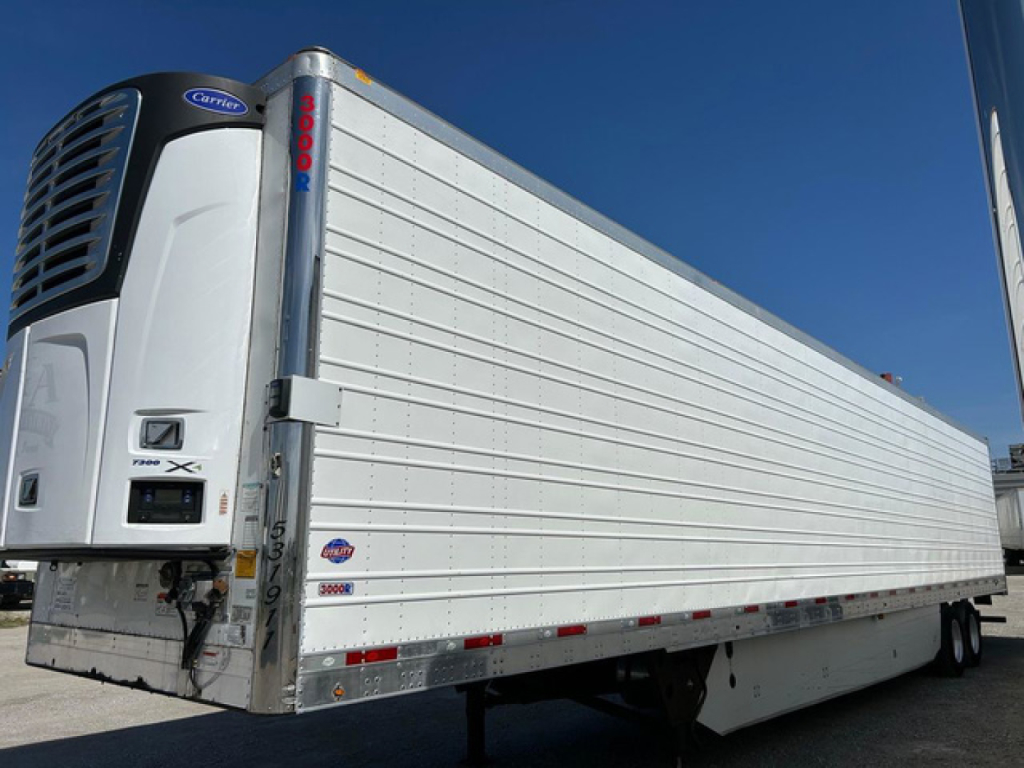
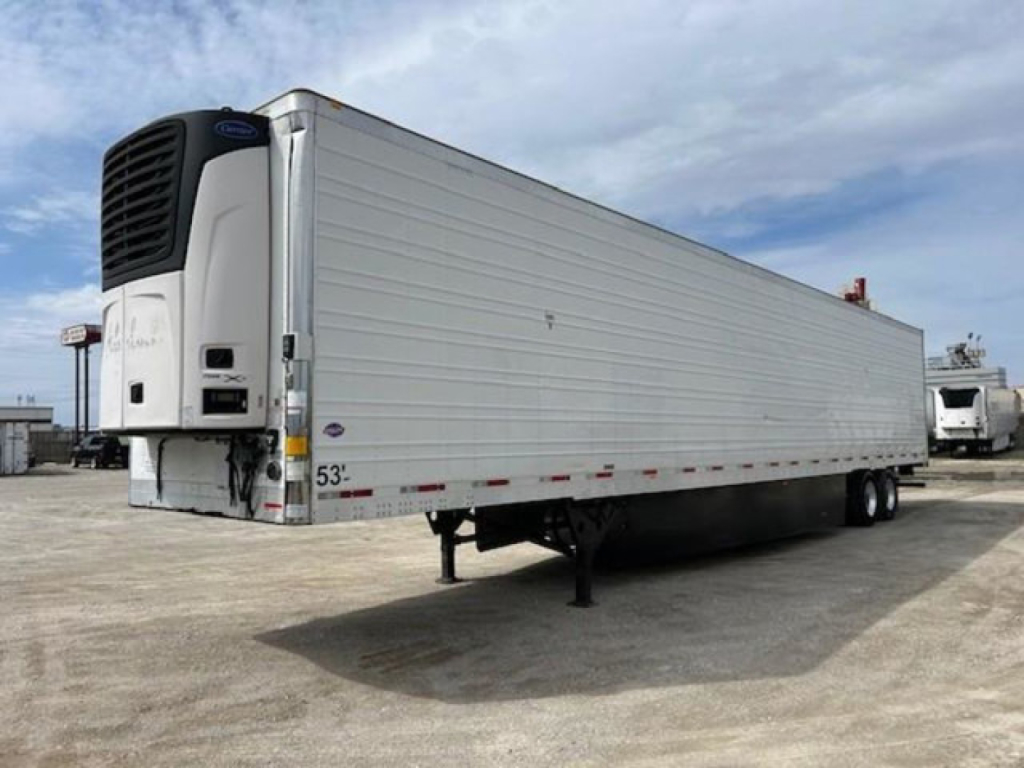
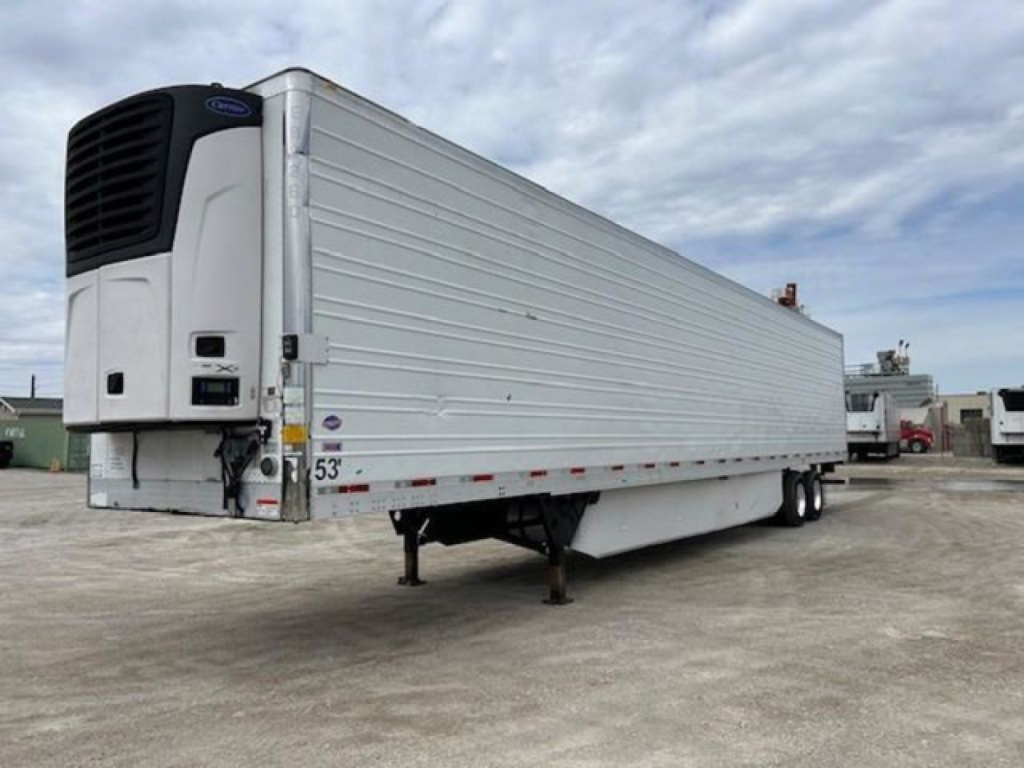
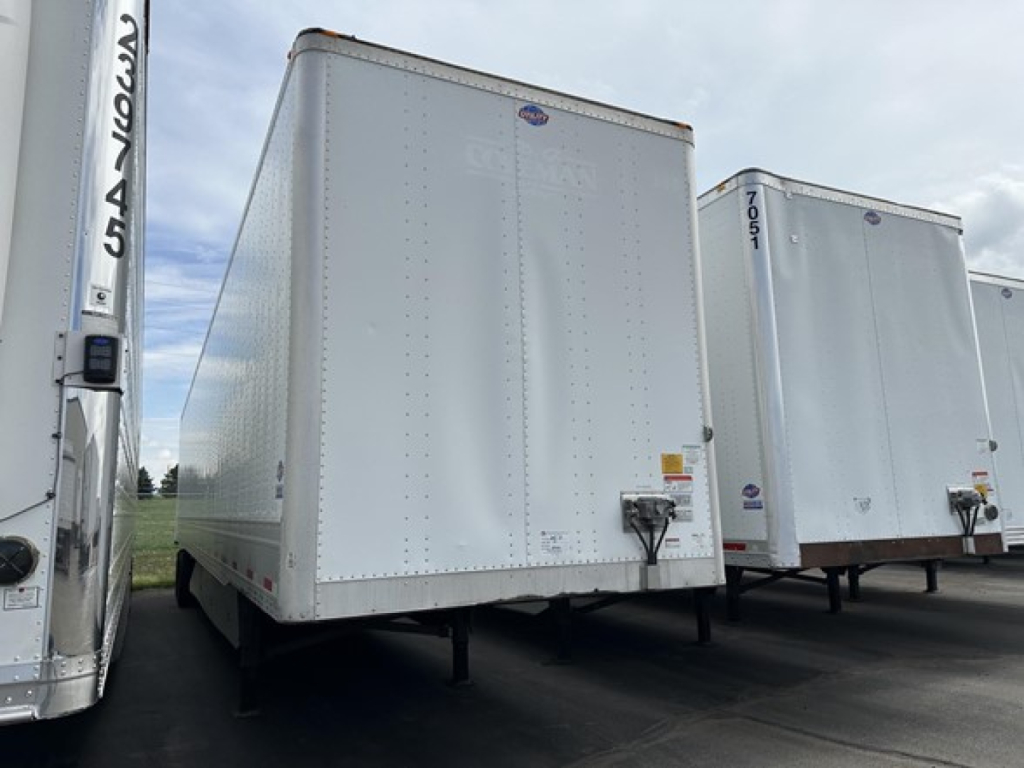
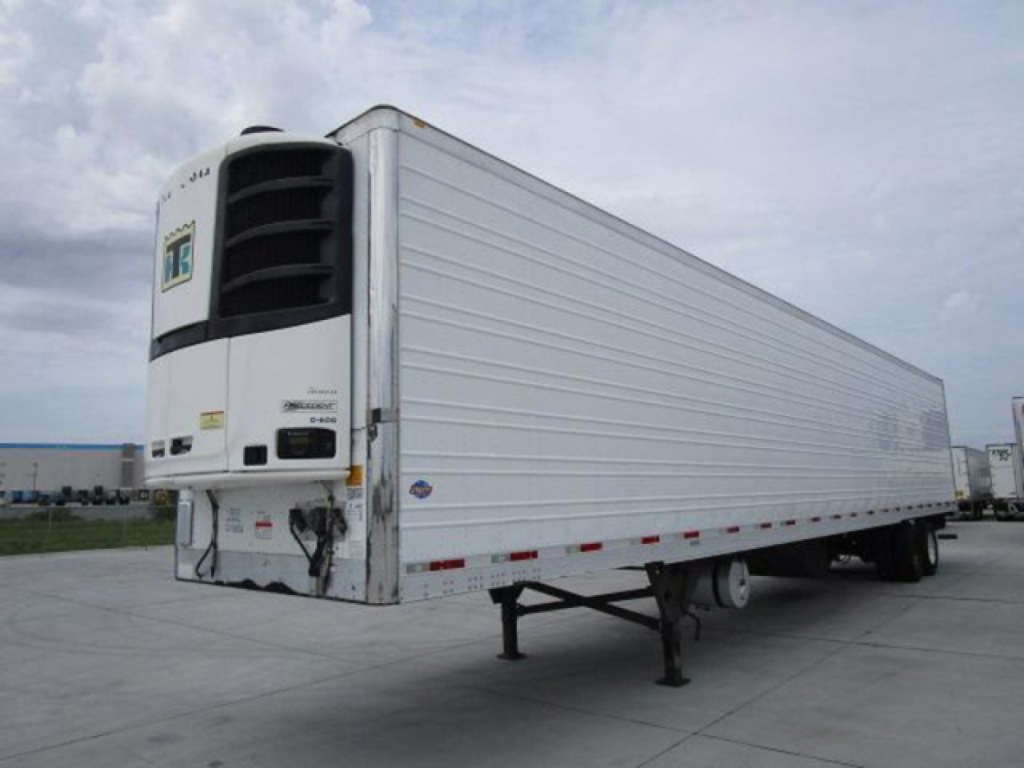
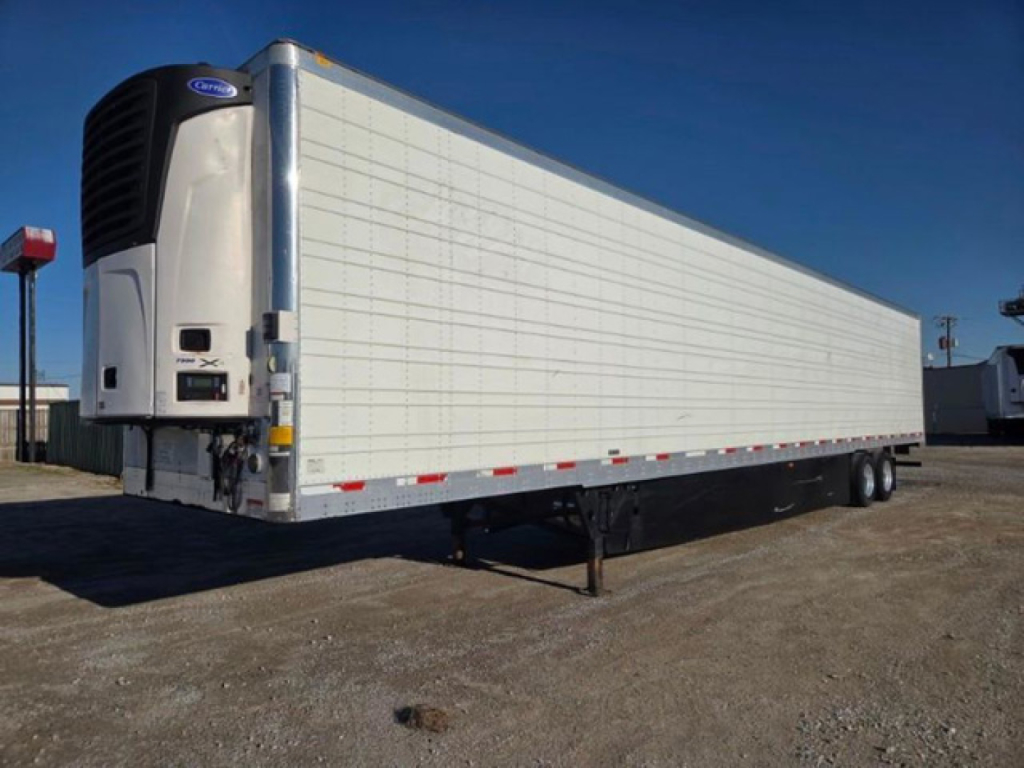
Showing 1 to 12 of 14 results
Have 2019 utility trailer to sell? List it here to reach thousands of buyers.
About 2019 Utility Trailers
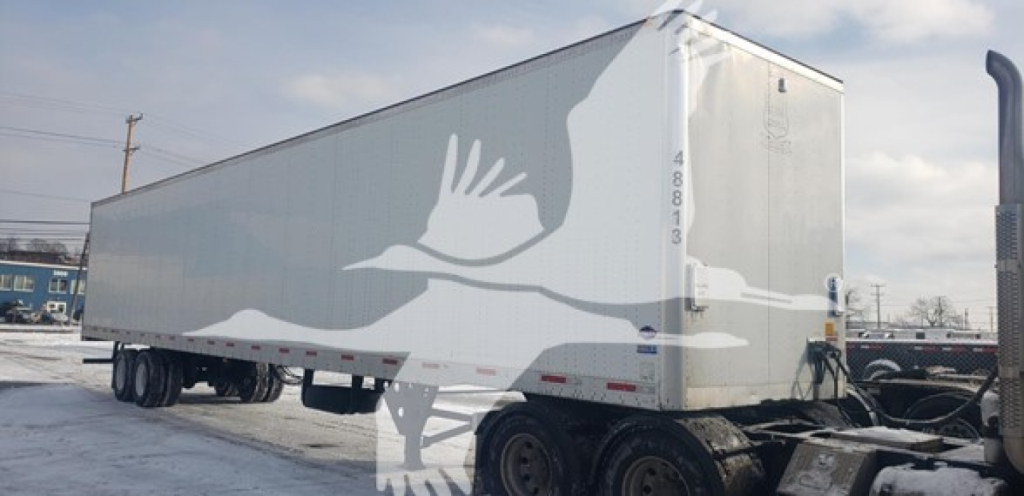
For dry van buyers, the main things to compare are body construction, floor condition, door style, and logistics readiness. Utility dry vans commonly feature composite or sheet-and-post sidewalls, aluminum roofs, laminated hardwood floors, and rear swing doors. Logistics posts on 16-inch or 24-inch centers, scuff liners, high base rails, and plated nose areas matter if the trailer will see heavy forklift traffic or multi-stop LTL work. Tandem spread, closed tandem, and air slide axle setups affect bridge compliance, dock access, and day-to-day versatility. A 2019 trailer may also include PSI tire inflation, aluminum wheels, and air ride, all of which can reduce downtime and improve tire life when the trailer is run hard.
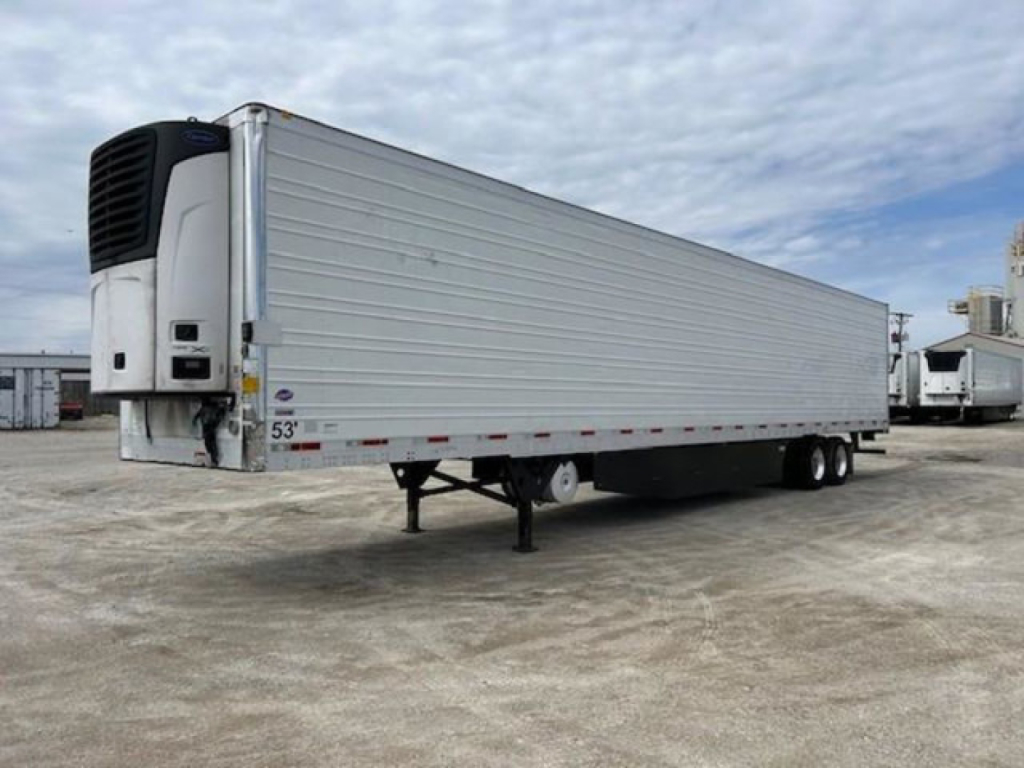
On refrigerated Utility trailers, buyers usually focus on the box and the refrigeration package as a combined system. Utility reefers from this era are often spec'd with aluminum duct floors, stainless steel front corners, insulated bodies, and anti-dock walk features. The reefer unit itself, commonly from Carrier or Thermo King, should be evaluated by engine hours, maintenance history, start-stop operation, temperature pull-down performance, and controller diagnostics. Interior wall condition, floor wear, rear door seal integrity, and signs of moisture intrusion are just as important as unit hours. If the trailer will haul produce, frozen foods, dairy, or pharma-related freight, it pays to confirm the insulation integrity and inspect for previous interior repairs.
A 2019 Utility trailer also appeals to buyers who need mainstream resale value and easy serviceability. Utility has a large footprint in fleet service, so replacement parts, door hardware, suspension components, and body repair support are generally easy to source. The right trailer comes down to lane, commodity, and loading environment. Dry vans are favored for general freight, retail, and palletized shipments, while refrigerated models are built for temperature-controlled freight and stricter cargo protection. Buyers comparing 2019 Utility trailers should pay close attention to trailer weight, suspension type, axle slider condition, brake and tire life, floor wear, roof integrity, and any evidence of prior structural repair.
Frequently Asked Questions
What types of 2019 Utility trailers are most common on the used market?
The most common 2019 Utility trailers are 53-foot dry vans and refrigerated trailers. Dry van buyers will often see models tied to the 4000D-X platform, while reefer buyers commonly look at the 3000R. Both are widely used in fleet service, which makes them familiar to repair shops and relatively straightforward to spec, maintain, and resell.
What should I inspect first on a 2019 Utility dry van trailer?
Start with the floor, roof, rear frame, doors, suspension, and slider assembly. Floor rot, patched floor sections, roof bows, leaking seams, and rear impact damage can turn a decent-looking trailer into an expensive repair unit. Also inspect logistics posts, scuff liners, crossmembers, brake components, tires, and the condition of the kingpin area for signs of heavy wear or poor maintenance.
How do I evaluate a 2019 Utility reefer trailer?
Evaluate the reefer trailer as both a trailer body and a refrigeration system. Check reefer unit hours, service records, alarm history, and temperature performance first. Then inspect the insulated body, duct floor, door seals, interior lining, and front wall for damage or moisture intrusion. A reefer with a healthy unit but compromised insulation or floor structure can still create cargo claims and operating issues.
Are 2019 Utility trailers a good choice for fleet use?
Yes, they are commonly considered a solid fleet trailer because Utility trailers are widely accepted, widely serviced, and available in specs that fit standard over-the-road freight operations. Features like air ride suspension, tandem sliders, tire inflation systems, and durable van or reefer bodies make them practical for long-haul and regional use. The broad parts network also helps reduce downtime compared with lesser-known trailer brands.
What specs matter most when comparing 2019 Utility trailers for sale?
The most important specs depend on the trailer type, but buyers usually compare length and width, suspension type, axle configuration, wheel and tire setup, floor type, door style, and trailer weight. On reefers, the refrigeration unit brand, model, and hours are critical. On dry vans, logistics package, floor wear, wall construction, and slider condition often matter more than cosmetic appearance.