
2016 Utility Trailers For Sale in Illinois

Have 2016 utility trailer to sell? List it here to reach thousands of buyers.
2016 Utility Trailers in Illinois
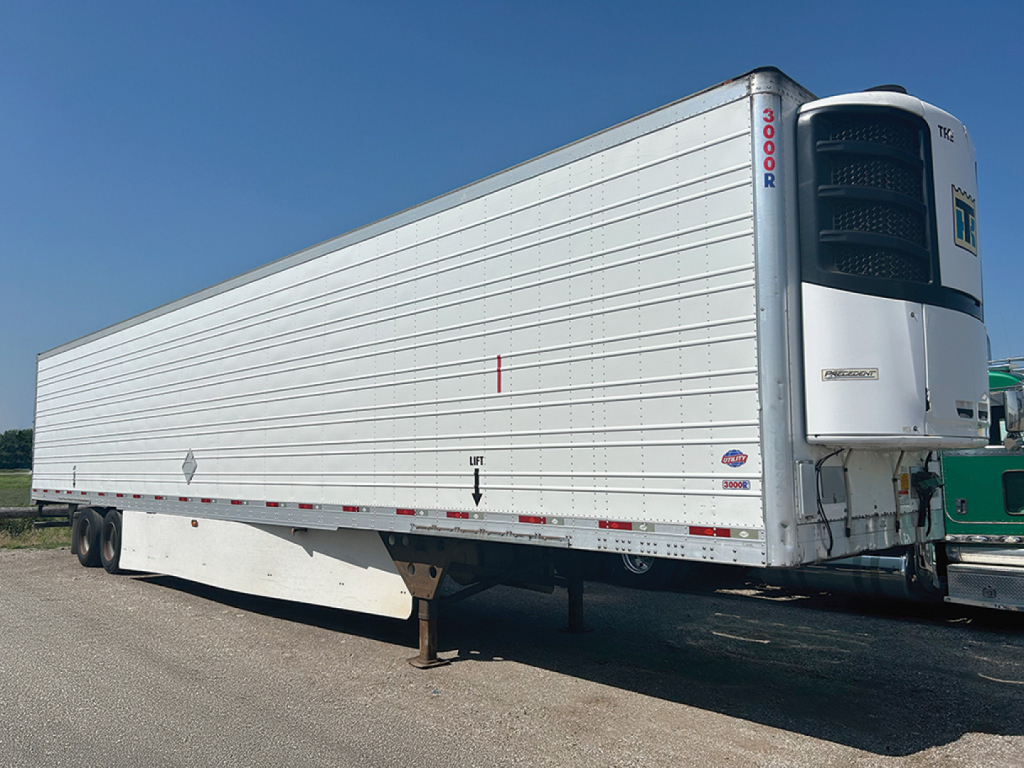
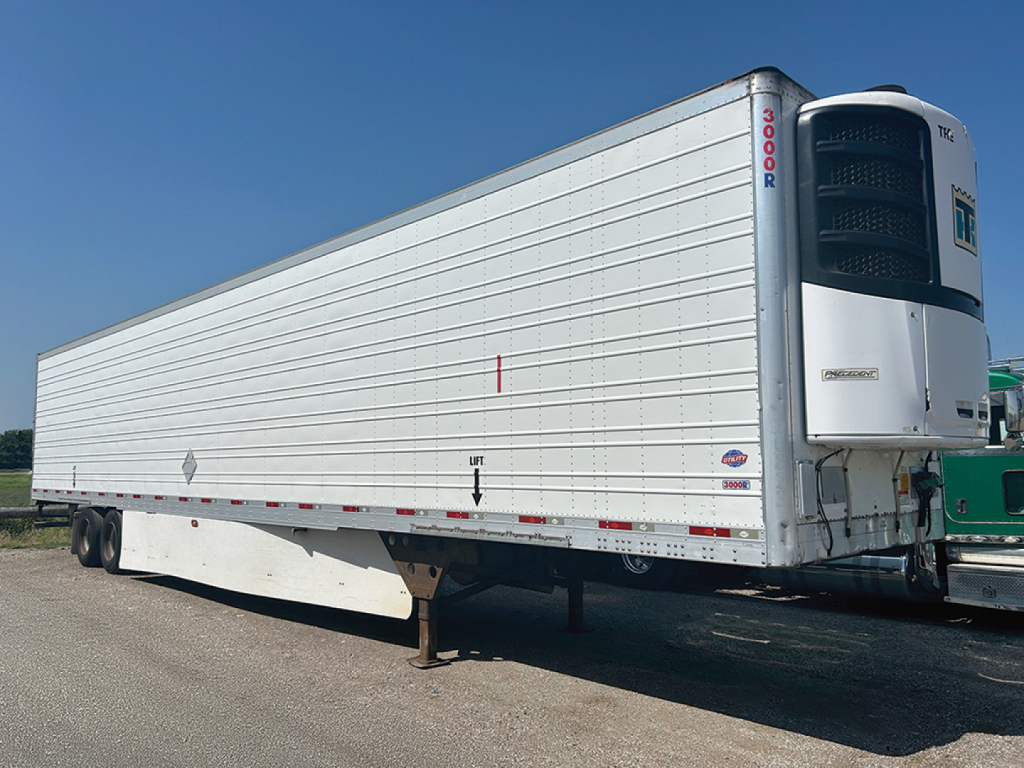
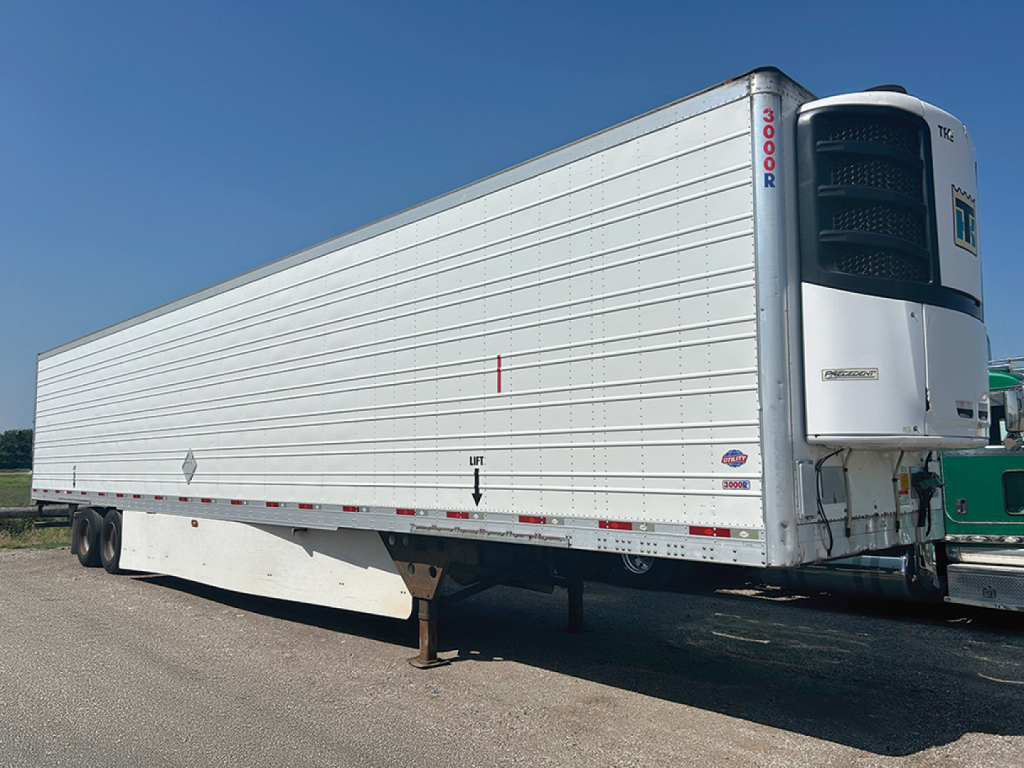
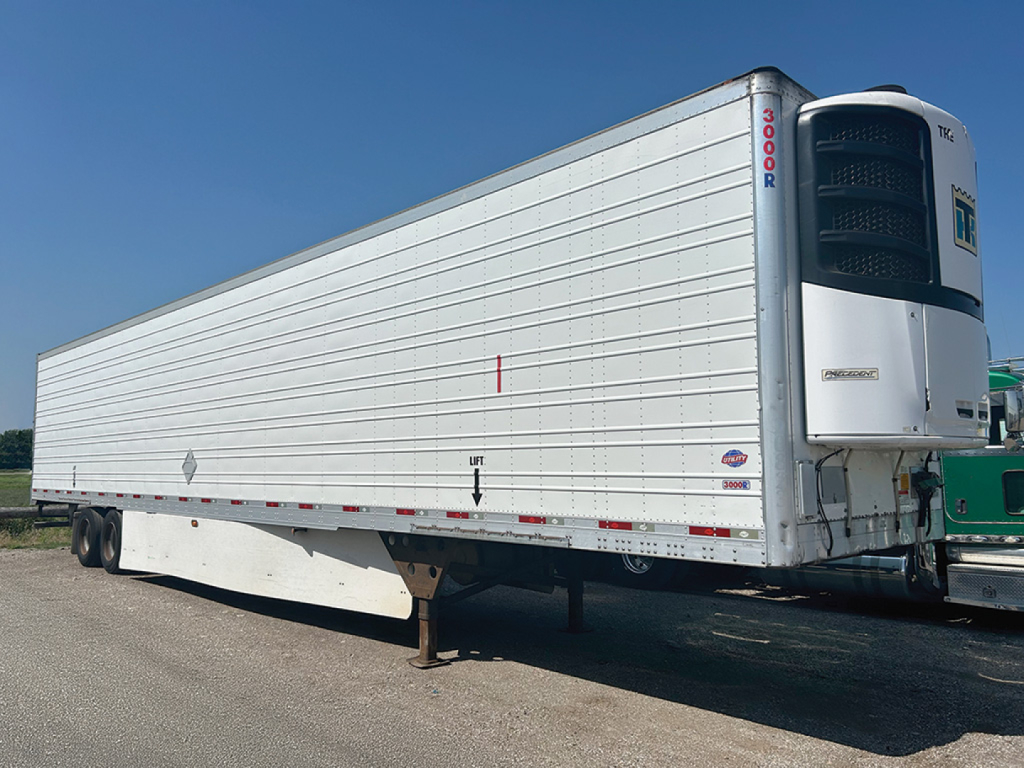
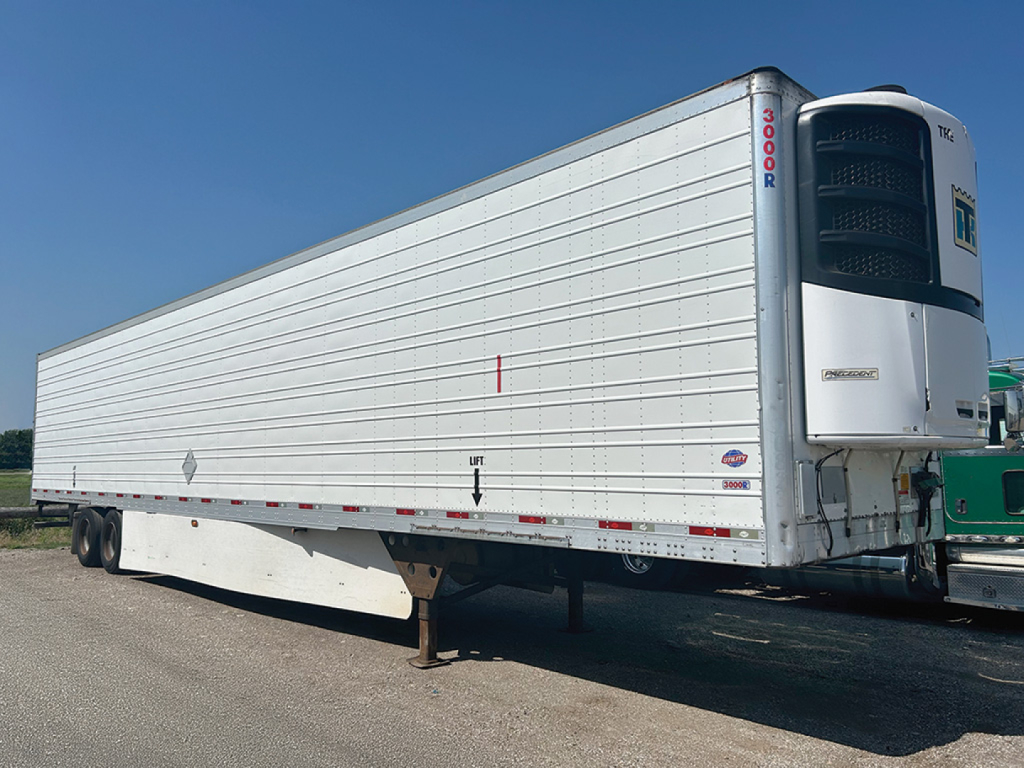
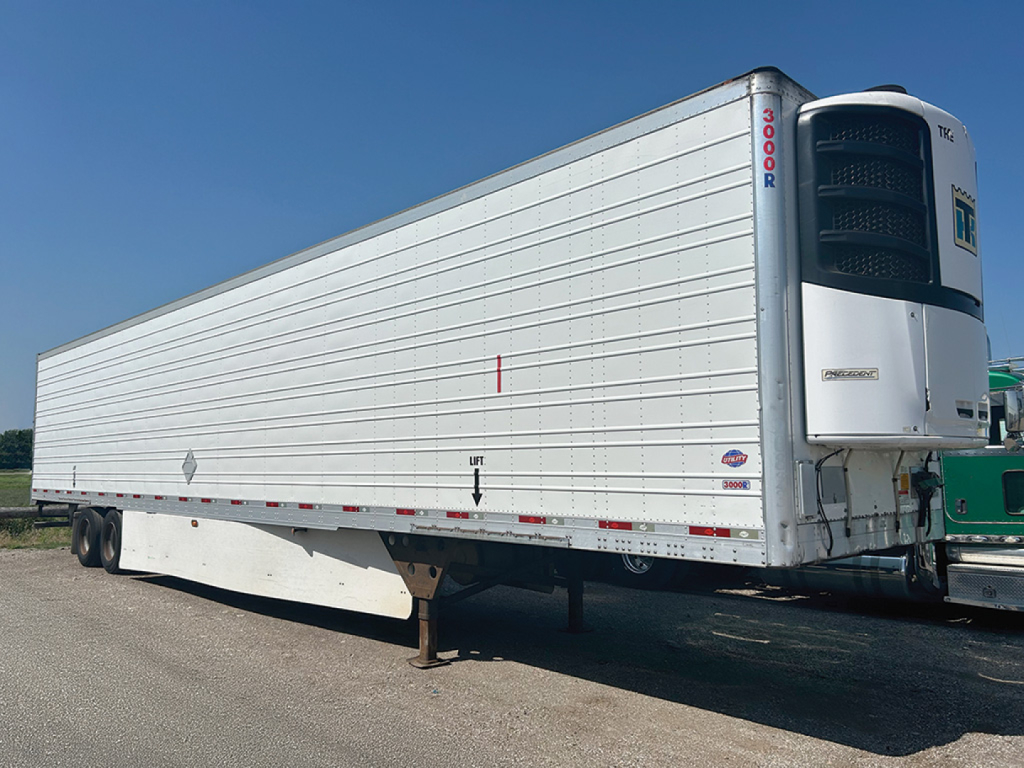
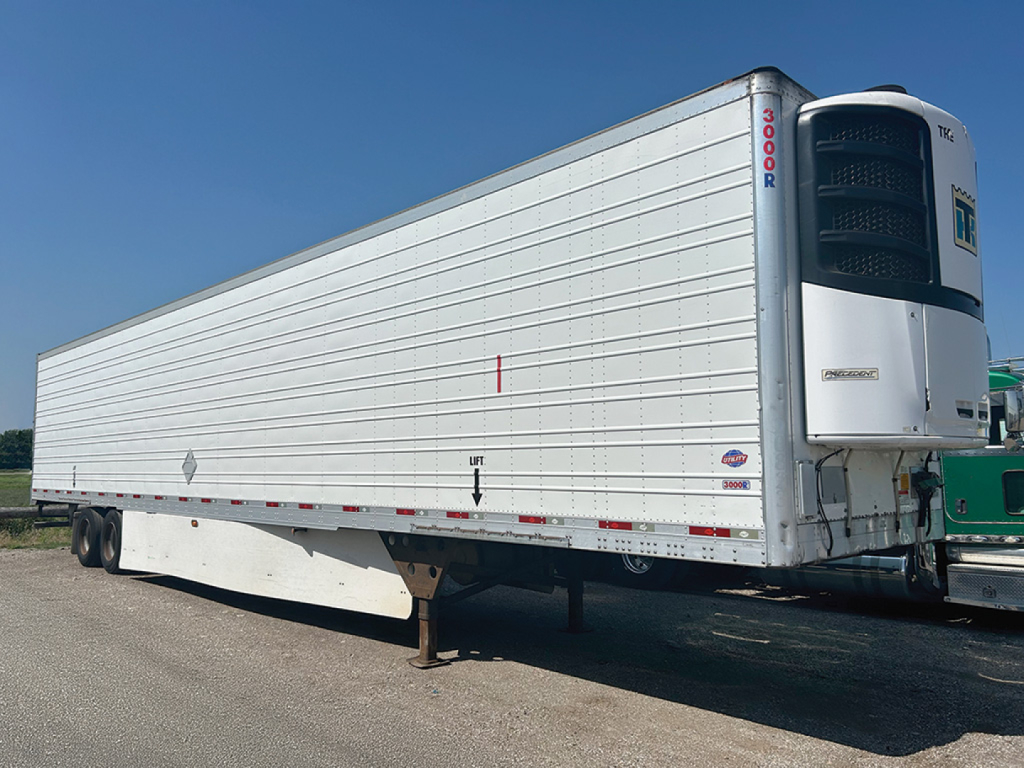
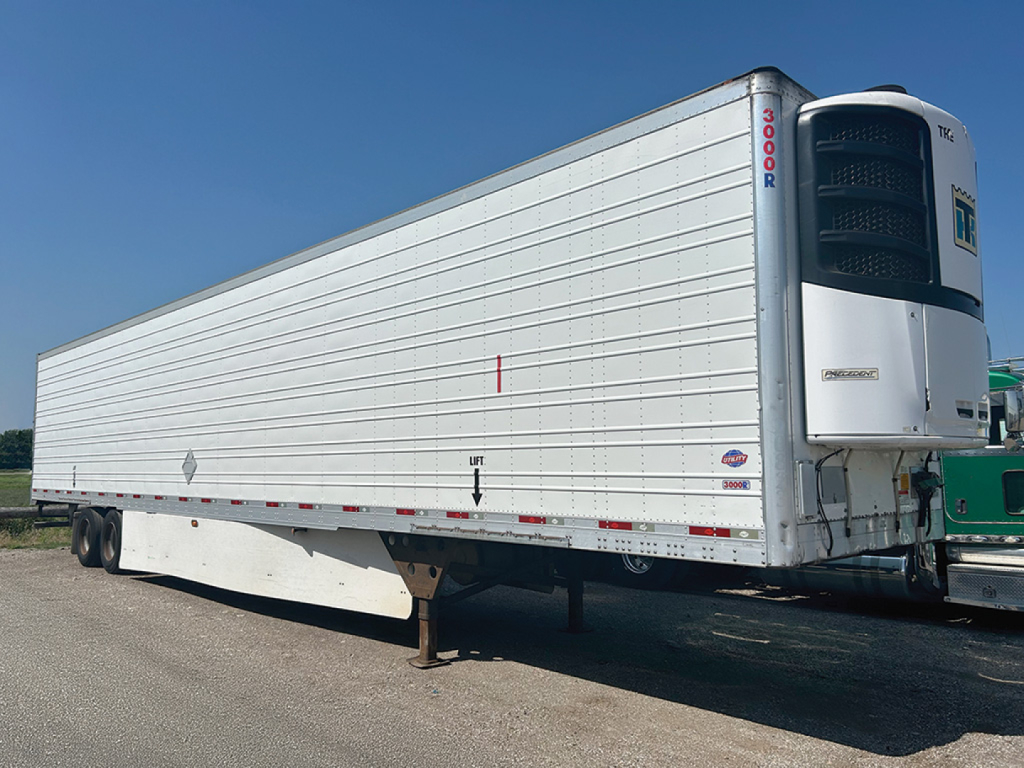
For refrigerated freight, the 2016 Utility 3000R is one of the most recognizable trailer specs on the road. Key items to inspect include the reefer unit hours, service history, duct floor condition, door seal integrity, and the presence of cold-management components like a chute, rear vent, and insulated or quilted swing doors. Many 2016 Utility reefers were spec'd with Thermo King units, aluminum duct floors, scuff liners or scuff plate protection, stainless rear framing, and air ride suspension. Tire inflation systems and side skirts also show up on some trailers from this period. For grocery, foodservice, dairy, frozen, and multi-stop distribution, floor condition, wall liner wear, and temperature recovery performance matter just as much as the base trailer structure.
On the dry van side, 2016 Utility trailers are commonly evaluated for cube, dock compatibility, logistics package, and overall interior wear. Typical specs include wood floors, threshold plates, swing doors, scuff protection, and logistics posts or track for load securement flexibility. A sliding tandem is especially important in Illinois and the broader Midwest, where bridge law compliance, dock spacing, and shipper yard requirements can affect trailer usability every day. Utility dry vans from this era are known for lightweight aluminum construction paired with fleet-friendly serviceability, so buyers should look at crossmember condition, floor fastener integrity, roof repair history, door frame alignment, and brake specification, especially if the trailer has disc brakes.
Condition and prior use matter more than model year alone. A 2016 trailer that ran clean drop-and-hook freight may show very different wear than one used in high-frequency food distribution or urban LTL-style operations. Check tandem rail wear, suspension bushings, brake life, tire date codes, wheel-end service records, and signs of floor delamination or recurring moisture intrusion. On reefer models, also verify unit start performance, evaporator condition, fuel tank integrity, and calibration records. Utility remains a common fleet trailer brand because parts support, industry familiarity, and resale liquidity are generally strong, which makes a 2016 model year a practical point in the market for buyers balancing capital cost, spec, and service life.
Frequently Asked Questions about 2016 Utility Trailers in Illinois
What are the most common 2016 Utility trailer configurations?
The most common 2016 Utility trailer configurations are 53-foot dry vans and 53-foot refrigerated trailers. Dry vans are often found in the 4000-series, while refrigerated units are commonly the 3000R platform. Typical dimensions are 102 inches wide and 13 feet 6 inches high, with tandem axles, air ride suspension, and sliding tandems. Buyers should confirm the exact body type first, because reefer and van values, maintenance costs, and ideal applications differ significantly.
What should I inspect first on a used 2016 Utility reefer trailer?
Start with the refrigeration unit hours, maintenance records, and evidence of consistent preventive service. Then inspect the aluminum duct floor, interior lining, scuff protection, door seals, rear frame, and chute or air delivery components. A reefer trailer can look clean but still have expensive issues in temperature control, insulation integrity, or floor airflow. Unit performance under load, pull-down time, and alarm history are often more important than cosmetic appearance.
Are sliding tandems important on a 2016 Utility trailer?
Yes. A sliding tandem is a major functional spec because it affects bridge law compliance, axle weight distribution, and dock approach flexibility. In states like Illinois, where route restrictions, shipper requirements, and scale compliance can all come into play, a sliding tandem adds operating flexibility that fixed tandem trailers do not offer. Buyers should inspect tandem slides for wear, locking pin function, and rail condition, since heavy use can create costly repairs.
How do 2016 Utility dry vans compare to reefer trailers on maintenance?
A 2016 Utility dry van is generally simpler and less expensive to maintain than a reefer because it does not include a refrigeration unit, insulated body system, or temperature-control components. Dry van buyers are usually focused on floor condition, roof leaks, suspension wear, brakes, and door hardware. Reefer buyers must evaluate all of those items plus the reefer engine or electric standby components, evaporator, duct floor, insulation performance, and unit service history.
Is a 2016 Utility trailer still a good fleet or owner-operator purchase?
A 2016 Utility trailer can still be a sound purchase if the specification matches the freight and the trailer has been maintained properly. This model year is old enough to offer a lower cost of entry than newer trailers, but still modern enough to commonly include fleet-desirable features like air ride, sliding tandems, side skirts, disc brakes, and tire inflation systems. The best value usually comes from verified maintenance, clean structural condition, and a trailer history that matches the intended application.