
2011 Utility Trailers For Sale
Browse 2011 Utility trailers for sale, including dry vans and reefers known for lightweight construction, durable specs, and fleet-ready performance.
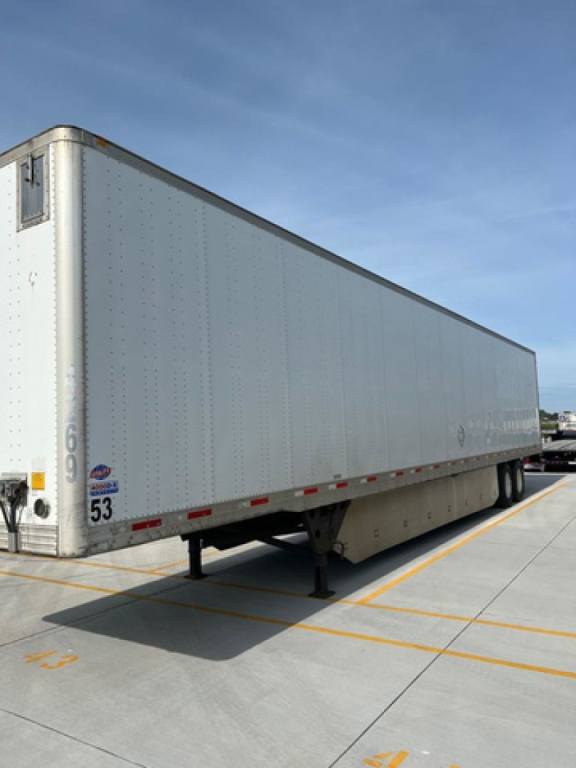
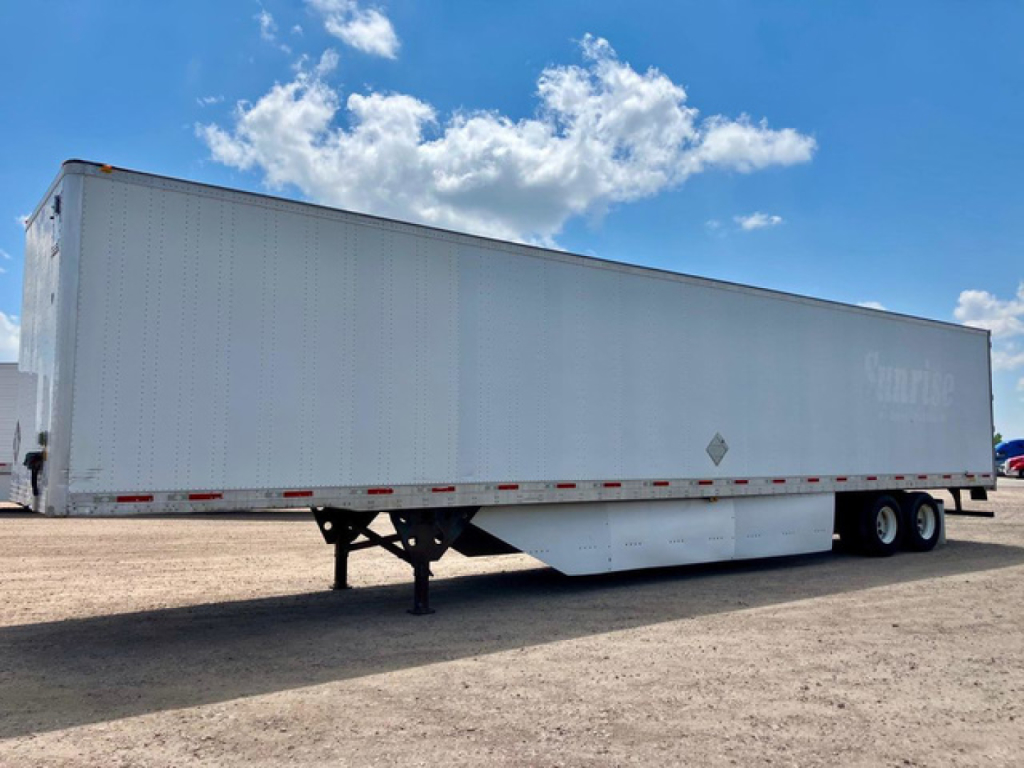

Selling a 2011 utility trailer? List your 2011 utility trailer for sale and reach thousands of commercial buyers.
2011 Utility Trailers
In this model year, most Utility trailers you will see are 53-foot dry vans or 53-foot reefers, though dimensions and specs can vary by original order. Dry van versions are commonly associated with the 4000-series platform, while refrigerated units are often tied to the 3000R line. Buyers comparing a 2011 Utility reefer should look closely at the insulation package, floor condition, door seals, unit hours, and the refrigeration unit brand and service history. A reefer with clean bulkhead structure, solid interior lining, and documented maintenance can still be a productive trailer in regional foodservice, produce, or temperature-controlled lanes.
For dry freight operations, a 2011 Utility van can make sense for general freight, retail distribution, and drop-and-hook work where trailer weight and cube matter. Common spec points include air ride suspension, tandem slider axles, swing or roll-up doors, aluminum or steel wheel setups, and 22.5 low-profile tires. Some units may have aerodynamic skirts, logistic posts, and aftermarket telematics or tire inflation systems. Buyers should also verify kingpin setting, axle spread or slider range, current brake setup including drum versus disc, and the overall condition of the floor if the trailer has seen forklift loading over many years.
The value in a 2011 Utility trailer usually comes down to maintenance history and prior application more than badge alone. Utility is well known in the trailer market for strong resale appeal, widespread parts support, and a design that many fleets favor for fuel economy and payload efficiency. A clean, straight 2011 model can still fit private fleet, lease return replacement, backup capacity, or seasonal freight demand, provided the trailer passes a careful inspection for corrosion, accident repair, tire wear patterns, suspension condition, and any reefer unit performance issues.
Frequently Asked Questions about 2011 Utility Trailers
What types of 2011 Utility trailers are most common on the used market?
The most common 2011 Utility trailers are 53-foot dry vans and 53-foot refrigerated trailers, often referred to as reefers. Dry vans are typically used in general freight, retail, and distribution service, while reefers are common in food, beverage, and temperature-controlled hauling. The exact configuration depends on the original fleet spec, so buyers should confirm suspension type, door style, floor construction, and axle slider setup on each trailer.
What should I inspect first on a 2011 Utility dry van trailer?
Start with the structural and wear items that drive repair cost. Check the floor for forklift damage, soft spots, and excessive patching. Inspect crossmembers, roof bows, sidewall liners, rear frame, and door frame alignment. On a 2011 trailer, slider rails, landing gear, brake components, suspension bushings, and tire wear patterns also deserve close attention because these areas often reveal how the trailer was maintained and how hard it was worked.
Is a 2011 Utility reefer still a practical trailer for commercial use?
Yes, a 2011 Utility reefer can still be practical if the box is structurally sound and the refrigeration unit has strong maintenance records. The trailer body condition matters just as much as the reefer unit. Buyers should verify unit hours, cooling performance, insulation integrity, floor channel condition, and door seal condition. A well-maintained older reefer can still serve effectively in regional or dedicated lanes, but deferred maintenance can quickly erase any purchase savings.
Are Utility trailers known for being lightweight?
Utility trailers are widely recognized for lightweight construction, which can help increase payload and improve operating efficiency. That is one reason many fleets use Utility dry vans and reefers in high-mile service. Lightweight design does not eliminate the need for inspection, however, especially on an older trailer. Buyers should confirm that any weight savings have not come at the expense of worn floors, damaged crossmembers, or fatigue in high-stress areas.
Do parts and service support remain good for older Utility trailers?
Parts support for Utility trailers is generally strong because the brand has a large fleet presence across the market. Many common wear items such as brake parts, suspension components, lights, doors, seals, and wheel-end parts are widely available through standard trailer parts channels. That said, buyers should still identify the exact suspension, axle, brake, and refrigeration unit specifications before purchase so replacement parts and service planning are straightforward.