
2006 Utility Trailers For Sale
Shop 2006 Utility trailers for sale, including common reefer and dry van specs, construction details, suspension options, and buyer tips.
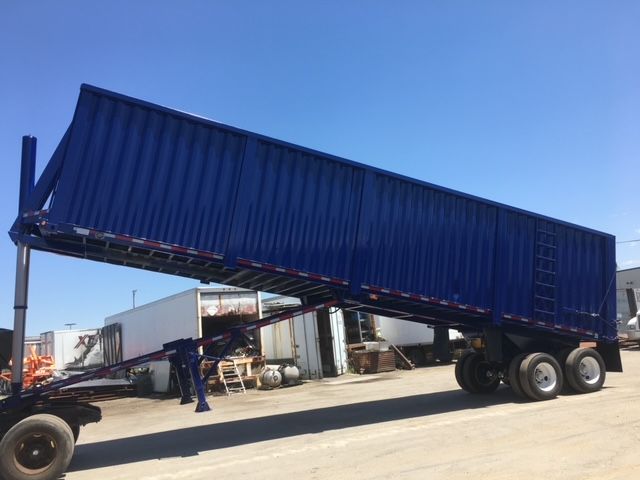
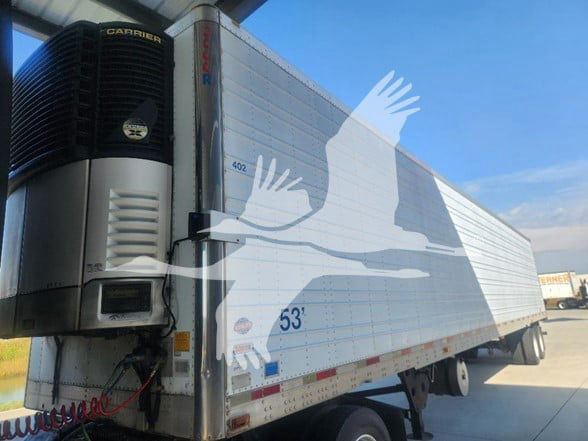

Selling a 2006 utility trailer? List your 2006 utility trailer for sale and reach thousands of commercial buyers.
2006 Utility Trailers
For refrigerated applications, a 2006 Utility reefer trailer should be inspected as a complete cold-chain package, not just a box with a unit on the nose. Buyers usually focus on insulation performance, lining condition, chute or air delivery setup, floor type, door tightness, and the refrigeration unit's hours and service history. Common reefer features include aluminum duct floors, scuff liners, stainless rear components, swing doors, and air ride suspension with a sliding tandem. If the trailer has spent time in California or other emissions-regulated markets, reefer unit compliance can be a major purchase factor. Tire inflation systems, aluminum wheels, and side skirts may appear on later-updated units, but structural soundness and temperature retention are still the core value drivers.
For dry van use, a 2006 Utility trailer often appeals to buyers hauling palletized freight, retail goods, packaged food, or general commodity loads. Key specs usually include a 53-foot length, 102-inch width, 13-foot-6 overall height, wood floor, logistics posts, scuff liners, swing or roll-up rear doors, and a tandem air ride suspension. Kingpin setting, tandem slider travel, crossmember spacing, and floor condition all matter because they directly affect axle weight flexibility, forklift durability, and dock compatibility. A clean rear frame, solid threshold plate, and straight sidewalls are especially important on an older van trailer because those are costly repair areas and good indicators of prior fleet maintenance.
Buyers comparing 2006 Utility trailers for sale should pay close attention to how the trailer was maintained and how hard it was worked. A well-kept older Utility can still be a productive trailer for regional freight, warehouse shuttles, storage use, or seasonal capacity. Check VIN and title status, FHWA inspection timing, brake and tire percentages, suspension wear, and signs of floor patching or hidden structural repairs. Utility remains a widely recognized trailer make, also commonly searched under Utility reefer trailers, Utility dry van trailers, and Utility box trailers, so replacement parts and resale familiarity are generally better than with lesser-known brands.
Frequently Asked Questions about 2006 Utility Trailers
What are the most common types of 2006 Utility trailers buyers look for?
The most common 2006 Utility trailers on the used market are refrigerated trailers and dry van trailers. Utility is especially well known for reefer models such as the 3000R and for fleet-spec dry vans used in over-the-road and regional freight service. Buyers usually narrow the search by application first because reefer and van trailers have very different inspection priorities, maintenance costs, and resale markets.
What should I inspect first on a 2006 Utility reefer trailer?
Start with the trailer body and the refrigeration system together. Check the roof, front wall, rear frame, door seals, floor, lining, and any signs of water intrusion or insulation damage. Then review reefer unit hours, maintenance records, temperature pull-down performance, and emissions compliance if the trailer will operate in regulated states. On an older reefer, structural condition and cold retention are just as important as whether the unit starts and runs.
Are 2006 Utility dry van trailers still practical for freight use?
Yes, many are still practical if they have been maintained properly and the structure is sound. A 2006 Utility dry van can still serve well in regional hauling, dedicated lanes, warehouse transfer work, and storage applications. The main concerns are floor strength, sidewall straightness, rear frame condition, suspension wear, and brake system health. If those areas check out, an older Utility van can still offer solid value.
What specs matter most when comparing 2006 Utility trailers?
The most important specs depend on the trailer type, but buyers usually compare length, width, overall height, suspension type, tandem slider setting, kingpin setting, wheel and tire size, door configuration, and floor construction. Reefer buyers also need to compare refrigeration unit brand, model, hours, lining type, floor design, and any airflow features like ducts or chutes. These details affect payload, serviceability, loading efficiency, and compliance.
Is parts support still good for older Utility trailers?
Parts support is generally one of the advantages of buying a Utility trailer. Because Utility has been widely used in large fleets, many common replacement parts for doors, suspension components, brakes, floors, lighting, and body hardware remain familiar to trailer shops and fleet maintenance departments. Availability can vary by exact model and prior modifications, but Utility is typically easier to support than a low-volume or discontinued trailer brand.