
Used Trailers For Sale in New Jersey
Browse used trailers for sale in New Jersey, including reefer, roll-off, dry van, flatbed, dump, tank, and specialty trailer options.
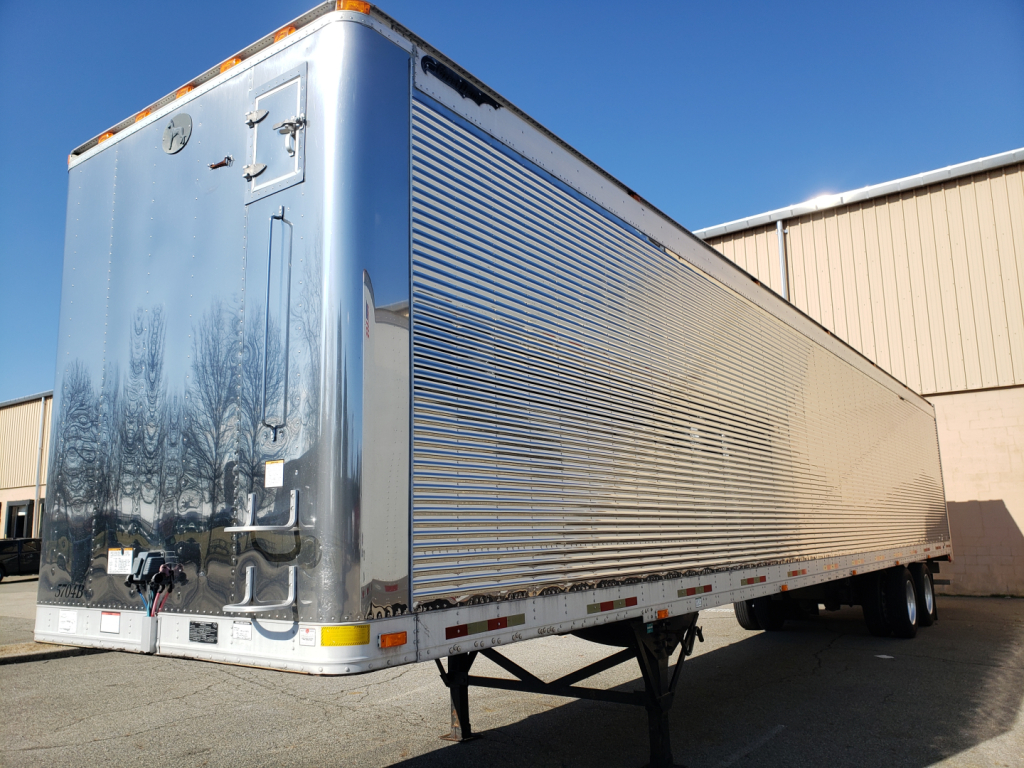
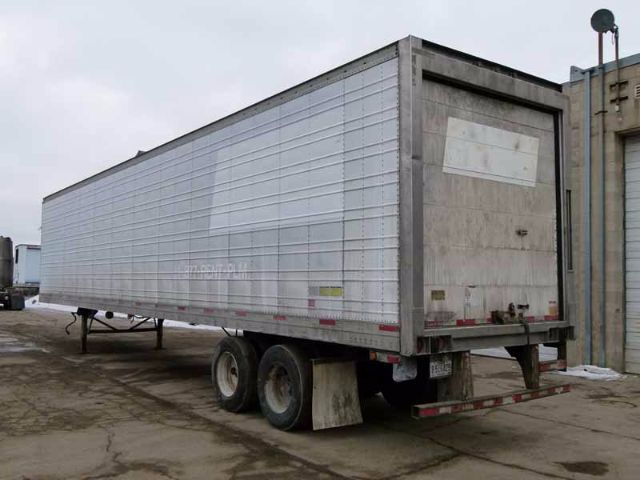
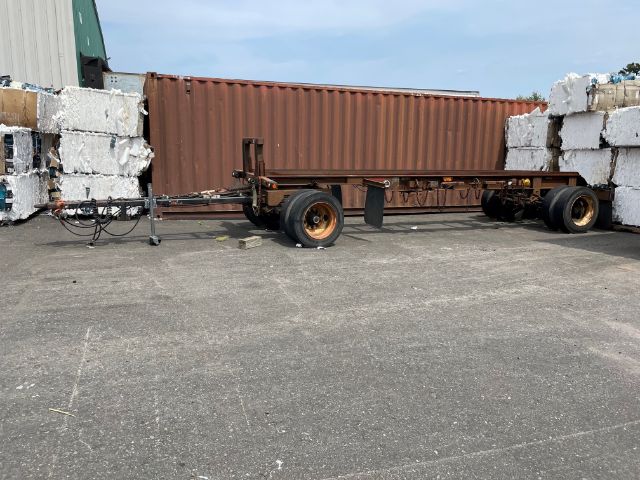
Have used trailer to sell? List it here to reach thousands of buyers.
Used Trailers in New Jersey
For refrigerated trailers, condition of the box and performance of the unit usually drive value. Buyers should pay close attention to floor wear, scuff liner condition, wall repairs, roof integrity, rear frame corrosion, and door seal fit. Unit type also matters, especially if the trailer is used for stationary cold storage or dock-side applications where electric standby capability can be useful. On dry freight and general cargo trailers, common checkpoints include crossmembers, slider operation, landing gear, brake components, suspension type, and tire wear pattern. Roll-up doors versus swing doors can also affect loading efficiency depending on dock setup and route style.
For vocational and waste-related trailer categories such as roll-off, dump, and pup trailers, structural condition is critical. Look closely at the hoist system, hinge points, frame rails, pintle or hitch setup, electrical connection, and signs of twisting or heavy weld repair. In New Jersey, many used trailers see stop-and-go service, urban maneuvering, and exposure to winter road treatment, so corrosion around the rear sill, suspension hangers, and light wiring is worth checking carefully. ABS function, automatic slack adjusters, LED lighting, and title status are all practical details that can save time and money after purchase.
A good used trailer should match the freight, the route, and the tractor it will run behind. Length, width, interior height, axle configuration, door style, and suspension should all be reviewed against the intended application. Regional buyers often need equipment that can handle tight yards, frequent loading cycles, and strict delivery schedules, so reliability and serviceability matter more than cosmetic appearance. The best value is usually the trailer with the right specification, a sound structure, and fewer deferred maintenance items, not simply the lowest upfront cost.
Frequently Asked Questions about Used Trailers in New Jersey
What should I inspect first on a used trailer?
Start with the frame, suspension, brakes, tires, and floor because those areas usually determine the trailer's true operating condition. Check for corrosion, cracked welds, bent crossmembers, uneven tire wear, air leaks, and landing gear problems. On enclosed trailers, inspect the roof, sidewalls, rear frame, and doors for leaks or structural repairs. A clean appearance does not replace a solid understructure.
Are used reefer trailers in New Jersey often suitable for stationary storage?
Many used reefer trailers are used as mobile or stationary cold storage, but the refrigeration unit and electrical setup need to match the application. Some units include electric standby capability, which can be useful at a dock or yard with available power. Buyers should confirm temperature pull-down performance, hours on the unit, floor condition, insulation integrity, and door seal condition before relying on a reefer for storage duty.
Why does axle and length configuration matter on a used trailer?
Trailer length and axle placement affect payload balance, turning radius, bridge compliance, and how the trailer fits your route. In tighter New Jersey operating environments, overall length and maneuverability can be just as important as cubic capacity. A 24-foot pup, a 48-foot trailer, and a 53-foot trailer all serve different jobs, so the right configuration depends on freight type, dock access, and tractor setup.
What are common problem areas on used roll-off or pup trailers?
On roll-off and pup trailers, buyers should focus on frame integrity, hoist-related stress points, hitch components, wiring, and brake system condition. These trailers often work in severe-service applications, so look for elongated holes, cracked mounts, heavy weld repairs, and rust around suspension hangers or rear structural members. Functional lighting, clear title status, and evidence of consistent maintenance are also important.
Is a lower-priced used trailer always the better deal?
Not usually. A lower purchase price can quickly be offset by repairs to brakes, tires, suspension, flooring, refrigeration components, or structural sections. The better buy is typically the trailer that meets the application with fewer immediate maintenance needs and a stronger overall structure. Buyers who compare total operating cost, not just sale price, usually make the better long-term decision.