
Used Trailers For Sale in Michigan
Browse used trailers for sale in Michigan, including dry vans and flatbeds, with specs on length, axle setup, suspension, flooring, and condition.
Selling a used trailer? List your used trailer for sale and reach thousands of commercial buyers.
Used Trailers in Michigan
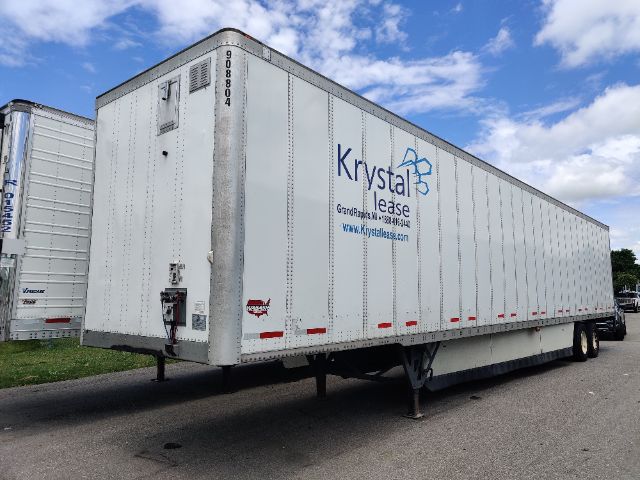
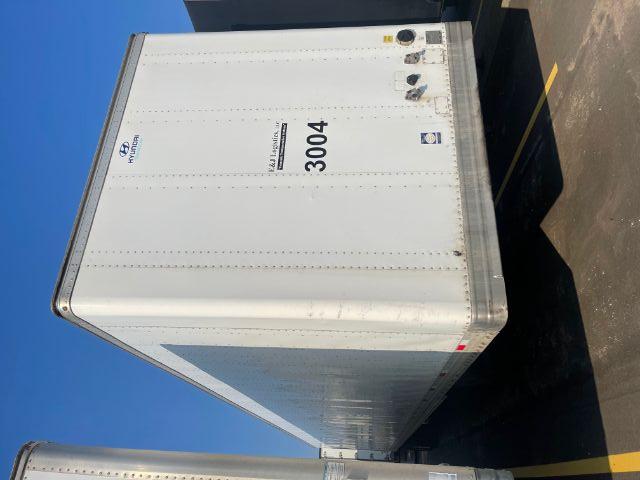
For used dry van trailers, the details that matter most are trailer body construction, roof type, floor condition, rear door style, and running gear. Common specs include tandem axles, sliding axle configurations, air ride suspension, hardwood or wood floors, aluminum roofs, and swing doors. Buyers should pay close attention to sidewall construction such as sheet-and-post versus plate vans, along with interior lining like Kemlite, because these affect durability, repair cost, and how the trailer handles distribution freight. Tire size, brake percentage, wheel type, and the condition of crossmembers, rear frame, and ICC bumper are also key on a used van.
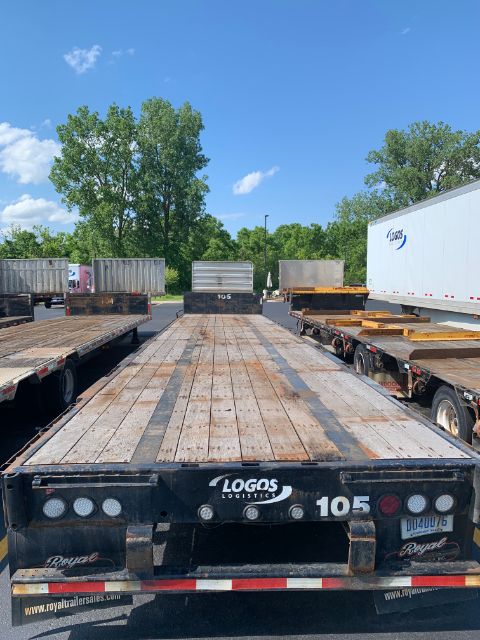
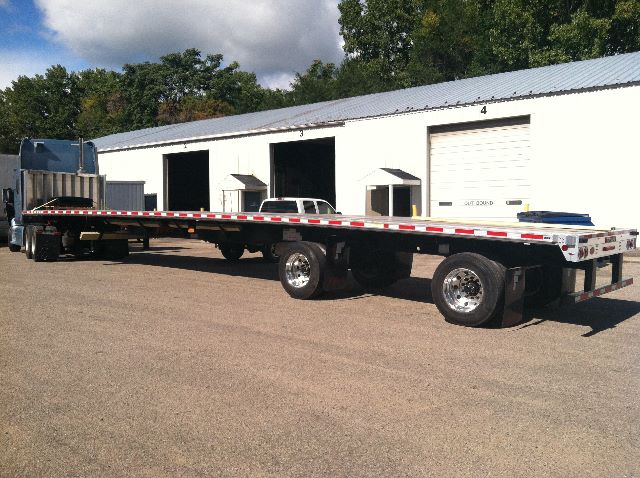
For used flatbed trailers in Michigan, focus on deck composition, load securement equipment, and axle layout before comparing price. A 53-foot flatbed may come with aluminum, steel, or combination construction, and those differences directly affect tare weight, payload, and long-term corrosion resistance. Features like chain ties, side boxes, aluminum bulkheads, side kits, and sliding rear axles can make a big difference depending on whether the trailer will haul coils, lumber, machinery, or general building products. If a listing includes lower-profile 17.5-inch tires or 22.5 low-pro rubber, that can also affect deck height and loading compatibility.
Michigan buyers should also evaluate how a used trailer has been maintained through winter conditions, road salt exposure, and heavy regional freight cycles. Rust around the rear frame, suspension mounts, landing gear supports, and wiring connections deserves close inspection, especially on older equipment. Air ride suspension remains a popular choice for ride quality and cargo protection, but the condition of air bags, shocks, bushings, brakes, hubs, and slider components matters more than the spec sheet alone. A strong used trailer is not just about age or brand. It is about structural condition, legal compliance, tire and brake life, and whether the trailer's configuration matches the lanes, commodities, and loading methods in your operation.
Frequently Asked Questions about Used Trailers in Michigan
What should I inspect first on a used trailer in Michigan?
Start with the frame, crossmembers, suspension mounts, rear impact area, landing gear structure, and any visible corrosion caused by road salt. After the structural inspection, check brake life, tire condition, wheel ends, air system leaks, lights, ABS function, and the operation of sliding tandems if equipped. On vans, inspect the roof, floor, doors, and interior lining. On flatbeds, inspect the deck, tie-down points, bulkhead, and trailer neck and axle areas for cracks or repairs.
Is a 53-foot trailer the most common size for used trailers?
Yes. A 53-foot trailer is the standard length for many dry van and flatbed applications because it maximizes freight capacity for general over-the-road and regional work. Width is commonly 102 inches, and tandem axle layouts are typical. That said, the right size still depends on your freight, customer docks, route restrictions, and whether you need specialized deck height or maneuverability.
What is the difference between a used dry van trailer and a used flatbed trailer?
A dry van trailer is enclosed and designed to protect palletized or boxed freight from weather and theft. A flatbed trailer has an open deck for freight that is loaded from the side, top, or rear, and it depends on proper securement with chains, straps, and edge protection. Dry vans are common in retail, warehousing, and general freight, while flatbeds are widely used for steel, lumber, equipment, and construction materials.
Why does a sliding tandem or sliding axle matter on a used trailer?
A sliding tandem or sliding axle gives the operator flexibility to adjust axle position for bridge law compliance, kingpin-to-rear axle measurements, and weight distribution. This matters when hauling different commodities or operating in states with varying bridge and axle rules. On a used trailer, the slider should be inspected for rail wear, locking pin operation, air cylinder function, and signs of damage from improper use.
Which used trailer specs affect long-term operating cost the most?
The biggest cost drivers are structural condition, tire and brake life, suspension condition, floor or deck condition, and the availability of replacement parts for the trailer's running gear. Construction type also matters. Aluminum and combination trailers can reduce tare weight and resist corrosion better, while steel-heavy designs may be less expensive upfront but can require more rust-related repair in northern climates. A trailer with sound structure and straightforward serviceability usually delivers the best long-term value.