
Used Trailers For Sale in Kentucky
Browse used trailers for sale in Kentucky, including lowboy and dry bulk trailers, with specs that matter for hauling, compliance, and uptime.
Selling a used trailer? List your used trailer for sale and reach thousands of commercial buyers.
Used Trailers in Kentucky
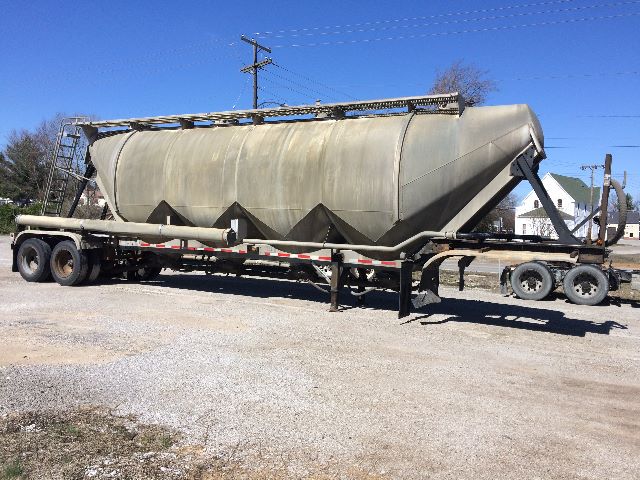
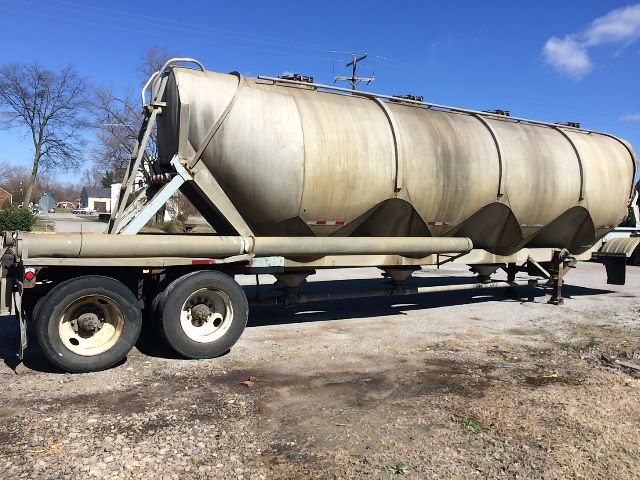
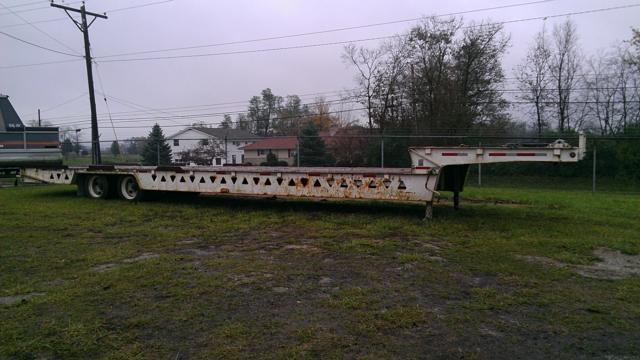
In Kentucky, trailer specs often need to reflect a mix of interstate hauling, short regional runs, and jobsite access. Common items that matter on a used trailer include overall length, 102-inch width, axle count, air ride versus spring suspension, tire size, wheel type, floor material, and trailer composition such as steel or aluminum. Steel trailers typically favor heavy-duty applications and impact resistance, while aluminum construction helps reduce tare weight and can improve payload on bulk and commodity work. On lowboys, deck length, detachable gooseneck design, loaded deck height, and axle spacing are key buying points. On dry bulk units, cubic foot capacity, blower compatibility, discharge plumbing, hopper layout, butterfly valves, and pressure system condition all affect unloading speed and maintenance cost.
Condition is where used trailer value is really determined. Frame repairs, crossmember condition, landing gear operation, air system leaks, brake drum and lining wear, slack adjusters, wiring integrity, and suspension component history all deserve close inspection. On pneumatic trailers, ask about tank pressure performance, line condition, gauges, rear frame work, valve service history, and what commodity was hauled last. Residue from certain products may require washout or extra inspection before changing commodities. On lowboys, check the deck for concentrated load damage, neck wear points, outriggers if equipped, and signs of fatigue around suspension mounts. Maintenance records can materially improve buyer confidence because they show whether major components like axles, bags, brakes, drums, and electrical systems were updated on schedule.
A good used trailer is the one that matches the freight, loading method, and permit environment without creating constant shop time. Kentucky buyers often compare trailers for regional construction, aggregate, agricultural, and bulk commodity service, so practical uptime features matter. Air ride suspension can help protect cargo and reduce trailer shock, while common tire sizes like 22.5 and 24.5 can simplify fleet maintenance. If the trailer will cross state lines regularly, verify VIN and title status, lighting compliance, ABS function, and current DOT inspection readiness. The best buying decision usually comes from balancing purchase price against remaining service life in the tires, brakes, suspension, structure, and any specialized systems tied to the trailer’s intended work.
Frequently Asked Questions about Used Trailers in Kentucky
What should I inspect first on a used trailer?
Start with the frame, suspension, brakes, tires, and running gear because those items drive both safety and repair cost. Look for frame cracks, rust scaling, poor weld repairs, worn bushings, leaking air components, uneven tire wear, and brake components that are near the end of service life. On specialized trailers, inspect the systems tied directly to the application, such as the deck and neck on a lowboy or the tank, valves, and plumbing on a pneumatic dry bulk trailer.
Is aluminum or steel better on a used trailer?
Neither is universally better because the right choice depends on the application. Aluminum helps reduce tare weight and can increase legal payload, which is important in bulk hauling and other weight-sensitive work. Steel is often preferred where durability, concentrated loading, and resistance to jobsite abuse matter most. On a used trailer, overall structural condition matters more than material alone, especially if there have been previous repairs.
What matters most when buying a used pneumatic dry bulk trailer?
Cubic capacity, tank condition, discharge system layout, valve condition, pressure performance, and maintenance history are the key factors. Buyers should verify that the trailer can handle the intended commodity and unload efficiently with the blower setup they plan to use. It is also important to confirm what product was previously hauled, because contamination, residue, or washout requirements can affect how quickly the trailer can be put into service.
What are the key specs to compare on a used lowboy trailer?
Deck height, deck length, width, axle configuration, suspension type, tire size, and the condition of the neck and deck structure are the major comparison points. These specs determine what equipment the trailer can legally and safely haul. Buyers should also check for wear around the gooseneck, signs of concentrated load damage on the deck, and any suspension or axle issues that could affect load balance and permit compliance.
How important are maintenance records on a used trailer?
Maintenance records are highly valuable because they help verify how the trailer was cared for and whether expensive components have already been replaced or rebuilt. Documentation for axle work, brake service, suspension repairs, electrical updates, tank work, or major frame repairs can make it easier to estimate remaining service life. A used trailer with solid records is usually easier to evaluate than one with little or no history.