
Used 2026 Trailers For Sale in Texas
Browse used 2026 trailers for sale in Texas, including van, tank, drop deck, vacuum, and specialty trailer types for freight and oilfield work.
Have used 2026 trailer to sell? List it here to reach thousands of buyers.
Used 2026 Trailers in Texas
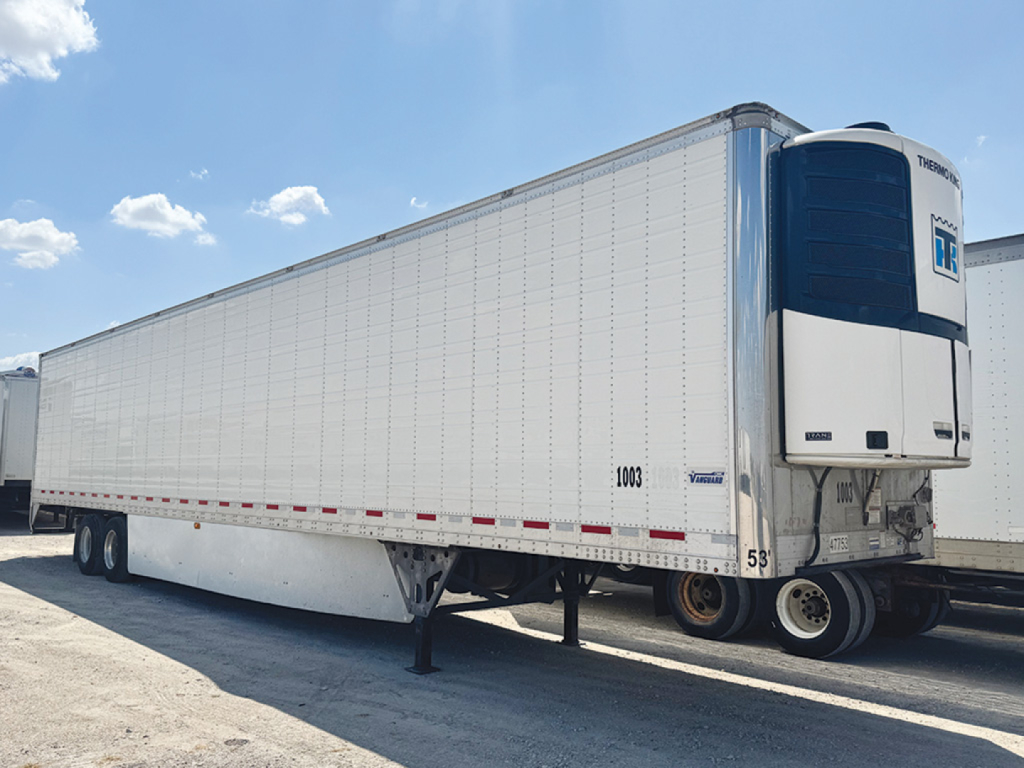
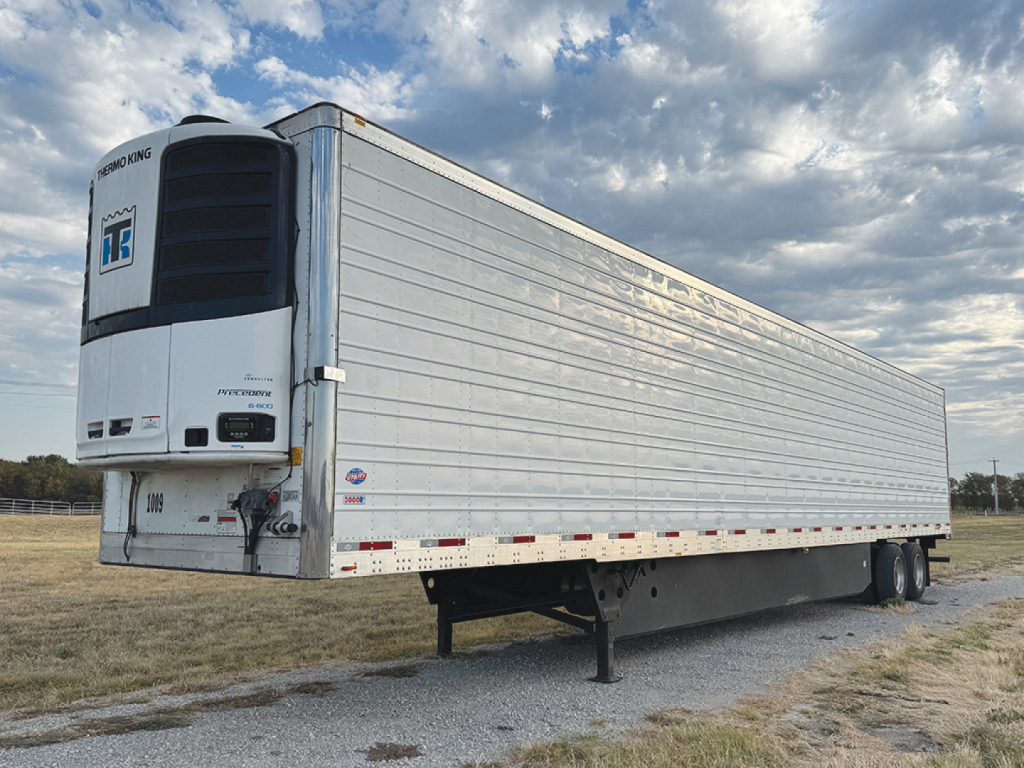
For general freight, dry van and refrigerated trailers are usually judged on body condition, floor integrity, roof and sidewall repairs, rear frame condition, door seal performance, and suspension type. Common specs include 53-foot lengths, air ride suspension, swing or roll-up doors, logistic posts, side skirts, and aluminum roof construction. For flatbed and step deck trailers, deck length, deck height, concentrated load rating, axle configuration, tire condition, and the condition of the crossmembers matter more than cosmetics. Buyers moving taller machinery or construction materials often focus on lower deck height, ramp options, winch tracks, and whether the trailer has seen repeated heavy point-loading.
Tank trailers require a more technical review. DOT code, compartment layout, shell material, lining, vapor recovery, valves, pump setup, and test documentation can determine both legal compliance and operating cost. In Texas, stainless, aluminum, DOT 407, DOT 412, crude oil, vacuum, and chemical service trailers are common, especially around refinery, petrochemical, and oilfield activity. On these units, inspection history is critical. Buyers should confirm current pressure, leakage, lining, internal, external, and kingpin inspections where applicable, along with gasket condition, emergency valves, vents, hose tubes, and ABS function. A trailer with recent documented tank work can be a better value than a lower-priced unit that still needs certification, valve replacement, or lining repair.
Across all trailer categories, the strongest used purchase is usually the one with clear maintenance records and specs that match the freight. Check axle ratings, suspension brand, brake life, tire age, wheel-end condition, frame or subframe corrosion, lighting, and title status before comparing price alone. Texas buyers also pay attention to bridge law considerations, route density, and port, border, or oilfield operating conditions. A used 2026 trailer should be evaluated as a working asset first: payload fit, regulatory compliance, repair history, and downtime risk matter more than appearance, especially when the trailer is expected to run hard from day one.
Frequently Asked Questions about Used 2026 Trailers in Texas
What should I look at first when buying a used 2026 trailer in Texas?
Start with the trailer category and intended application. A dry van, step deck, tank trailer, and vacuum trailer have completely different buying criteria. After confirming the trailer matches the freight, review axle and suspension specs, brake and tire condition, structural condition, repair history, and any category-specific compliance items such as DOT test records for tank trailers. In Texas, serviceability and current operating condition matter because many trailers are put straight to work in long-haul, oilfield, or regional service.
Are used tank trailers harder to evaluate than van or flatbed trailers?
Yes. Tank trailers are more technical because legal operation depends on more than visible condition. Buyers need to verify DOT specification, shell material, compartment configuration, lining condition if applicable, vapor recovery equipment, valve condition, and current inspection and test status. Internal, external, leakage, pressure, lining, and kingpin records can materially affect value. A clean-looking tank without current documentation can become expensive very quickly if it needs testing, valve work, or lining repair before it can be placed in service.
Why does suspension type matter on a used trailer?
Suspension type affects ride quality, cargo protection, maintenance cost, and resale appeal. Air ride suspension is common on dry vans, reefers, tank trailers, and many specialty trailers because it helps reduce cargo shock and is widely accepted in premium freight applications. Mechanical suspension may cost less to maintain in some operations, but it may not be ideal for sensitive cargo or certain tank applications. Buyers should also inspect suspension components for bushing wear, air leaks, cracked hangers, and uneven tire wear that can indicate alignment or structural issues.
What trailer specs are most important for Texas hauling?
The most important specs depend on the lane and commodity, but common priorities in Texas include axle configuration, tire size, suspension type, trailer length, deck height on open-deck units, and compliance equipment on tank trailers. Buyers running border freight may prioritize durable doors, floors, and logistics systems in vans. Buyers in construction or machinery hauling often focus on lower deck height and load flexibility in step decks. Oilfield and chemical operations usually place the most value on current test documentation, aluminum or stainless construction, and properly functioning valves, pumps, and vapor systems.
Is a newer used trailer always a better buy?
Not necessarily. A newer model year can help with resale and remaining service life, but condition and maintenance history are more important than the calendar. A trailer that has been overloaded, poorly repaired, or neglected can cost more to own than an older unit with documented maintenance and recent component replacement. Buyers should compare structural condition, compliance status, service records, and expected repair spend before assigning value based on model year alone.