
Used 2025 Trailers For Sale in Texas
Browse used 2025 trailers for sale in Texas, including van, dump, drop deck, and tanker configurations for freight, construction, and oilfield work.
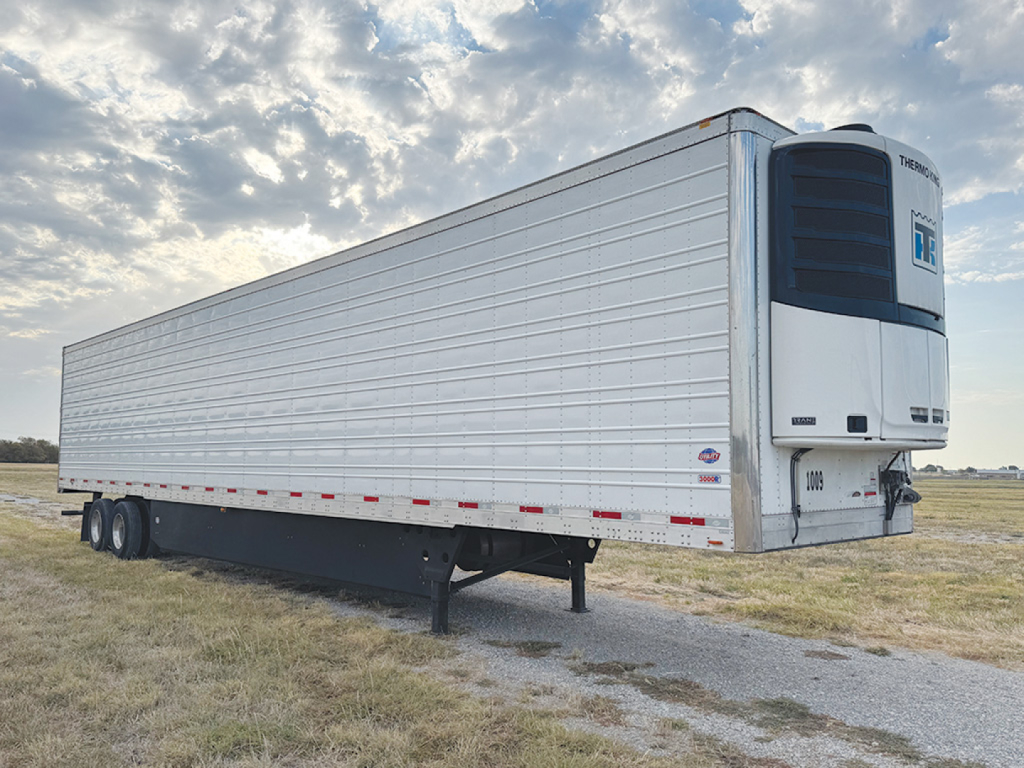
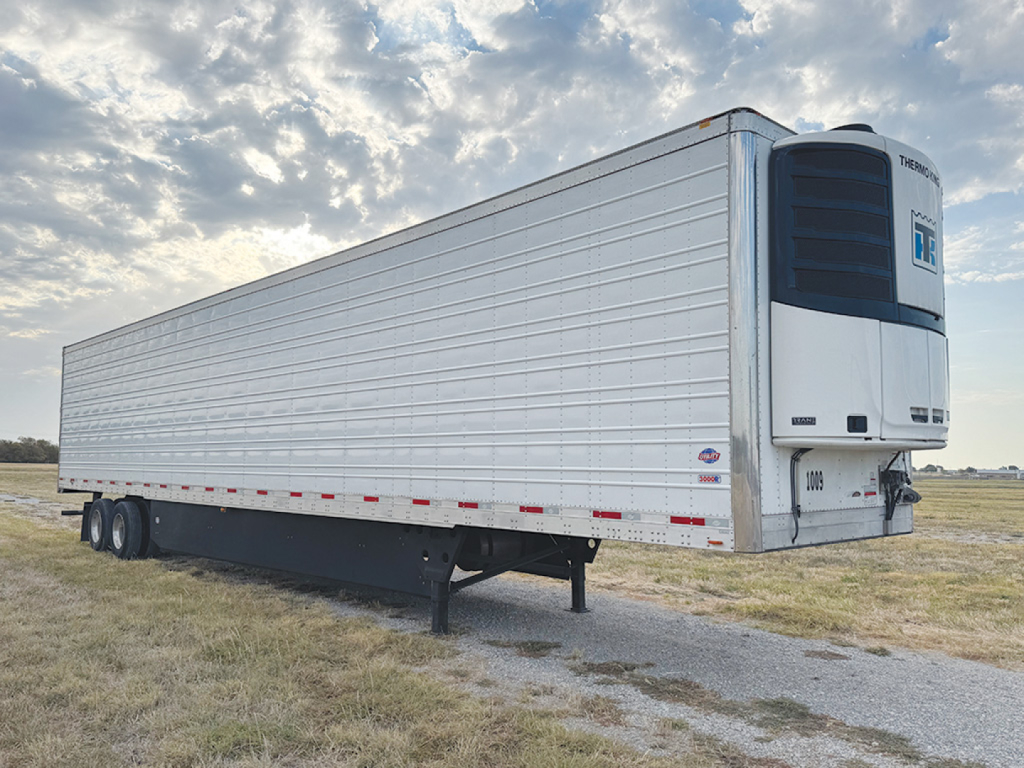
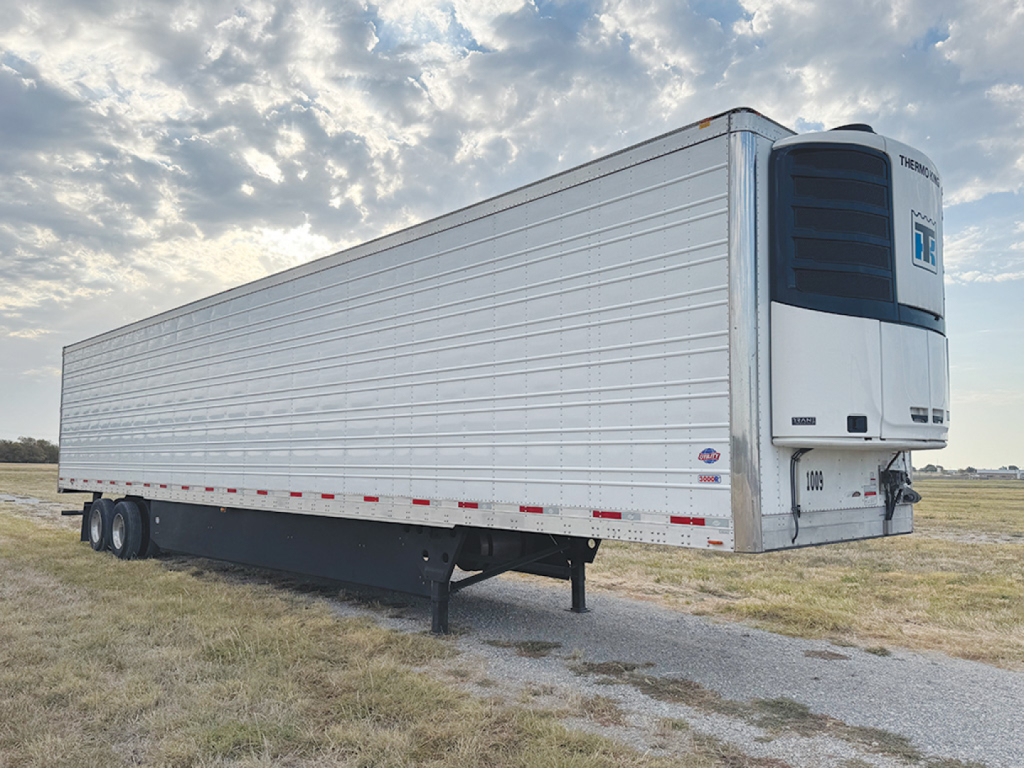
Have used 2025 trailer to sell? List it here to reach thousands of buyers.
Used 2025 Trailers in Texas
For Texas operations, trailer spec has to match regional freight and route demands. Oilfield and energy work often calls for heavier-duty drop decks, crude tankers, and dump trailers that can handle rougher service and higher axle loading. General freight lanes across I-10, I-20, I-35, and I-45 tend to favor 53x102 dry vans and versatile flatdeck configurations that can move machinery, building materials, palletized freight, or oversized loads with fewer restrictions. Buyers should pay close attention to tire size, axle count, suspension type, and bridge-friendly dimensions, especially when comparing tandem, tri-axle, and lift axle setups.
Condition matters more than model year on many trailer purchases, but on a used 2025 trailer the expectation is later-spec components, cleaner wiring, newer lighting, and less structural fatigue than older units. Still, it pays to inspect crossmembers, side rails, rear frame, landing gear, coupler area, brake chambers, slack adjusters, air tanks, wheel ends, and any signs of frame repairs. On platform trailers, check decking material such as apitong, winch track wear, rub rail integrity, and tie-down points. On vans, look at roof bows, scuff liners, rear door seal, and floor wear from forklifts. On dumps, inspect the tub, hoist, hinge points, gate seals, and tarp arm operation. On tanks, verify current testing requirements, shell condition, and the status of pumps, vents, and discharge equipment where applicable.
A strong used 2025 trailer should be evaluated as a working asset, not just a late-model unit. Compare GVWR, payload potential, suspension capacity, brake and tire percentages, and any added equipment such as lift axles, toolboxes, strobes, aluminum wheels, or high-lift gates. If the trailer will stay in Texas, resale strength often follows practical specifications that fit local freight, construction, agriculture, and energy markets. The best choice is the one with the right structure, legal capacity, and service history for the work you actually run.
Frequently Asked Questions about Used 2025 Trailers in Texas
What should I look for first when buying a used 2025 trailer in Texas?
Start with the trailer category and the exact work it needs to perform. A dry van, dump trailer, drop deck, and tanker each have very different inspection priorities. After confirming the trailer type, focus on GVWR, axle configuration, suspension, deck or body condition, brake and tire life, and signs of structural repair. In Texas, legal loading, route demands, and jobsite conditions can make axle count, ride type, and kingpin setting just as important as the trailer's age.
Is a used 2025 trailer a better value than an older trailer?
Often yes, if the trailer was spec'd correctly and not abused in severe service. A used 2025 trailer may offer newer components, updated LED lighting, cleaner harness routing, less corrosion, and more remaining life in brakes, tires, suspension parts, and flooring or decking. That said, value still depends on maintenance history, operating environment, and inspection results. A late-model trailer with hard oilfield or demolition use can require more reconditioning than an older trailer that saw lighter freight.
What specs matter most on a used drop deck or step deck trailer?
Deck length, lower deck height, upper deck length, kingpin setting, axle spacing, suspension capacity, and lift axle configuration are the main specs that affect usability and legal loading. Buyers should also check deck material, side rail rating, winch track condition, tie-down points, and whether the trailer has the capacity and dimensions needed for machinery, steel, or oversized freight. In Texas, a tri-axle or lift axle setup can be especially important for heavier commodity hauling and permit flexibility.
How do I inspect a used dump trailer before buying?
Inspect the body style first, such as half-round or quarter-frame, then examine the tub for thin spots, dents, weld repairs, and signs of previous material hang-up or impact damage. Check the hoist, hinge assembly, gate hardware, tarp system, frame rails, suspension, and rear structure. Brake wear, tire condition, and liner integrity are also major cost items. If the trailer has hauled abrasive material, body and floor condition should carry more weight than cosmetics.
What matters most on a used dry van trailer?
Floor condition, roof integrity, rear frame condition, and door operation are usually the big-ticket concerns. Buyers should also inspect logistics posts, scuff liners, crossmembers, landing gear, and the overall straightness of the trailer. A 53x102 dry van is common because it maximizes freight volume for general over-the-road work, but details like roll-up versus swing doors, suspension type, and floor rating still determine how well the trailer fits a specific operation.