
Used 2024 Trailers For Sale in Georgia

Have used 2024 trailer to sell? List it here to reach thousands of buyers.
Used 2024 Trailers in Georgia
On dry vans, common late-model specs include 102-inch width, 13-foot 6-inch overall height, wood floors, scuff liners or scuff plates, logistics posts, E-track, swing doors or roll-up doors, air ride suspension, and sliding tandems. A 2024 used van trailer may also carry disc brakes, tire inflation systems, aerodynamic side skirts, and telematics-ready configurations that support lower maintenance and stronger fleet standardization. Buyers should confirm kingpin setting, crossmember spacing, roof condition, door frame integrity, and signs of forklift damage at the rear sill and threshold plate. In Georgia freight, where urban delivery, drop-and-hook, and distribution center loading are common, those details affect dock compatibility, tire wear, and long-term operating cost.
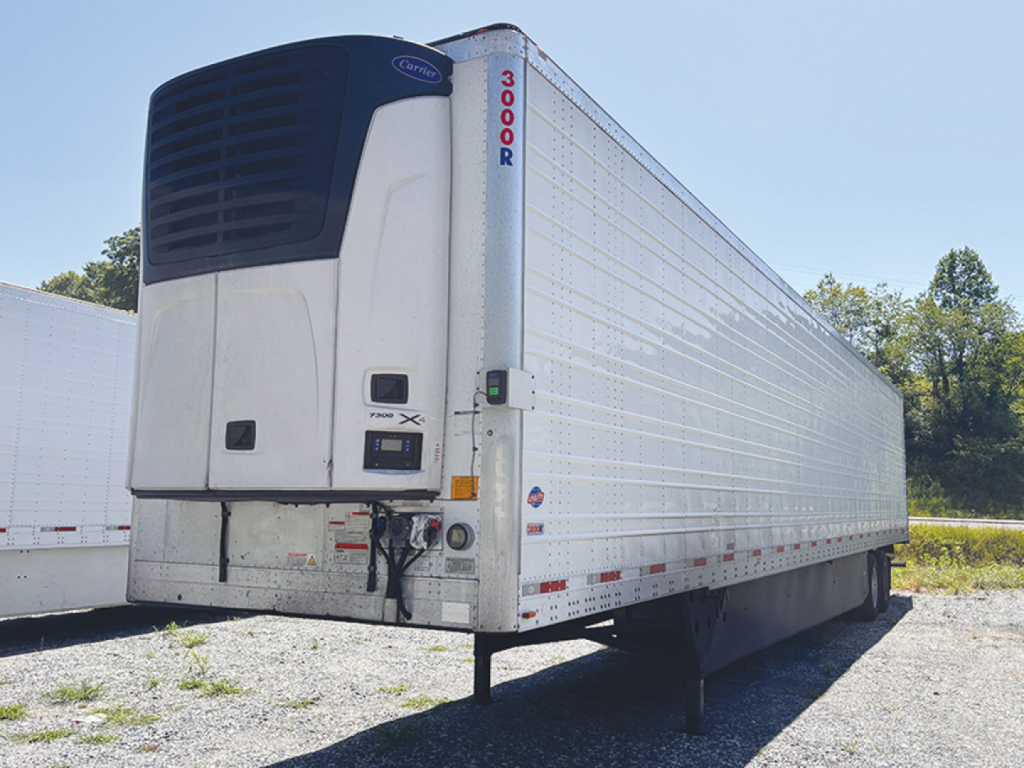
For reefer trailers, the trailer body matters as much as the refrigeration unit. Key inspection points include unit hours, evaporator condition, bulkhead setup, floor type, insulation integrity, door seal condition, and whether the trailer is configured for single-temp or multi-temp service. Late-model reefers often include aluminum flat floors, stainless steel rear frames, scuff plates, logistics track, sliding tandems, and low-profile 22.5 tires. In produce, frozen food, and pharmaceutical lanes, buyers should verify maintenance records for the reefer unit, fuel system condition, download capability, and any history of temperature control issues. A 2024 used reefer can make sense for carriers that need newer compliance and customer-facing specs without taking a full depreciation hit on a brand-new unit.
Across trailer categories, condition still matters more than model year alone. A strong used 2024 trailer should be evaluated for brake wear, suspension bushing condition, wheel-end service history, tire date codes, ABS performance, frame straightness, and evidence of corrosion or impact repair. Georgia buyers should also think about lane length, bridge laws, port work, and dock environment before choosing between air ride or spring ride, roll-up or swing doors, and standard versus logistics-equipped interiors. The best trailer for the job is the one whose spec matches the freight, the loading process, and the maintenance program behind it.
Frequently Asked Questions about Used 2024 Trailers in Georgia
What should I check first on a used 2024 trailer?
Start with the trailer’s structural condition and service history. Inspect the frame, crossmembers, rear impact guard, tandem slider rails, suspension, brakes, tires, floor, roof, and door frame before focusing on cosmetic appearance. On a late-model trailer, buyers should also verify ABS function, tire inflation system operation if equipped, wheel-end maintenance, and any signs of hard dock impact or forklift damage. A 2024 model should still present as relatively current equipment, so unexplained wear patterns deserve close attention.
Are used 2024 dry vans and reefers a good value compared with new trailers?
They can be, especially when a buyer wants newer specifications without paying full new-trailer pricing. A used 2024 trailer may already have fleet-desirable options such as disc brakes, air ride, sliding tandems, logistics track, side skirts, and tire inflation systems. The value depends on prior use, maintenance quality, and how closely the trailer spec matches the intended freight. If the trailer is clean, properly maintained, and configured for the lane, a used 2024 unit can offer a strong balance of remaining service life and lower acquisition cost.
What trailer specs matter most for freight in Georgia?
In Georgia, common priorities include 53-foot length, 102-inch width, 13-foot 6-inch height, sliding tandems, dock-friendly door configuration, and suspension suited to regional or port-related freight. Dry van buyers often want logistics posts, scuff protection, and solid floor condition for warehouse freight. Reefer buyers typically focus on reefer unit performance, insulation, floor condition, and temperature-control capability for grocery, produce, or frozen loads. Route density around Atlanta and freight movement tied to the Port of Savannah also make durability and turnaround efficiency important.
How do I choose between swing doors and roll-up doors on a used trailer?
Swing doors are common on linehaul and dock freight because they usually provide full rear opening width and a simpler rear structure. Roll-up doors can be useful for frequent stop-and-go operations where drivers need quick access and do not want doors swinging into tight spaces. The tradeoff is that roll-up door systems add moving parts and can reduce clear opening height. The right choice depends on loading style, dock setup, and whether the trailer is used in dense urban deliveries or standard warehouse operations.
What is the biggest risk when buying a used 2024 reefer trailer?
The biggest risk is assuming the newer model year guarantees a healthy refrigeration system and trailer body. Buyers should verify reefer unit hours, preventive maintenance records, alarm history, fuel system condition, and temperature performance under load. The trailer box also needs close inspection for damaged insulation, worn door seals, floor wear, and bulkhead issues. A reefer earns its value through reliable temperature control, so the inspection should focus on operational history as much as physical appearance.