
Used 2020 Trailers For Sale in Texas
Browse used 2020 trailers for sale in Texas, including van, dump, step deck, and tanker models with specs that fit regional hauling needs.

Have used 2020 trailer to sell? List it here to reach thousands of buyers.
Used 2020 Trailers in Texas
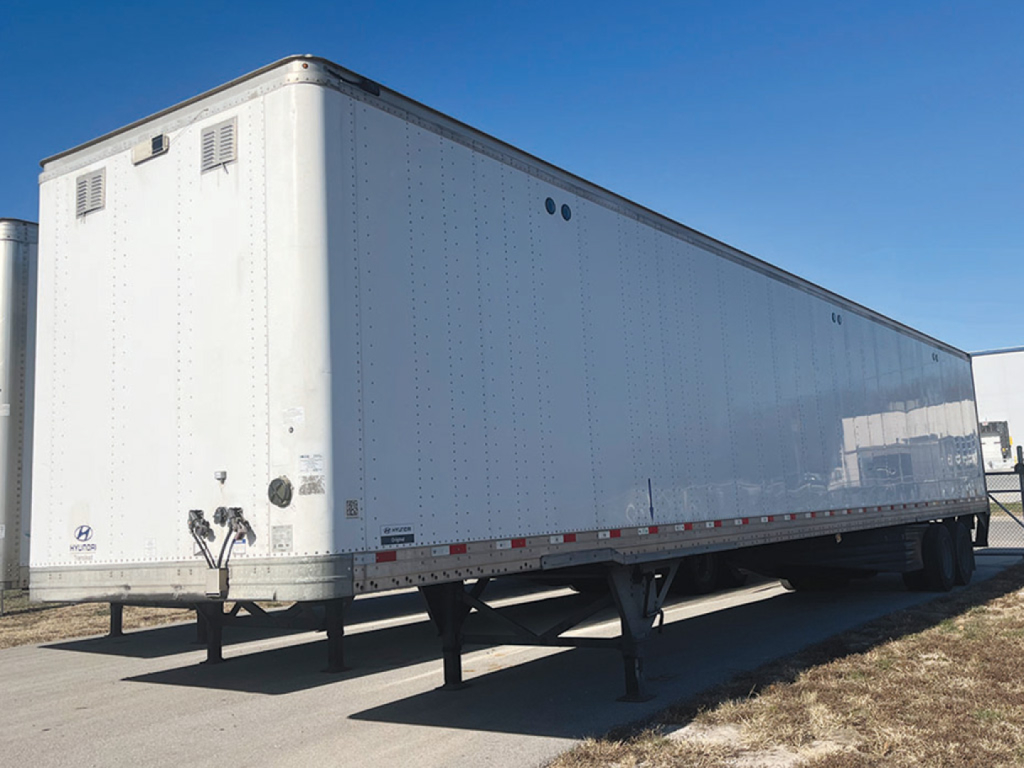
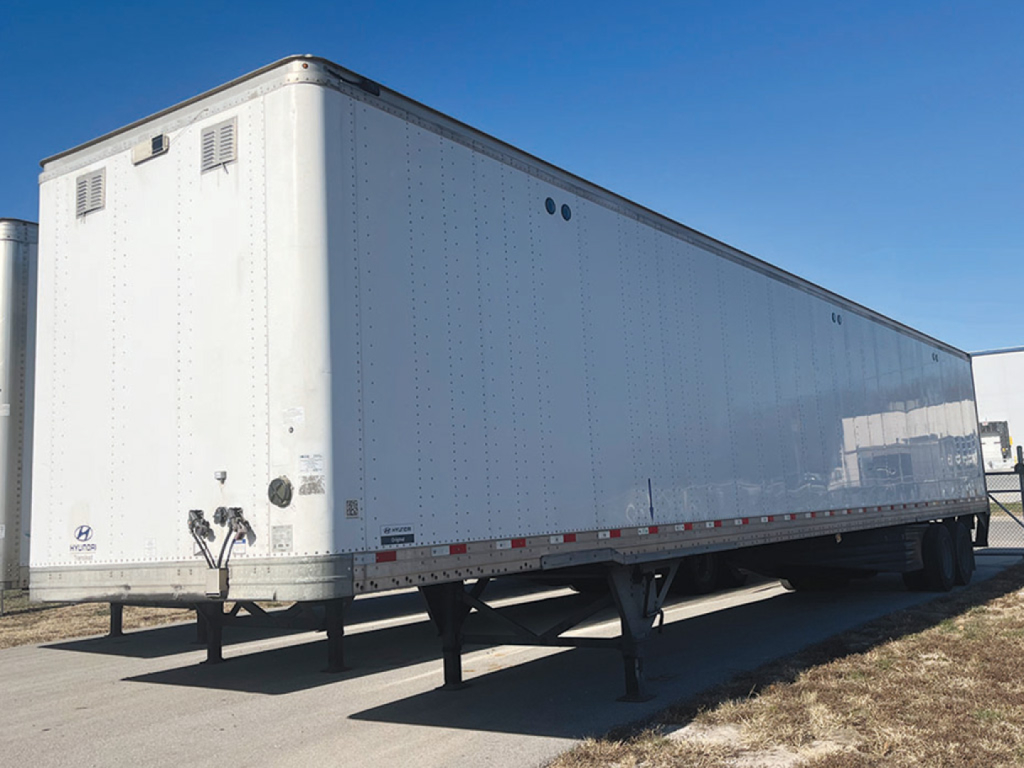
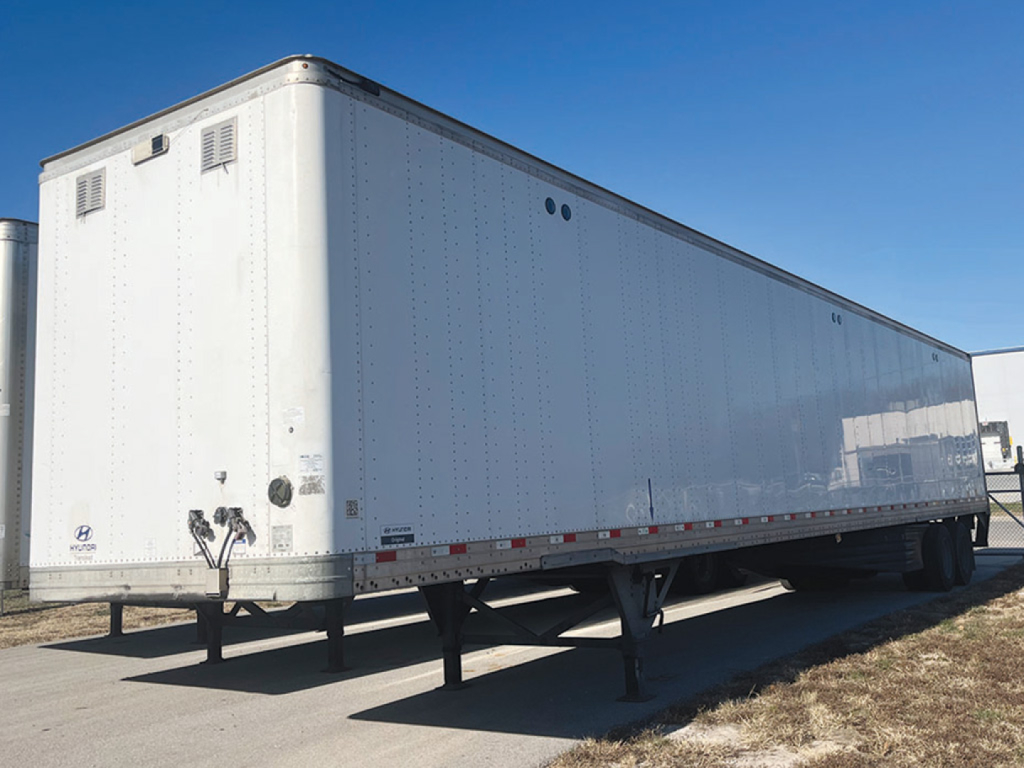
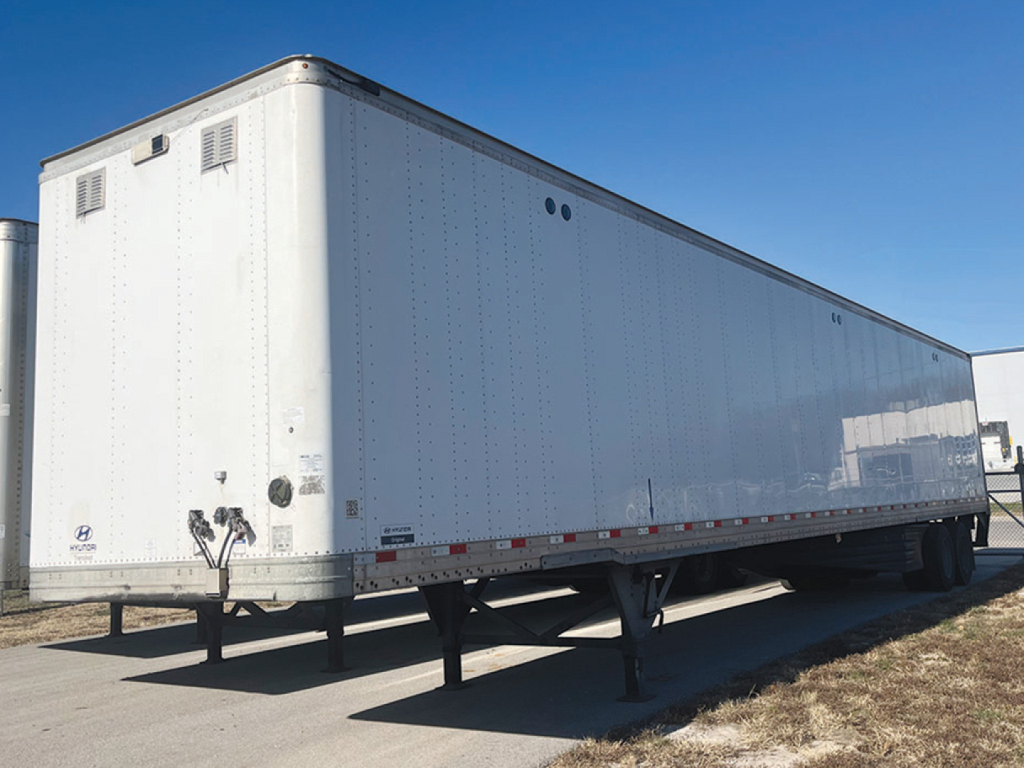
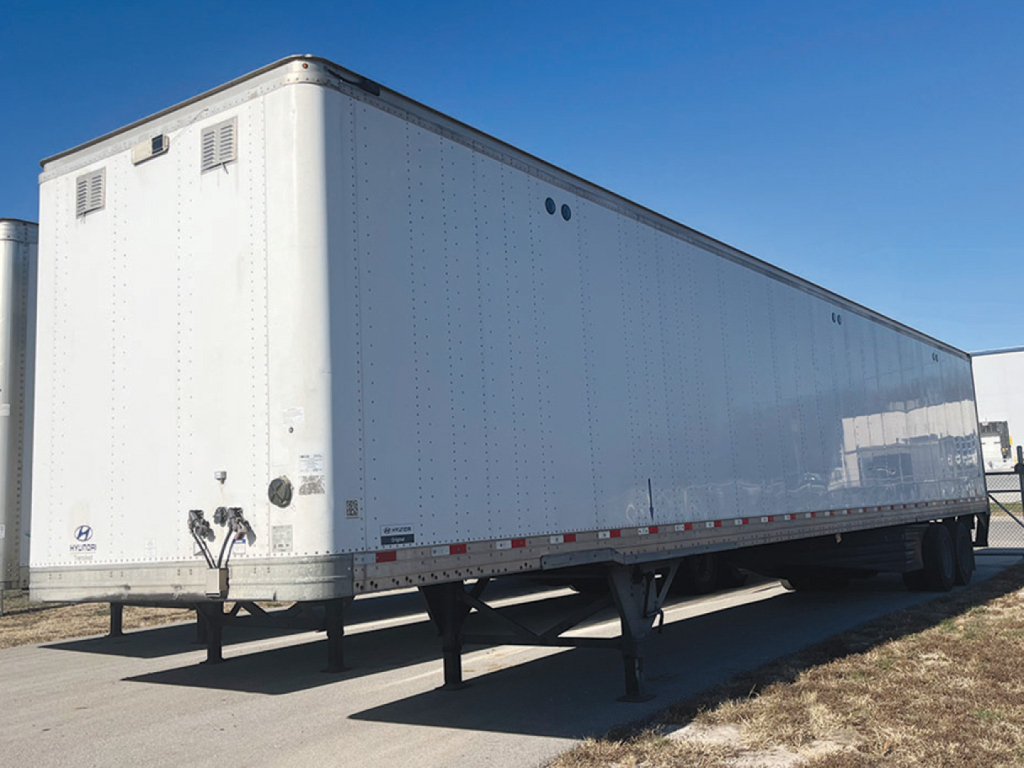
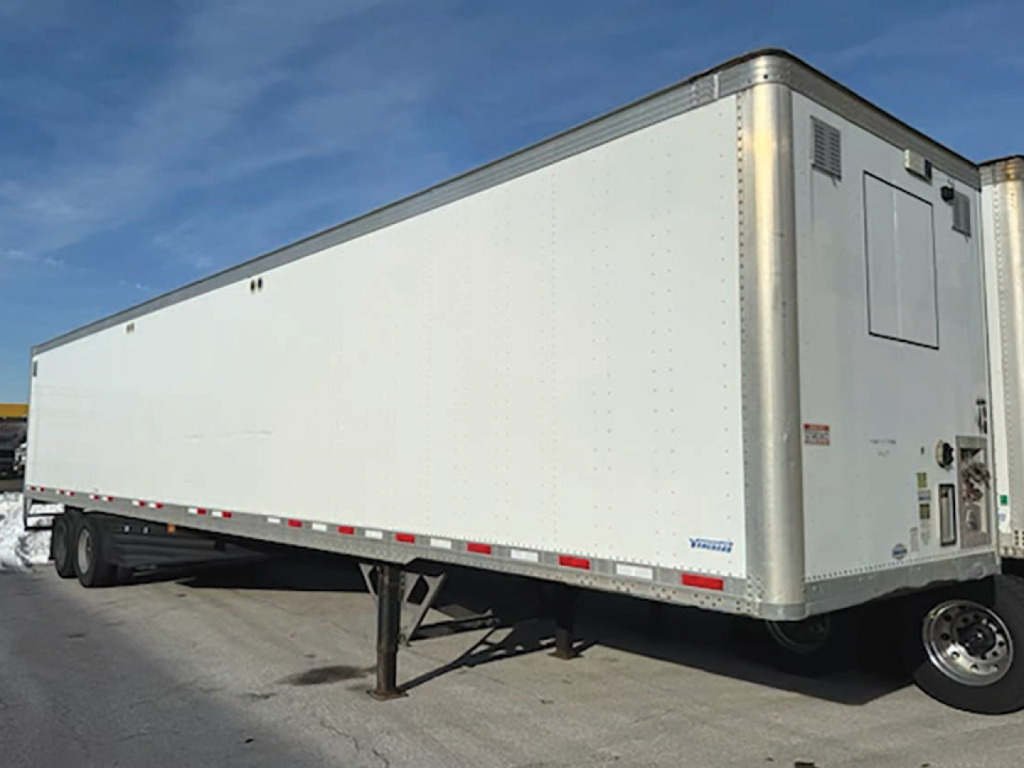
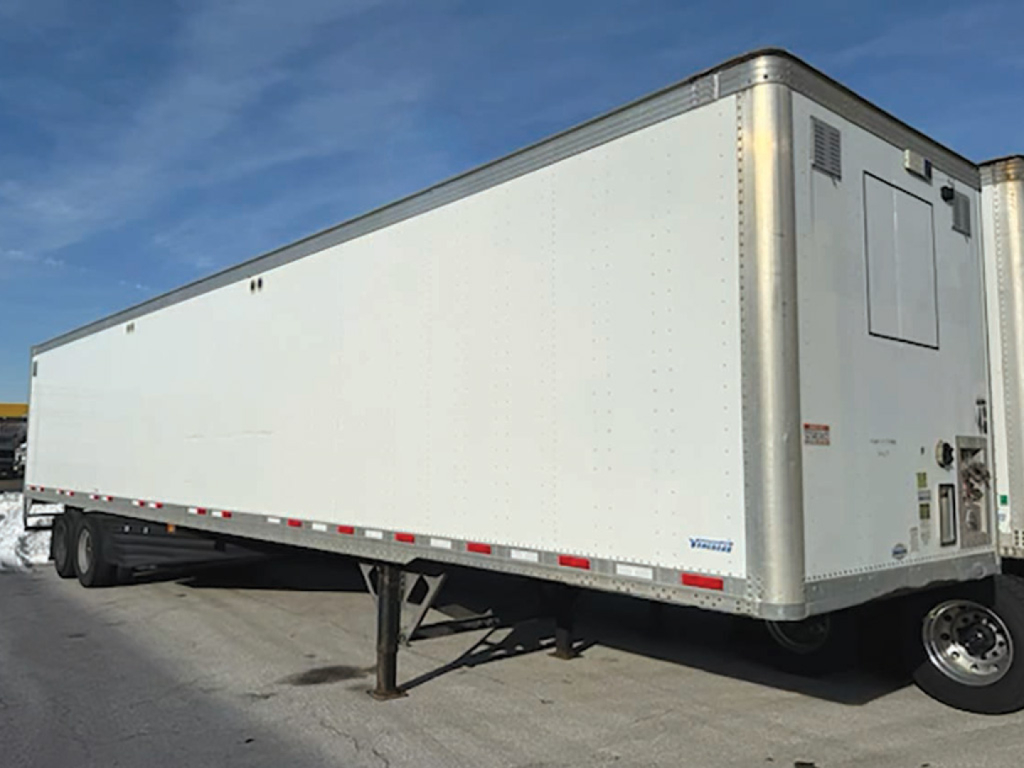
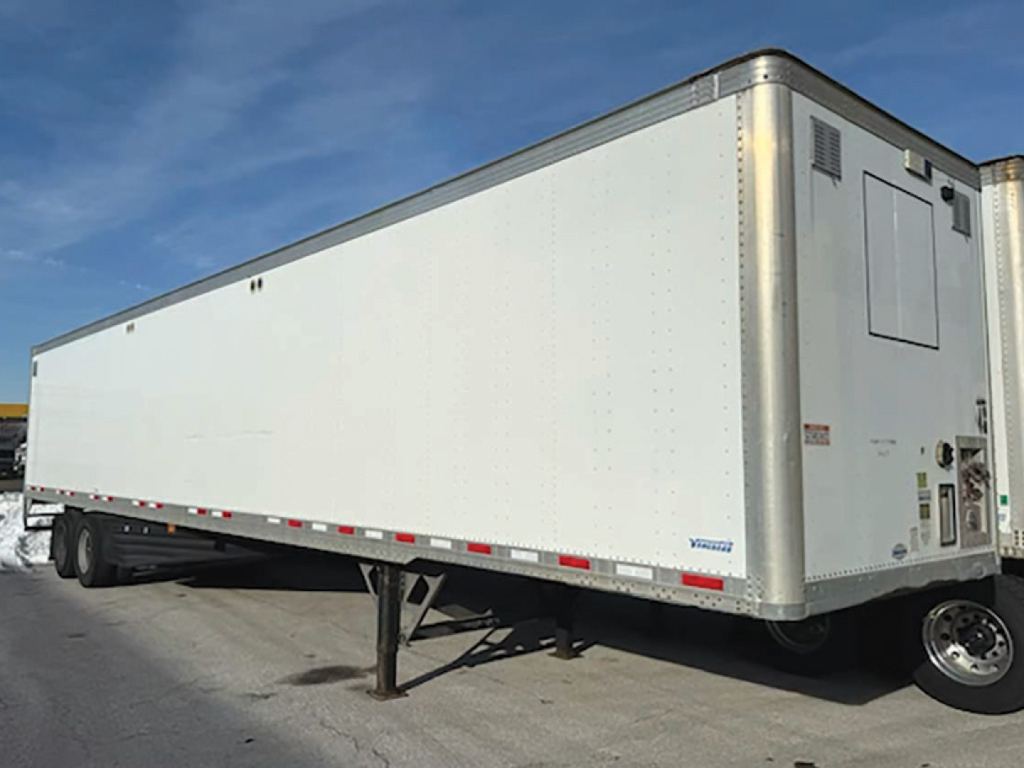
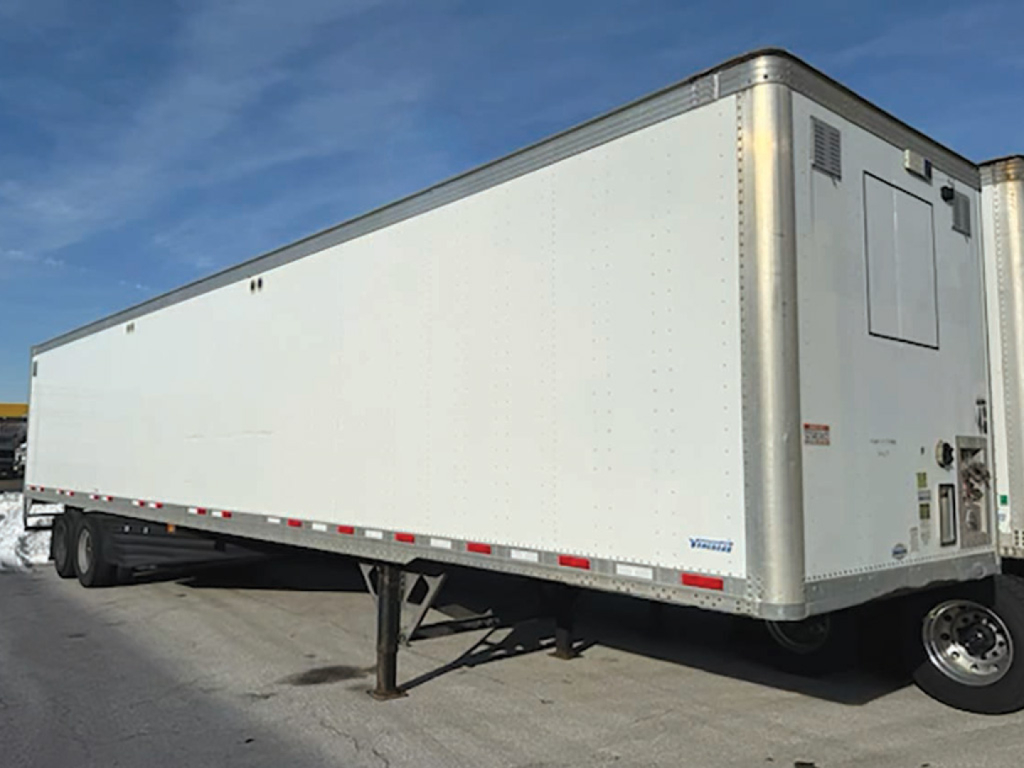
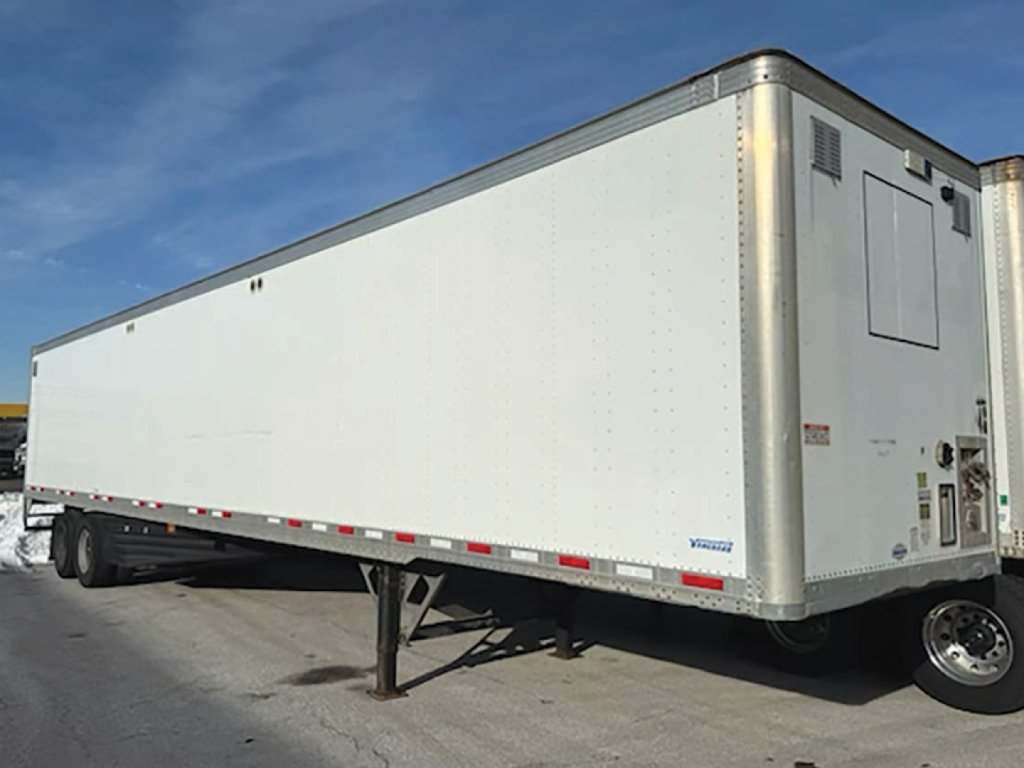
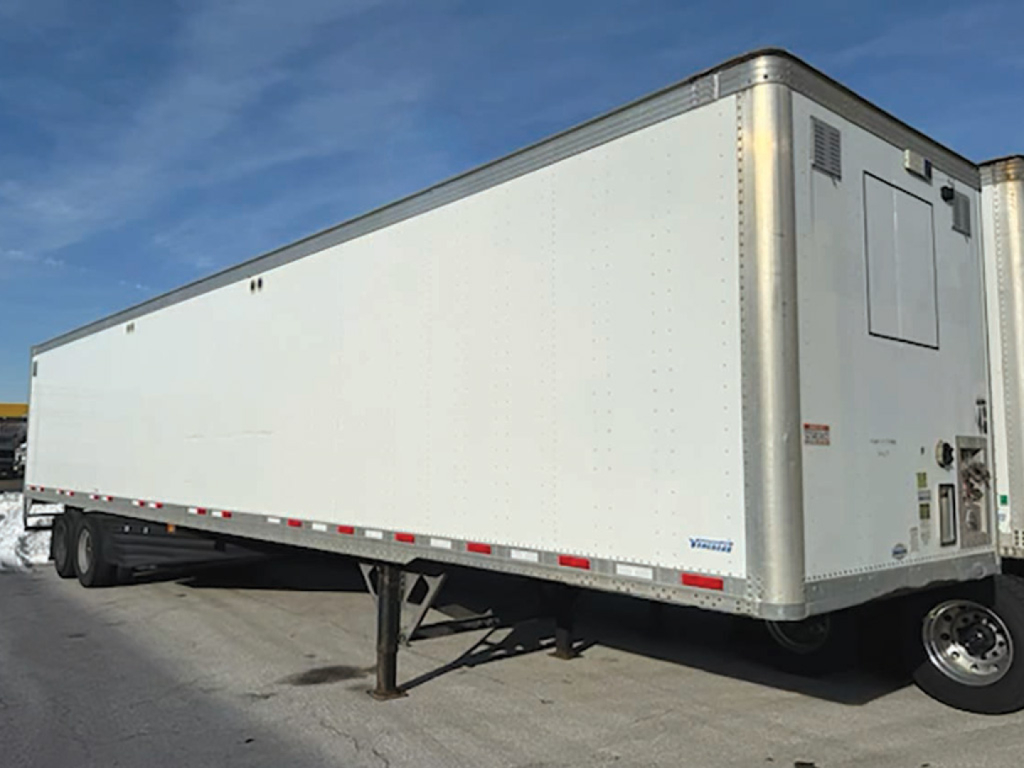
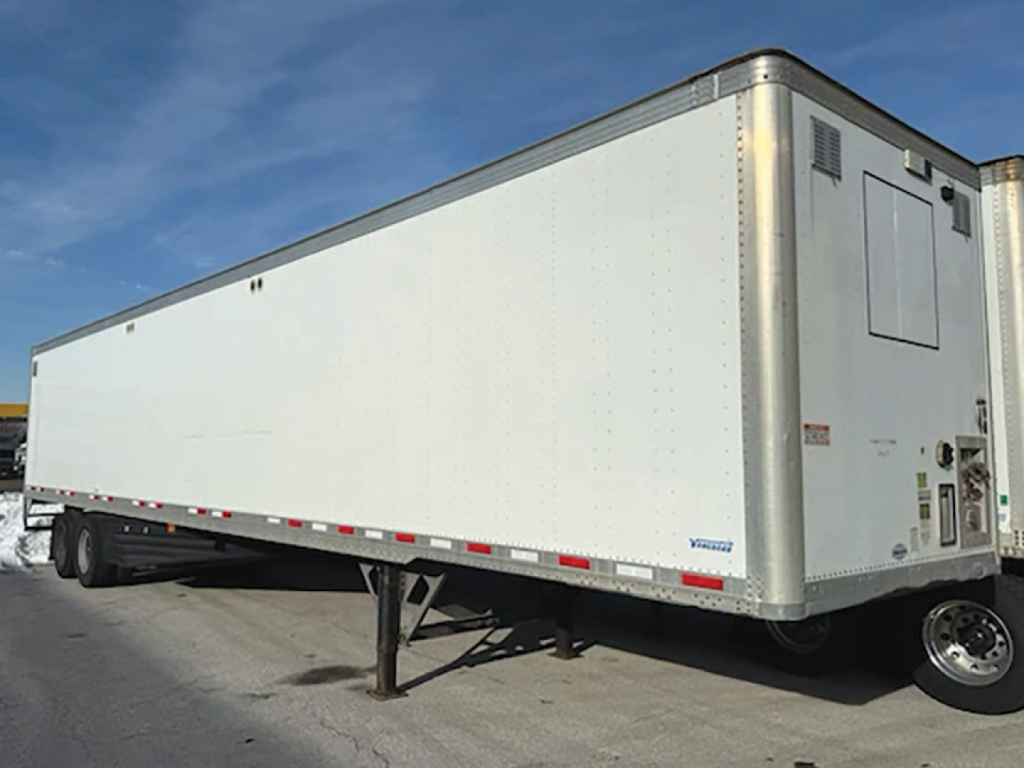
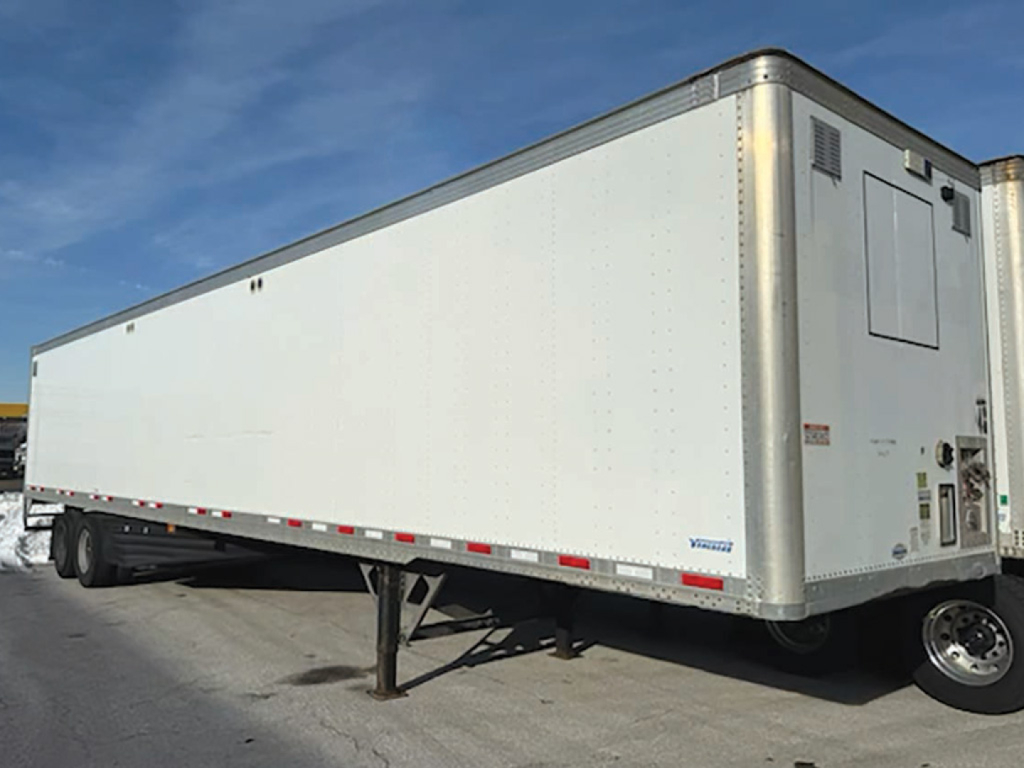
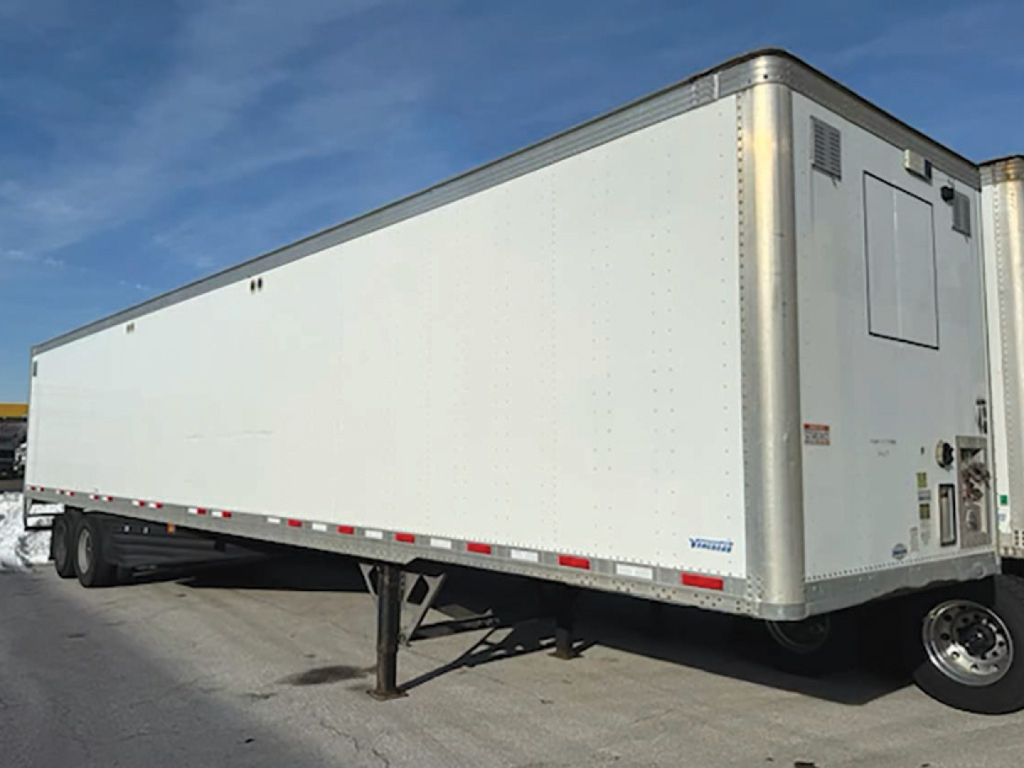
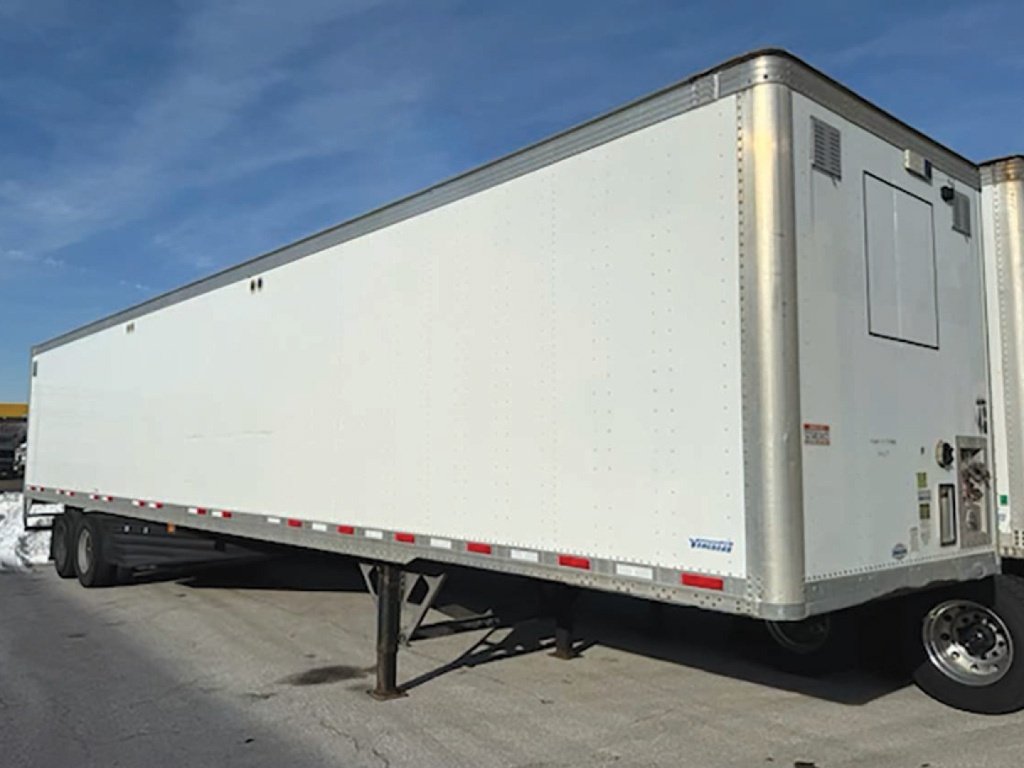
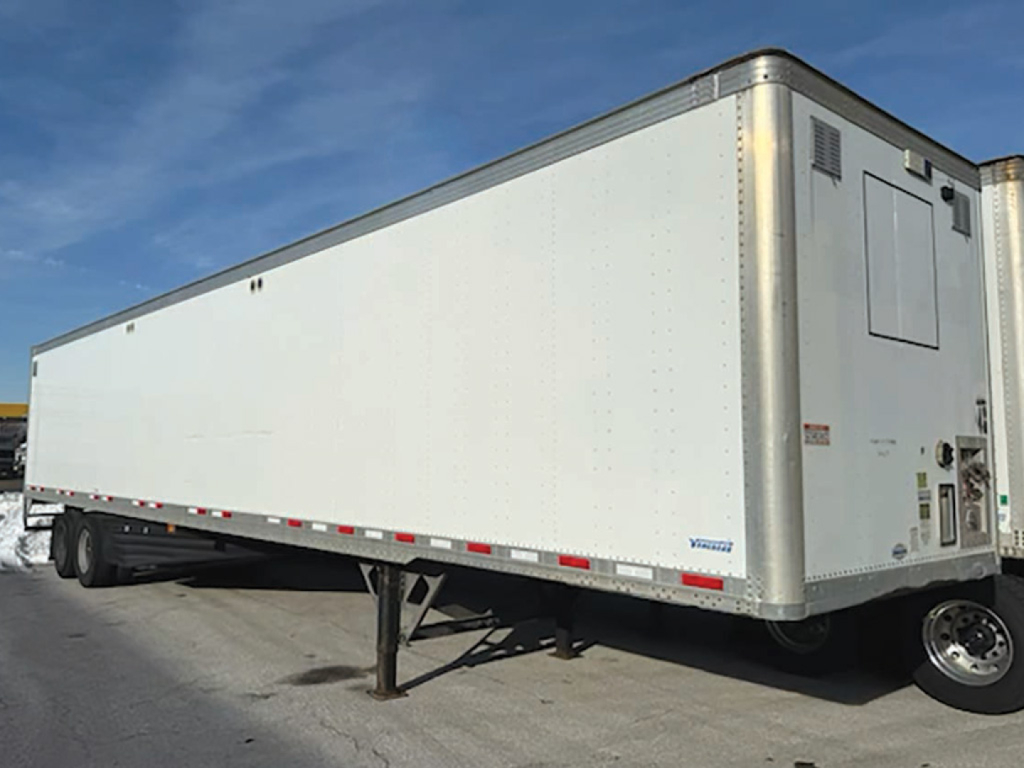
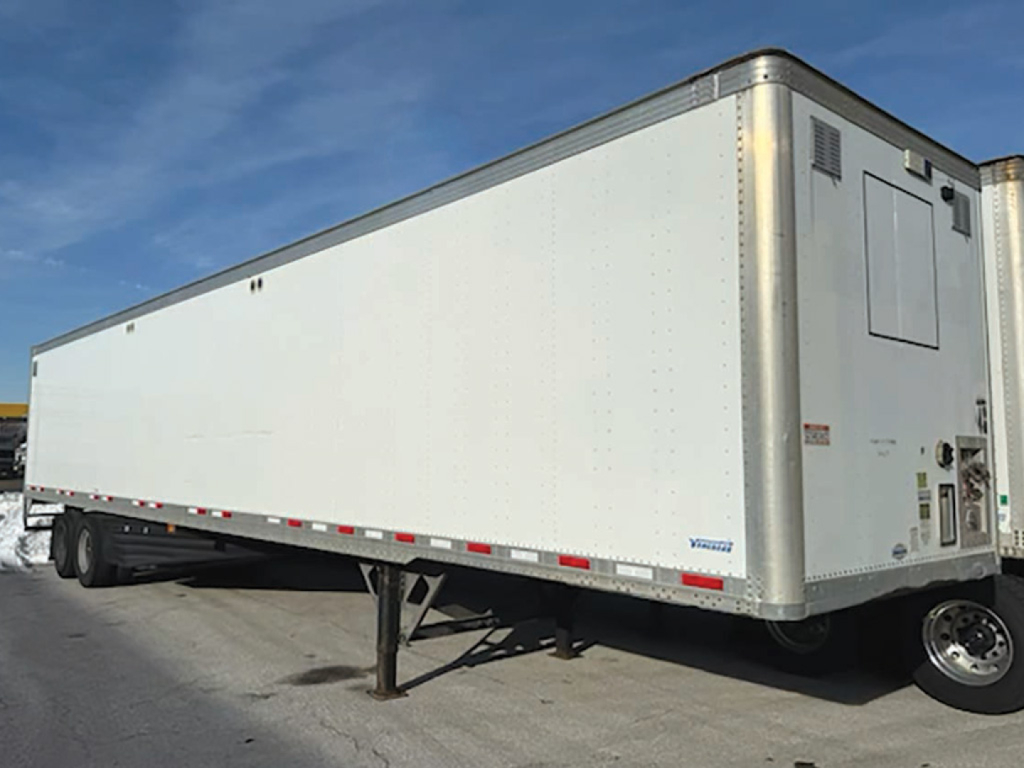
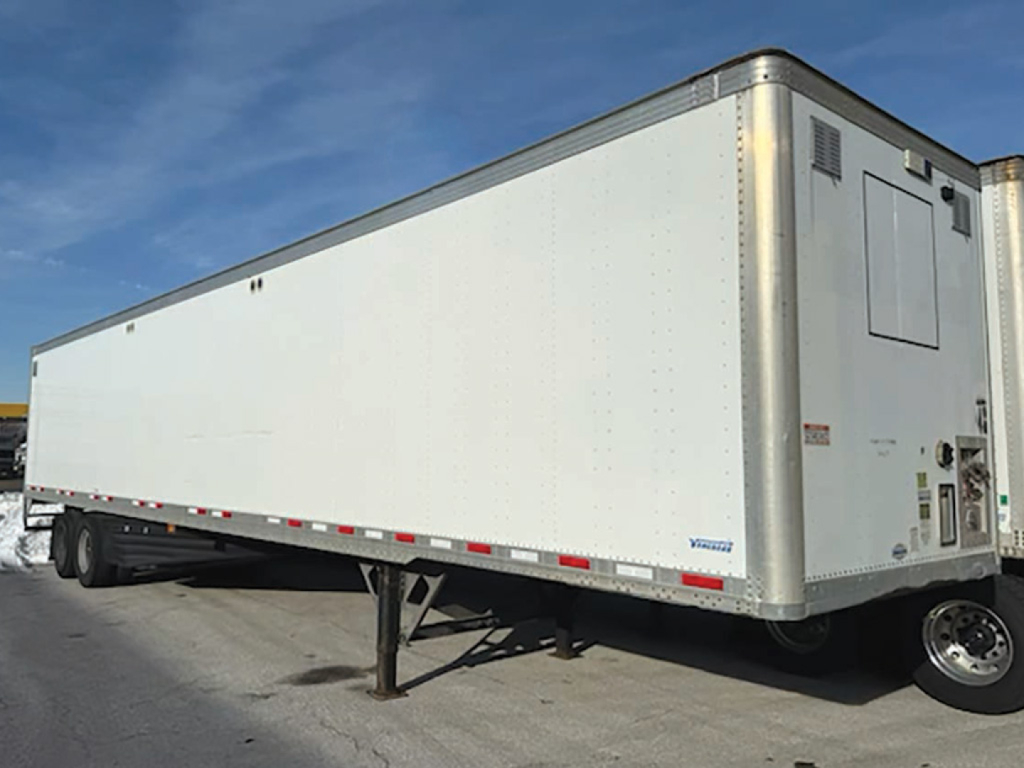
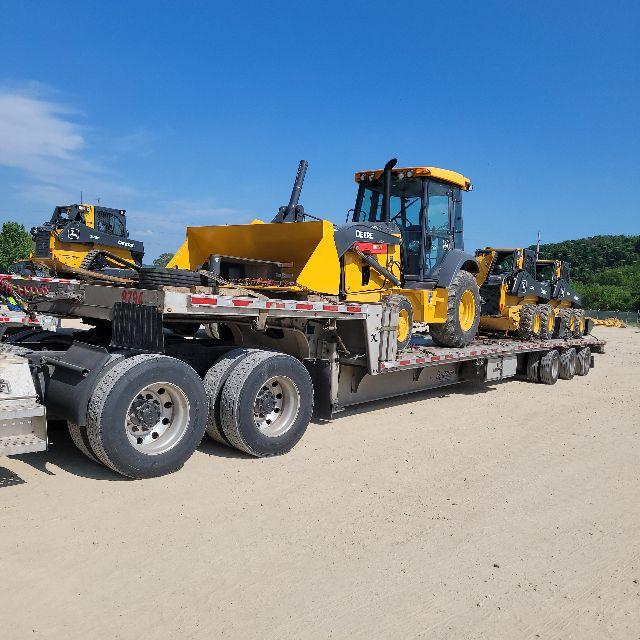
For general freight, 53x102 dry vans remain a common choice, with buyers paying close attention to roof condition, crossmember integrity, rear frame wear, floor life, and door operation. For open-deck work, 48x102 step decks and drop decks are often selected for machinery, building materials, and freight that needs lower deck height than a standard flatbed can offer. Key details include deck length, concentrated load rating, tire size, suspension type, winch track condition, and how much repair history is visible around the neck, main beam, and rear transitions. On dump and half-round trailers, the condition of the tub, liner, gate hardware, hoist geometry, tarp system, and brake wear matters more than cosmetics.
Texas buyers also need to think in terms of route and commodity. Oilfield and energy service work may call for tank trailers or heavier vocational builds that can hold up on lease roads and under high-cycle loading. Regional construction and aggregate hauling puts more emphasis on body durability, axle alignment, and remaining brake and tire life. Highway freight operations tend to focus on cubic capacity, tare weight, aerodynamic drag, and maintenance accessibility. A 2020 trailer should still offer strong service life if the frame is straight, the suspension is wearing evenly, and the running gear has not been neglected.
Before buying, inspect VIN and title details, confirm the trailer’s exact GAWR and GVWR, and compare kingpin setting, axle spread, and bridge-law practicality to the lanes you plan to run. Check for signs of frame repairs, uneven tire wear, slack adjuster issues, ABS faults, and corrosion around wiring, air tanks, and suspension hangers. On tank and specialty trailers, verify certifications, lining or shell condition, and any commodity-specific requirements. The best used 2020 trailer is the one whose specs match the freight, whose maintenance story makes sense, and whose remaining life is visible in the structure rather than just the paint.
Frequently Asked Questions about Used 2020 Trailers in Texas
What should I look for first when buying a used 2020 trailer?
Start with structural condition and application fit. Check the frame, crossmembers, suspension hangers, axle alignment, brake system, tire wear, wiring, and landing gear before focusing on appearance. A 2020 trailer can still have strong value, but the real difference between a good buy and a costly one is usually found in the undercarriage, the maintenance history, and whether the trailer was built for the freight you intend to haul.
Are used 2020 trailers a good value compared with newer models?
Used 2020 trailers often hit a practical value point because they are modern enough to include current equipment standards while avoiding the highest purchase prices tied to newer model years. Many buyers like this age range because parts support is straightforward, shops are familiar with the systems, and there is often meaningful service life left if the trailer has been maintained correctly. Value still depends heavily on category, mileage or usage intensity, and prior repair quality.
Which trailer types are most common in the Texas used market?
Texas commonly sees a broad mix of used dry vans, flatbeds, step decks, drop decks, dump trailers, tank trailers, and other vocational designs. The mix reflects the state’s freight diversity, including general over-the-road freight, construction materials, oilfield support, agricultural hauling, and industrial equipment transport. That variety makes it important to shop by use case first, then narrow down by dimensions, axle configuration, suspension, and body construction.
How important are axle configuration and kingpin setting on a used trailer?
Axle layout and kingpin setting are critical because they affect bridge compliance, weight distribution, turning characteristics, and compatibility with the tractor and the freight. A trailer that looks right on paper can still be a poor operational fit if the axle spread or kingpin location does not suit your routes or loading pattern. Buyers running heavy or variable loads should verify these dimensions early, especially in Texas lanes where legal weight distribution and practical maneuverability both matter.
What extra checks matter on used dump, tanker, and step deck trailers?
Each specialty trailer has its own wear points. On dump trailers, focus on body integrity, gate operation, hoist condition, tarp function, and signs of hard impact loading. On tank trailers, inspect shell condition, fittings, valves, suspension, and any required certifications for the product being hauled. On step decks, look closely at deck condition, beam repairs, neck area stress, winch track wear, and the trailer’s actual load rating. Specialty trailers should always be evaluated based on their prior commodity and duty cycle, not just model year.