
Used 2019 Trailers For Sale in California

Have used 2019 trailer to sell? List it here to reach thousands of buyers.
Used 2019 Trailers in California
For dry van and general freight applications, pay close attention to trailer length and width, door configuration, suspension, tandem setup, floor condition, and interior logistics equipment such as E-track or scuff liners. Many California buyers are looking for 53-foot vans with air ride, sliding tandems, swing or roll-up doors, and liftgate options for retail, distribution, or final-mile support. In a used 2019 trailer, the condition of the roof, crossmembers, rear frame, ICC bumper, and floor wear tells you more than the model year alone. Tire condition, brake lining life, wheel-end service history, and signs of prior impact damage should all be part of the inspection.
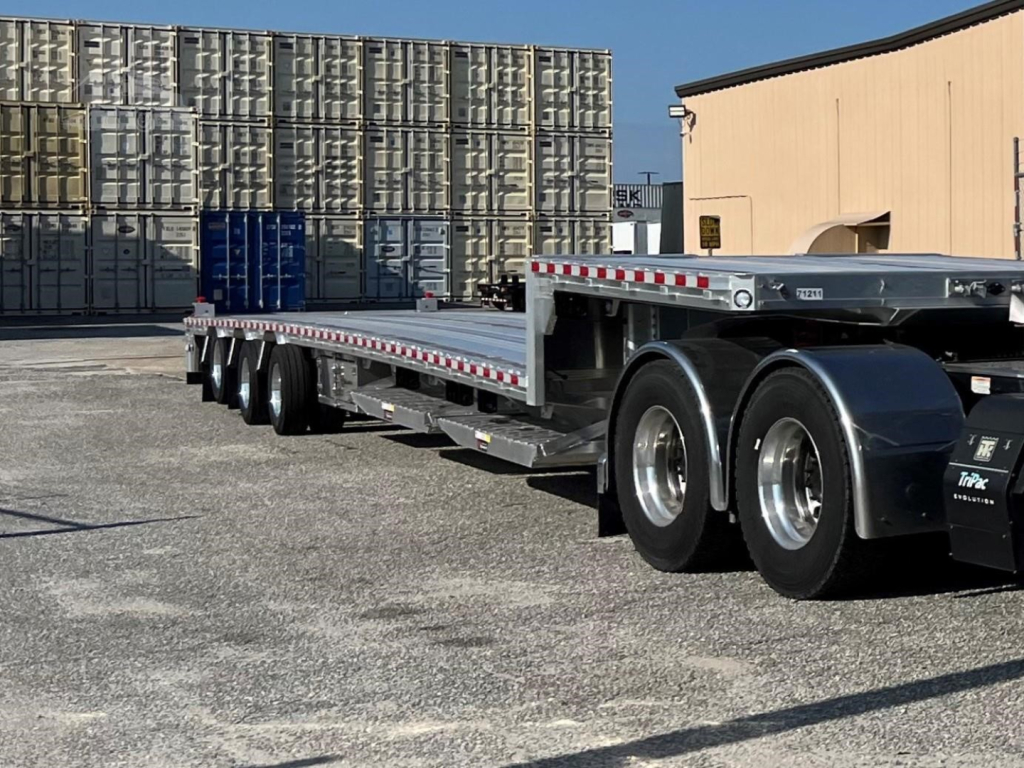
If the trailer is built for liquid or bulk hauling, the key factors shift to compartment count, shell material, suspension type, hose storage, valves, and current inspection status. California operators also need to think carefully about emissions-regulated routes, terminal requirements, axle spacing, and weight distribution when comparing tank and specialty trailers. For reefer and temperature-controlled freight, reefer unit hours, service records, fuel tank condition, and door seal integrity matter as much as the trailer chassis itself. In flatbed and platform applications, deck condition, aluminum versus steel construction, winch track setup, and overall tare weight can directly affect payload and earning potential.
A used 2019 trailer can be a strong fit for fleets, owner-operators, and private carriers that need dependable freight capacity with manageable acquisition cost. The best buying decisions usually come down to application fit, maintenance history, and structural condition, not just brand name. In California, where freight ranges from port drayage and agriculture to fuel, retail, and construction support, buyers should compare spec details closely and verify that the trailer matches the lane, commodity, and loading environment it will actually serve.
Frequently Asked Questions about Used 2019 Trailers in California
What should I look for first when buying a used 2019 trailer in California?
Start with the trailer type and its fit for your freight. After that, inspect the structural condition, including frame rails, crossmembers, floor, roof, rear frame, suspension, brakes, tires, and wheel ends. In California, buyers should also verify registration status, VIN details, inspection records, and any equipment requirements tied to the intended route or commodity. A clean-looking trailer is not necessarily a sound trailer, so maintenance documentation and a thorough physical inspection are critical.
Is a 2019 trailer a good age for commercial use?
For many buyers, a 2019 trailer is a solid value point because it is new enough to offer modern specs and broad parts availability, yet old enough to be priced below late-model equipment. Actual value depends on application, mileage exposure, maintenance discipline, and prior loading conditions. A well-maintained 2019 trailer can still have strong service life left, but deferred brake work, floor damage, corrosion, or accident repairs can quickly change the economics.
What specs matter most on a used dry van trailer?
The most important dry van specs usually include length, width, door type, suspension, tandem configuration, floor composition, and interior cargo control features such as E-track. Buyers should also check roof condition, sidewall integrity, scuff liner wear, and signs of water intrusion. If the trailer will be used in distribution or dock-heavy work, liftgate condition, rear frame wear, and door seal condition are especially important.
What is different about buying a used tank trailer?
Tank trailers require closer attention to commodity compatibility, compartment setup, valve condition, shell material, and inspection status. Buyers should confirm the trailer meets the operational and regulatory requirements for the product being hauled, including any testing or certification intervals. Hose trays, cabinet condition, suspension, and evidence of proper maintenance matter because tank trailers are specialized assets and repair costs can be significant if core components are neglected.
How important is maintenance history on a used 2019 trailer?
Maintenance history is one of the best indicators of true value because it shows how the trailer was cared for beyond what is visible in photos. Records for brake service, tire replacement, wheel seals, suspension work, reefer service if applicable, and annual inspections help a buyer estimate near-term costs. A used 2019 trailer with complete service documentation is generally a safer purchase than a newer-looking unit with no repair history.